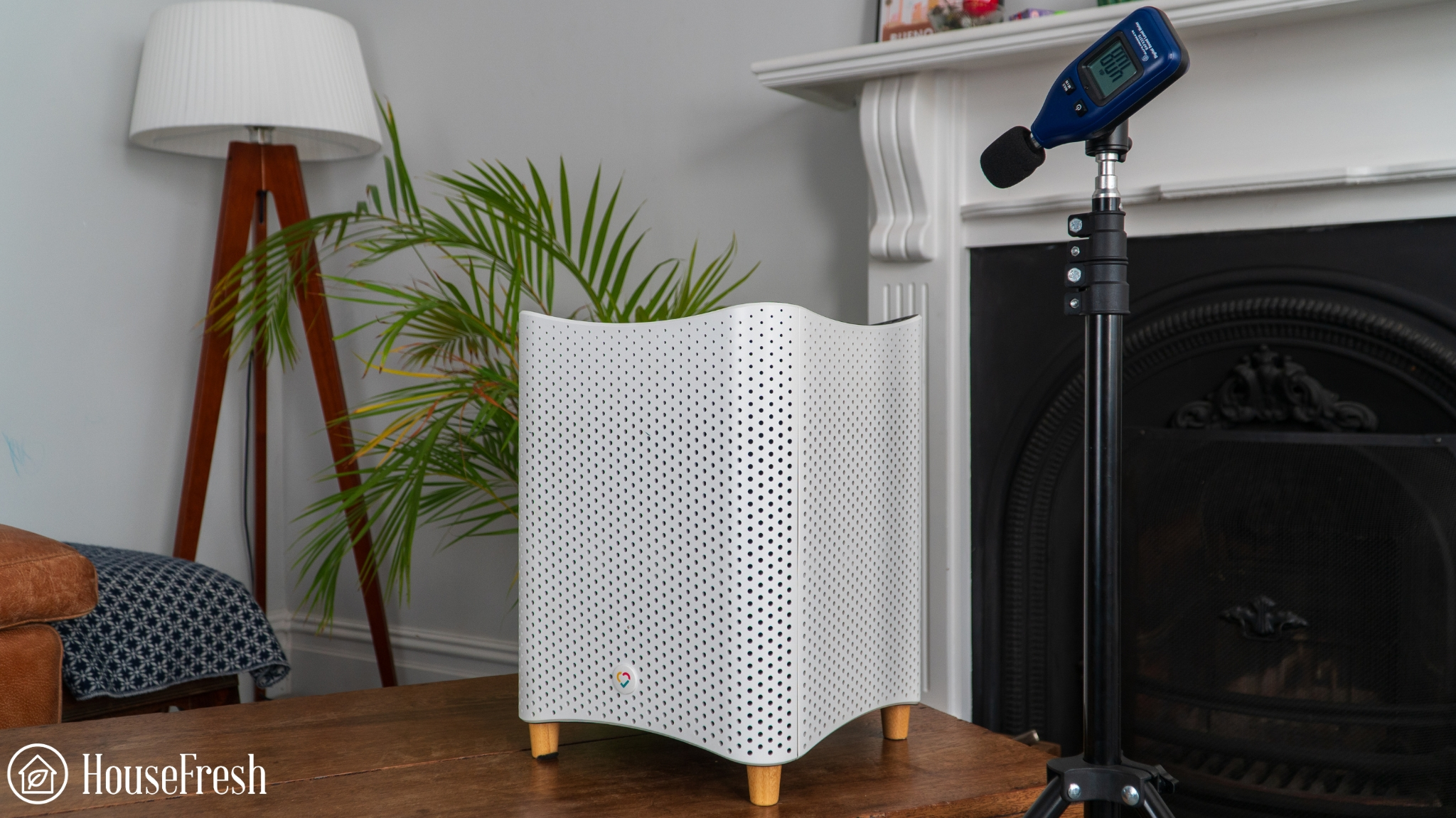
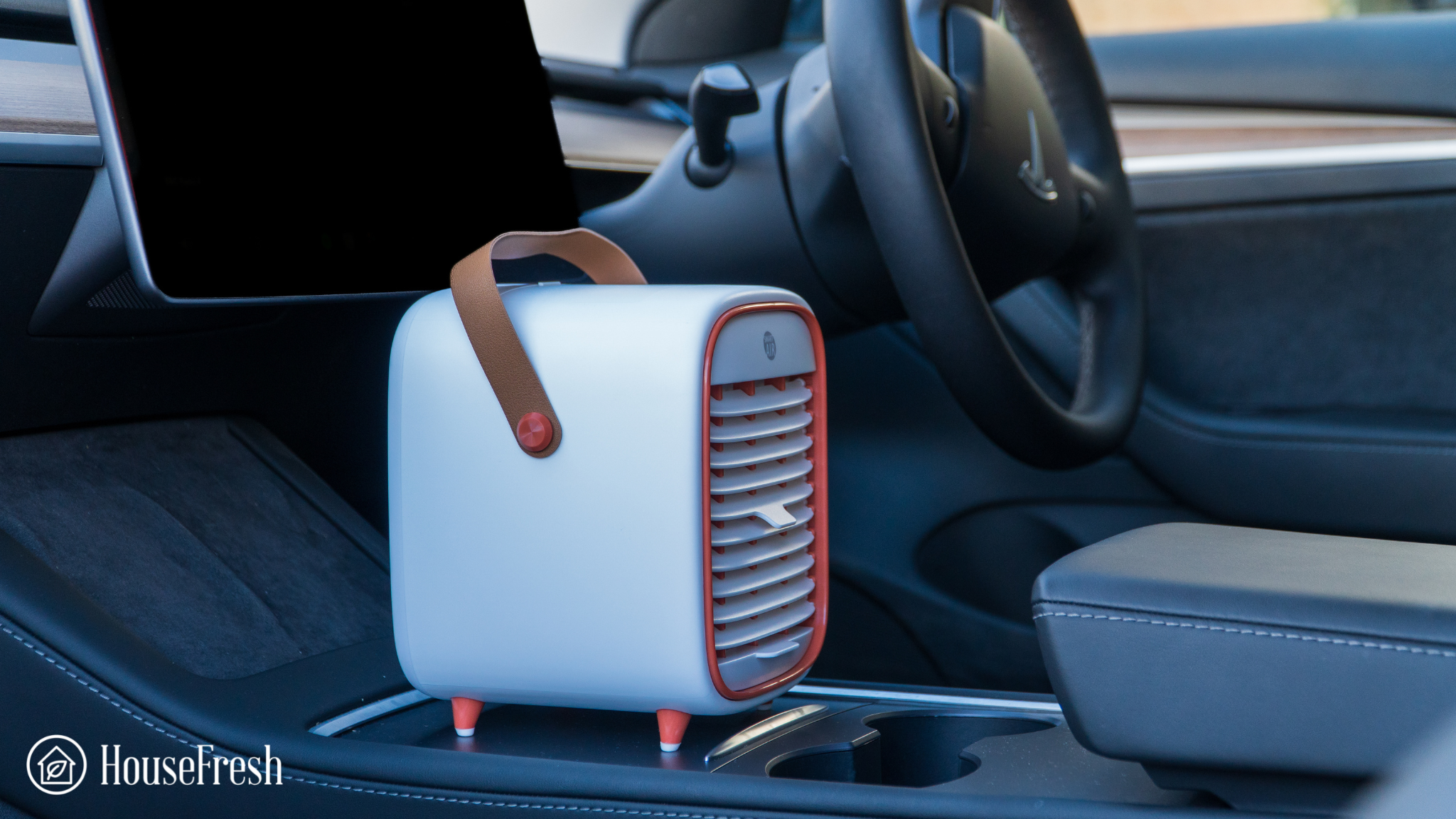
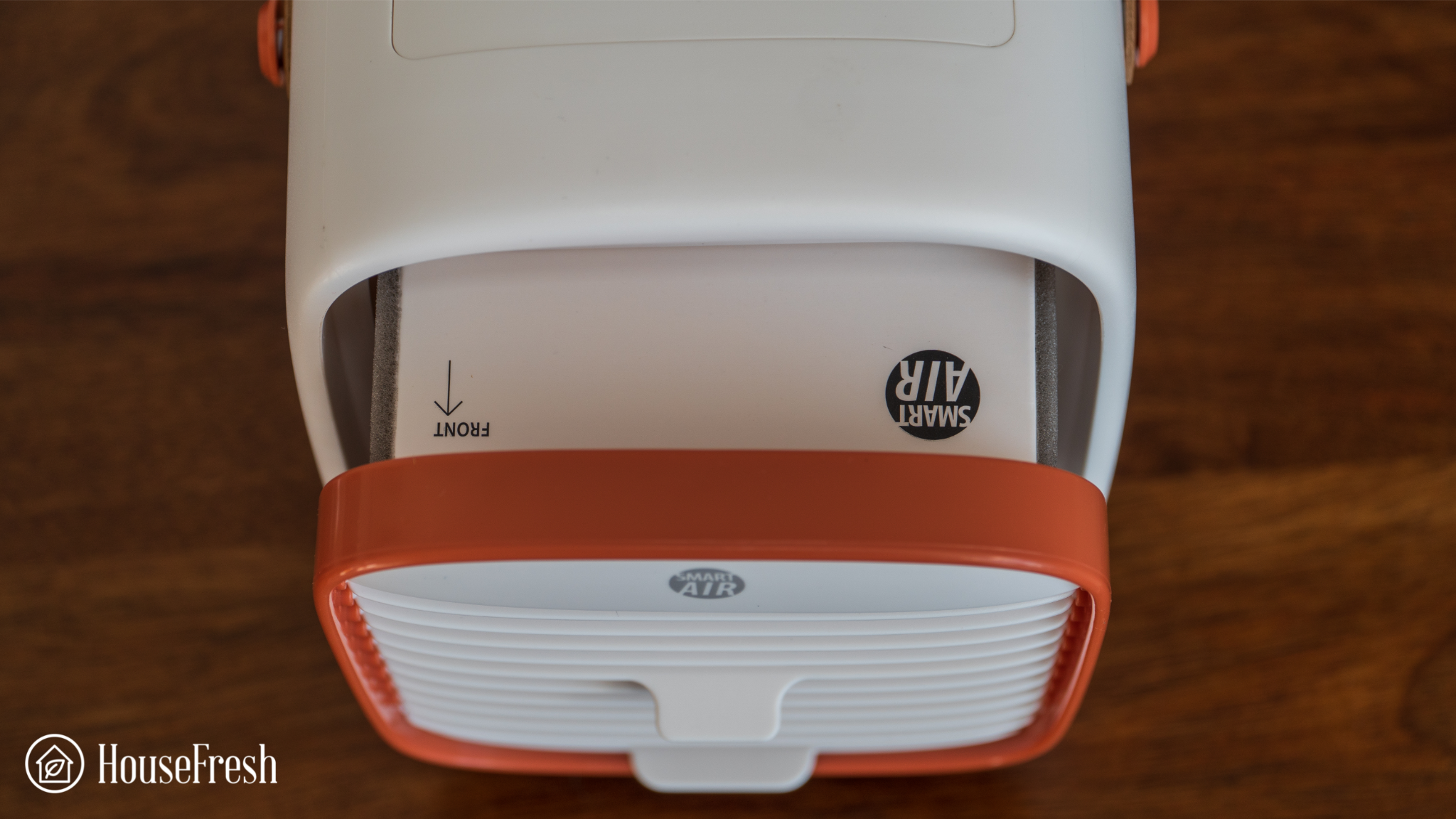
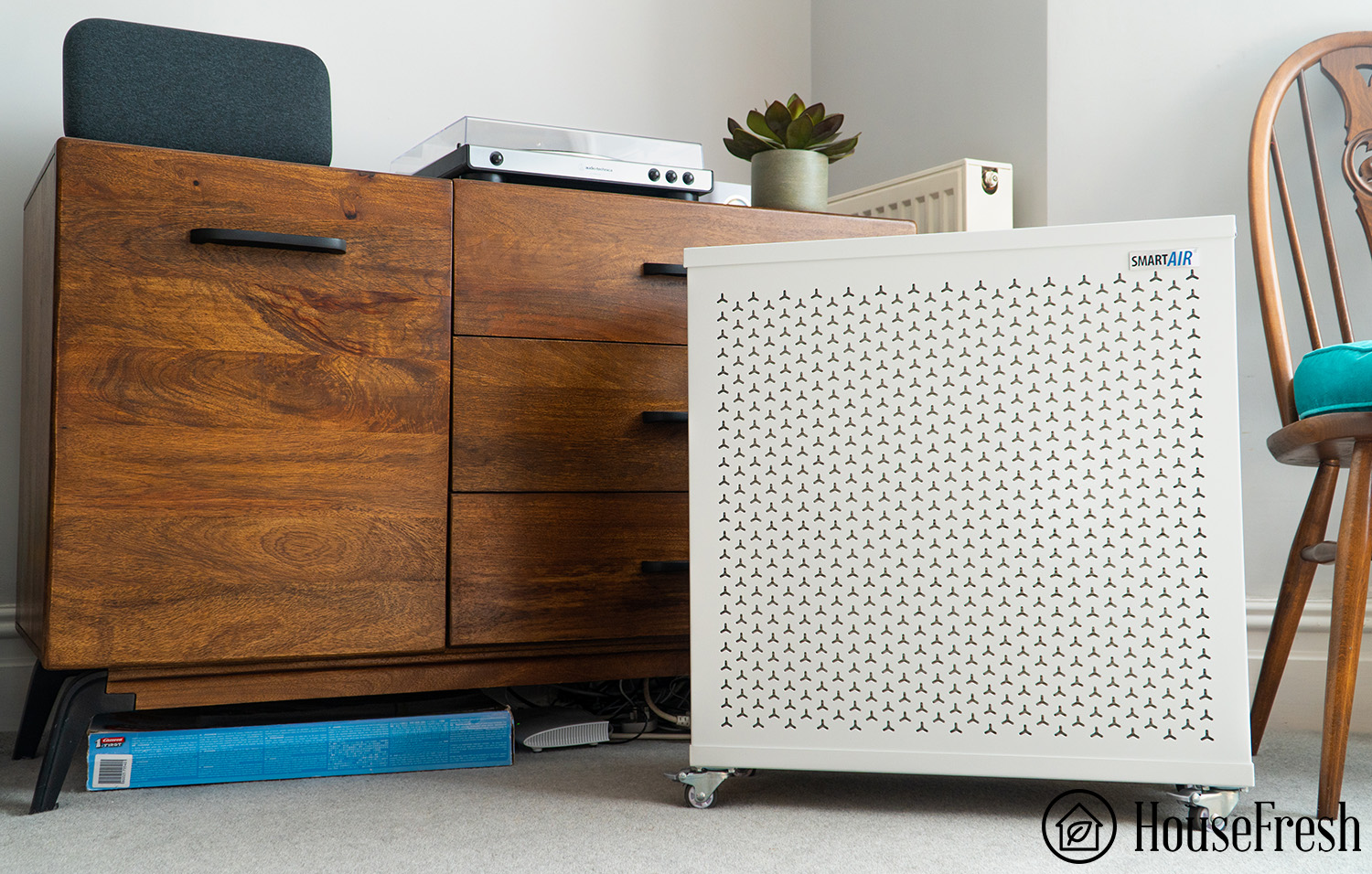
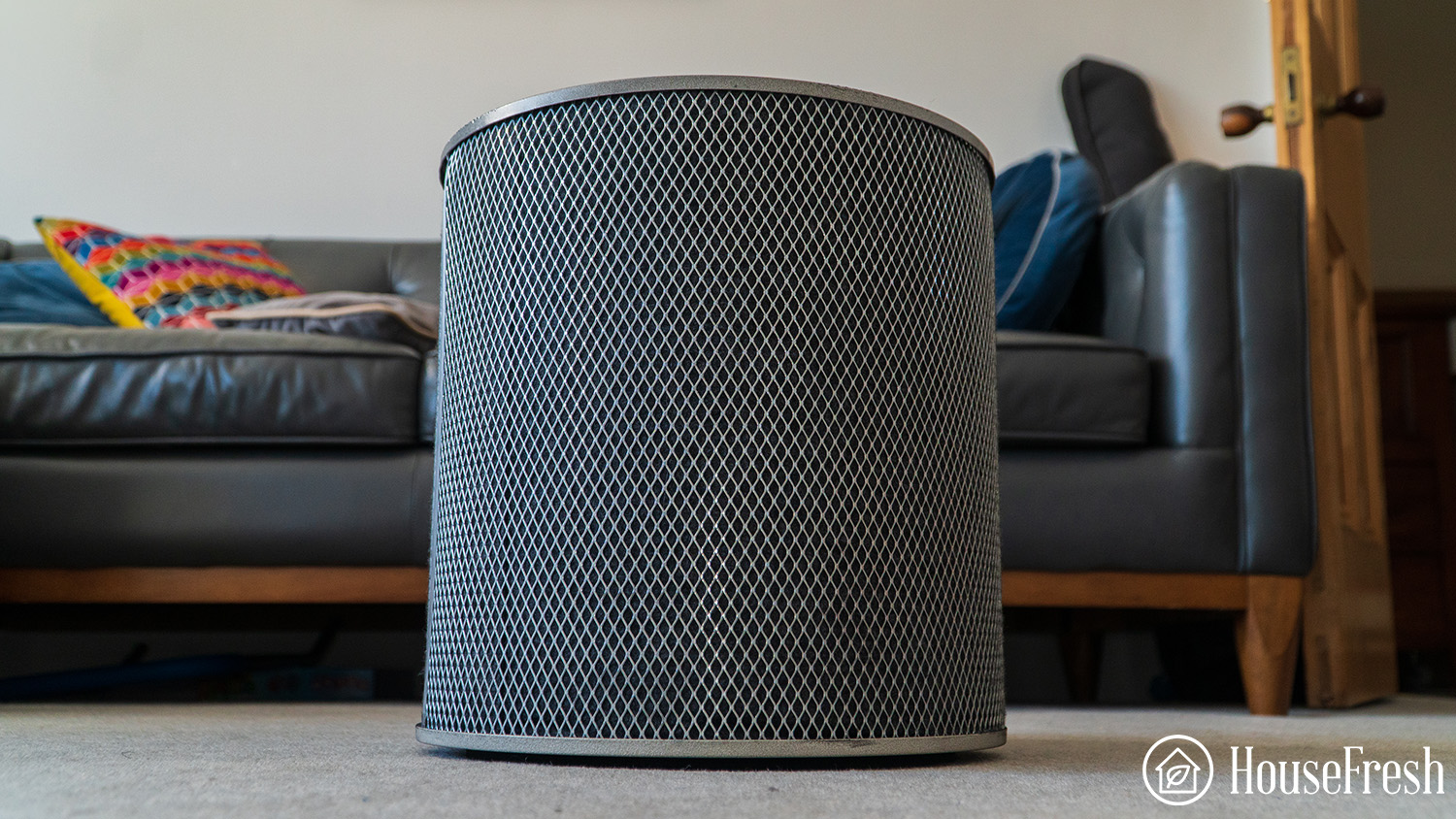
The best Blueair air purifiers we have tested

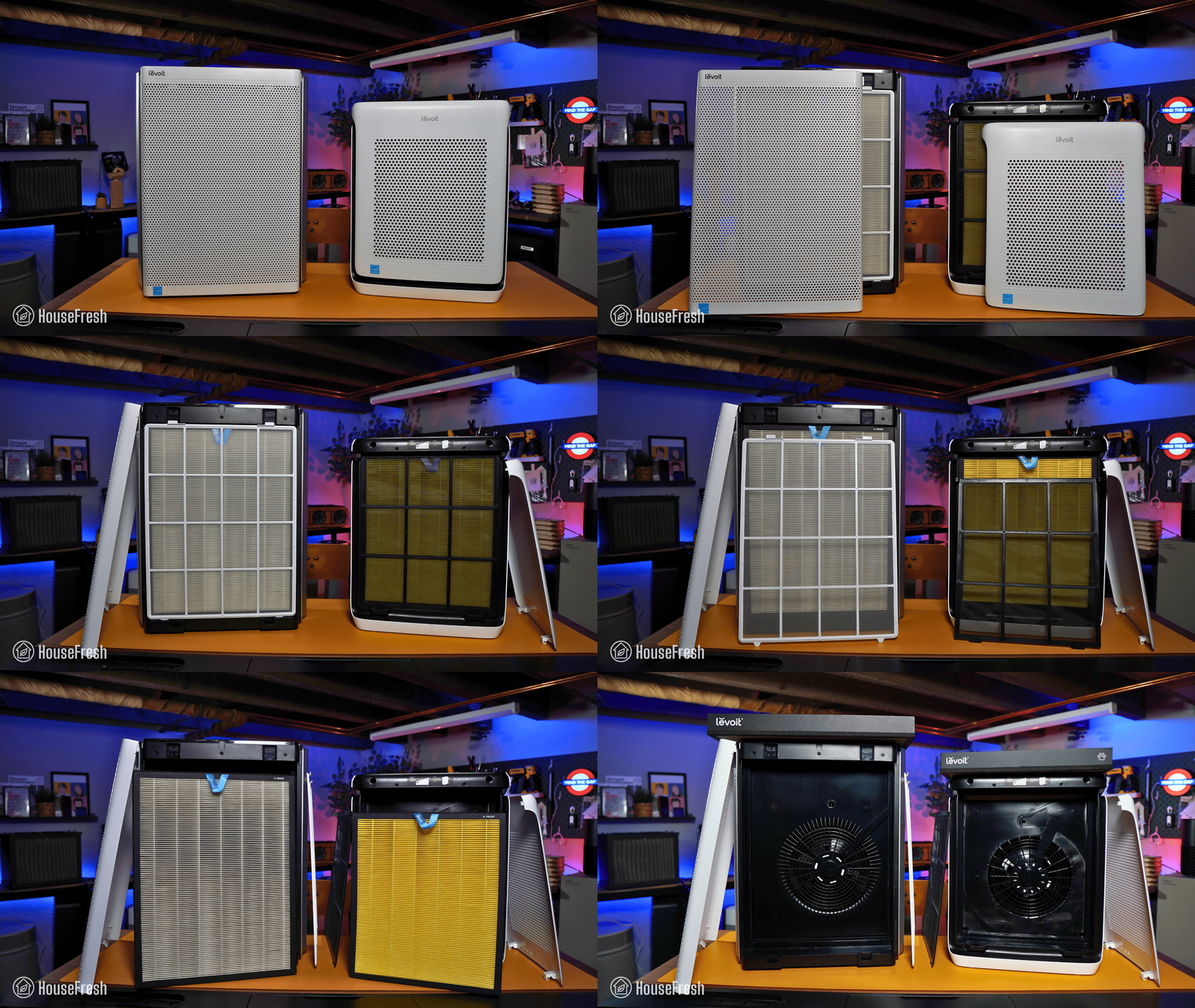
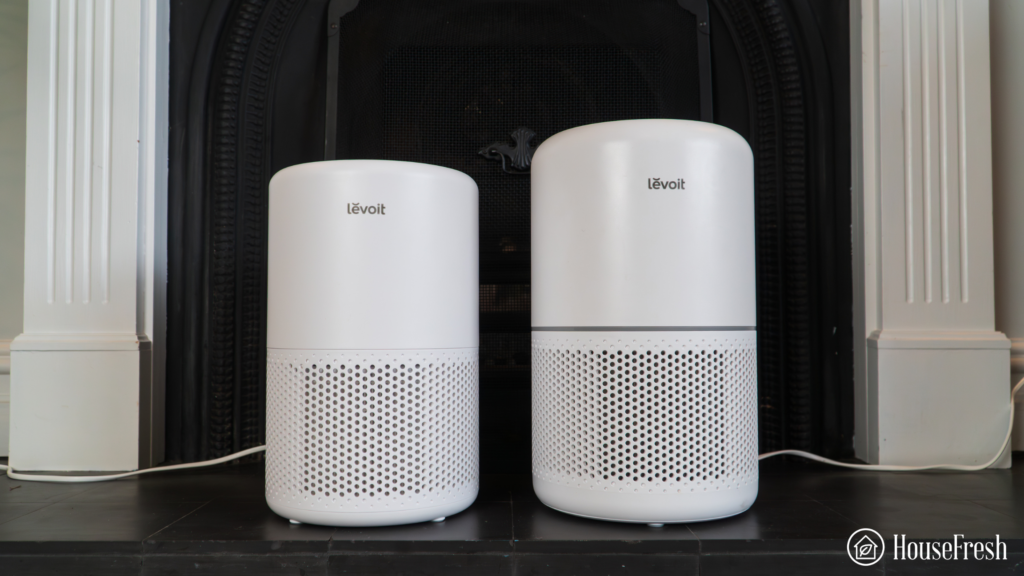
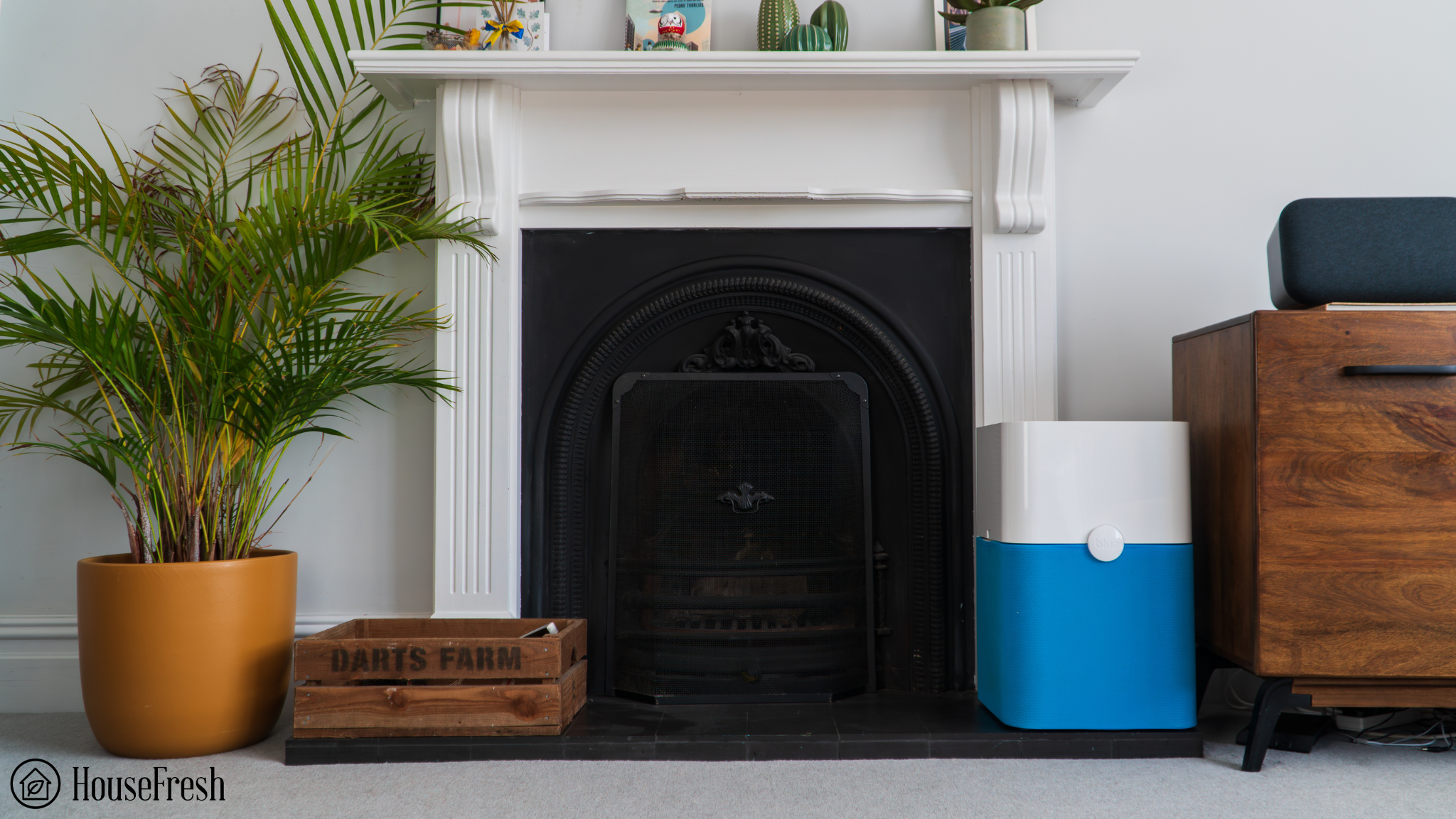
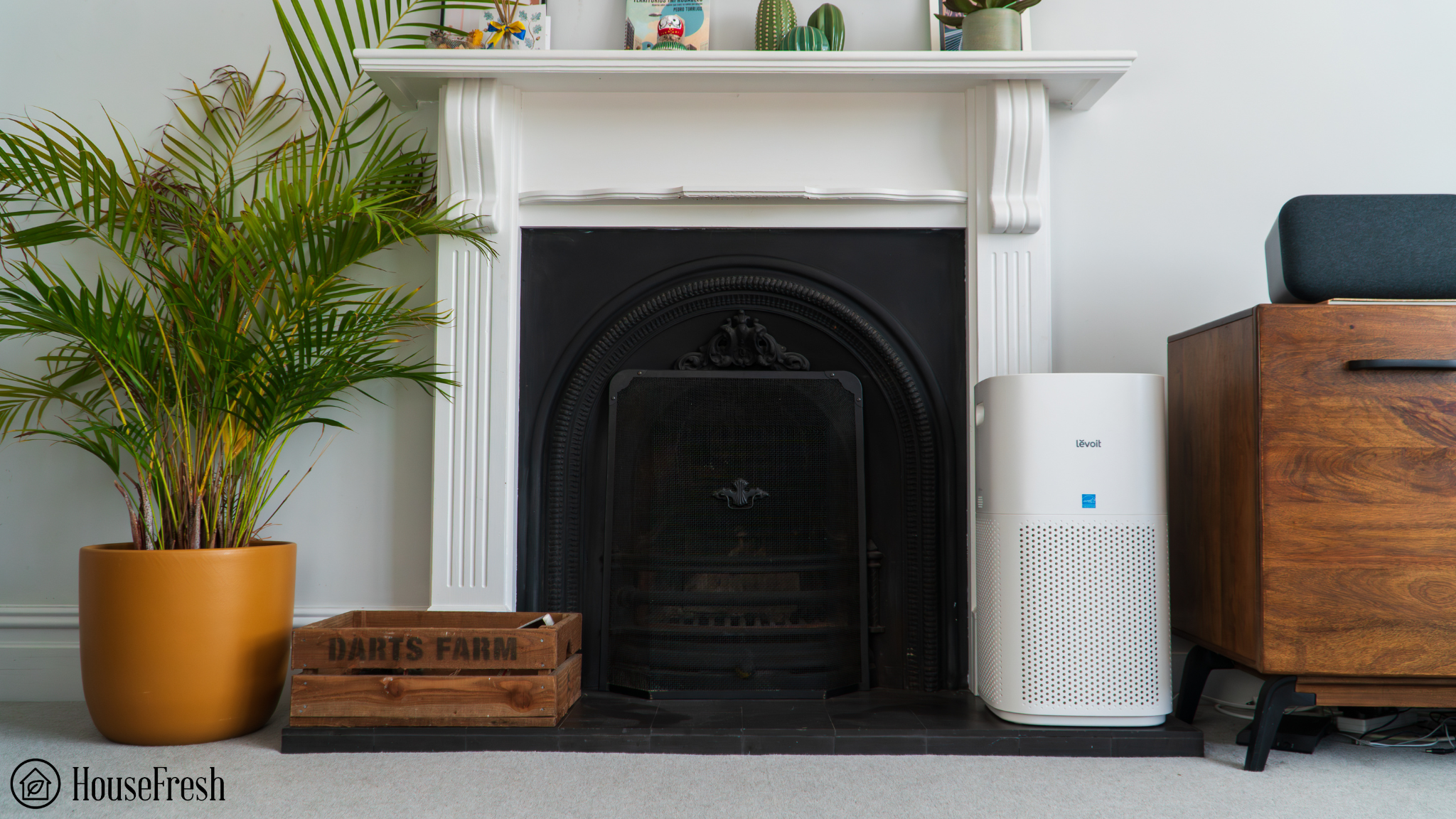
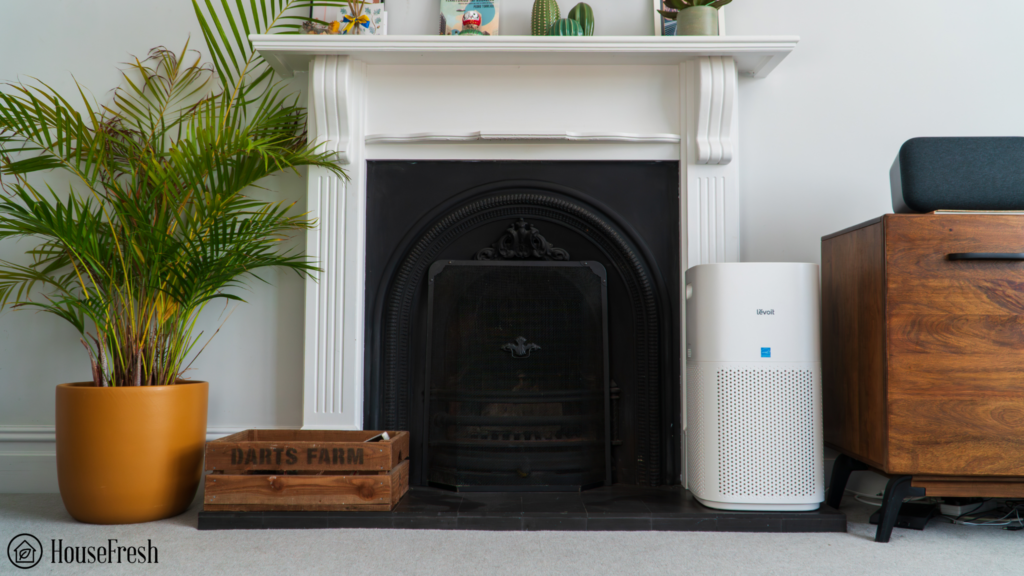
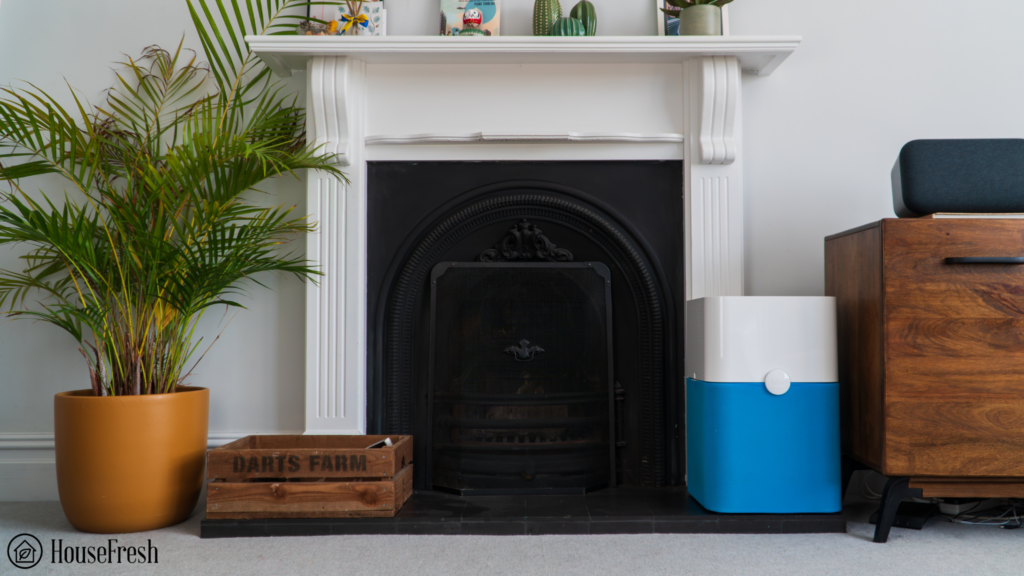
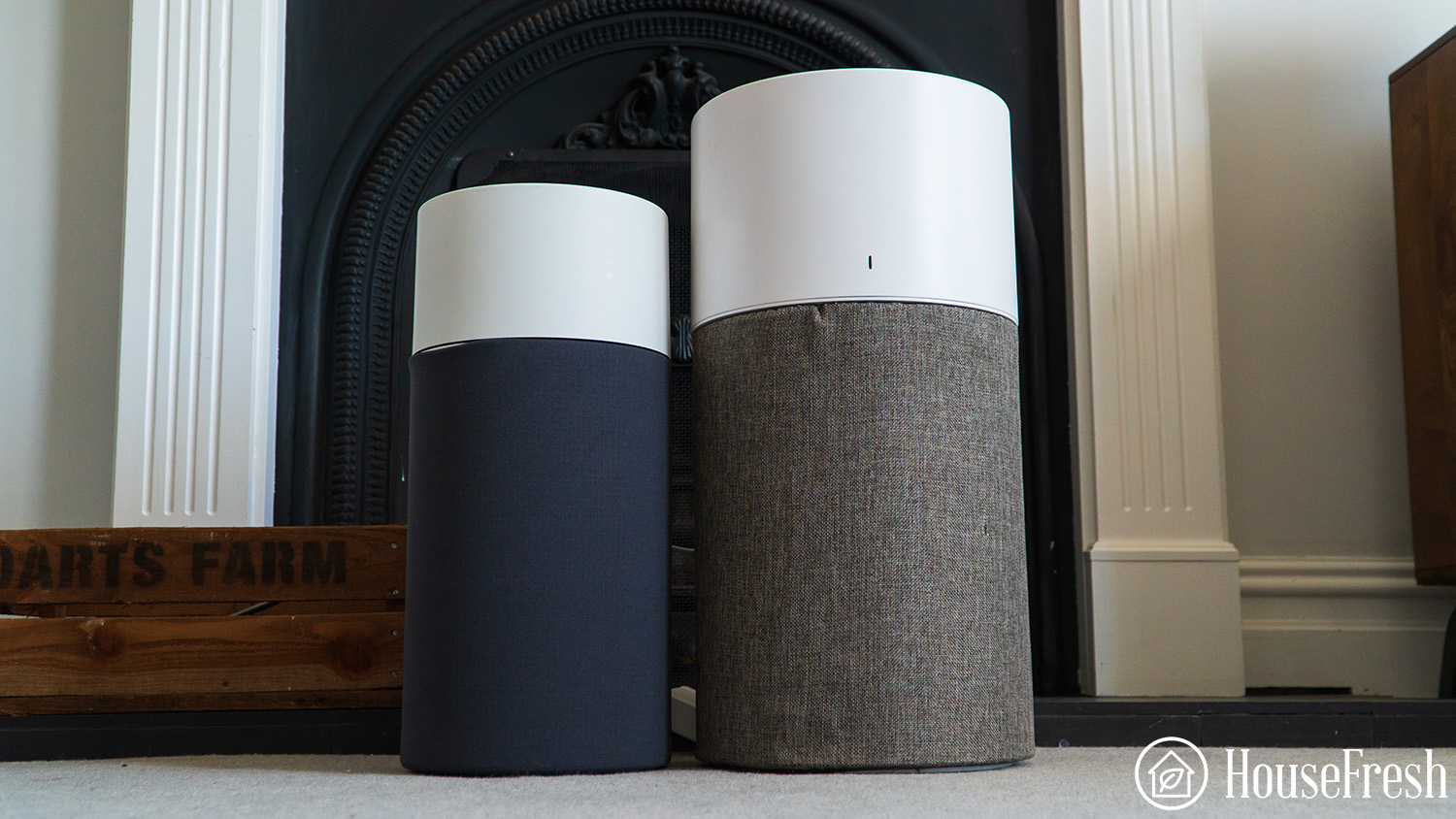
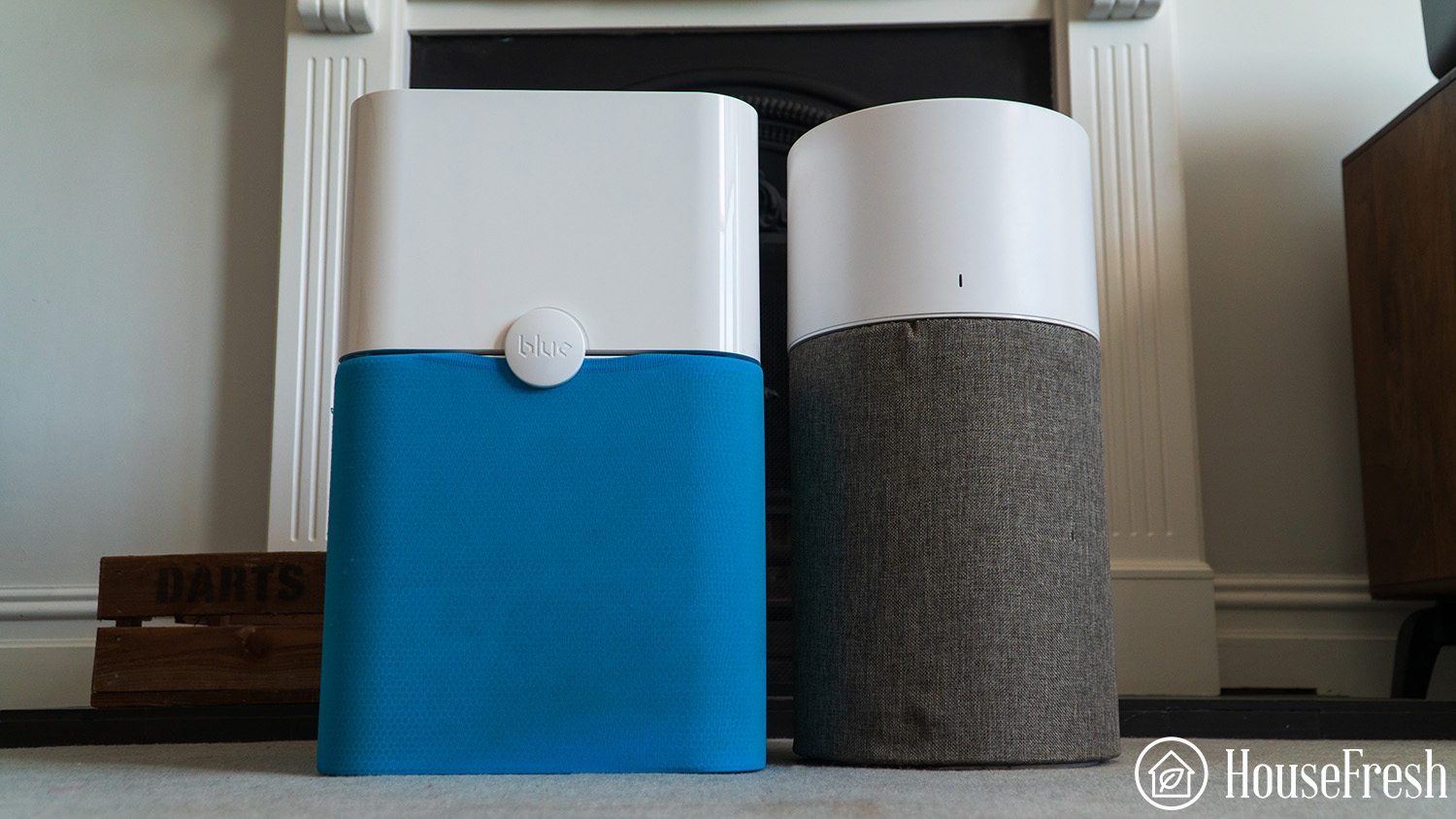
Comparison Photo Blueair Blue Pure 211 VS 411 VS 311

When researching air purifiers for your home, you canโ€™t help but come across Blueair. This well-known brand produces high-performance air purifiers designed and engineered by their Swedish team.

Pioneering the latest purification technology since 1996, Blueair offers units that not only clear the air of harmful pollutants using their unique HEPASilentโ„ข  filters, but they are designed and styled to fit into any modern home.

HEPASilentโ„ข dual filtration technology allows BlueAir air purifiers to provide maximum cleaning performance on a lower power setting, which, in turn, means they use up to 29% less energy and emit up to 67% less noise (hence โ€œHEPASilentโ€).

In this guide, Iโ€™m going to focus on air purifiers from Bluairโ€™s Blue range. 

This range offers a selection of units to suit a variety of room sizes and costs. For example, if you have a larger space to clean, the Blue Pure 211+ is the unit for you. if you’re on a tighter budget Blueair has you covered with the Blue Pure 411+, but be aware this can only be used in small spaces.
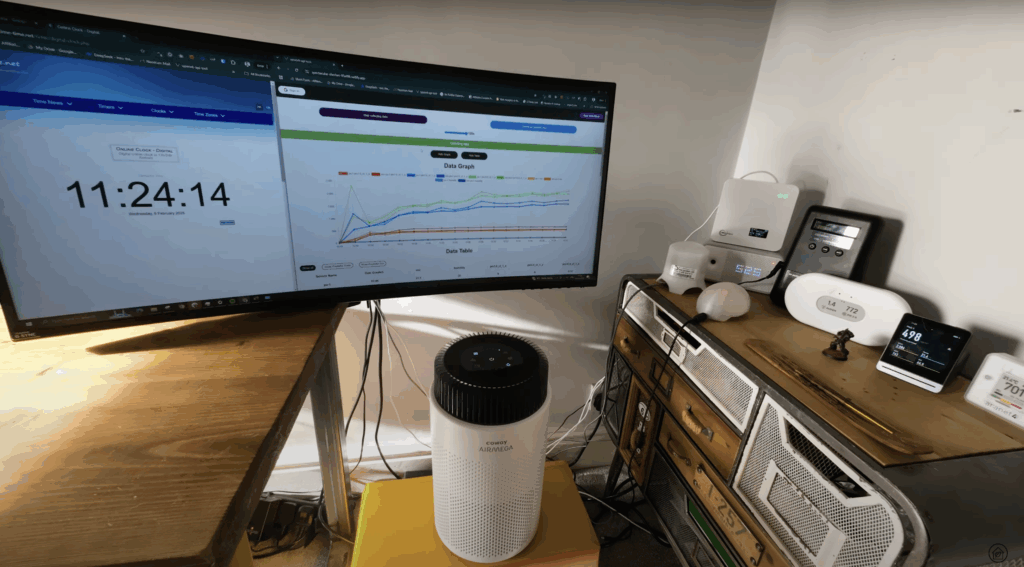
how we test
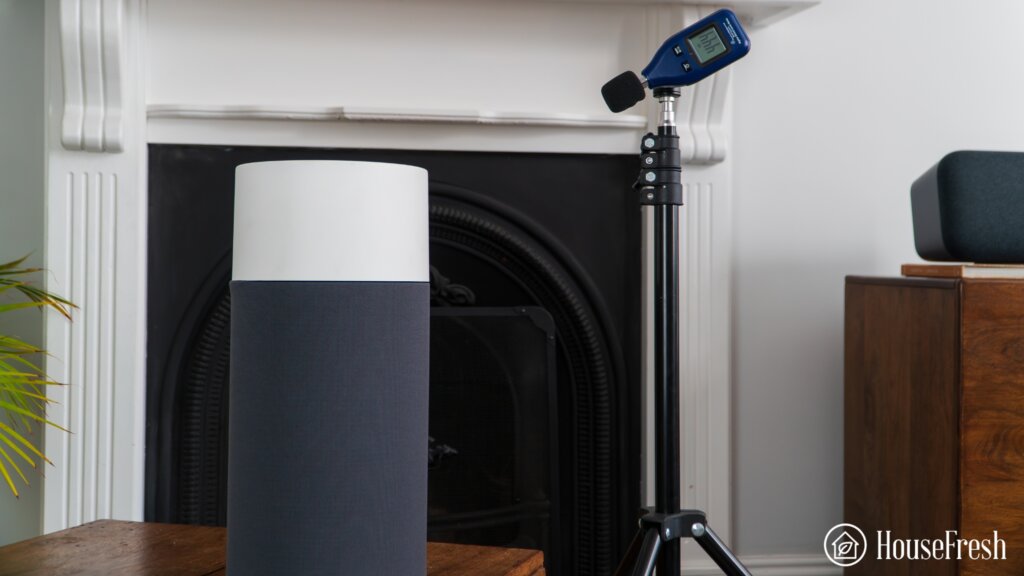
How we test air purifiers

Read our full testing methodology.

By collecting all this data on each air purifier, we can find the best recommendations for your various needs and wants. For this guide, I compared all of the Blueair units weโ€™ve tested side-by-side to pick four of the best. 

Here are the considerations I made when choosing these recommendations:

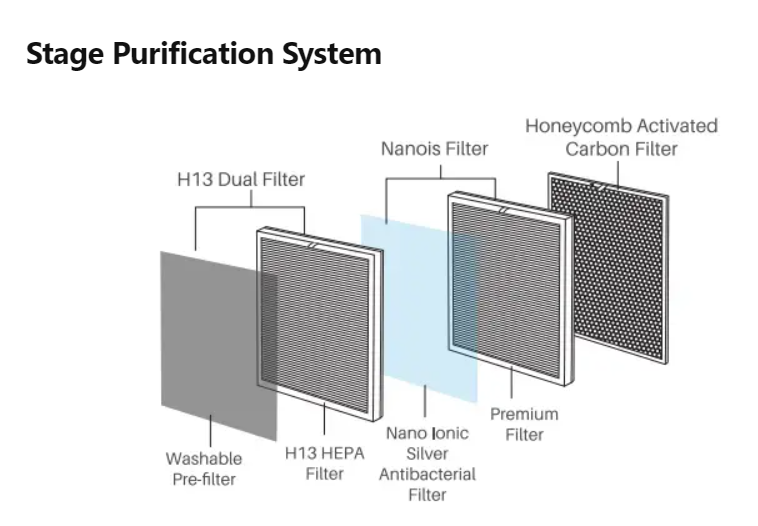
  • HEPASilentโ„ข Technology – Blueair states that this is the best filter theyโ€™ve ever produced, so we wanted all our recommendations to contain their leading tech.
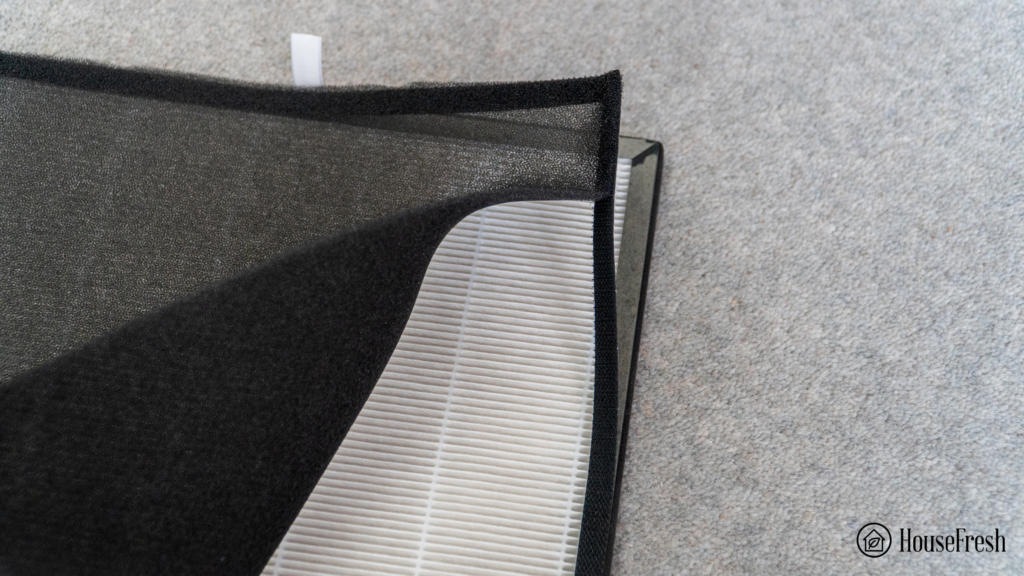
  • Washable Pre-filters – Pre-filters trap larger particles that pass through an air purifier. Removing and washing a pre-filter is proven to prolong the life of a unitโ€™s HEPA filter.
  • Energy Efficiency – The costs donโ€™t end with the initial price of an air purifier. We wanted units that wouldnโ€™t have you asking for a loan to run.

Staff picks: Top 3 Blueair air purifiers

Here are my top three recommendations out of Blueair’s vast range of air purifiers.

๐Ÿ‘‘ BEST OVERALL๐Ÿ’ฐ FOR TIGHT BUDGETS๐Ÿ›‹๏ธ FOR LARGE SPACES
Blueair Blue Pure 311 AutoBlueair Blue Pure 411+Blueair Blue Pure 211+
Blueair Blue 311 Kids BedroomBlueair Blue Pure 411 UnitBlueair Blue Pure 211 plus Living Room
Air cleaning speed21 minutes43 minutes18 minutes
CADR rating250 CFM 120 CFM 350 CFM
Filter technologyTrue HEPASilent filter with activated charcoalTrue HEPASilent filter with activated charcoalTrue HEPASilent filter with activated charcoal
Max room size388 sq. ft.185 sq. ft.540 sq. ft.
Weight6.8 lbs (3.1 kg)3.4 lbs (1.54 kg)12.5 lbs (5.67 kg)
Our reviewBlueair Blue Pure 311 Auto reviewBlueair Blue Pure 411+ reviewBlueair Blue Pure 211+ review
PriceCheck NowCheck NowCheck Now

Last update on 2026-10-27 / Affiliate links / Images from Amazon Product Advertising API


Now youโ€™re familiar with Blueair as a brand, the performance tests we conduct, what weโ€™re looking for in a Blueair purifier and my top three recommendations, check out the rest of the guide, where I go into more detail about each unit Iโ€™ve selected.

1. Best overall: Blueair Blue Pure 311 Auto

A high performing Blueair unit that looks good, doesn’t cost a bomb and will perform well in medium-sized rooms.

Blueair Blue 311 Kids Bedroom

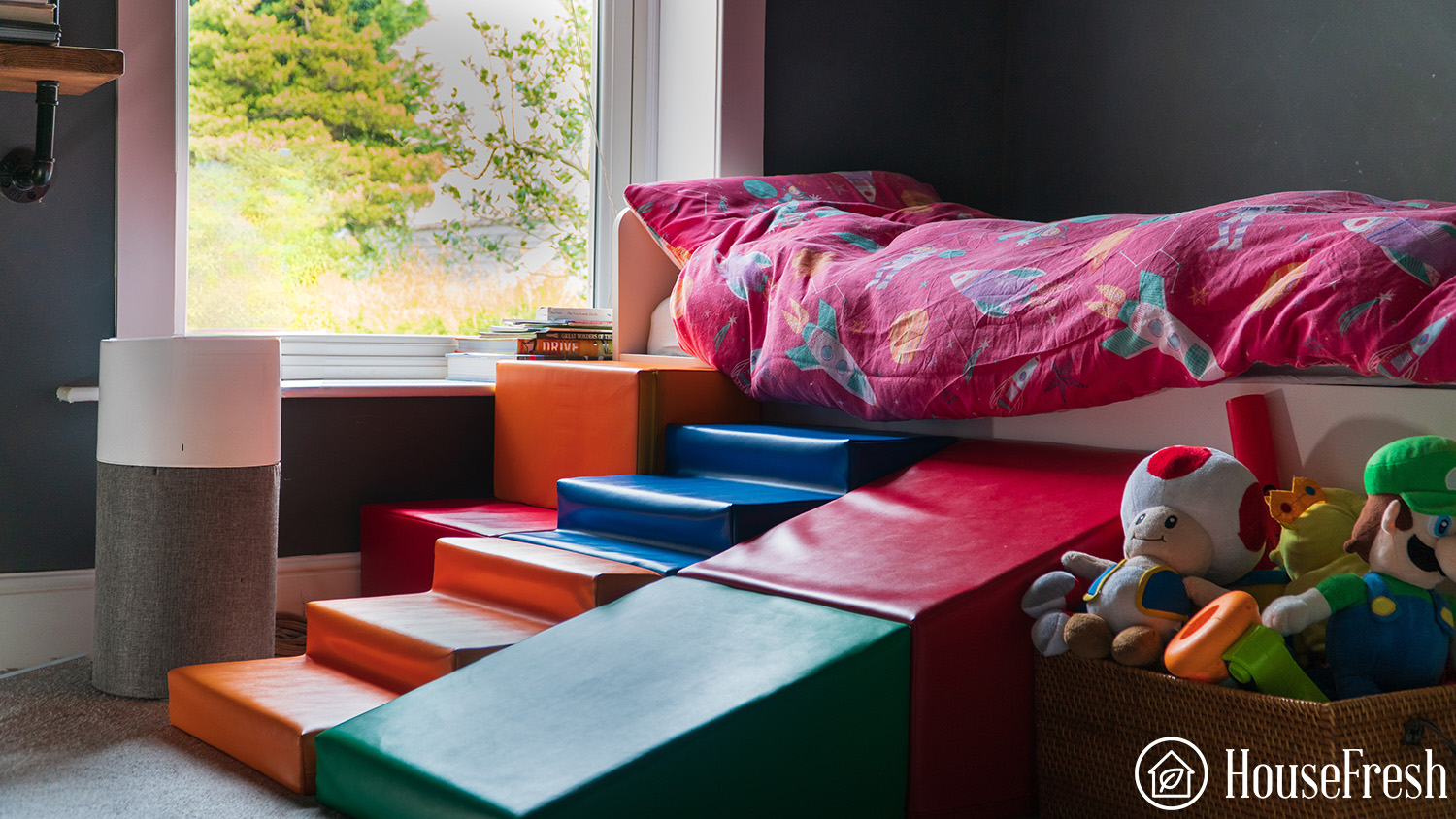
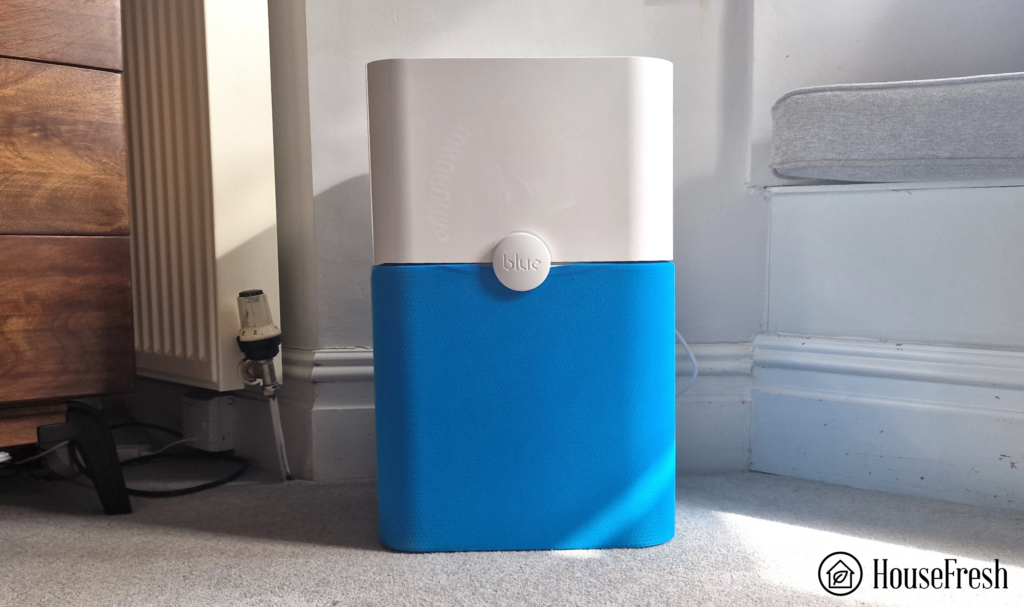
My favorite Blueair air purifier that weโ€™ve tested is the Blue Pure 311 Auto. When we tested this unit, we were pleasantly surprised with its cleaning performance clearing our 728 cubic feet home lab in 21 minutes. Itโ€™s not a large unit, but it sure acts like one. It is also quiet, easy to use and it definitely looks cool.

It doesnโ€™t look like the conventional white boxes weโ€™re used to reviewing (see the Levoit 600S) with its fabric pre-filter that you can customize to suit your home. Ours came in the Arctic Trail, but you can choose from four other colors: Night Waves, Archipelago Sand, Winter Reed or Aurora Light.

What we really like

A substantial step up in CADR from the 411+ โ€” we’re talking 250 CFM from 120 CFM
It only uses 34.5 watts of power when running at full fan speed
The pre-filters are more muted colors with 4 options to choose from
It is extremely simple to operate โ€” one button does everything

What we think could be better

Putting on the pre-filter takes patience and sometimes the filter can fall out when moving
I would like to see an integrated air quality sensor like we see in units from brands such as Levoit and Alen

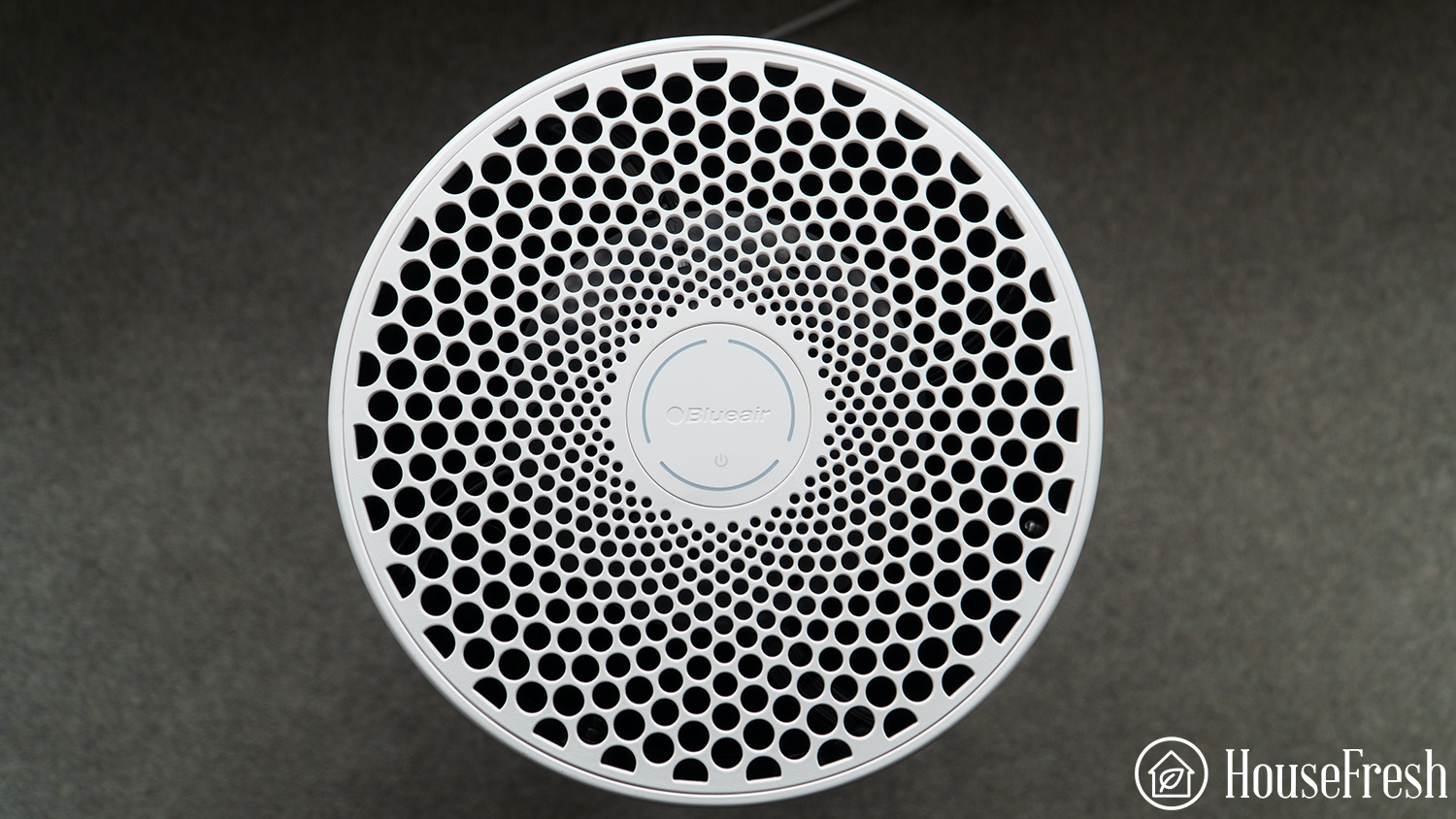
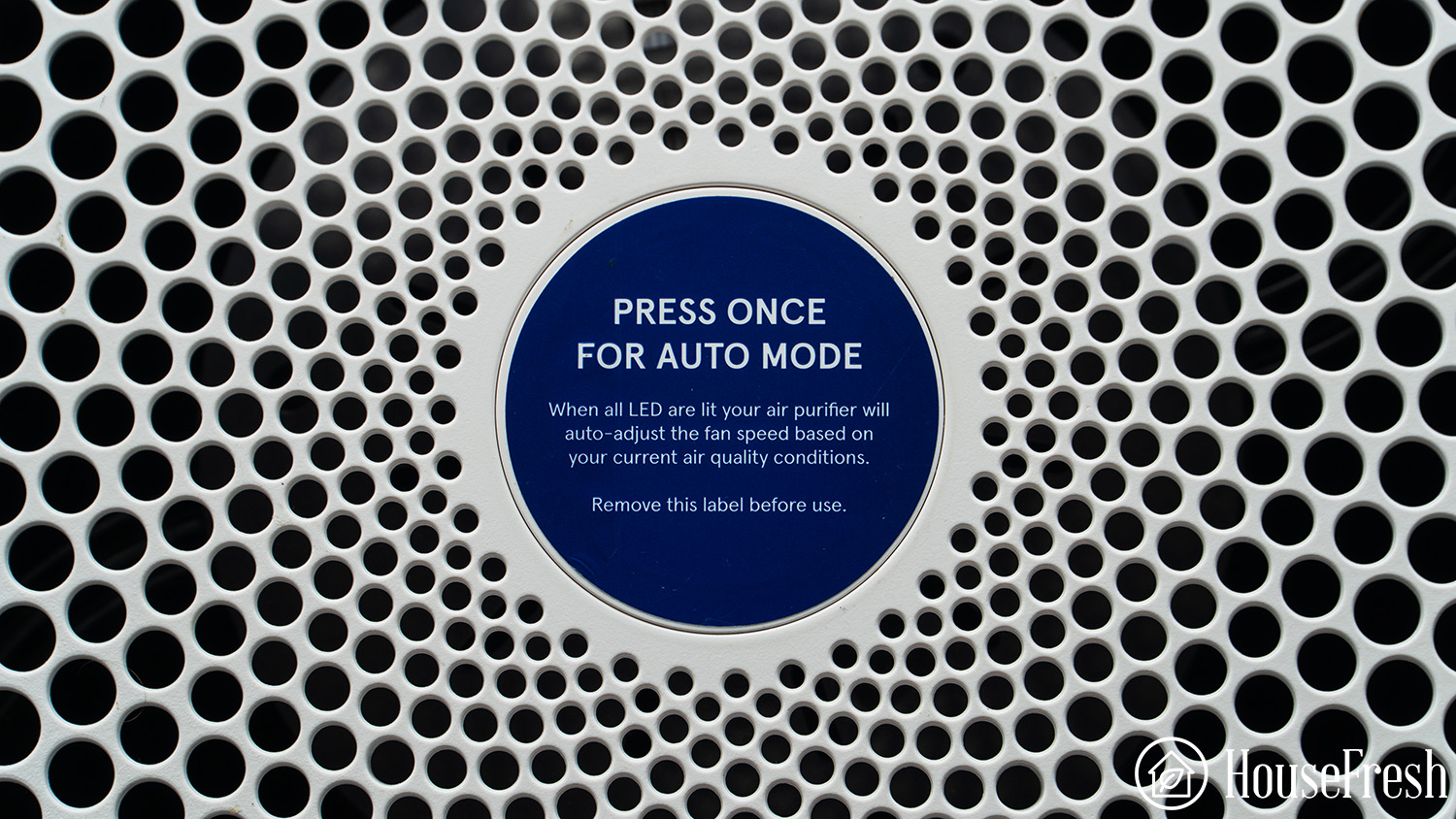
Blueair doesnโ€™t like to overcomplicate their products, so theyโ€™ve fitted the 311 Auto with one button that sits centrally on top of the unit to turn it on/off, control fan speed and engage auto mode.

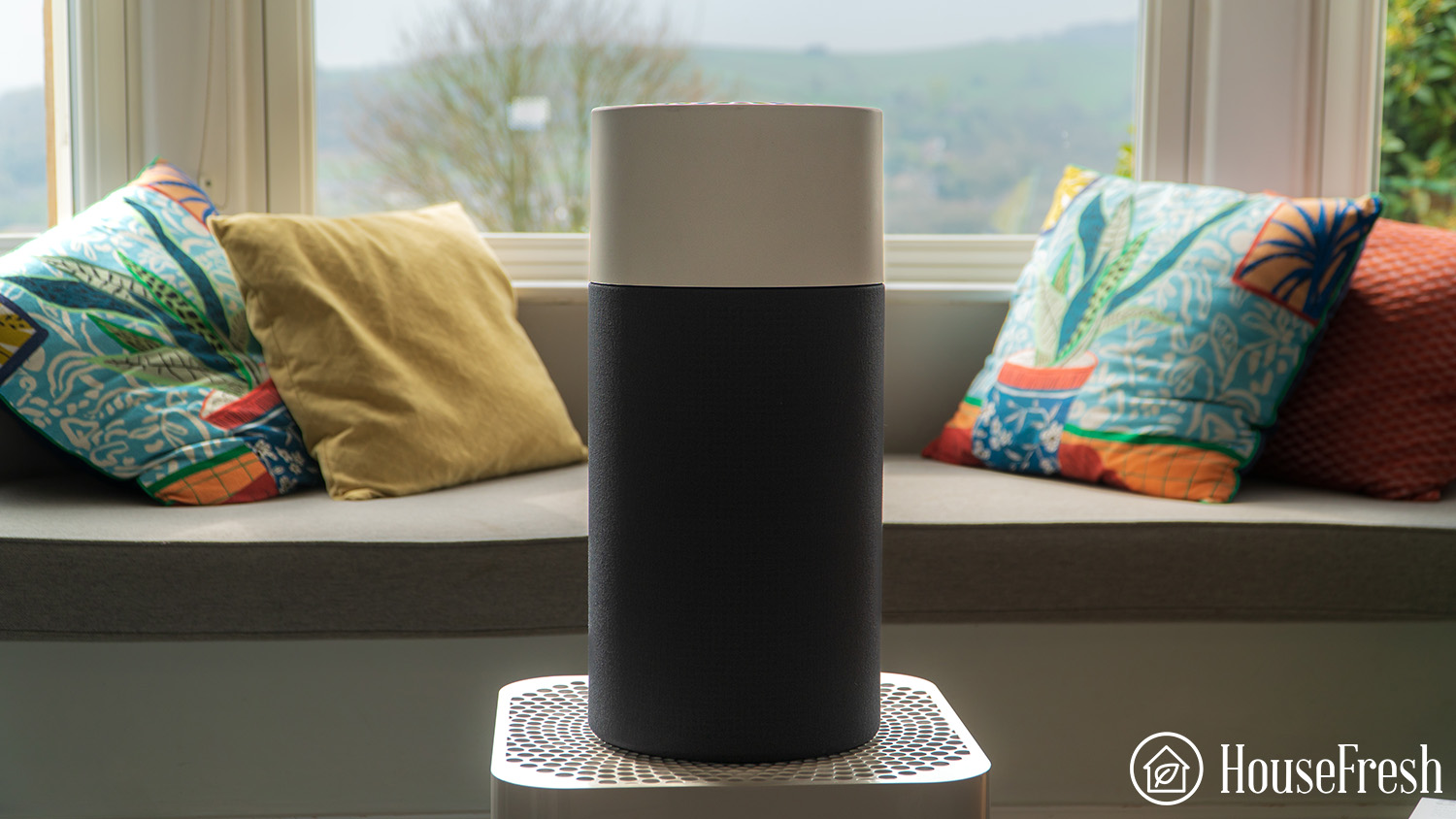
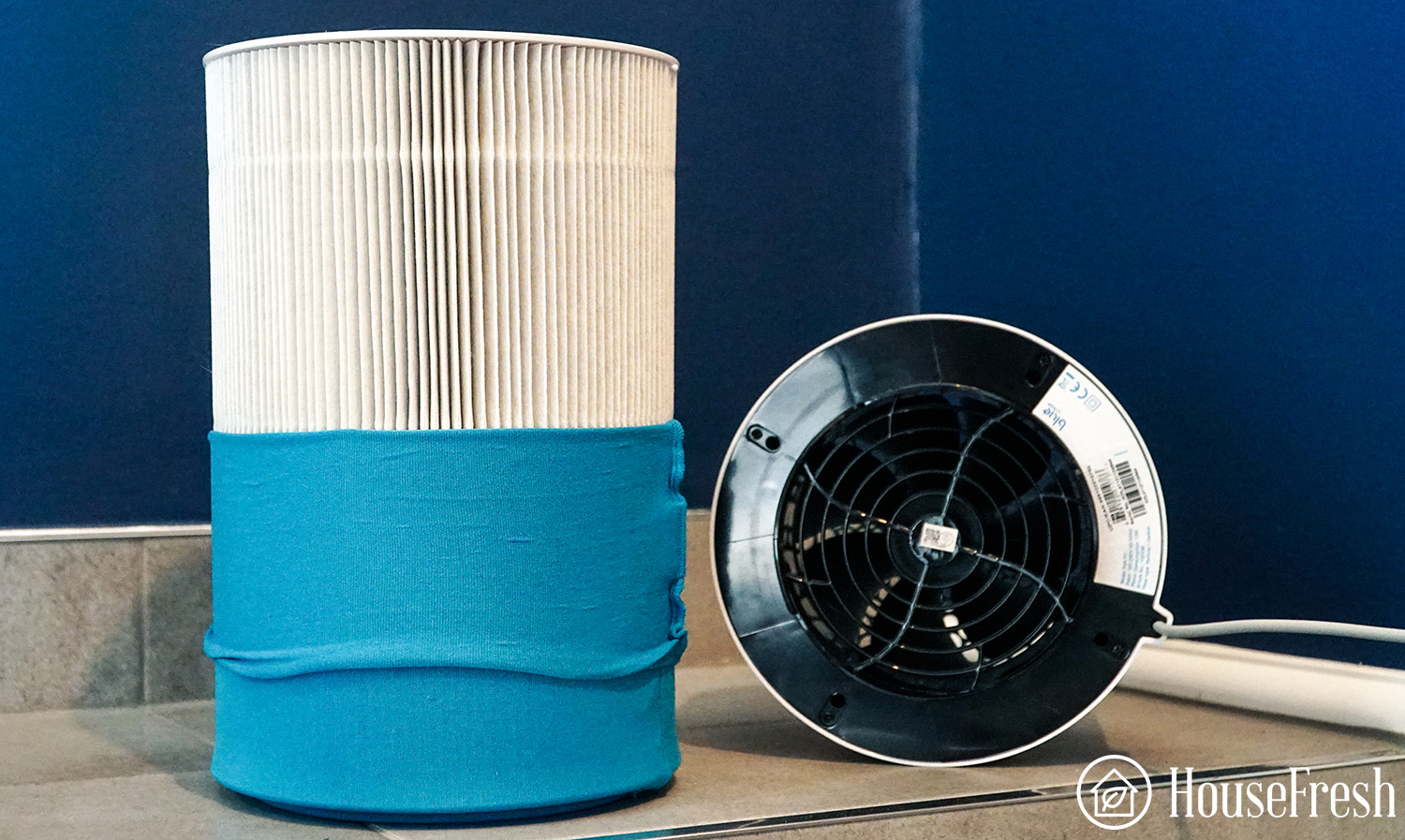
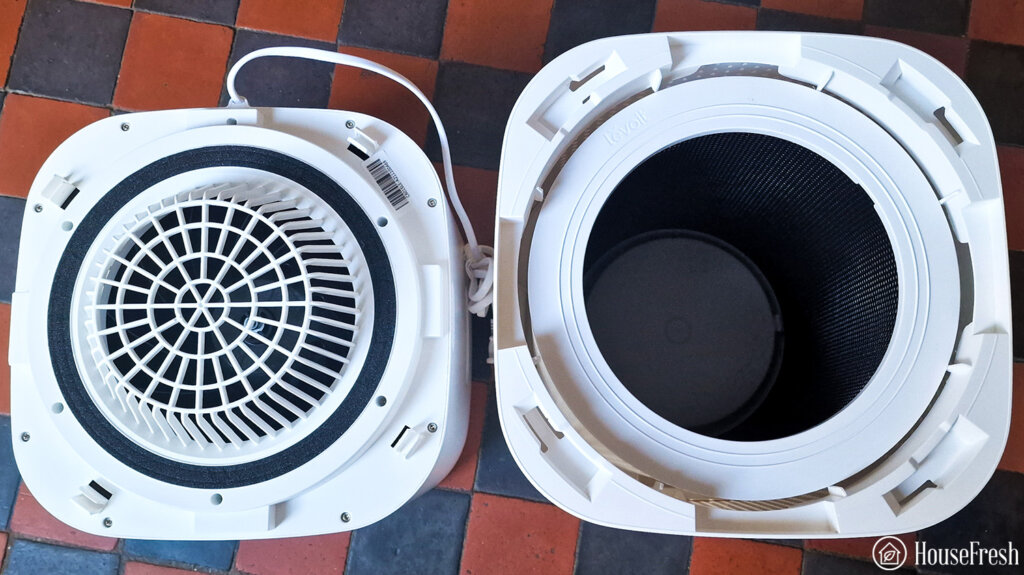
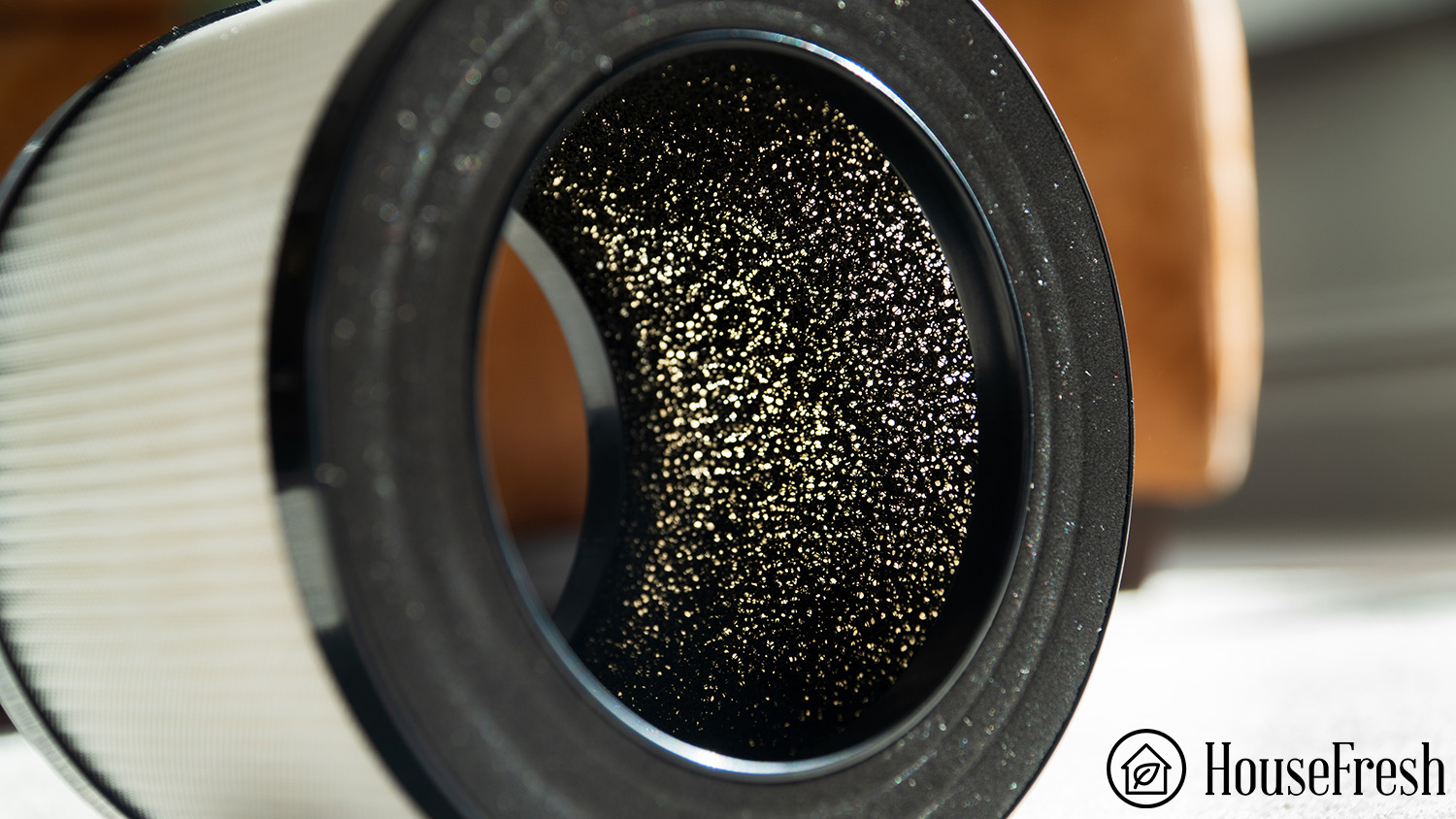
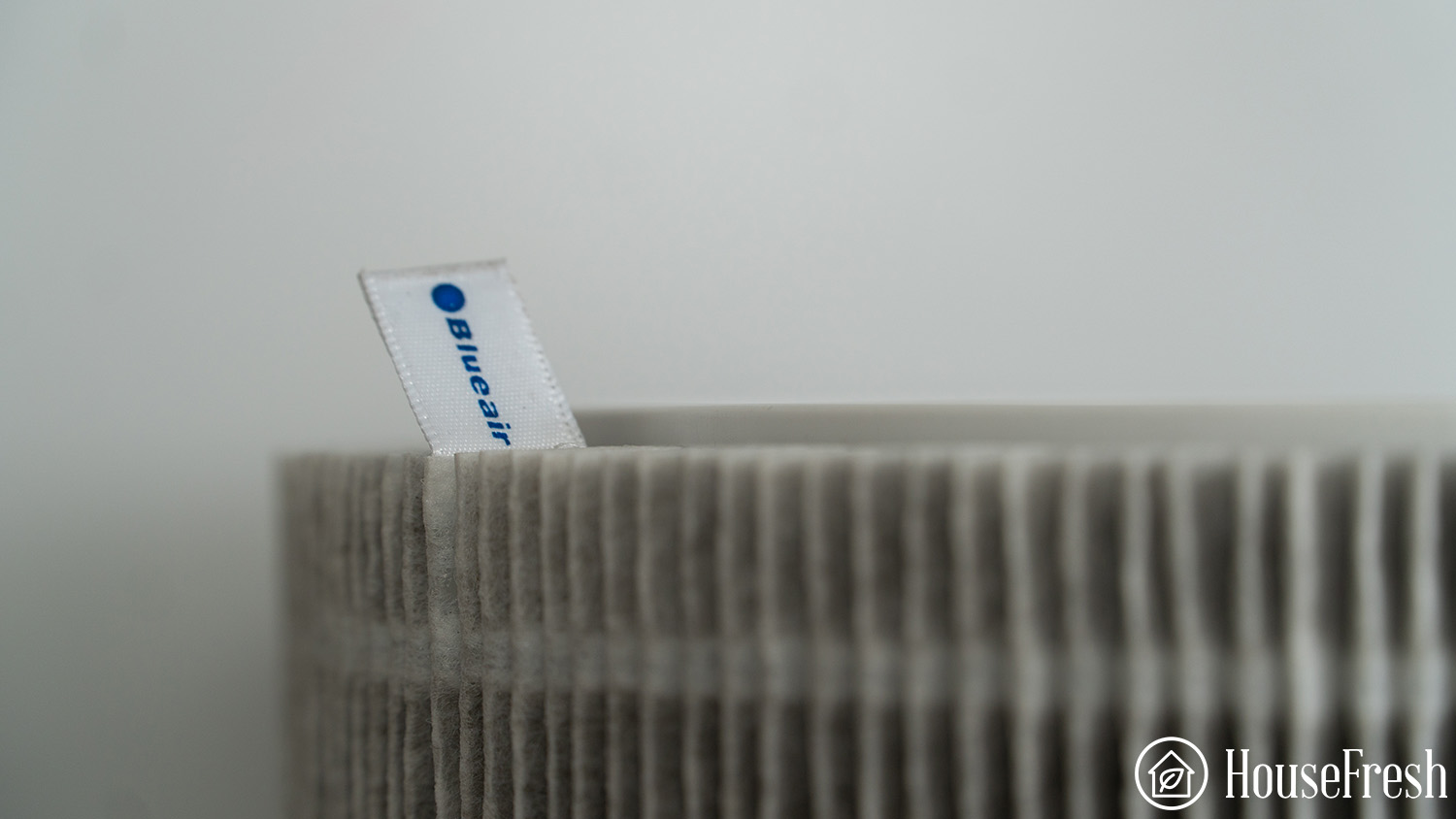
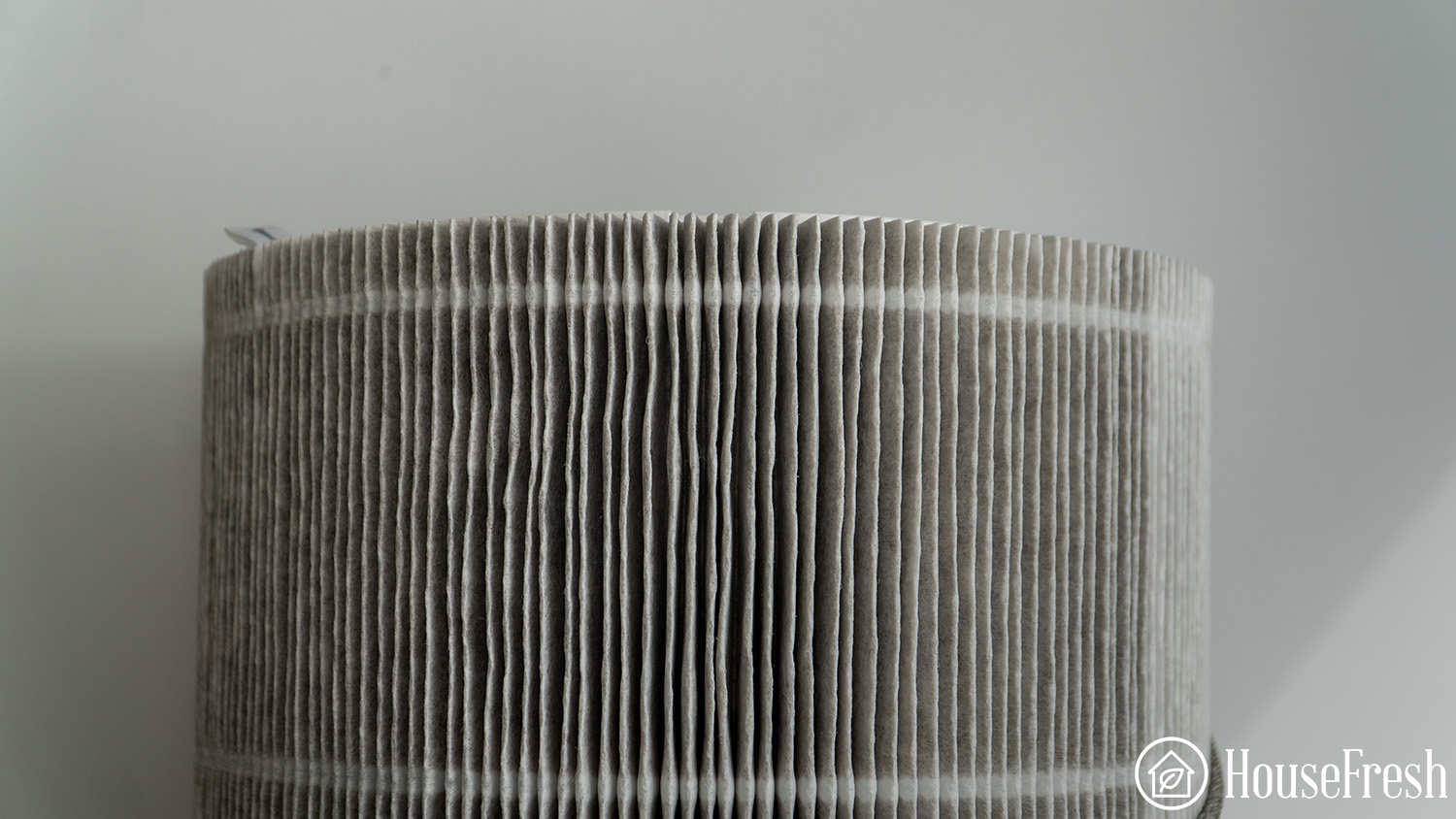
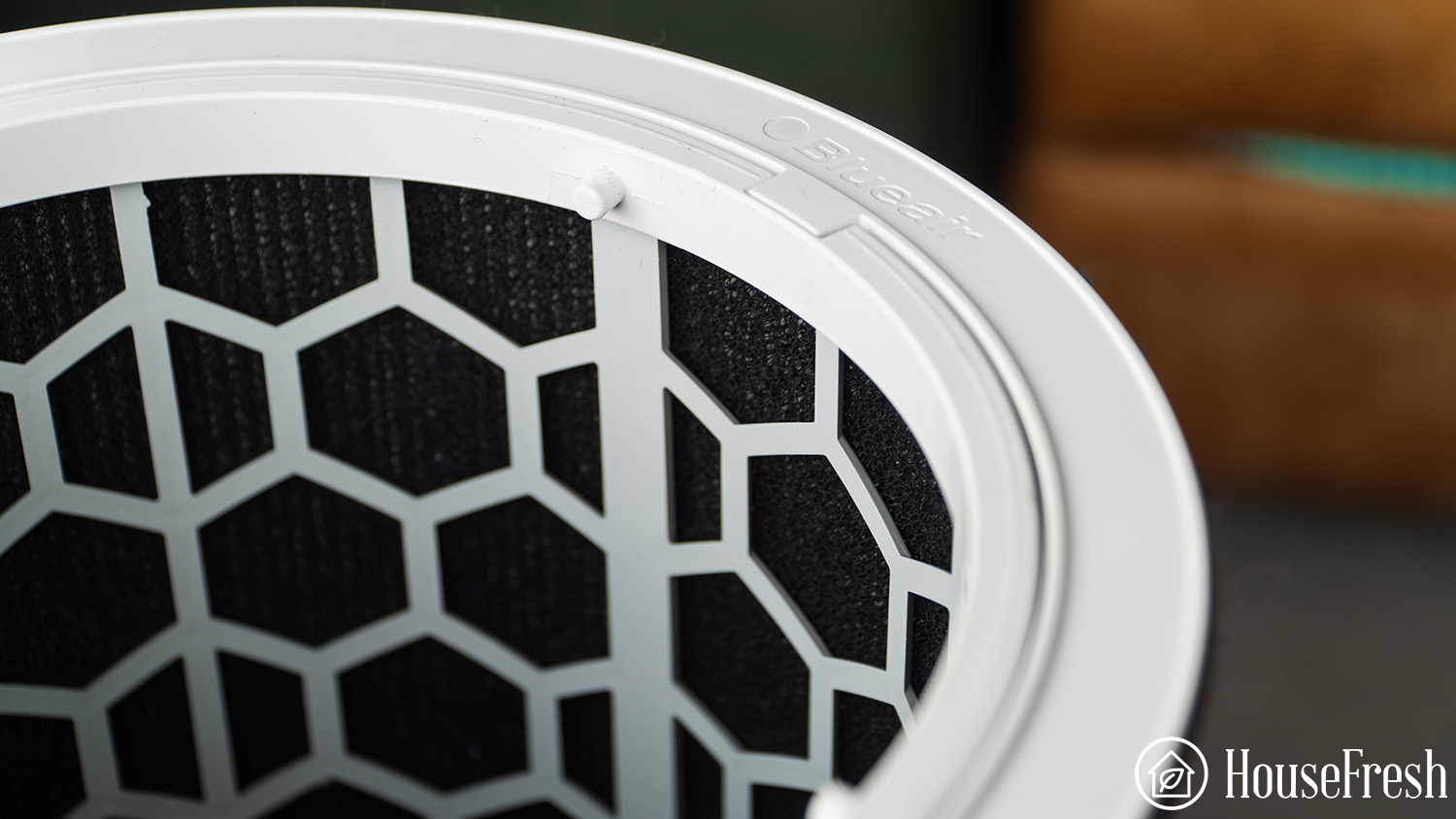
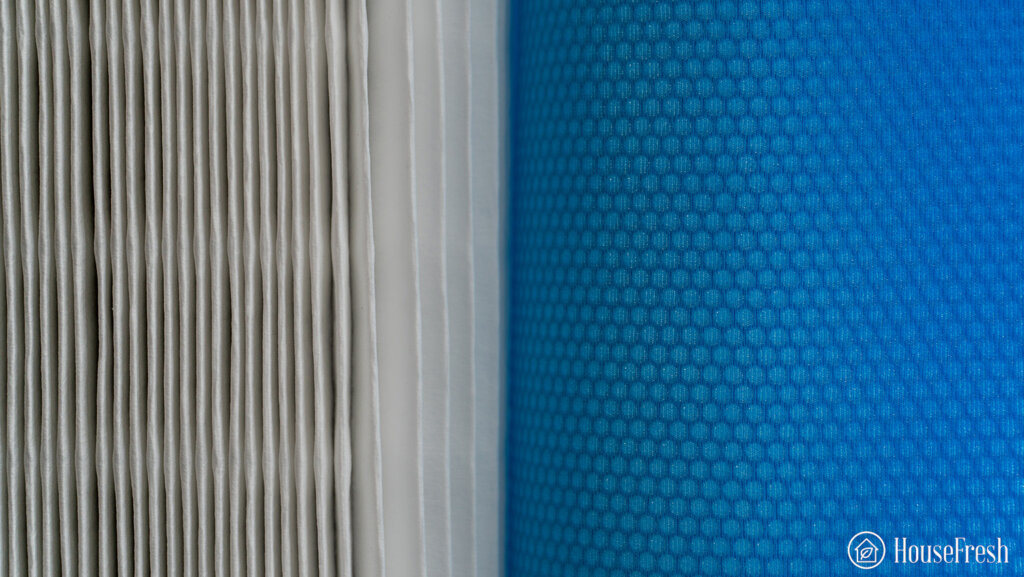
When you twist off the top, it reveals the circular HEPASilentโ„ข filter inside. Not only will the tightly woven maze of fibers trap harmful pollutants trying to pass through, but the 311 Auto also gives particles an electrical charge that makes them adhere to the fibers.
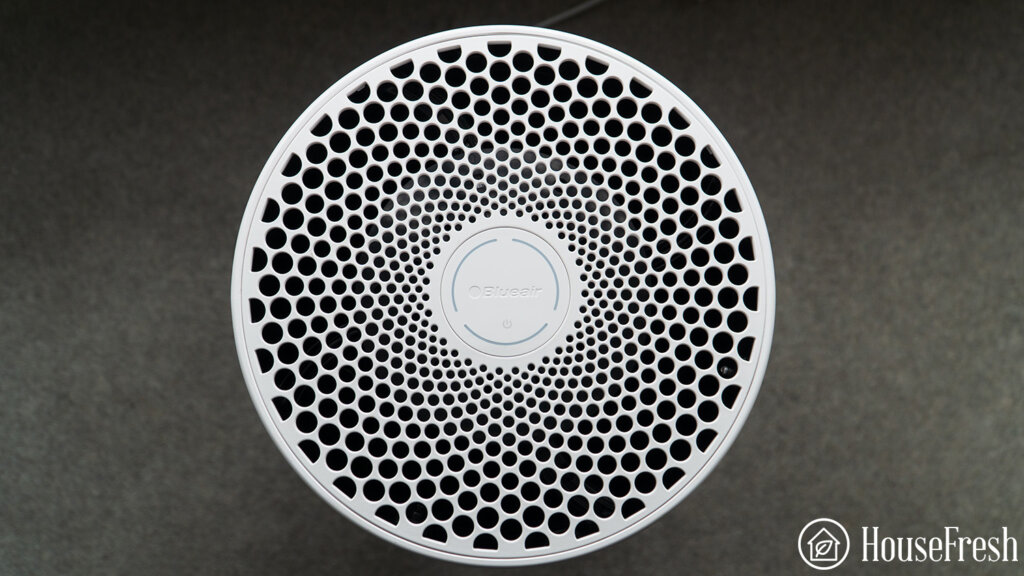
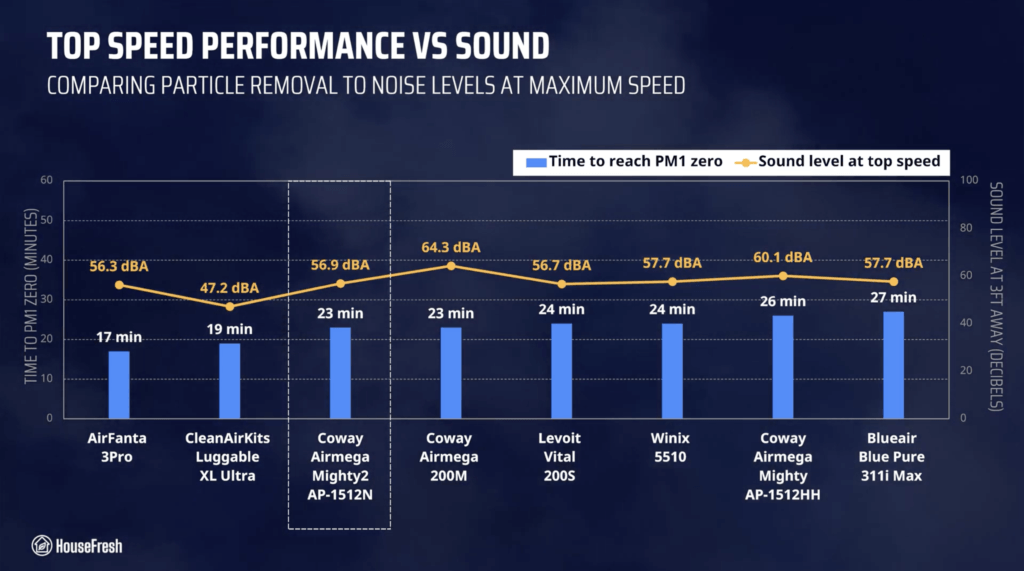
The 311 Auto cleared all the contaminants from our performance testing home lab in just 21 minutes. Thatโ€™s pretty impressive when you compare it to much larger units like Alenโ€™s BreatheSmart 75i (24 minutes) and the Healthpro Plus from IQAir (25 minutes), which is why itโ€™s at the top of our list.

HouseFresh rating:โ˜…โ˜…โ˜…โ˜…โ˜†
Time to clean our 728 cubic feet test room (with the device running at top speed):21 minutes
Air purifier technology:True HEPASilent filter with activated charcoal
Recommended room size (4.8 air changes per hour):388 sq. ft.
Clean air delivery rate (CADR):Dust: 250 CFM
Smoke: 250 CFM
Pollen: 244 CFM
Dimensions (in inches / in cm):20.5H x 10.2W x 10.2D inches (52.1H x 25.9W x 25.9D cm)
Weight (in pounds / in kg):6.8 lbs (3.08 kg)
Filter life:6 months
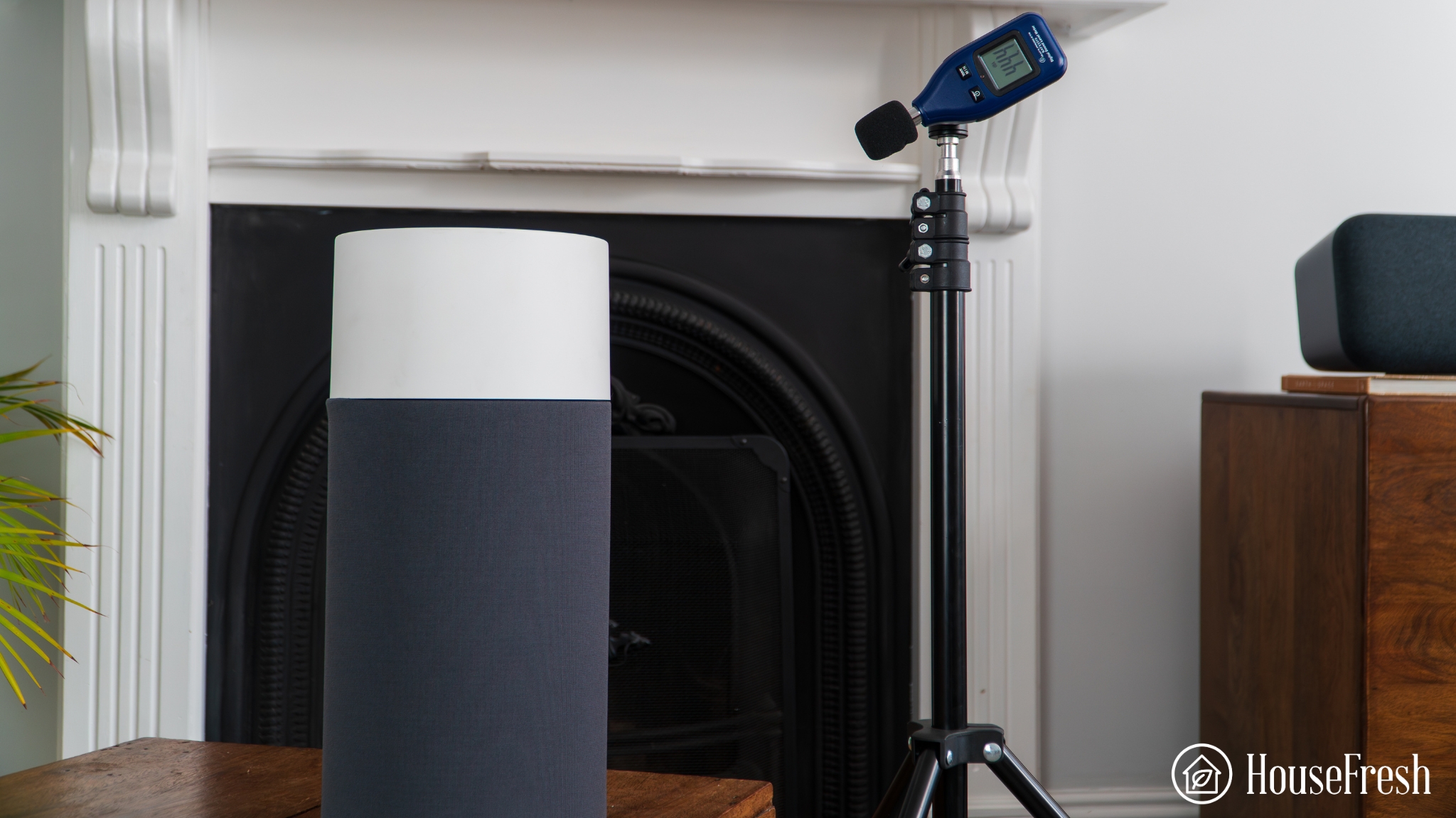
Noise level in decibels (measured from 3 ft. away with a sound level meter):Speed 1: 35.8 dB
Speed 2: 40.2 dB
Speed 3: 59.4 dB
Electricity consumption in watts (recorded with an electricity usage monitor):Standby mode: 0 watts
Speed 1: 2.61 watts
Speed 2: 5.74 watts
Speed 3: 32.01 watts
Estimated running cost (electricity consumption + official filter replacement):$128.79 per year
Cost per CADR cfm (based on dust CFM as reported by AHAM):$0.96
Manufacturerโ€™s warranty:1 year (can be extended to 2 years by creating a Blueair account and registering the unit within 60 days of purchase)
Country of manufacture:Designed and engineered in Sweden, assembled in China

2. Best budget option: Blueair Blue Pure 411+

The 411+ is a serious upgrade on its predecessor, cleaning the air in our home lab 25 minutes faster than the 411. It’s also quiet, energy efficient and good looking.
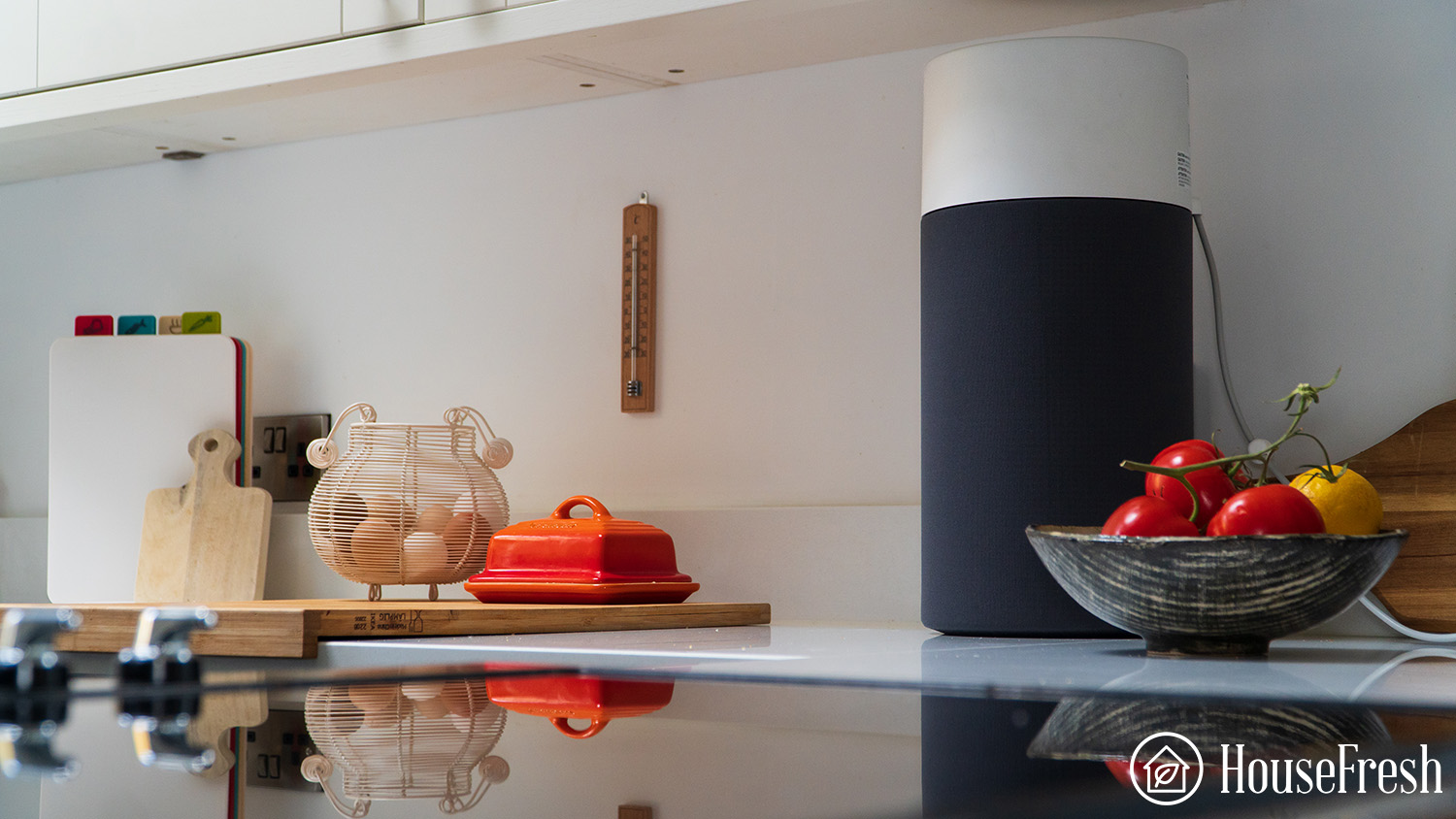
Blueair Blue Pure 411 Kitchen

Your budget is a crucial consideration to have when looking to buy an air purifier. Not only do you have to think about the initial cost, but also the cost of running the unit over time. Luckily, Blueair has the ideal solution with their Blue Pure 411+.

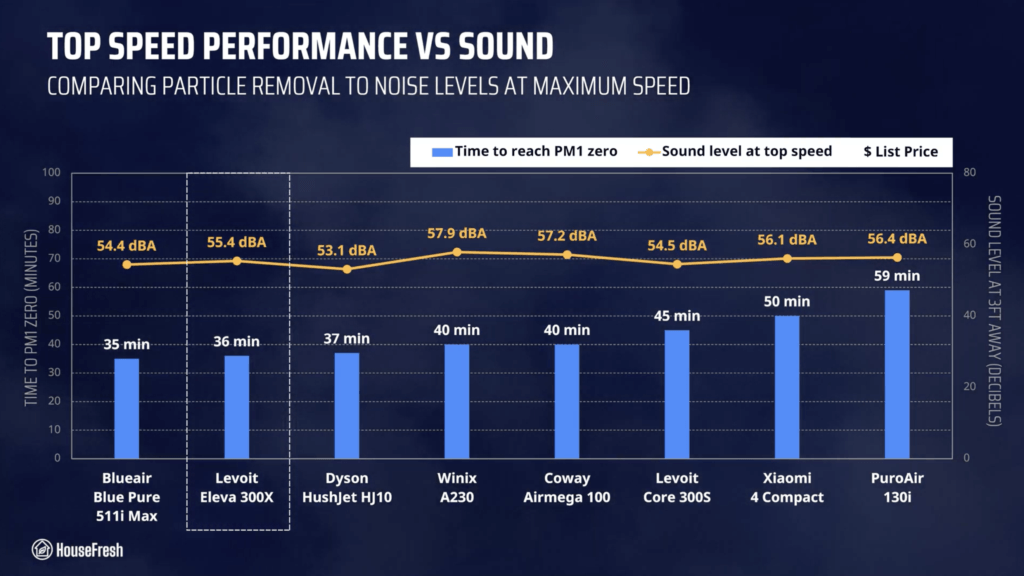
The 411+ is a substantial upgrade on the 411 (Blueairโ€™s former release) with its vastly improved cleaning performance that cleared our room in 43 minutes, a whole 25 minutes faster than its predecessor.

What we really like

Excellent air cleaning performance for $ spent
Low noise โ€” even when running at its top fan speed, the 411+ is one of the quietest air purifiers we have tested
A significant improvement on the previous generation model, the Blueair Blue Pure 411
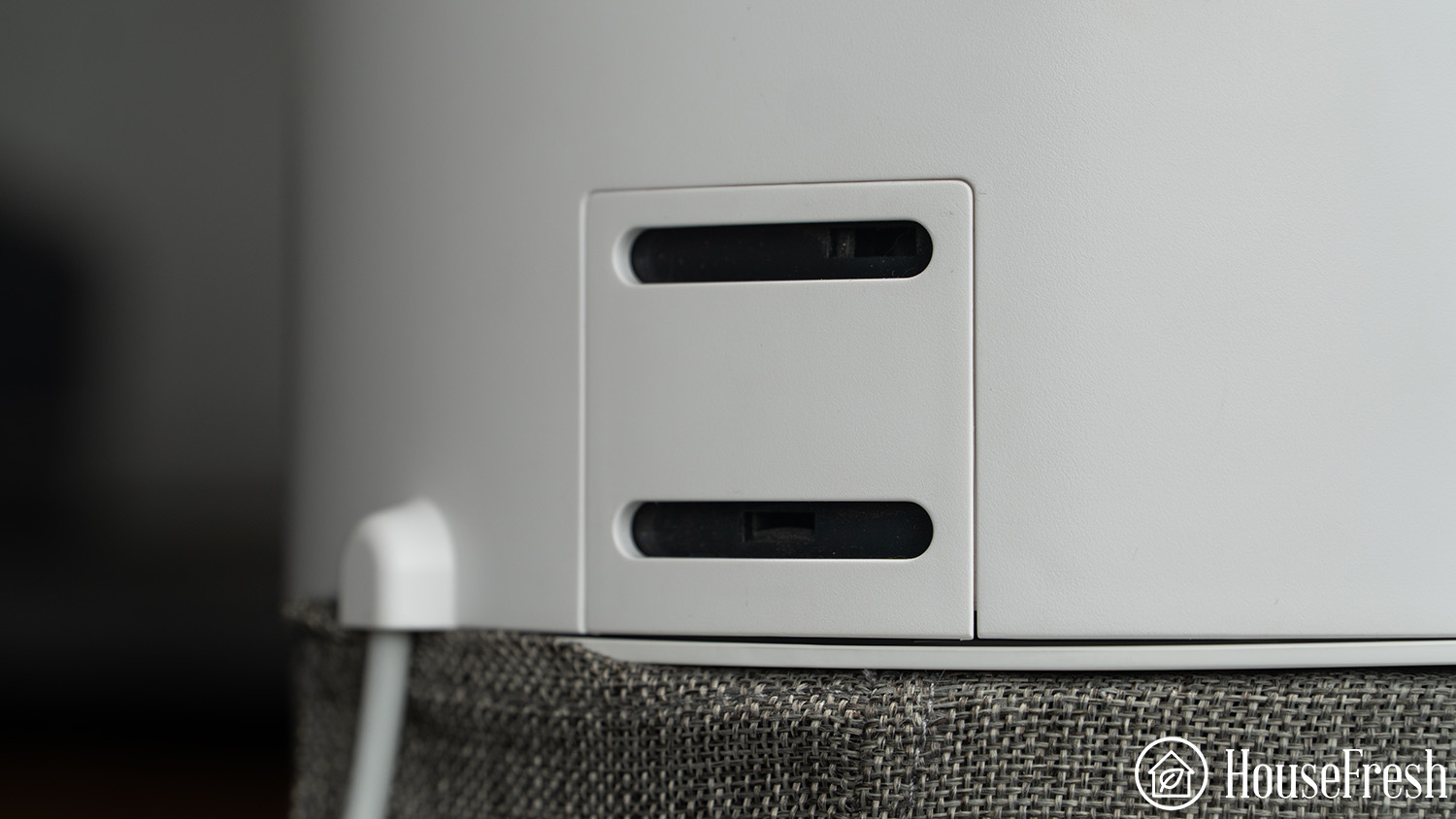
It includes a magnet to keep the wire tidy

What we think could be better

It doesnโ€™t have an auto mode but you can upgrade at a cost
The filter doesnโ€™t contain activated carbon pellets, it is just impregnated carbon fabric โ€” not as good as it could be against smells and VOCs

The size of the 411+ means you can place it on the floor or a tabletop, making it ideal for use in your kitchen, bathroom, bedroom or home office. As with other units in the Blue range, the 411+ has a washable pre-filter available in various colors, so you can choose which looks best with your decor. Another feature of the Blue range is its one-button operation that adjusts the fan speed.
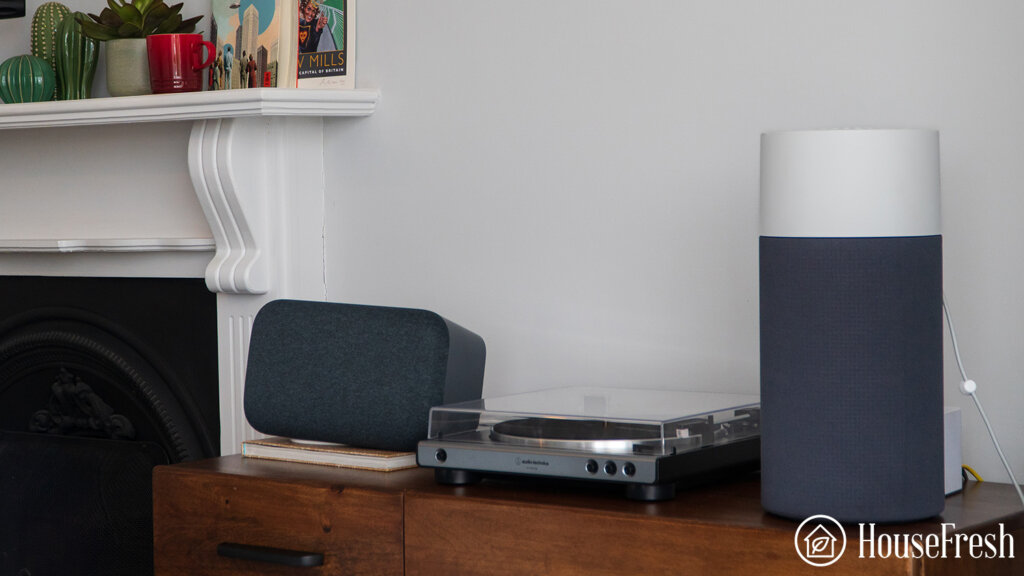
Blueair has included their HEPASmartโ„ข filter (for more info, see FAQs) in the 411+, allowing it to achieve its full CADR of 120 CFM on a mere 10 watts of electricity. This means the fan doesnโ€™t have to work as hard, which is why this air purifier is so quiet.

HouseFresh rating:โ˜…โ˜…โ˜…โ˜…โ˜†
Time to clean our 728 cubic feet test room (with the device running at top speed):43 minutes
Air purifier technology:3-stage True HEPASilent filter with activated charcoal
Recommended room size (4.8 air changes per hour):184 sq. ft.
Clean air delivery rate (CADR):Smoke: 119 CFM
Dust: 121 CFM
Pollen: 131 CFM
Dimensions (in inches / in cm):17H x 7.8W x 7.8D inches (43.18H x 19.812W x 19.812D cm)
Weight (in pounds / in kg):3.4 lbs (1.54 kg)
Filter life:6 months
Noise level in decibels (measured from 3 ft. away with a sound level meter):Speed 1: 35.8 dB
Speed 2: 41.9 dB
Speed 3: 52.3 dB
Electricity consumption in watts (recorded with an electricity usage monitor):Standby mode: 0 watts
Speed 1: 0.4 watts
Speed 2: 2.42 watts
Speed 3: 7.65 watts
Estimated running cost (electricity consumption + official filter replacement):$57.49 per year
Cost per CADR cfm (based on dust CFM as reported by AHAM):$0.60
Manufacturerโ€™s warranty:1 year
Country of manufacture:Designed and engineered in Sweden, assembled in China

3. Best for larger spaces: Blueair Blue Pure 211+

This chic, rectangular air purifier is optimal at eliminating airborne contaminants in rooms around 540 sq. ft., making it the best choice for large rooms or open plan spaces.
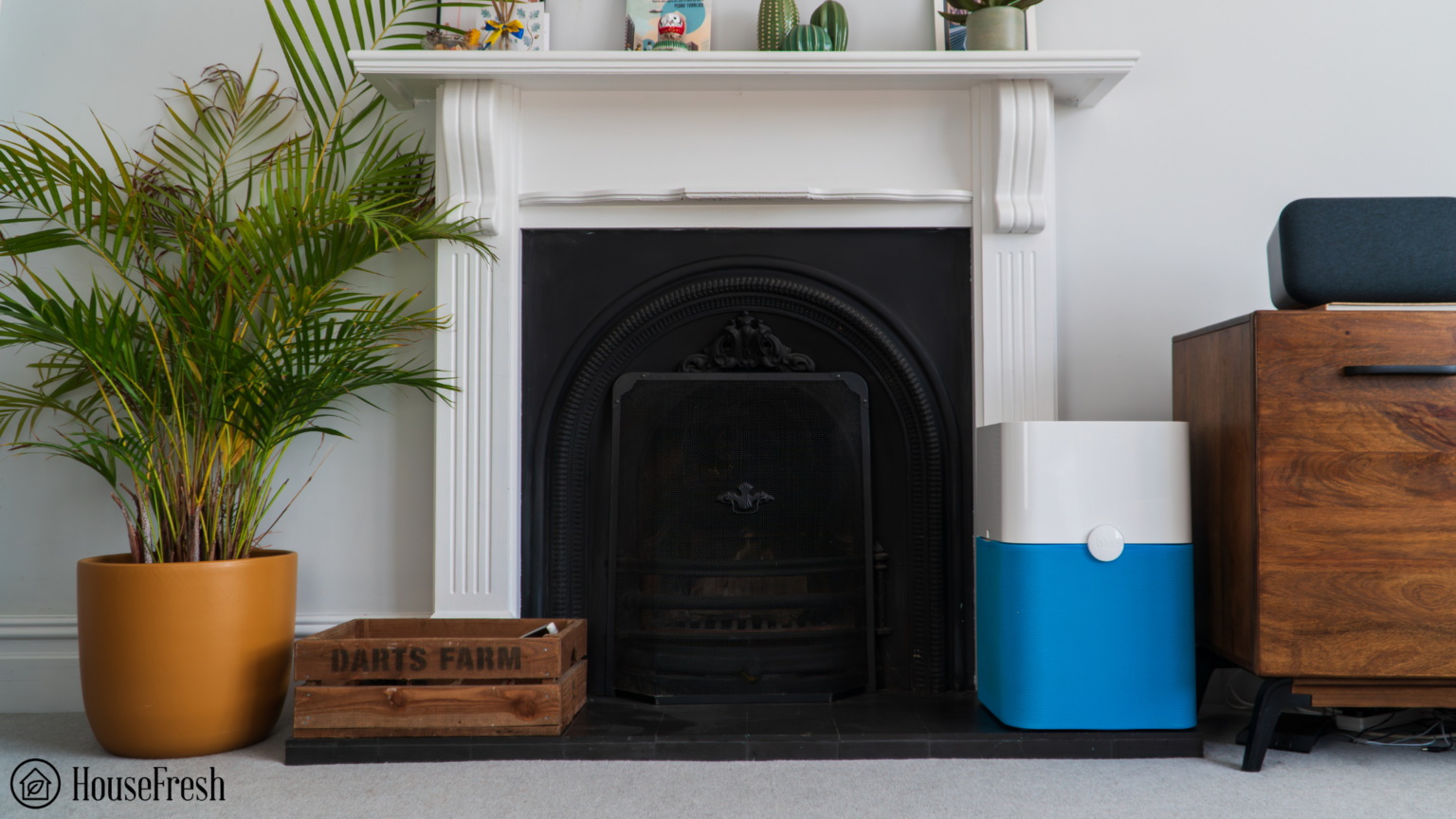
Blueair Blue Pure 211 Front Room

Letโ€™s start with its cleaning power. When we put the 211+ in our performance testing room, it made light work of clearing the pollutants from the air in 18 minutes with its high CADR of 350 CFM (Cubic Feet per Minute), which is only 1 minute longer than the huge Blast Mini air purifier from Smart Air.

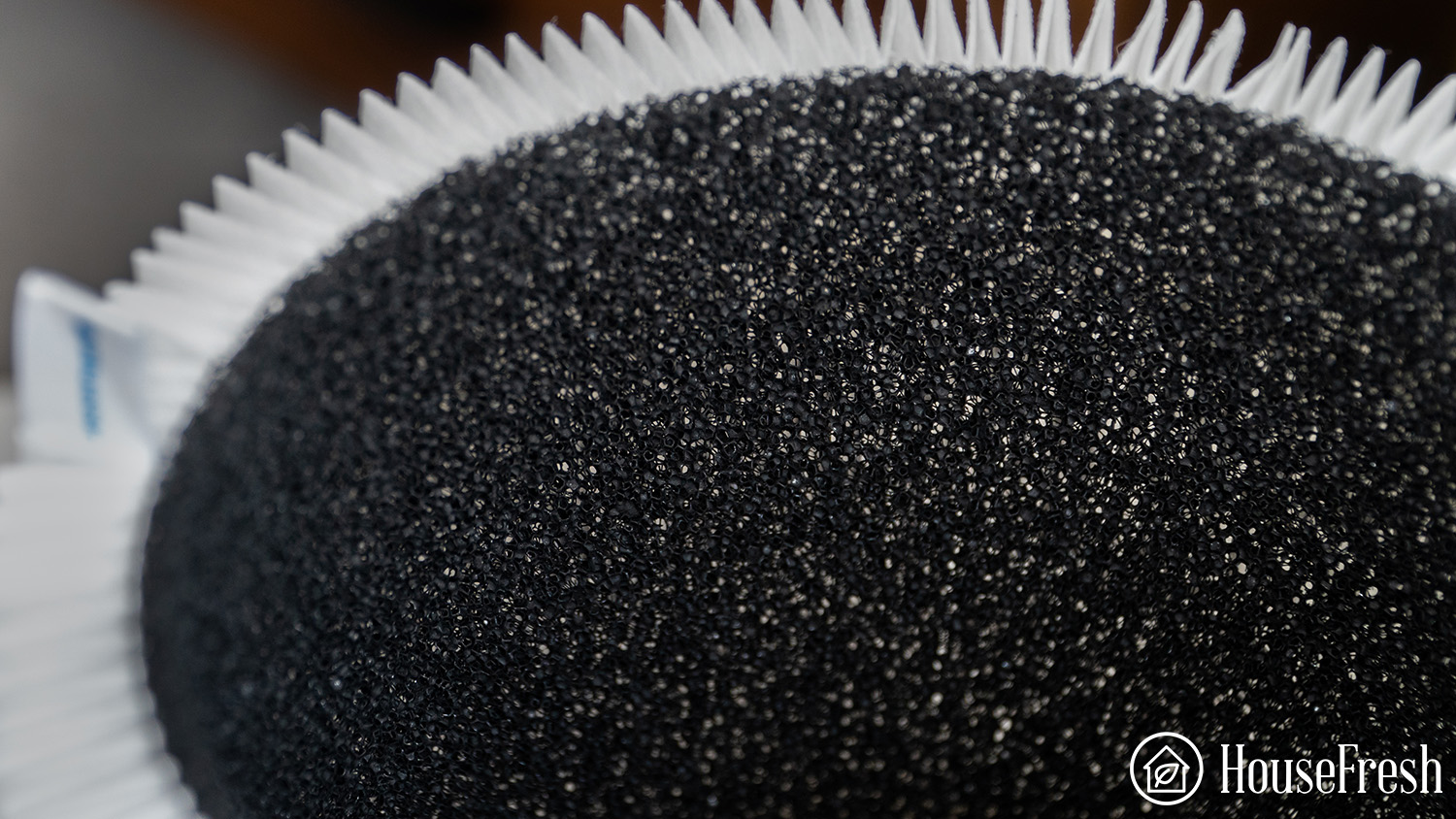
Included is Blueairโ€™s extremely effective HEPASmartโ„ข filter that combines the traditional HEPA technology with an electrostatic charge and a sheet of bonded activated carbon to remove VOCs and tackle odors like cooking smells or that lovely aroma of wet dog.

What we really like

High CADR and performance in our home test lab
Customizable pre-filter selection
One-button operation makes it easy to use
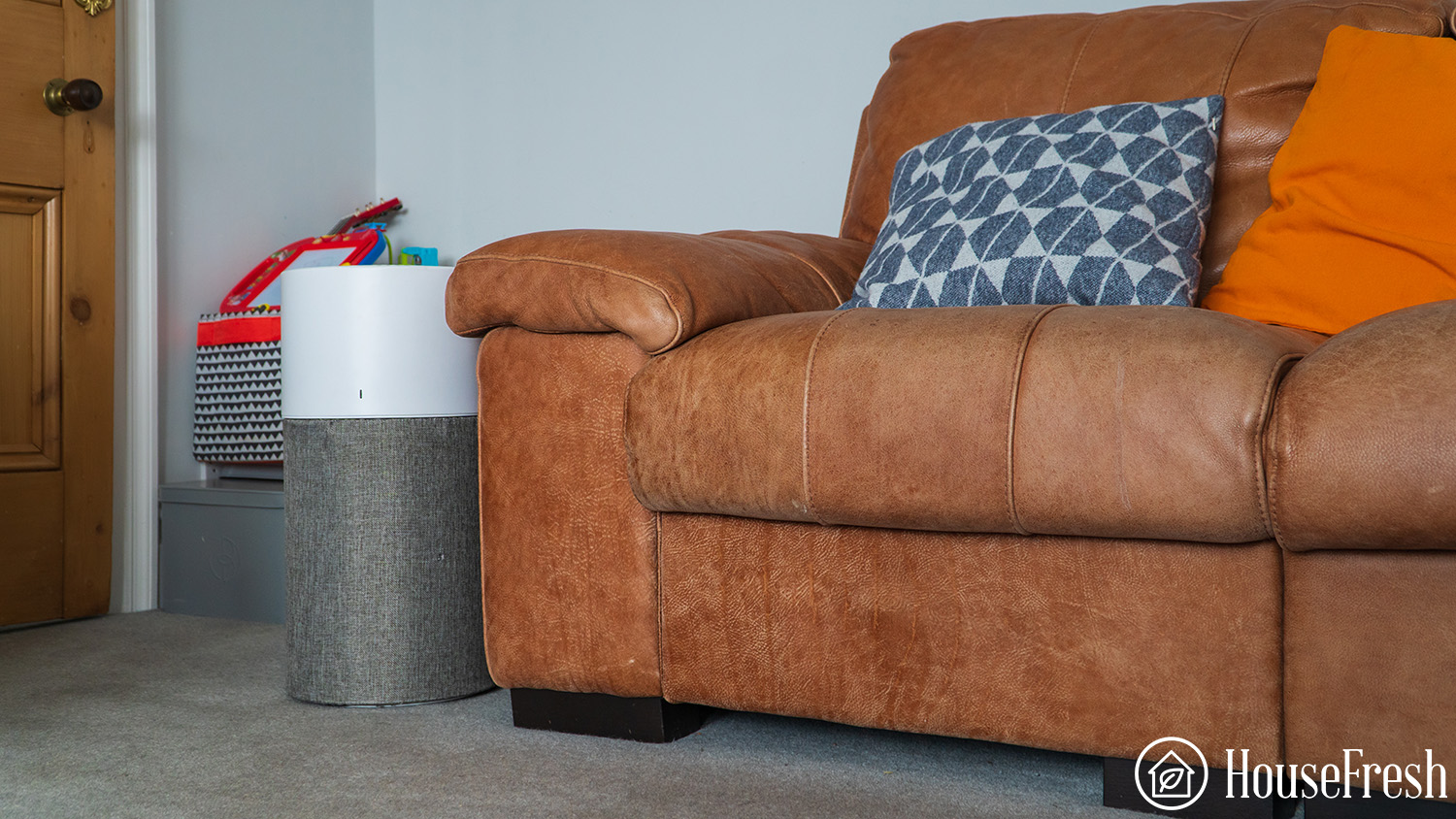
It takes in air from 360 degrees, so it doesn’t matter if you have it against a wall

What we think could be better

After you’ve moved the 211 around your house, you might find that the top falls off when lifted โ€” that’s because the movement detaches it
Lack of activated carbon pellets as it also uses impregnated carbon fabric like the 411+

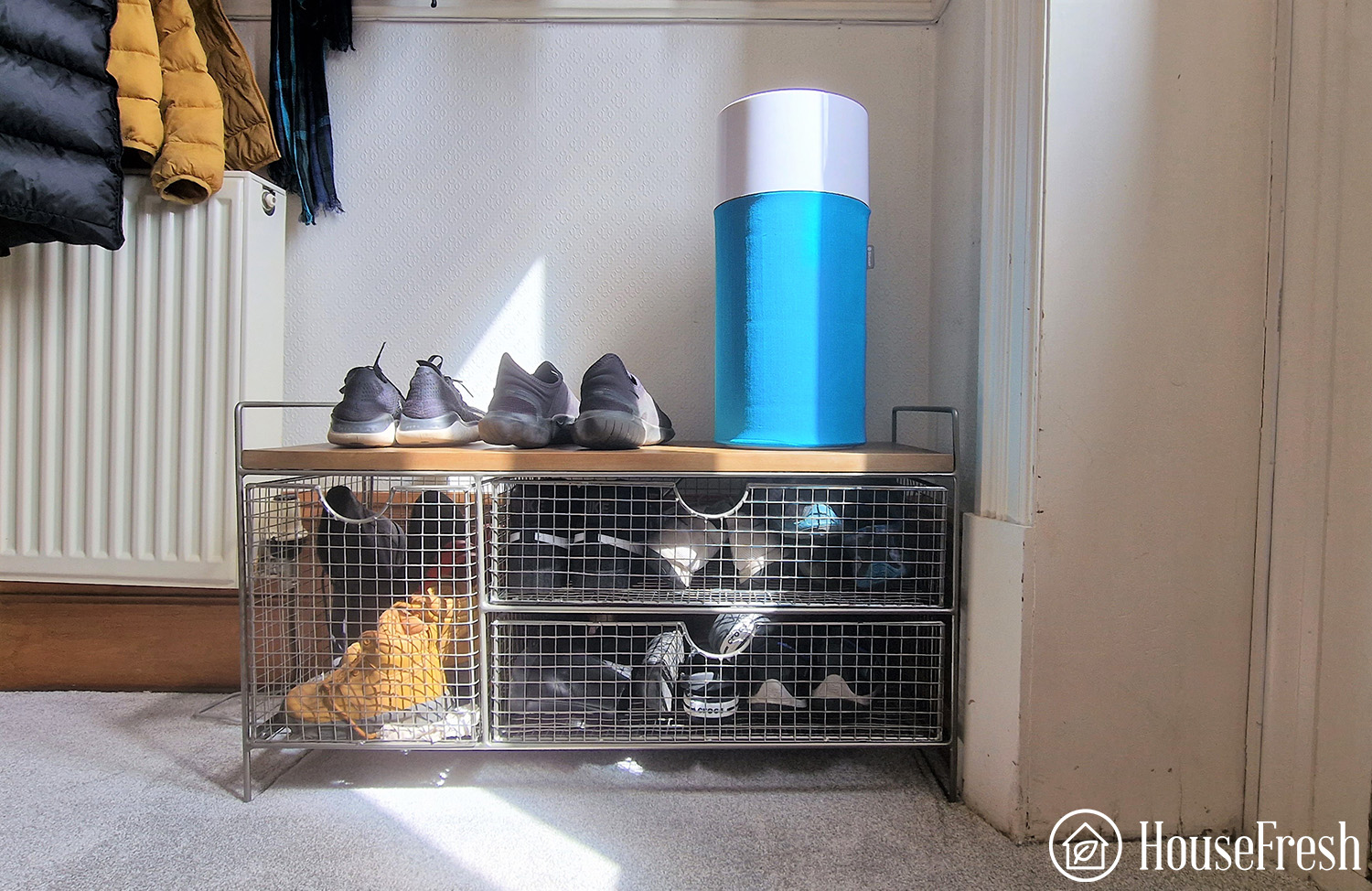
We bought our 211+ in the bold Diva Blue pre-filter, but you can choose which color suits your home: Lunar Rock, Crystal Pink, Dark Shadow or Buff Yellow (my favorite, but I was outvoted).

Another positive feature in Blueair devices is that the filters are super easy to replace; the 211+ is no different. As you can see from my video, it takes less than 25 seconds to remove the old filter and put a new one in.
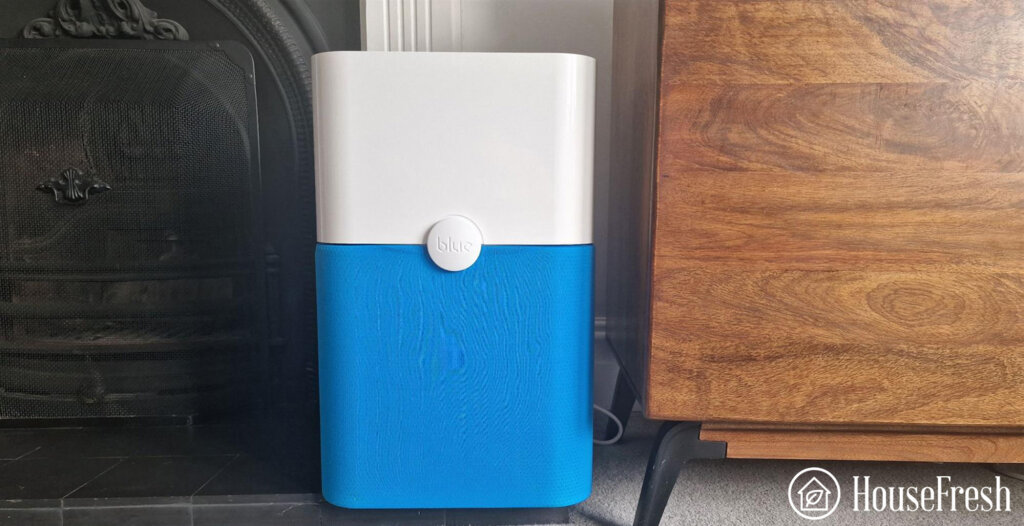
The running costs are higher with this unit compared to the 311 Auto above, but the 211+ is a larger air purifier that requires more energy to run, so factor this into your budget. 

HouseFresh rating:โ˜…โ˜…โ˜…โ˜…โ˜†
Time to clean our 728 cubic feet test room (with the device running at top speed):20 minutes
Air purifier technology:HEPASilentโ„ข Technology and Activated Charcoal Filter + Ionizer technology
Recommended room size (4.8 air changes per hour):540 sq. ft.
Clean air delivery rate (CADR):Dust: 350 CFM
Smoke: 350 CFM
Pollen: 350 CFM
Dimensions (in inches / in cm):20H x 13W x 13D inches (51H x 33W x 33D cm)
Weight (in pounds / in kg):12.98 lbs (5.89 kg)
Filter life:6 โ€“ 8 months
Noise level in decibels (measured from 3 ft. away with a sound level meter):Speed 1: 37.2 dB
Speed 2: 45.8 dB
Speed 3: 55.7 dB
Electricity consumption in watts (recorded with an electricity usage monitor):Standby mode: 0.1 watts
Speed 1: 16.9 watts
Speed 2: 40.5 watts
Speed 3: 54.5 watts
Estimated running cost (electricity consumption + official filter replacement):$197.27 per year
Cost per CADR cfm (based on dust CFM as reported by AHAM):$0.71
Manufacturerโ€™s warranty:1 year
Country of manufacture:Designed and engineered in Sweden, assembled in China

4. Best air purifier + fan combo: Blueair Pure Fan Auto

The best air purifier and fan combo in our tests, the Pure Fan Auto cleared the air in our home lab 45 minutes faster than the fastest Dyson combo unit we’ve tested.

Blueair Pure Fan Auto Hallway

So, you need an air purifier to clean your air and a fan to keep you cool, but donโ€™t want to pay for two separate devices? Well, the Pure Fan Auto is Blueairโ€™s introduction into the combo market and they havenโ€™t skimped out on cleaning prowess.

The Pure Fan Auto may be a short, boxy unit, but it towers over the rest of the competition in the fan/purifier combo market, including the two units we own from Dyson, the PH03 and the HP04, both of which cost significantly more to buy.

What we really like

It offers a powerful air cleaning performance, considering itโ€™s also a fan
The design is super cool and portable โ€” it will fit any room in your house and not look out of place
It comes with the always handy auto-mode
It is a lot smaller than other combo units with similar cleaning power

What we think could be better

It doesnโ€™t contain any activated carbon so wonโ€™t be able to deal with any odors or gasses
The fan is not as effective as the Dyson combo units

In our performance testing room, the Pure Fan Auto cleared all the airborne pollutants we created in 26 minutes, while the PH03 took 70 minutes and the HP04 had a staggering time of 84 minutes.

This performance is attributed to a combination of the powerful motor inside the Pure Fan Auto and its thick HEPASilentโ„ข filter. This filter is hugely efficient at trapping and removing microscopic particles that can harm your and your family’s health.

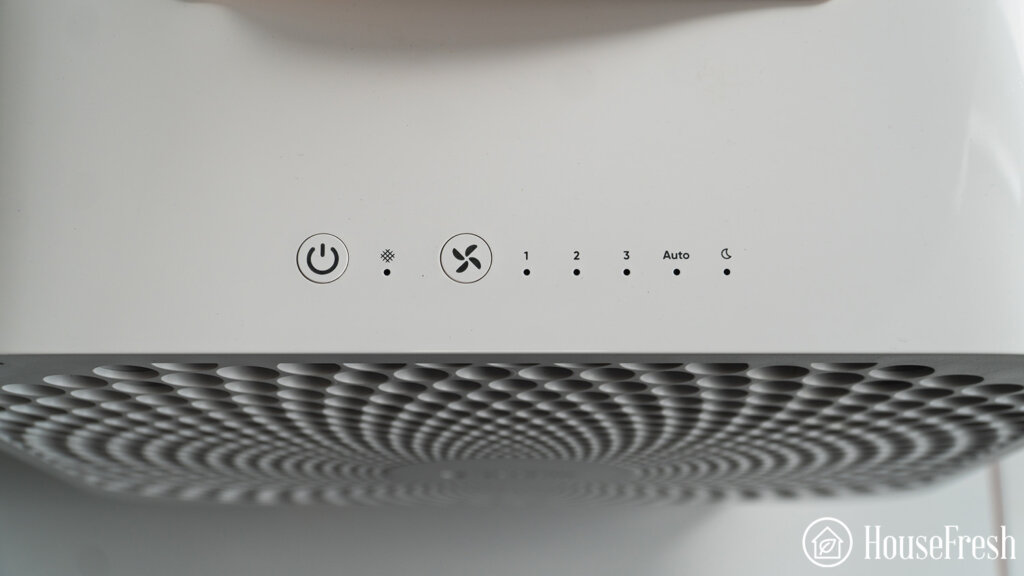
Blueair has included some cool extra features on this unit with a sleep mode that brings the fan down to its quietest fan speed and turns off all of the display lights and an auto mode that reacts to your air quality using a sensor and adjusts the fan accordingly.
If youโ€™re looking for a highly efficient air purifier/fan combo with excellent performance and a stylish design, you should seriously consider the Pure Fan Auto. 

HouseFresh rating:โ˜…โ˜…โ˜…โ˜…โ˜†
Time to clean our 728 cubic feet test room (with the device running at top speed):26 minutes
Air purifier technology:HEPASilentโ„ข filtration technology
Recommended room size (4.8 air changes per hour):326 sq. ft.
Clean air delivery rate (CADR):Dust: 220 CFM
Smoke: 210 CFM
Pollen: 250 CFM
Dimensions (in inches / in cm):15.5 x 12.9 x 11.2 inches (39 x 33 x 29cm)
Weight (in pounds / in kg):11.6lbs (5.26kg)
Filter life:6 months
Noise level in decibels (measured from 3 ft. away with a sound level meter):Speed 1: 37.8 dB
Speed 2: 47.9 dB
Speed 3: 59.6 dB
Electricity consumption in watts (recorded with an electricity usage monitor):Standby mode: 0 watts
Speed 1: 3.16 watts
Speed 2: 12.17 watts
Speed 3: 40.9 watts
Estimated running cost (electricity consumption + official filter replacement):$89.84 per year
Cost per CADR cfm (based on dust CFM as reported by AHAM):$1.21
Manufacturerโ€™s warranty:2-year warranty when you register your air purifier
Country of manufacture:Designed and engineered in Sweden, assembled in China

What to look for when buying a Blueair air purifier

According to the World Health Organization, in 2020, an estimated 3.2 million deaths were attributed to household air pollution. Itโ€™s not just your mortality compromised by indoor contaminants, as exposure can lead to strokes, heart disease and respiratory diseases.

Air purifiers are the ideal solution for removing pollutants from the air in your home. Whether you want to avoid what Iโ€™ve mentioned above, suffer from allergies, have issues with traffic pollution or wildfire smoke, or even just want to keep litterbox odors at bay, thereโ€™s an air purifier that is right for the job.

Unfortunately, not all air purifiers are created equal, so itโ€™s important you look for the right unit that matches your space and suits your needs. Here are a few things to consider when buying a Blueair air purifier.
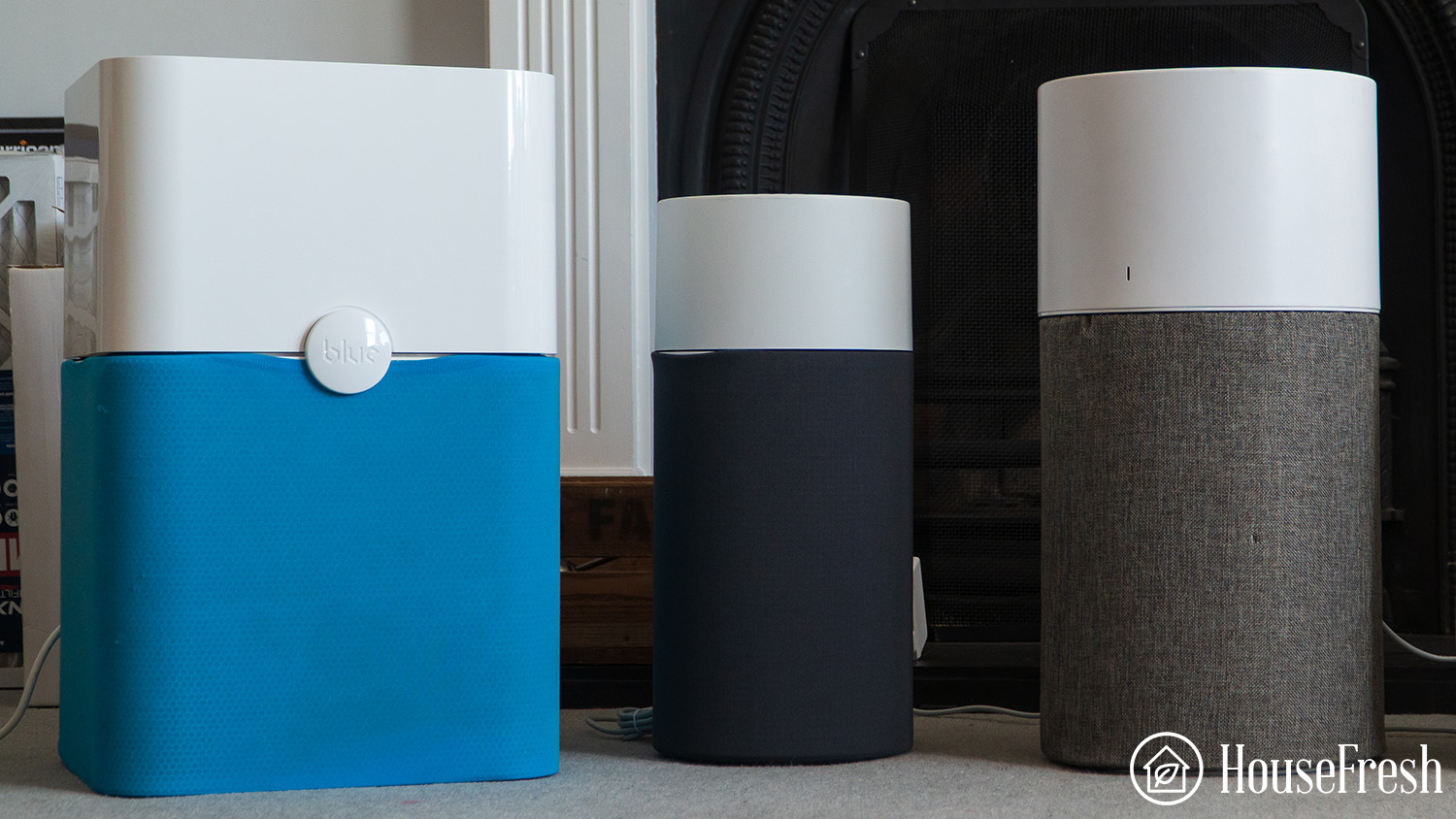
Comparison Photo Blueair Blue Pure 211 VS 411 VS 311

1. The size of your room

Different Blueair air purifiers are engineered to work in different-sized spaces, so measuring your room beforehand is particularly important. If you buy an air purifier thatโ€™s too small, it wonโ€™t be effective, yet buying one thatโ€™s too big will be a waste of money and energy.

You can use our CADR calculator to find out how much CADR you need to thoroughly clean the air in your room:

2. The desired functionalities

Modern air purifiers can come with a multitude of extra features, from simple timers to wireless phone chargers. Some of Blueairโ€™s units come with an auto mode where air purifier sensors measure the air quality and adjust the fan accordingly without you needing to touch anything. 

If this is something you need/want, look for a Blueair unit that has โ€œautoโ€ in the title. 

The latest models of the Blue Pure range are called Max. Some have an โ€˜iโ€™ at the end, which indicates they have an onboard air quality sensor and app support. But be aware that all these extra features (such as auto and smart modes) come at an extra cost.

3. The long term running costs

When calculating your budget, itโ€™s not just the unit’s initial cost you need to consider. Air purifiers need electricity to run, which costs money. Different Blueair units need different amounts of energy to run; thatโ€™s why we calculate the average annual cost per unit and put it on our โ€˜Specs & Featuresโ€™ table.

Another additional cost to consider is replacing the filter in your air purifier. HEPA filters are the most effective way of removing particles from the air, but they have a shelf life. Once they become full of pollutants, they will no longer be effective.

Check out the โ€˜Specs & Featuresโ€™ table to see how long the filter in each unit lasts so that you can factor this into your budget.

Common questions about Blueair

Blueair has pioneered this โ€œgeniusโ€ technology in order to get maximum effectiveness from a HEPA filter with less sound coming from the air purifierโ€™s fan (the noise comes from the fan working at top speed). 

This is done by combining an electrostatic charge with the traditional HEPA filter. The electrostatic charge makes particles stick to the maze of fibers in the HEPA-like magnets, so they have more chance of becoming trapped, removing them from the air.  

Both Blueair and Levoit are known worldwide for their high-performance air purifiers. After our indepth performance tests and reviews, the team at HouseFresh regulary reccomend the Levoit range over the Blueair models. The main reason is that HEPASilentโ„ข  uses an ionizer that you canโ€™t disable and potentially could bring chemical byproducts into your airspace. Blueair units are CARB certified but none of their Blue Pure range apart from the Pure Fan Auto have 0 levels of ozone. 

As we test all of the air purifiers we review, we can compare them side-by-side. We pit the Levoit Core 600S VS Blueair Blue Pure 211+ in a battle royal to see which of these two cleaning giants comes out on top. Click the link to see which comes out on top.

HEPA filters work by trapping particles from the air when it passes through. As the particles donโ€™t go anywhere, over time, the filter becomes full, restricts airflow and eventually becomes ineffective. At this point, itโ€™s time to replace your filter with a new one so that you can continue to trap harmful contaminants from the air in your home. 

Tip

All of the Blueair air purifiers Iโ€™ve recommended in this guide come with washable fabric pre-filters. By removing and cleaning your pre-filter, you will prolong the life of the HEPA filter.

Wrapping up

If itโ€™s a Blueair air purifier youโ€™re looking for, youโ€™ve come to the right place. These recommendations have been made because of their cleaning power, filtration efficiency, price point and ease of use.

Follow our suggestions on what to look for in a Blueair unit, make certain considerations concerning room size, budget and functionality and read our โ€˜Specs & Featuresโ€™ tables for each product to find the right air purifier for your home.

Alen BreatheSmart Flex VS 45i

Alen BreatheSmart

Alen are known worldwide for their range of air purifiers. This Austin-based company has been engineering and innovating since 1999, so they have a wealth of knowledge behind them. Their mission is to ” improve the quality of peopleโ€™s livesโ€ with their products; their vision is to โ€œinspire a healthier life and provide peace of mindโ€ for their customers.

Known for their simple yet elegant designs and heavy-duty filters, Alen air purifiers are extremely popular and trusted throughout the world. Thatโ€™s why we wanted to get our hands on a few of their products to test and review.

First, we bought the BretheSmart 75i, which showed us how powerful Alen units can be. We then chose the BreatheSmart 45i, which was, again, very impressive. So we had to check the BreatheSmart Flex to see if Alen could keep up this streak (spoiler alertโ€ฆit did).

As the 45i and Flex were so similar in size, we wanted to pit them against each other. This guide compares their test results, specifications, design, controls, filters, performance, sound and running costs to see which unit best suits your needs and budget.

how we test
How we test air purifiers

Read our full testing methodology.

TL;DR Which unit wins overall? 

Danny Ashton HouseFresh
“The Alen Flex is best for most people and is a one of our favorite air purifiers for a medium sized space and allows for choice of filters and has Alen’s lifetime warranty for the lowest possible price. Yet I still run a Alen 45i in my office as I appreciate the auto-mode but it comes at a price bump that you should be aware of.โ€
โ€” Danny Ashton, HouseFresh Founder & Senior Writer
Alen BreatheSmart Flex VS Alen BeatheSmart 45i

Donโ€™t want to read the full article? Donโ€™t worry; Iโ€™ll condense it.

The pros and cons compared

BreatheSmart 45iBreatheSmart Flex

Alen BreatheSmart 45i Fireplace

Alen BreatheSmart
What we really like

๐Ÿ‘ App connectivity
๐Ÿ‘ Ionizer is optional
๐Ÿ‘ Very quiet at low fan speeds
๐Ÿ‘ Has an auto mode
What we really like

๐Ÿ‘ Lower price than the 45i with similar CADR
๐Ÿ‘ Energy efficient
๐Ÿ‘ Four filters to choose from
๐Ÿ‘ Lifetime warranty
What we think could be better

๐Ÿ‘Ž Looks plain
๐Ÿ‘Ž Not as energy efficient as the flex
๐Ÿ‘Ž Cheapest filter option doesnโ€™t have activated carbon
What we think could be better

๐Ÿ‘Ž No auto mode or app support
๐Ÿ‘Ž Higher filter costs than some other brands
๐Ÿ‘Ž Control panel is a little basic

The specifications compared side-by-side

When it comes to specs, the 45i is the winner as itโ€™s lighter, quieter and, due to its higher CADR, tackles pollutants in larger rooms than the Flex.

When we compare two units side-by-side, we first look at their cleaning power. This is called CADR (Clean Air Delivery Rate) and is measured in CFM (Cubic Feet per Minute) to show us how effective an air purifier is at its job.

Alen BreatheSmart 45i Front

The 45i boasts a higher CADR at 245 CFM whilst the Flex falls slightly behind at 225 CFM. But, when we put these two units through our performance tests, that extra 20 CFM only translated to one-minute difference to clean the contaminants from our room. 

It may win on paper, but the price difference between the 45i and the Flex is around $70 for that extra minute of cleaning performance.

Tip

Want to know more? Check out our full guide on What Is CADR Rating?

BreatheSmart 45iBreatheSmart Flex
HouseFresh Rating:โ˜…โ˜…โ˜…โ˜…โ˜†โ˜…โ˜…โ˜…โ˜…โ˜†
Time to clean our test room:33 minutes34 minutes
Air purifier technology:True HEPA H13 filters with activated carbon pellets + Ionizer technologyH13 HEPA with an option for activated charcoal pellets
Recommended room size:Up to 800 sq. ft. Up to 700 sq ft
Clean air delivery rate (CADR):245 CFM225 CFM 
Dimensions (in inches / in cm):25H x 15W x 8.5D inches inches (63.58H x 38.1W x 21.5D cm)25H x 15W x 8.5D inches (63.5 x 38.1 x 21.59 cm)
Weight (in pounds / in kg):9.1 kg (20.1 lbs)15 lbs (6.8 kg)
Filter life:12 months12 months
Noise level (low โ€“ high):23dB – 49dB25 – 50dB
Estimated energy consumption:$52.56 per year$25.23 per year 

The design elements compared

When it comes to the design aesthetics, itโ€™s a draw as these two both look virtually identical.

The technology inside these two units may differ, but looking at them side-by-side, youโ€™ll see they are practically exactly the same. It’s too close to call a winner.

Alen BreatheSmart Flex VS Alen BeatheSmart 45i

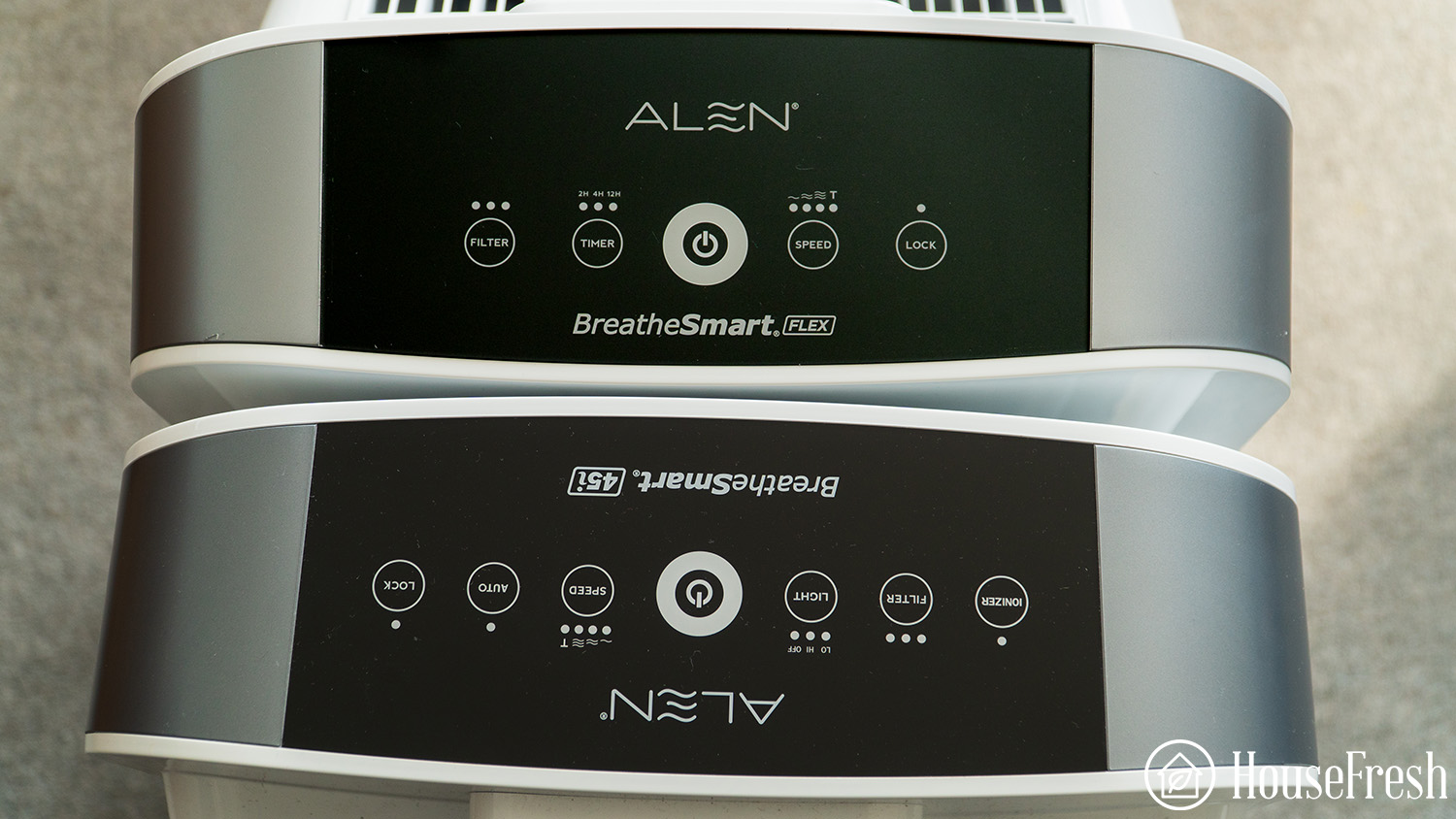
The subtle differences lay in the grill at the top of the unit, where the 45i has bigger square holes than the Flex and the control panel (which weโ€™ll go into later) and the 45i sits a little higher on its stand. 

The 45i is lighter, so it is easier to move, but they both feature a flat, removable front panel held on with magnets, curved edges and measure up the same size. To the untrained eye, you would never be able to tell the difference.

Alen BreatheSmart Flex VS 45i

Ease of use and control panel compared

Regarding the control panel, the winner has to be the 45i thanks to its extra features, including an auto mode, ionizer and display brightness control.

Comparing the Alen Flex VS Alen 45i

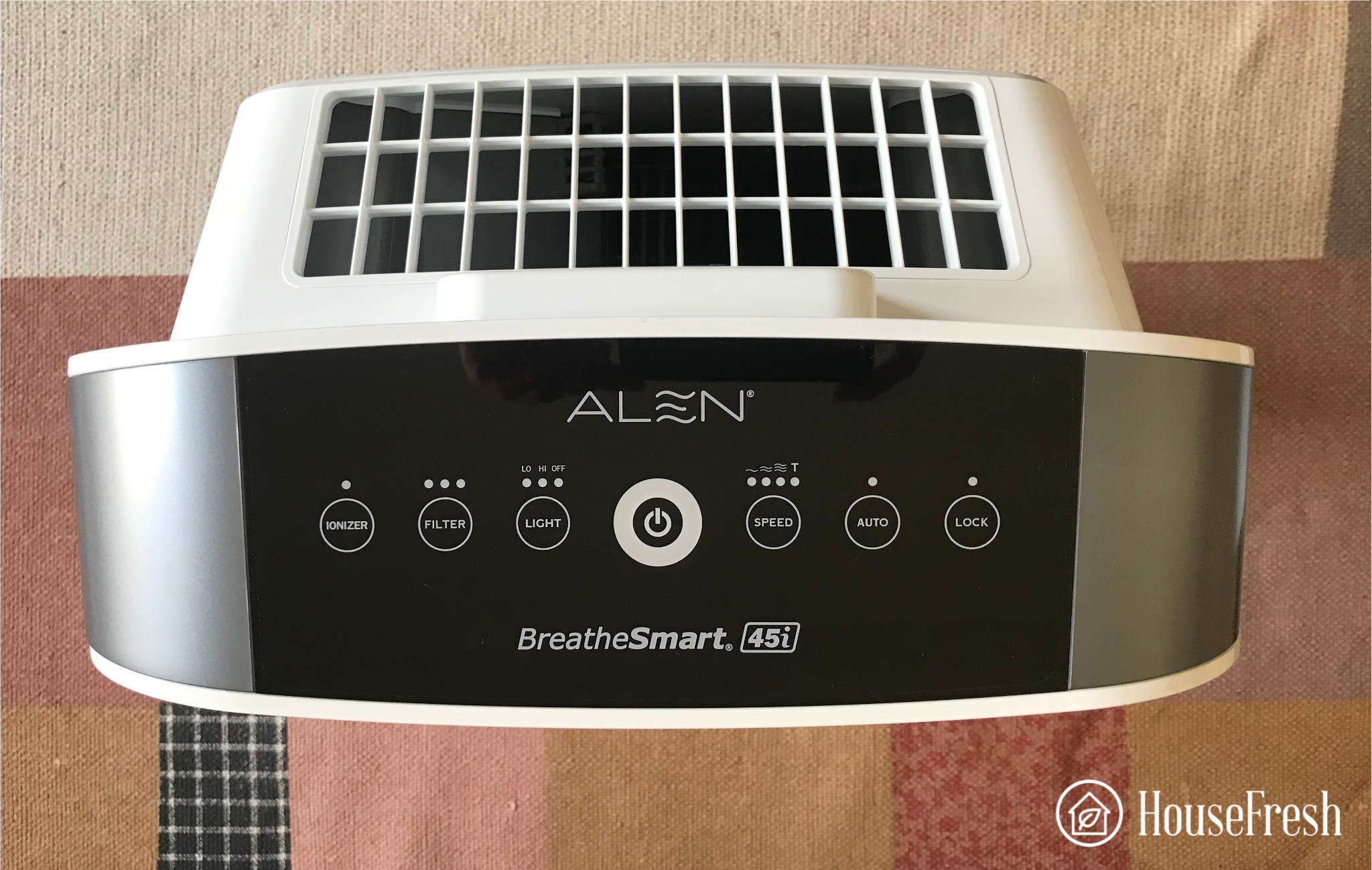
They may be identical from the front, but when you look from above, youโ€™ll see the differences on the control panel. Letโ€™s start with our winner, the 45i.

Seven touch-sensitive round buttons are placed along the black glossy top of the 45i to adjust its settings.

  • Ionizer releases electrically charged particles into the air that cling to pollutants and force them to the ground
  • Filter indicator with three lights (green, yellow, red) to warn you when the filter needs to be replaced
  • Light adjusts the brightness of the display between low, high and off
  • Power button in the center to turn the unit on and off
  • Speed switches between its four fan speeds (with the highest being Turbo speed)
  • Auto engages auto mode, where the unit uses data from its air quality sensor to adjust the fan speed according to the amount of pollutants in the air.
  • Lock allows you to disable the control panel after pressing and holding it for three seconds 

Sometimes, youโ€™ll find that air purifiers with touch-sensitive controls are lacking on the โ€œsensitiveโ€ part, making them hard to operate. This isnโ€™t the case with Alen air purifiers. From the units weโ€™ve reviewed, we found the controls very easy to press, and little force is needed to activate them.

The display is bright enough to be seen in daytime but not so bright that itโ€™s distracting, and the addition of a brightness control and the option to turn them off completely makes it even better.

Weโ€™re still not sold on ionizer technology, but the fact you can leave it turned off is better than it running constantly.

Alen BreatheSmart 45i Control Panel

Both units come with an AQI (Air Quality Indicator) color wheel in the center of the control panel. Using data provided by the air purifier sensors, this light displays the air quality in your room using five colors. 

ColorAir Quality
PurpleVery poor
RedPoor
OrangeAverage
GreenGood
BlueVery good

The biggest difference between the features on the 45i and Flex is that the 45i comes with an auto mode. This uses the same air quality information from its sensor to adjunct the fan to suit the amount of pollutants in the air.

Alen BreatheSmart Flex Controls Alen BreatheSmart Flex VS Alen BeatheSmart

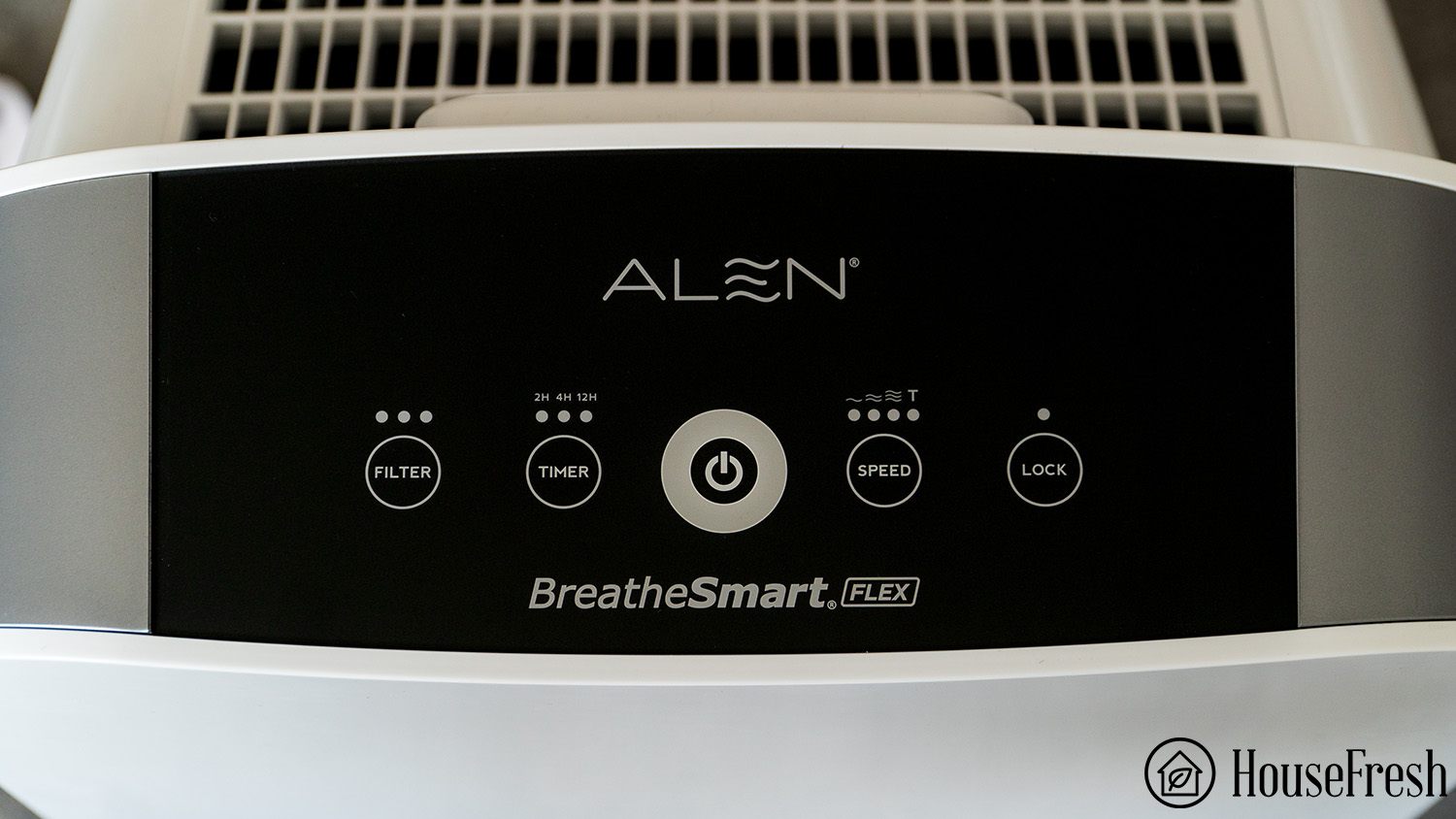
The Flex only has five buttons on its control panel: Filter, Timer, Power, Speed and Lock. The lack of auto mode is a detractor for me (you may not need one), but the addition of a timer is nice.

For all you tech heads out there, Alen has developed their own BreatheSmart smartphone app that connects to your unit through Wi-Fi or Bluetooth. Once connected, the app allows you to monitor the air quality in your room and control the unit settings from anywhere in the world.

The app is easy to navigate and control, and it looks great. Plus, you can add/monitor/control more than one BreatheSmart air purifier if you have them in multiple rooms. The app is available for iPhone and Android devices.

Air filtration technology compared

In terms of filtration technology, we face another draw: both units use the same filter technology.

Through our performance testing, we were impressed with all the filters from the Alen products we reviewed. Alen shows they mean business by only including heavy-duty, thick H13 (medical grade) HEPA filters with activated carbon pellets in their units.

Alen BreatheSmart Flex Pre Filter

As the 45i and Flex are the same size, Alen decided they could use the same filters for both. So thatโ€™s exactly what they did.

What differentiates these two air purifiers from many other models is that you can choose from five different variations of H13 HEPA filters to customize your unit to your needs and wants.

B4-Pure FilterCaptures allergens, dust, mold, and germs
B4-Fresh FilterAll of the above + carbon to absorb common household odors 
B4-Odor FilterAll of the above + odor neutralizer to absorb pet odors and other unwanted smells 
FL40-H Heavy Smoke FilterAll of the above + 2.3 lbs of active carbon to absorb chemicals, VOCs and smoke

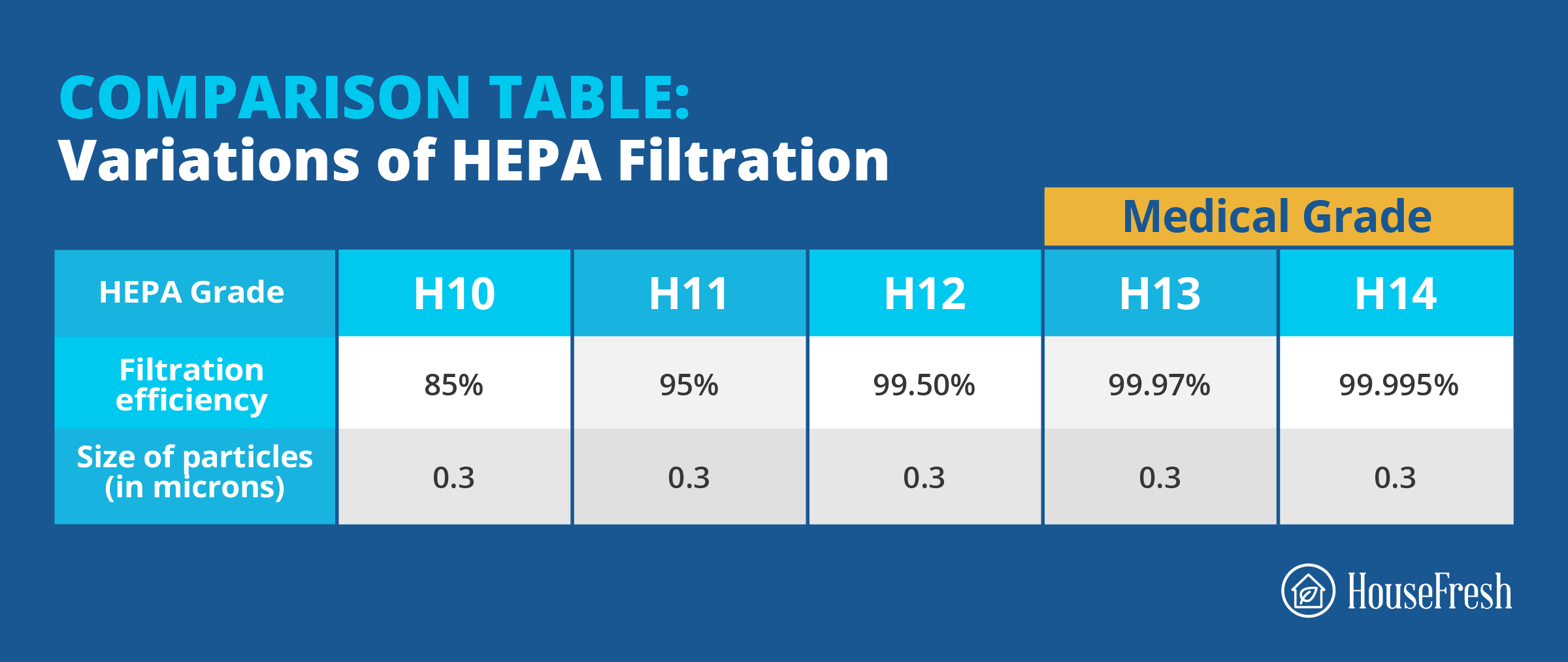
Each filter available uses H13 HEPA technology that is capable of trapping 99.9% of airborne particles as small as 0.1 microns (dust, dander, allergens, mold, bacteria and viruses).

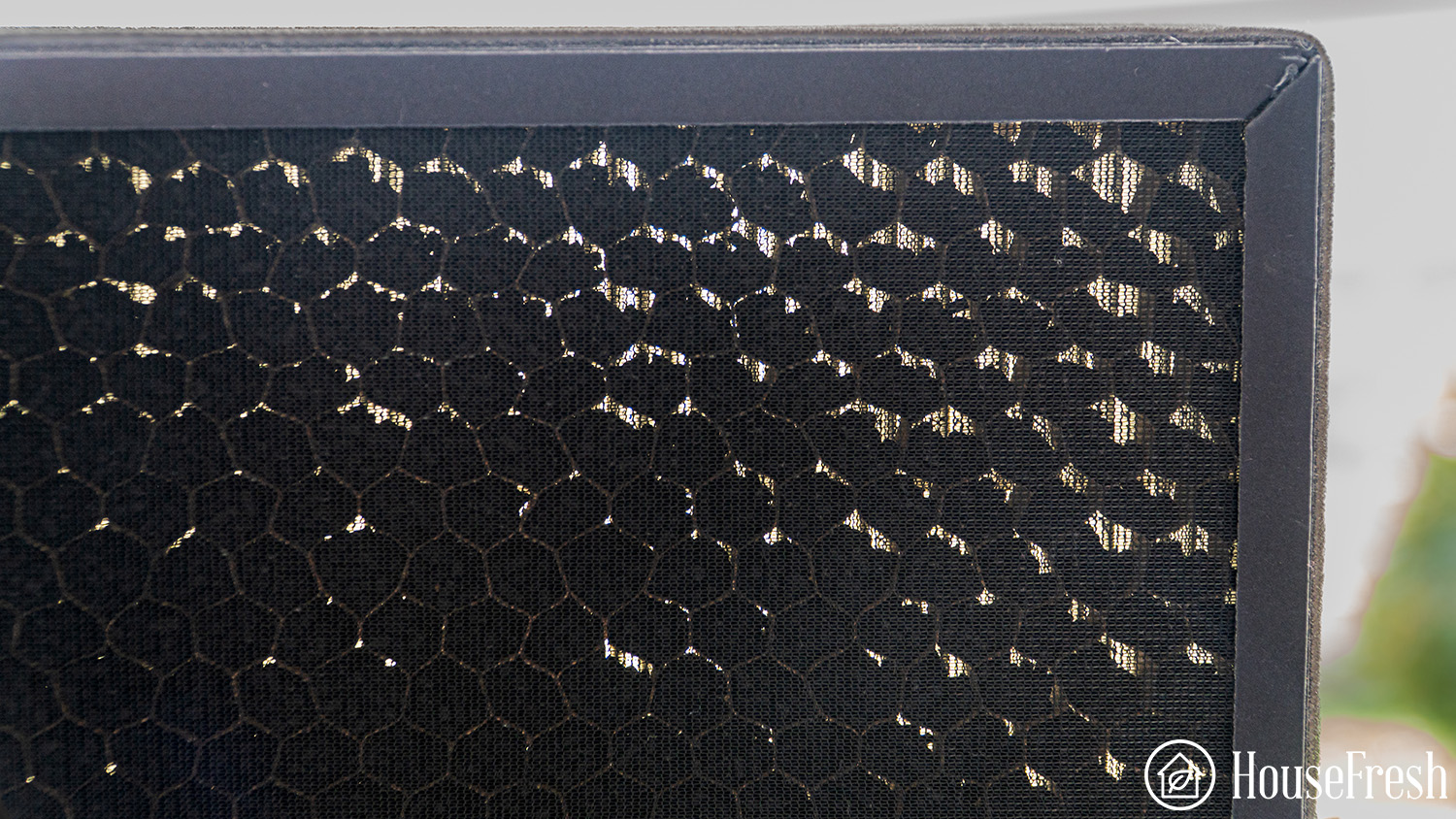
With the exception of their basic B4-Pure filter, they contain various levels of activated carbon pellets. This is used in filters because of its ability to adsorb odors and other VOCs (Volatile Organic compounds). The more activated carbon a filter contains, the more contaminants it can remove.

If your home isnโ€™t affected by many pollutants, we recommend you go for the B4-Fresh Filter. Suppose youโ€™re buying an air purifier because your home is heavily polluted (e.g. wildfire smoke), we suggest you opt for the stronger FL40-H Heavy Smoke Filter that contains 2.3 lbs of activated carbon.

Alen BreatheSmart Flex Activated Carbon Filter CloseUp

Segue sentence to introduce the concept of filter replacement. Here is what you can expect from both units when it comes to replacing the filters:

Tip

When you first unbox your Alen air purifier, be sure to remove the plastic packaging from the filter before you start using the unit. If you don’t, the filter wonโ€™t do its job, and the plastic may start to burn over time.

Air cleaning test results compared

When it comes to air cleaning performance, the Flex wins. The 45i may have been faster by one minute, but the Flex has a lower CADR, so it worked much harder to get its result. 

If you’ve read a review on HouseFresh before, you’ll know that we test every air quality product we recommend in our own home lab. The Alen BreatheSmart Flex smashed the tests.

Alen BreatheSmart Flex Living Room

At HouseFresh, we donโ€™t rely on manufacturer data for three main reasons:

  • Some air purifiers are tested in laboratory conditions; some are not
  • Manufacturers use different methods and equipment from each other
  • Some manufacturers may lie about their results

We knew that if we wanted to compare units side-by-side, we had to conduct our own performance tests under the same conditions and because youโ€™re gonna be using your air purifier in your home, we want to test them in ours.

Every unit we review goes through the same performance tests where we fill our office (705 cubic ft) with simulated pollutants. We then turn the air purifier on at full fan speed to see how long it takes them to remove all the contaminants from the room.

Using our indoor sensor from Purpleair, which provides continual updates on PM1.0ug/m3, PM2.5ug/m3 and PM10.0 ug/m3, we monitor and collect data from every step of the process.

Purple Air Monitor

For an air purifier of this size and cost, we expected to see these two units give us a time of around 30 minutes, but we didnโ€™t predict the difference to be so minimal.

Both units performed well in our performance testing room, with the 45i clearing all of our simulated contaminants from the air in 33 minutes and the Flex in 34 minutes. 

Even though the 45i had a better time, it was by only 1 minute. This shows that the Flex is working harder overall as it has a lower CADR of 225 CFM compared to the 45i, which has 245 CFM.

With their performance times so close, this shows that youโ€™re paying those extra dollars on features, not performance. So take that into serious consideration when choosing which unit suits your needs.

Tip

If your main focus is performance, check out the Levoit EverestAir that cleared our performance room in 13 minutes.

The 45i cleared our test room in 33 minutes

The Flex cleared our test room in 34 minutes

When we look at the data side by side from the Flex and 45i, it becomes clear how close they are in cleaning performance. With only a minute between them, the Flex works harder than the 45i to match its results. You probably wonโ€™t be able to tell the difference in a smaller room.

To see the performance of these two units on a larger scale, we compare the data next to that of other units of similar size/price/CADR that weโ€™ve tested. As you can see, they sit quite far down the list, but not a million miles away from the competition. 

Noise levels test results compared

When it comes to the sound emitted, the winner is the 45i, as it generates less noise. Although the 45i is only one decibel quieter than the Flex when running at its highest fan speed level.

Even though some manufacturers use buzzwords like โ€œWhisper quietโ€ and โ€œnear silent,โ€ air purifiers move air through their filters using a fan that is powered by a motor. This means all air purifiers generate sound. But some make more noise than others.

Alen BreatheSmart 45i Bedroom

Both units have four fan speeds, including T for Turbo, so you would expect that they would emit the same amount of noise. But the Flex is ever so slightly louder than the 45i on paper, though we doubt youโ€™d notice the difference with them running side by side.

BreatheSmart 45iBreatheSmart Flex
Noise level (low โ€“ high):23dB – 49dB25 – 50dB

Weโ€™ve added this extra decibel to the Flex, working a little harder to match the 45iโ€™s cleaning performance.

When you compare these two to some of the other air purifiers weโ€™ve reviewed of similar size, youโ€™ll see they are a little louder. But, 50dB (the loudest the Flex is at its highest fan speed) is equivalent to faint background music or a quiet office.

Tip

We donโ€™t all know how loud decibels are and what some people consider loud, others may not. Thatโ€™s why we take videos of all the air purifiers we review, recording each unit at their different fan speeds.

Check out both units here and see if you can tell the difference.

Cost to run each unit compared

Regarding long-term costs, the clear winner is the Flex. The filters may cost the same, but the Flex triumphs when it comes to energy efficiency.

Alen BreatheSmart

1. Yearly electricity costs = $25.23 (Flex) versus $52.56 (45i)

As they are electrical devices, air purifiers need energy to run. Itโ€™s recommended that you run your air purifier 24/7, so the more energy-efficient a unit is, the less it will cost you in the long run.

Depending on what unit you buy and the state you live in, the cost of running your unit will vary, and with energy costs rising each year, itโ€™s something you should look into before purchasing an air purifier.

The difference in energy costs between the Flex and 45i is very noticeable. The annual cost of running the 45i can come to double what it costs to run the Flex, meaning itโ€™s a hell of a lot more energy efficient.

2. Yearly filter costs = $89 (Flex) versus $89 (45i)

Another consideration you need to make when buying an air purifier is the cost of replacing the filters. The filters in air purifiers need replacing periodically (the manufacturer will tell you how long they last on average), and itโ€™s not recommended that you wash them.

Both of our units will indicate when itโ€™s time to replace your filter when three lights illuminate over the Filter button. Remember, if you donโ€™t replace your filter when instructed to do so, your air purifier wonโ€™t run at maximum efficiency.

As both units use the same filters, the annual costs are the same. Weโ€™ve calculated this using the B4-Fresh filter, which we recommend for most household pollutants.

The filter in the Flex and 45i should be replaced every 12 months: 

Alen Air Filter B4-Pure Replacement H13 True HEPA Filter for BreatheSmart 45i & Flex Air Purifier - Captures Allergens, Dust, & Mold (1 Filter)
Alen Air Filter B4-Fresh Replacement HEPA Filter for BreatheSmart 45i & Flex Air Purifier - Captures Allergens & Mold + Odors & Smoke (1 Filter)
Alen Air Filter B4-MP-Odor Replacement HEPA Filter for BreatheSmart 45i & Flex Air Purifier-Captures Allergens & Mold + Pet Dander & Odors (1 Filter)
Alen Air Filter FL40-H VOC/Smoke Replacement HEPA Filter for BreatheSmart 45i & Flex Air Purifier-Captures Allergens & Mold + VOCs & Smoke (1 Filter)
Technology
Medical-grade H13 HEPA Air Filter
Medical-grade H13 HEPA Air Filter with Odor Neutralizer
Medical-grade H13 HEPA Air Filter with Carbon
Medical-grade H13 HEPA Air Filter with Extra Carbon
Good for
Capturing allergens, dust, mold, and germs
Neutralizing pet, diaper, and other stubborn household odors + capturing pet dander, allergens, dust, mold, and germs
Absorbing harmful chemicals and VOCs, cooking odors, and common household odors + capturing allergens, dust, mold, and germs
Absorbing noxious gases from wildfire smoke and secondhand smoke, harmful chemicals and VOCs + capturing allergens, dust, mold, and germs
Price
Price not available
Price not available
Price not available
Price not available
Alen Air Filter B4-Pure Replacement H13 True HEPA Filter for BreatheSmart 45i & Flex Air Purifier - Captures Allergens, Dust, & Mold (1 Filter)
Technology
Medical-grade H13 HEPA Air Filter
Good for
Capturing allergens, dust, mold, and germs
More information
Price
Price not available
Alen Air Filter B4-Fresh Replacement HEPA Filter for BreatheSmart 45i & Flex Air Purifier - Captures Allergens & Mold + Odors & Smoke (1 Filter)
Technology
Medical-grade H13 HEPA Air Filter with Odor Neutralizer
Good for
Neutralizing pet, diaper, and other stubborn household odors + capturing pet dander, allergens, dust, mold, and germs
More information
Price
Price not available
Alen Air Filter B4-MP-Odor Replacement HEPA Filter for BreatheSmart 45i & Flex Air Purifier-Captures Allergens & Mold + Pet Dander & Odors (1 Filter)
Technology
Medical-grade H13 HEPA Air Filter with Carbon
Good for
Absorbing harmful chemicals and VOCs, cooking odors, and common household odors + capturing allergens, dust, mold, and germs
More information
Price
Price not available
Alen Air Filter FL40-H VOC/Smoke Replacement HEPA Filter for BreatheSmart 45i & Flex Air Purifier-Captures Allergens & Mold + VOCs & Smoke (1 Filter)
Technology
Medical-grade H13 HEPA Air Filter with Extra Carbon
Good for
Absorbing noxious gases from wildfire smoke and secondhand smoke, harmful chemicals and VOCs + capturing allergens, dust, mold, and germs
More information
Price
Price not available

HEPA filters trap airborne pollutants in their tightly woven maze of fibers (think of a fly in a spider’s web), removing them from the air. Space inside the filter gets smaller as more and more pollutants become trapped, making the filter less effective.

Replacing your filter periodically ensures youโ€™ll have plenty of room to trap those harmful contaminants from the air in your home.

Want to know more? Check out our full guide How Long Do HEPA Filters Last?


Bottom line: Should you get a 45i or a Flex?

These two air purifiers may have many similarities, but their unique characteristics will sway you towards one or the other. 

โœ… If you want an energy-efficient air purifier that works hard with lower annual running costs โ€” go for the BreatheSmart Flex. 

Alen BreatheSmart Flex Living Room

โœ… If you want to pay a little extra for features like an auto mode and the choice of ionization โ€” go for the BreatheSmart 45i.

Alen BreatheSmart 45i Fireplace

It was a close call between the 45i and the Flex regarding design, filters and the numbers, with only one minute to separate them in our cleaning performance tests. The difference comes with the features included and the annual running costs. 

When youโ€™re choosing which unit best suits your needs, youโ€™ll need to think about what is more important: features or energy efficiency.

At HouseFresh, we have been reviewing air quality products since 2010. In all these years, we learned not to rely on manufacturers’ claims and the ever-so-glowing marketing materials. That is why we buy products with our own money, so we can write unbiased reviews after we’ve had enough time to evaluate air quality products in our home lab. Every unit we recommend has been thoroughly tested to assess its performance, energy consumption, and noise levels emitted in real-life environments. If you have any questions about our testing process for different types of air quality products, just drop us an email at danny@housefresh.com.

SOURCES

We calculated the monthly energy consumption costs with the help of the Department of Energyโ€™s appliance energy calculator. We calculated yearly costs associated with running both units for 24hs a day for 365 days. We ran this calculation utilizing the U.S. average utility rate of $0.12/kWh as of October 6th, 2023. 

The cities with the most and fewest good air days

Header Good Air Days 1

Few things affect a personโ€™s quality of life more than good air. Data from the Institute for Health Metrics and Evaluation shows ambient particulate matter as the sixth leading cause of global excess deaths each year. The World Health Organization (WHO) claims that 93% of the worldโ€™s children breathe air with higher levels of pollution, and medical studies have demonstrated the connection to respiratory diseases, including lung cancer.

While rising global temperatures and the climate crisis are existential threats to humanity, air pollution from fossil fuels is an immediate risk to human life, with a study from Harvard University linking fine particulate matter (PM 2.5) to one in five excess deaths globally. These air particles, which occur naturally and through man-made activity, are roughly 2.5 micrometers in diameter โ€” around 30 times smaller than a strand of human hair.

Removing pollution from the atmosphere and exposing the worldโ€™s population to clean air is a major priority, with the United Nations listing it as one of their Sustainable Development Goals. The benefits of clean air are plain to see: reduced illnesses and death, improved quality of life and healthier and more sustainable cities.

The U.S. Air Quality Index (AQI) is a widely-accepted barometer for air quality and ranks pollution levels based on the concentration of PM 2.5 particles in the atmosphere. These range from โ€œGood,โ€ with less than 12 ยตg/m3, to โ€œHazardous,โ€ with more than 35 ฮผg/m3.

To find out which cities around the world have the cleanest air, HouseFresh analyzed pollution levels in more than 500 global urban areas, ranking them to see which locations have the most and fewest good air days.

How we conducted this study

Particulate matter (PM 2.5) pollution data was sourced from the World Air Quality Index database of air quality measures, with supplementary data from the AirNet API. Pollution values represent PM 2.5 pollution levels in each city, expressed as micrograms per cubic meter of air, or ยตg/m3, an average of daily observations during a given year.

The number of “Good Air Days,” as defined under the U.S. Air Quality Index (AQI), was taken as the total number of days where the PM 2.5 concentration was below 12 ยตg/m3.

We have reviewed the data and, according to the World Air Quality Index, all air quality monitoring stations in Calama report good air quality, with three stations reporting that there has been good air quality for the last 12 months. We have double-checked this data against IQAir’s air quality data for Chile, and it also shows Calama as one of the cities with the cleanest air in the country regarding PM2.5 air pollution.

Even though this data is correct from a methodological point of view, it might not be reflective of other types of air quality issues experienced by residents of Calama. In fact, there is currently a decontamination plan being discussed by the local government to tackle PM10 pollution by regulating mining activities and their associated emissions in the area. 


Key findings

  • Nine cities, including six in Australia and New Zealand, have 365 days of good air every year.
  • Zรผrich, Switzerland, and Reykjavik, Iceland, have the most โ€˜good air daysโ€™ in Europe, with 365 days of low pollution.
  • Los Angeles, Fresno and San Diego โ€” all in California, have the lowest amount of good air days in the U.S., with less than 250 days with low pollution during the year.
  • Honolulu, Hawaii, has Americaโ€™s lowest pollution for a major city, with 365 days where the PM 2.5 concentration is below 12 ยตg/m3.

Looking for clean air? Move to Australia

Improving air quality in major cities is an expensive challenge for metropolitan mayors around the world. WHO data shows that 9 in 10 people living in cities breathe polluted air. From transportation schemes to reduce car and bus emissions to renewable energy programs to decarbonize a cityโ€™s power grid, the worldโ€™s major cities are taking serious steps to reduce air pollution and improve the quality of life for their residents.

But if youโ€™re looking to move to a city with clean air, our research shows that the best place to start is Australia. Six of the ten global urban areas with the most good air days can be found there, all of which benefit from 365 days a year without high levels of PM 2.5 matter in the atmosphere.

01 The 10 Global Cities With the Most and Fewest Good Air Days

Sydney, Australiaโ€™s largest urban area, is one of these locations. It is frequently recognized as one of the worldโ€™s most livable cities and is home to more than 400 parks and green spaces. However, the city is growing rapidly. Research from the University of Wollongong has created a blueprint for Sydney to lower its air pollution moving forward, from banning diesel vehicles to reducing smoke pollution from wood heaters.

Only one city in the Americas enjoys 365 days of good air per year โ€” Honolulu, Hawaii. Located around 2,000 miles from the U.S. mainland, its residents benefit from some of the cleanest city air in the world. This is likely a result of Hawaiiโ€™s strict anti-pollution regulations, and the state is recognized by the American Lung Association for its low PM 2.5 levels.

At the opposite end of the spectrum, four of Indiaโ€™s major cities have one day or less each year of good air. This could be a result of the countryโ€™s geography, where pollution in the countryโ€™s northern states is trapped by the Himalayan mountains โ€” an occurrence felt especially in the winter months. As an emerging economy reliant on heavy industry and fossil fuel usage, 93% of its population is exposed to unsafe levels of PM 2.5 matter.

Los Angeles has fewer than five months of clean air each year

The White House Office of Science and Technology Policy lists a range of benefits from cleaner air, from the improvement of cognition and productivity to the reduction of environmental triggers for conditions like asthma and allergies. However, a report from the American Lung Association shows that 63 million Americans in 96 counties are subject to the countryโ€™s poorest levels of air quality.

Our research shows that six major urban areas in California have the lowest total number of good air days in the country, and its largest city Los Angeles has 71 fewer days with low pollution than anywhere else. With a sprawling urban population of 18 million people, the City of Angels is notorious for its smog and pollution.

03 The 10 US Cities With the Most and Fewest Good Air Days

It has some of the worst traffic corridors in the U.S., and reports from the Environmental Protection Agency suggest that pollution levels have been at their highest in the area since 2010. While other major urban areas in the state, including Fresno (240 good air days), San Diego (246 days) and Sacramento (294 days), are short of good air days, Californiaโ€™s state government has taken action to improve the stateโ€™s air quality record.

In November 2022, Governor Gavin Newsom unveiled a plan to reduce air pollution by 71% and greenhouse gas emissions by 85%. At the same time, the state is facing a battle to secure funding for a proposed high-speed rail line to connect Los Angeles and San Francisco โ€” a plan that would cut carbon emissions by 100 million metric tons within 50 years.

Americaโ€™s largest metropolitan area New York is a stark contrast to its West Coast counterpart. Despite being home to two million more residents than Los Angeles, it sees good air days for 340 days of the year, making it one of the countryโ€™s cleanest cities. New York City has cut its PM 2.5 pollution levels by 40% over the last 20 years, transforming itself away from toxic air quality that plagued the health of its residents for decades.

Nordic cities among Europeโ€™s cleanest air locations

Air quality in Europe is subject to tougher regulation than other parts of the world. For the 27 countries in the European Union, a directive restricts the quantity of fine particulate matter in the atmosphere. Brussels took this a step further in November 2022, limiting PM 2.5 matter to 10 ยตg/m3 in response to data from the European Environment Agency, which links 307,000 excess deaths in the continent to air pollution.

Our research shows that two major European cities (both outside of the EU) have 365 days a year of good air โ€” Zurich, Switzerland, and Reykjavik, Iceland. Located 600 miles off the coast of continental Europe, Icelandโ€™s small population (approx. 300,000) and clean energy production contribute to its low particulate matter levels. Reykjavik is one of six Nordic cities with the most good air days, according to our research. Sweden, Finland, Denmark, Norway and Iceland cooperate directly on air quality through the Nordic Council.

02 The 10 European Cities With the Most and Fewest Good Air Days

However, three major cities in southeastern Europe have less than 100 good air days each year. The capitals of Pristina (27 days), Nicosia (75 days) and Sarajevo (97 days) are among Europeโ€™s most polluted, according to our research. Kosovoโ€™s energy sector is predominantly reliant on coal, with two major plants polluting Pristinaโ€™s air to such an extent that residents have protested against the stateโ€™s policy.

Lowering air pollution in the worldโ€™s major cities

Air pollution in major cities is a huge stumbling block for the worldโ€™s climate scientists. United Nations data predicts that 68% of the global population will live in urban areas by 2050. Yet air quality data shows that residents in many of the worldโ€™s largest cities struggle to enjoy good air days, potentially causing long-term damage to their respiratory health and well-being.

You can explore our full dataset of 500+ urban areas below, allowing you to see which cities have the most and fewest good air days where you live.

As our cities continue to grow and population centers become more concentrated, how can societies ensure sustainable living conditions for decades to come? Getting it right is central to the commitment made by national governments to the UNโ€™s Sustainable Development Goals. A 2021 report on this issue found that most cities are shifting their focus toward the decarbonization of heavy industry and low-carbon transportation (e.g., vehicle emissions standards).

However, the clock is ticking on air quality as the urgency of the climate crisis mounts. With WHO data indicating that 80% of city dwellers are still exposed to excessive fine particulate matter levels, major metropolitan areas must continue to prioritize the health of their residents by directly targeting air pollution.

The method behind the study

To find the global and American Cities with the most and fewest good air days, we sourced particulate matter (PM 2.5) pollution from the World Air Quality Index database of air quality measures, with supplementary data from the AirNet API. Only cities that have data from at least two (2) monitoring stations for at least 300 days of the year 2022 were included in the dataset. 

Pollution values represent PM 2.5 pollution levels in each city, expressed as micrograms per cubic meter of air, or ยตg/m3, an average of daily observations during a given year.

To arrive at these numbers, AQI PM2.5 was converted into ยตg/m3 values using a formula developed by AirNow, a partnership of the U.S. Environmental Protection Agency, National Oceanic and Atmospheric Administration (NOAA), National Park Service, NASA, Centers for Disease Control and tribal, state and local air quality agencies.

The number of “Good Air Days” was taken as the total number of days where the PM 2.5 concentration was below 12 ยตg/m3. This is defined under the U.S. Air Quality Index (AQI).

Cities in Ukraine were excluded from the comparison due to the ongoing military conflict having an inevitable impact on the level of air pollution.

New York City pollution levels were calculated by aggregating the data from Manhattan, The Bronx, Staten Island, Brooklyn and Queens by taking the median pm2.5 values on each day.

At HouseFresh, we have been reviewing air quality products since 2010, and this includes air quality monitors like the Purpleair Indoor Sensor II, which also provides shared air quality data with the world that helps support big data campaigns like this. If you have any questions about our testing process for different air-quality products, just email us at hello@housefresh.com.

How to get weed smell out of your car

weed insider car

Hopping into the driver’s seat, you may be met by a multitude of smells. Whether it’s that new car smell or less desirable odors such as last night’s takeaway. 

But for weed smokers, the overpowering aroma is usually the skunky, earthy or even citrus odor that ignites the senses at first whiff.ย 

While some pot smokers may be partial to weedโ€™s lasting scent, most drivers would prefer their day-to-day vehicle not to honk of lemon haze. Thatโ€™s why weโ€™ve devised a five-step plan to remove stubborn odor and offered some top tips to keep your car smelling fresher for longer.

5 steps to get rid of weed smell in your car

Need to eliminate the lingering smell of weed in your car? Follow these five simple steps and youโ€™ll have a brand-new smelling car in a flash. 

Step 1: Let the breeze tackle the bud

Let’s get you started with an easy one. Roll down the windows and take a trip around the block. 

Flooding your car with fresh air can work wonders at removing weedโ€™s smell. While it might get chilly, aim to ventilate the car for at least 15-30 minutes to notice a difference.

Step 2: Clear junk out of the cabin

If your car looks anything like mine, it’s probably scattered with rolling papers, candy wrappers, empty cups and more. 

Grab a trash can and clear all the rubbish out of the car. Donโ€™t forget to look in all compartments, cup holders, door panels or anywhere else where litter could be hiding.

Once youโ€™ve cleared out all the junk, it’s time to clean.

Using your preferred cleaning solution, freshen up your car’s interior, removing any dust, debris and any odour along with it.

Scents can cling to hard surfaces such as plastic, so donโ€™t cut corners. Be sure to wipe down the dash, steering wheel and trim thoroughly.

Step 3: Vacuum the upholstery

The odor particles found in weed are notoriously clingy. As a result, fibrous materials, such as carpets, floor mats or seats, are likely to stink.

Start by vacuuming each section of upholstery. Donโ€™t be afraid to get deep between the cracks, seek out any crevices and target under the front seats, too. 

For leather seating, start by gently vacuuming, then move to a specialist cleaner and conditioner so not to cause any permanent damage.

Tip

Use a steam cleaner to remove stubborn, deep-rooted smells. (but try step 4 first)

Step 4: Absorb unwanted weed odors

At this point, you may not even recognize your shiny new car. But if weed smell persists, it is time to turn up the odor-busting ante.

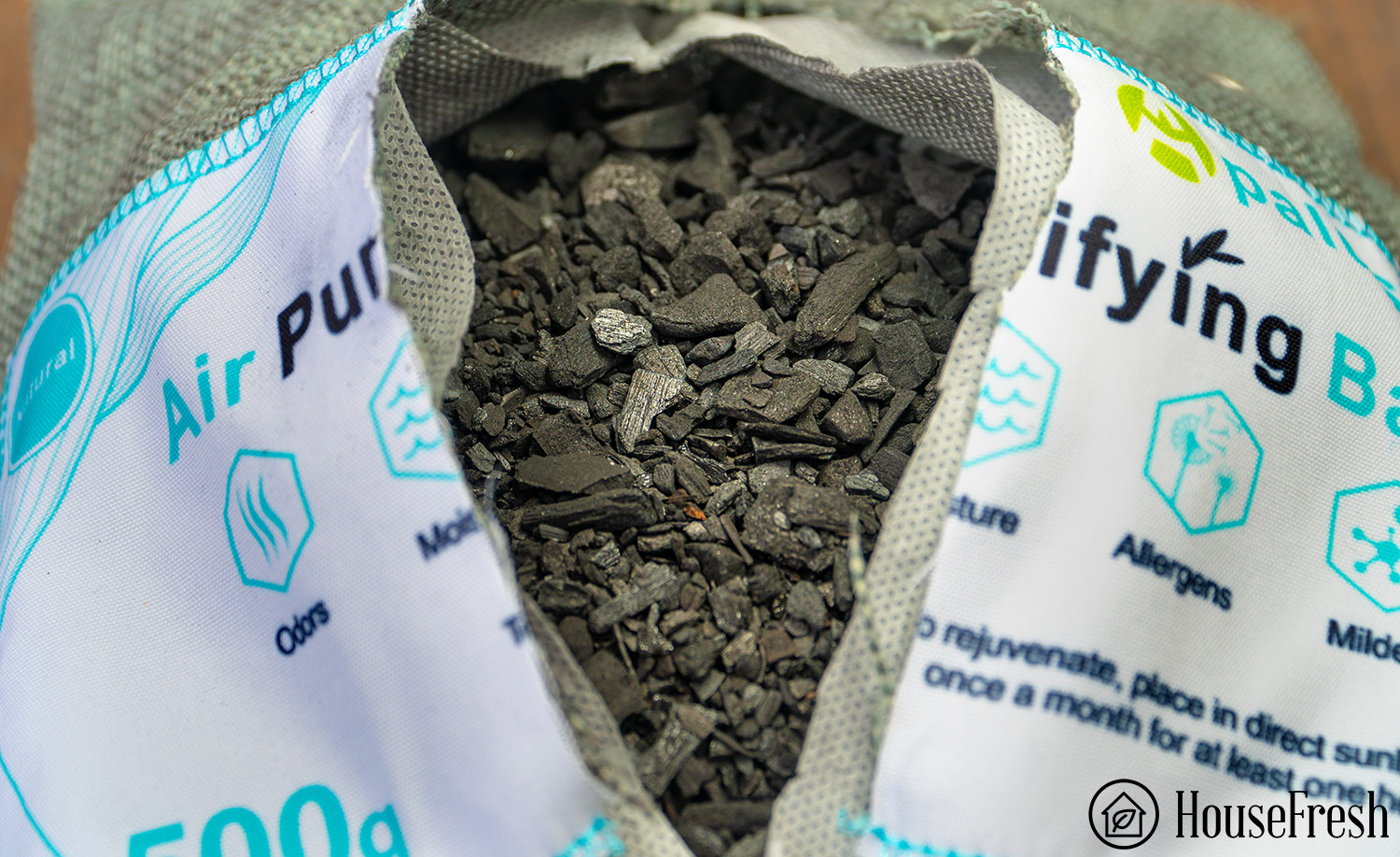
Activated charcoal, baking soda and even coffee granules help eradicate odor. Liberally sprinkle these substances onto the floor and seating of your car and leave them overnight to absorb weed’s persistent smell. The next day, simply vacuum the granules away. 

HF CharBag 3 logo

Step 5: Spray away smells

If you need fast results in a pinch, you can turn to deodorizing sprays or air fresheners.

Bear in mind that these will merely mask the scent of lingering weed. Whether you use essential oils, perfume or cleaning solutions, applying fragranced products to your car’s interior will achieve temporary rest bite from unwanted odor. 

Air fresheners are filled with chemicals known as VOCs, which can be harmful to breathe.

Instead, consider using natural solutions such as lemon juice or vinegar. Or create your own potpourri using herbs, flowers and spices.ย 

How to prevent weed smell in your car

Having spent time, energy and money removing the smell of weed from your car, itโ€™s a good idea to keep it odor-free. 

To help you do so, here are the 10 commandments of keeping weedโ€™s smell at bay.

1. Donโ€™t roll up a joint without rolling the windows down first. In an ideal world, you wouldnโ€™t be smoking weed inside your car. If youโ€™re just hanging out in your car and decide to roll a joint, remember that weed odor can spread fast. Donโ€™t allow it to sink into your seats or carpets by simply increasing ventilation. 

2. Cast away disused joints, papers and other paraphernalia. Leaving a roach or other pieces of trash in the car is sure to smell when you return.

3. Keep weed sealed. Storing your weed in an airtight container or resealable bags will lock away smells and prolong the quality of your buds.

4. Seek out alternative weed products. Enter any dispensary and youโ€™ll find tons of odor-free products, from mojito-inspired mocktails to vapes or classic edibles, each of which is sure to get you high without leaving a scent. 

5. Switch off the air recirculation feature. Air recirculation is great when using your car’s AC. But by switching it off, youโ€™ll allow for extra airflow to enter from outside.

6. Deploy activated charcoal. A secret weapon for anyone looking to eradicate unwanted smells, activated charcoal captures odor particles in the porous substrate inside.

7. Reach for a dryer sheet. Canโ€™t get your hands on activated charcoal? Raid the laundry room for dryer sheets, which can capture odors effectively, too.

8. Replace your carโ€™s air filter. These filters suck up dust and debris, along with countless other odors. Replace them every six months, which can be done quickly at home or by a local mechanic. 

9. Invest in ambiance. Smoking weed should be a relaxing and pleasurable experience. Why not utilize your favorite essential oil or look into Weed Odor Eliminators while smoking in your car?

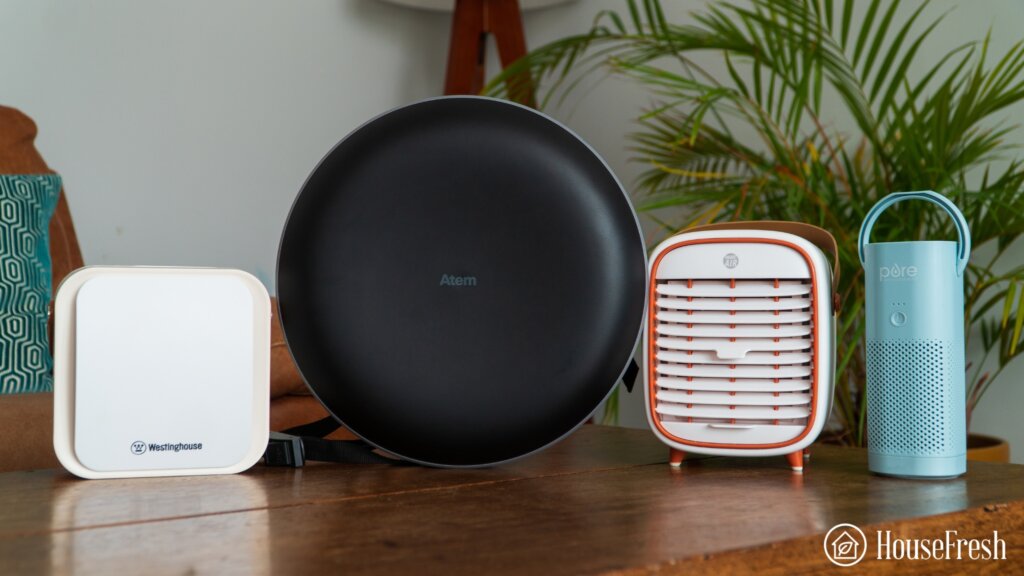
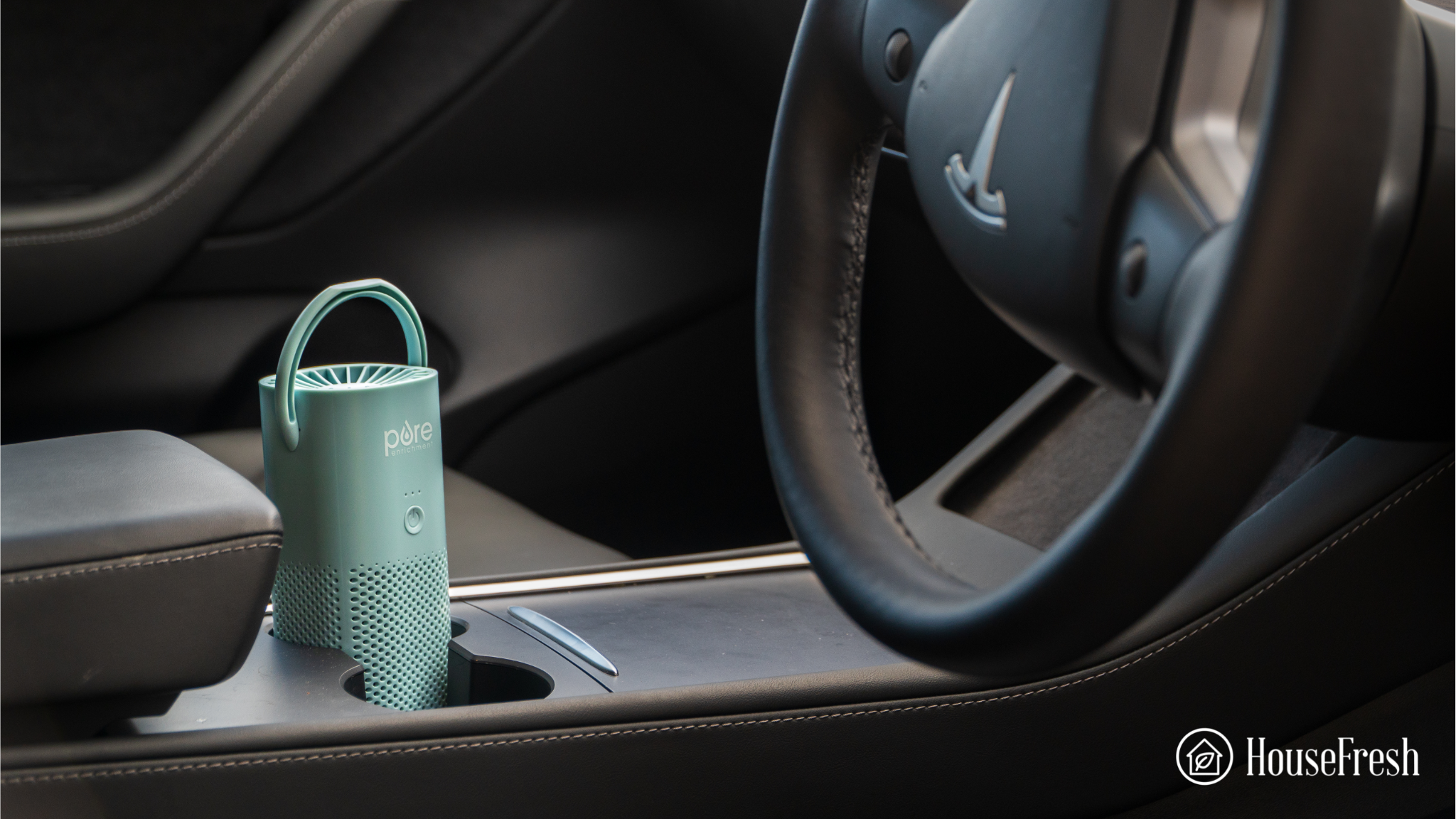
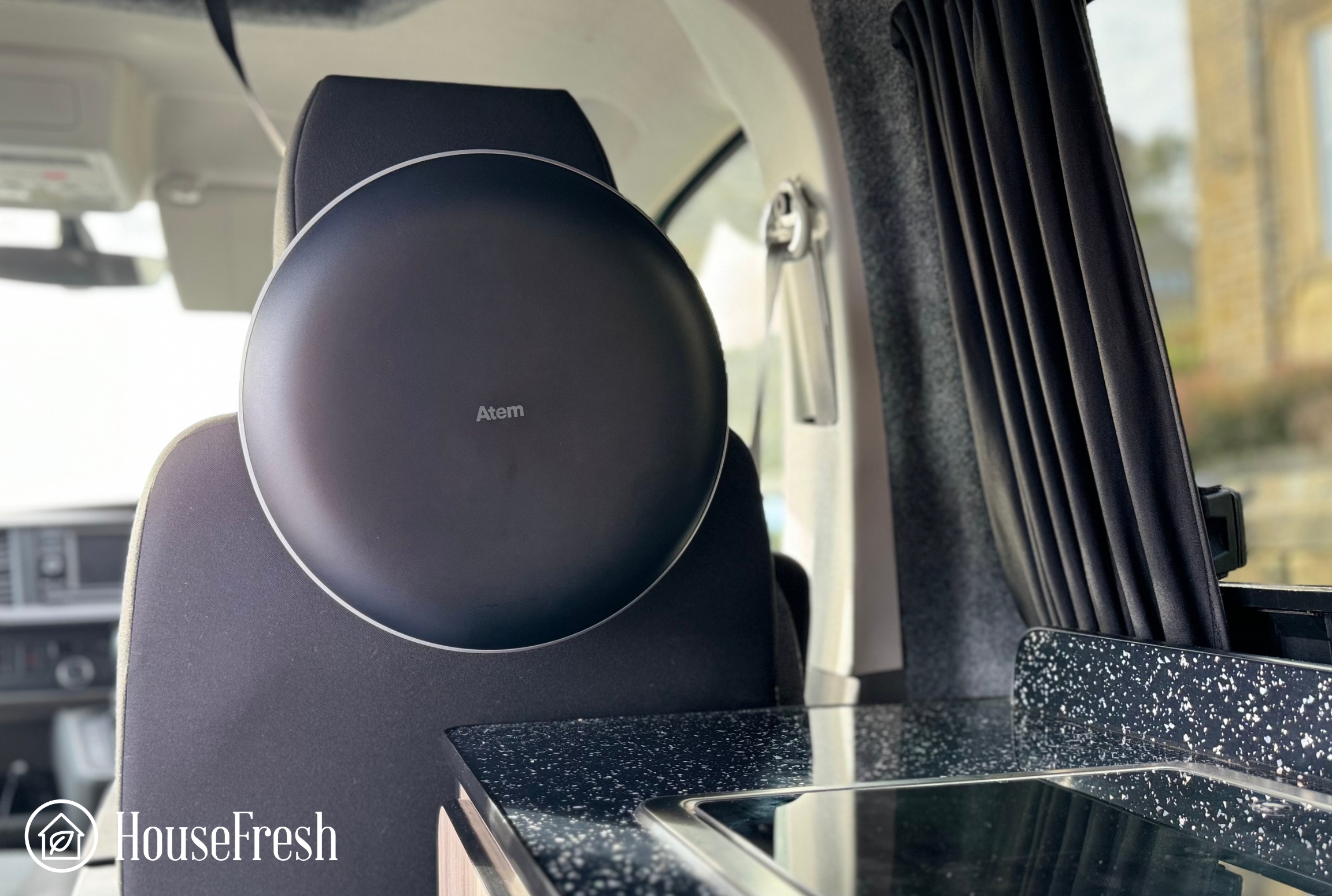
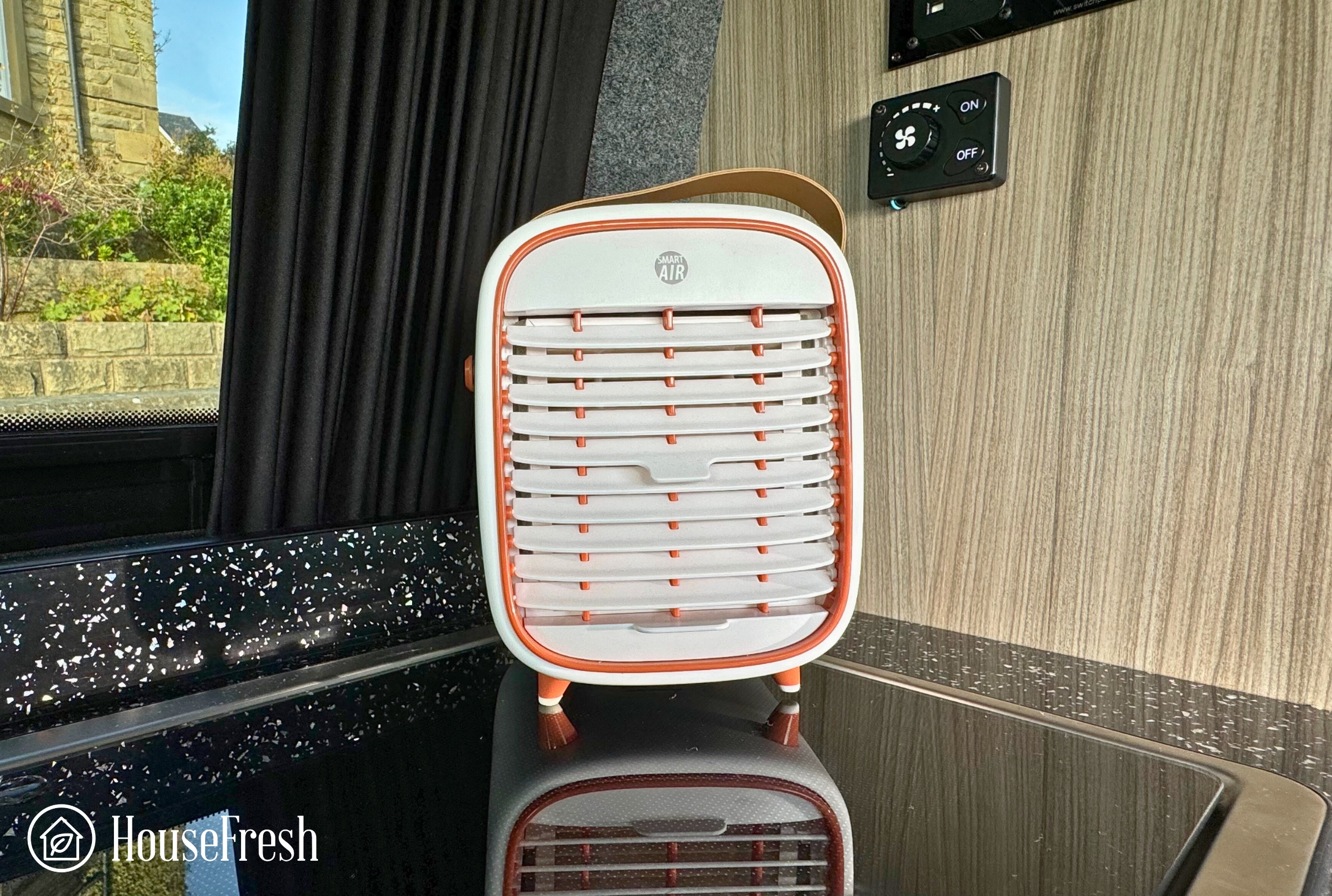
10. Use an air purifier. Last but not least is one of the most effective methods to eradicate weedโ€™s smell. Using a portable air purifier will improve airflow and capture odor particles as they pass through the unit. 

Portable Air Purifiers Comparison

Wrapping up

One of the downsides of weed is the lingering smell it leaves, long after the last joint has been smoked. 

This smell can be made ten times worse when smoked or stored in a confined space like a car. 

Be sure to keep your car clean, increase ventilation whenever smoking and invest in some odor-busting material such as activated carbon bags or, better yet, an air purifier with carbon filters. 

SOURCES

Blueair Blue Pure 411 VS 411+

Blueair Blue Pure 411 vs 411

Blueair has produced high-performing air purifiers for our homes for over two decades. It all started in 1996 when the company’s President, Bengt Rittri, wanted the same fresh, clean air for his children to breathe indoors as they had outside in the Swedish countryside.

Fast forward to the present day and Blueair is now one of the leading manufacturers of air purifiers worldwide, focusing on using state-of-the-art filter technology, simple operation and designs that reflect their Swedish heritage and innovation.

We wanted to put the Blue Pure 411 and the 411+ together to see if it is worth spending the extra money or if this upgraded unit is simply a marketing ploy to get you to spend more. The only way to find out was to put these two air purifiers side-by-side and see what difference a โ€œ+โ€ sign really makes.

TL;DR: Which unit wins overall?

danny

โ€œA clear upgrade on the decent Blue Pure 411, the Blueair Blue Pure 411+ is an easy budget air purifier for those looking to clean a small space like a bedroom and who donโ€™t want something that will create a lot of noise.โ€

โ€” Danny Ashton, Founder & Senior Writer

Blueair Blue Pure 411 vs 411

We know your time is valuable, so hereโ€™s our quick-read pros and cons for each unit. If you want to delve further into our findings, read on for an in-depth look into this battle for clean air. 

The pros and cons compared:

Blueair Blue Pure 411+Blueair Blue Pure 411

Blueair Blue Pure 411 Living Room 1
Blueair Blue Pure 411 Living Room
What we really likeWhat we really like
๐Ÿ‘ Customizable color pre-filter
๐Ÿ‘ Low noise output even at high fan speed
๐Ÿ‘ Simple operation
๐Ÿ‘ Filters easy to replace
๐Ÿ‘ Low running costs
๐Ÿ‘ Washable pre-filter
๐Ÿ‘ One-button operation
๐Ÿ‘ Bright and bold color
What we think could be betterWhat we think could be better
๐Ÿ‘Ž No activated carbon pellets
๐Ÿ‘Ž No extra features
๐Ÿ‘Ž No carry handle
๐Ÿ‘Ž No shell protecting the filter
๐Ÿ‘Ž No timer
๐Ÿ‘Ž No air quality sensor

The specifications compared side-by-side

Regarding specs, the 411+ is the clear winner with its lighter body weight, larger room coverage and higher cleaning power that cleared our performance testing room of contaminants in only 43 minutes.

Blueair Blue Pure 411 Entertainment Room

Blueairsโ€™ mission is to produce high-performing air purifiers for the modern home, and with these two units, theyโ€™ve succeeded. 

While the 411+ retails around $30 more than the 411, itโ€™s worth shelling out those extra dollars for its superior performance. The 411+ is also suited to larger rooms, is a couple of pounds lighter, and is more hardwearing.

Blueair Blue Pure 411+Blueair Blue Pure 411
HouseFresh rating:โ˜…โ˜…โ˜…โ˜…โ˜†โ˜…โ˜…โ˜…โ˜†โ˜†
Time to clean our test room:43 minutes1 hour and 8 minutes
Air purifier technology:Washable pre-filter, activated carbon filter, HEPASilentโ„ข filterWashable pre-filter, activated carbon filter, HEPASilentโ„ข filter
Recommended room size:185 sq. ft.161 sq. ft.
Clean air delivery rate (CADR):120 CFM120 CFM
Dimensions (in inches / in cm):17H x 7.8W x 7.8D inches (43.18H x 19.812W x 19.812D cm)16.7H x 8W x 8D inches (42H x 20W x 20D cm)
Weight (in pounds / in kg):3.4 lbs (1.54 kg)5.3 lbs (2.4 kg)
Filter life:6 months6 months
Noise level (low โ€“ high):17dB – 46dB17dB – 46dB
Estimated energy consumption:$10.51 per year$10.51 per year

Design elements compared

When it comes to design aesthetics, the winner is the 411+ due to its protective casing around the filter that the 411 doesnโ€™t have and its magnetic tab that keeps the cable tidy.

Blueair Blue Pure 411 Living Room

The variations may be subtle with these two units, but the little differences make the 411+ the winner. 

First off, one of the things we disliked about the 411 was the exposure of the filter. This meant that the filter could get damaged if it got knocked or you picked it up by the body. Blueair must have thought the same, as theyโ€™ve added an outer casing to the 411+ that protects its filter and makes it easier to pick up.

Another minor design feature is the magnetic tab on the 411+. This attaches to the unit’s shell to keep the cable tidy and out of the way. 

Blueair Blue Pure 411 Magnetic Cord

Both units also share many of the same design elements. The top of the circular unit houses the fan and motor and the bottom โ…” is dedicated to the HEPASilentโ„ข filter. Both units have fabric pre-filters that can be removed and washed (prolonging the life of the HEPA filter).

Blueair has put extra thought into its pre-filter by offering a range of colors to customize your unit to your taste or your home’s decor. The range includes Lunar Rock, Crystal Pink, Dark Shadow, Buff Yellow, Dive Blue and Saffron Red.

Blueair Blue Pure 411 vs 411 Auto Comparison

Ease of use and control panel design

When it comes to the control panel, the winner has to be 411+. Even though they are very similar, the 411+ looks sleeker, and the button is more sensitive when changing fan speeds.

Blueair Blue Pure 411 Top

When Blueair upgraded the 411 with the 411+, they kept the unitโ€™s operation the same. One change they did make was a slight branding facelift to the control button. But, for me, that slight change made the difference.

Blueair likes to keep things simple. So simple that they opted for an easy-to-use one-button operation for their Blue Pure series. This means there are no complicated display screens or fingerprint-covered controls, no remotes to lose or apps to download.

With three fan speeds to choose from, Each press of the button cycles through them and turns the air purifier on/off. The button also acts as a filter replacement indicator. When the lights around the button glow red, the air purifier is ready for a new filter.

Blueair Blue Pure 411 Control panel

Air filtration technology

Both units use the same Blueair trademarked HEPASilentโ„ข filters, so itโ€™s a draw.

Blueair Blue Pure 411 Genuine Filter

Blueair offers two different filters for the Blue Pure 411 series. Their Particle + Carbon Filter is included as standard, or you can opt for the SmokeBlock Filter. Each of these filters utilize Bluairsโ€™ HEPASilentโ„ข technology, capable of removing 99.97% of harmful particles and pollutants from the air in your home.

Theyโ€™ve named it HEPASilentโ„ข as itโ€™s specially designed to require less air pressure, which means the motor doesnโ€™t need to work as hard as it needs less energy to pull contaminants in. The less the motor has to work, the quieter the unit is.

Blueair Blue Pure 411 HEPA Filter

The SmokeBlock version is packed with more activated carbon, which is the ingredient that removes smoke, odors and VOCs (Volatile Organic Compounds) from the air. We recommend you go for this option, especially if you do a lot of cooking, use chemicals or paint on a regular basis or if your air is affected by wildfire smoke.

BLUEAIR Genuine 411 Series Air Purifier Replacement Filter, Everyday | Authentic 411 Series Filter, The Everyday Carbon & Particle Filter for Blue Pure 411 Series Only. HEPASilent Technology
BLUEAIR Genuine 411 Series Air Purifier Replacement Filter, SmokeBlock | Authentic 411 Series Filter, Captures 99.9% of Wildfire Smoke for Blue Pure 411 Series Only. HEPASilent Technology
Technology
3-stage HEPASilent filter with activated charcoal
3-stage HEPASilent filter with additional activated charcoal
More information
Price
$23.99
$63.98
BLUEAIR Genuine 411 Series Air Purifier Replacement Filter, Everyday | Authentic 411 Series Filter, The Everyday Carbon & Particle Filter for Blue Pure 411 Series Only. HEPASilent Technology
Technology
3-stage HEPASilent filter with activated charcoal
More information
Price
$23.99
BLUEAIR Genuine 411 Series Air Purifier Replacement Filter, SmokeBlock | Authentic 411 Series Filter, Captures 99.9% of Wildfire Smoke for Blue Pure 411 Series Only. HEPASilent Technology
Technology
3-stage HEPASilent filter with additional activated charcoal
More information
Price
$63.98
Blueair Blue Pure 411 With FIlter

PRICE on amazon PRICE on EBAY

Here is what you can expect from both units when it comes to replacing the filters:

When opening up the box of your new Blueair air purifier, you must twist off the top and remove all of the packaging from the filter before you start using the unit. If you donโ€™t, the filter wonโ€™t work, and you will probably begin to notice a foul smell of the plastic packaging burningโ€ฆ not cool.

Air cleaning performance test results, compared

When it comes to air cleaning performance, the 411+ wins hands down. When we put both units through our performance cleaning tests, the 411+ cleared the contaminants from our room 25 minutes faster than the 411.

Blueair Blue Pure 411 No Pre Filter

The similarities may be clear, but the differences become more apparent when you analyze each unit’s cleaning performance.

When looking for the right air purifier for your home, cleaning performance should be high on your priorities. Manufacturers usually provide performance data for you, but often, these tests are done in sterile lab conditionsโ€ฆnot in a home.

To ensure we get fair, concise results, we test all the air purifiers we review under the same conditions, in a real room, in an actual homeโ€ฆour home.
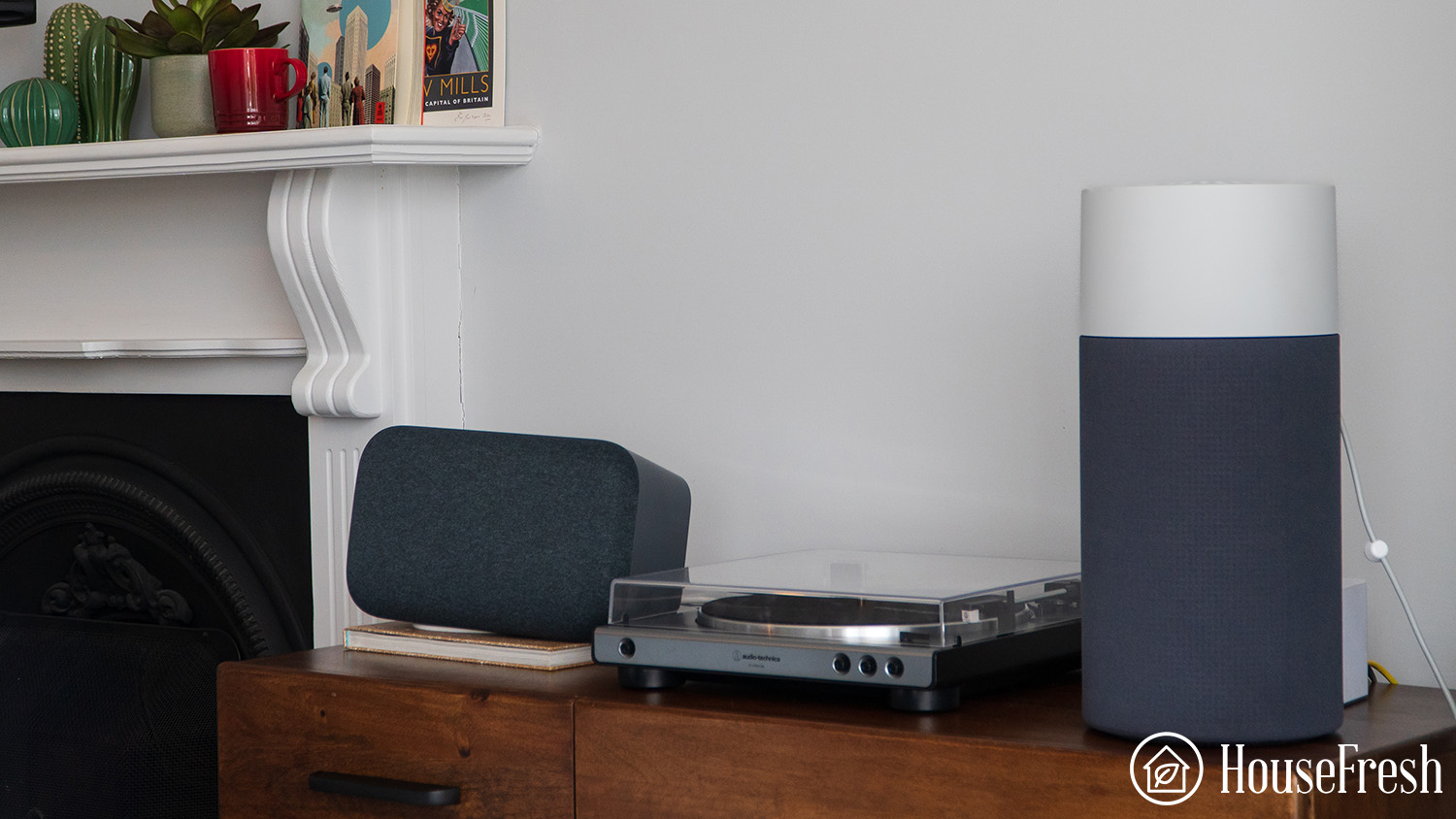
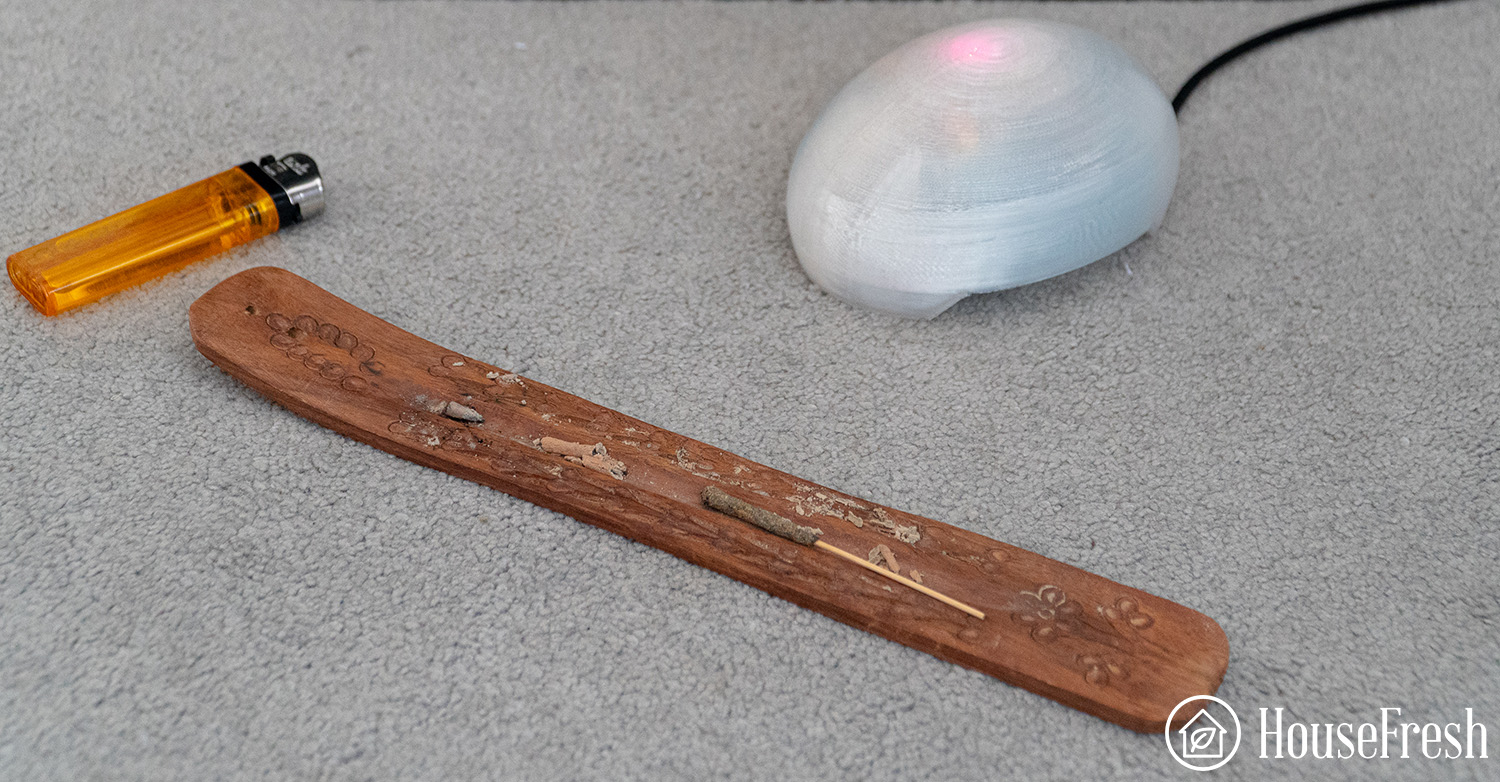
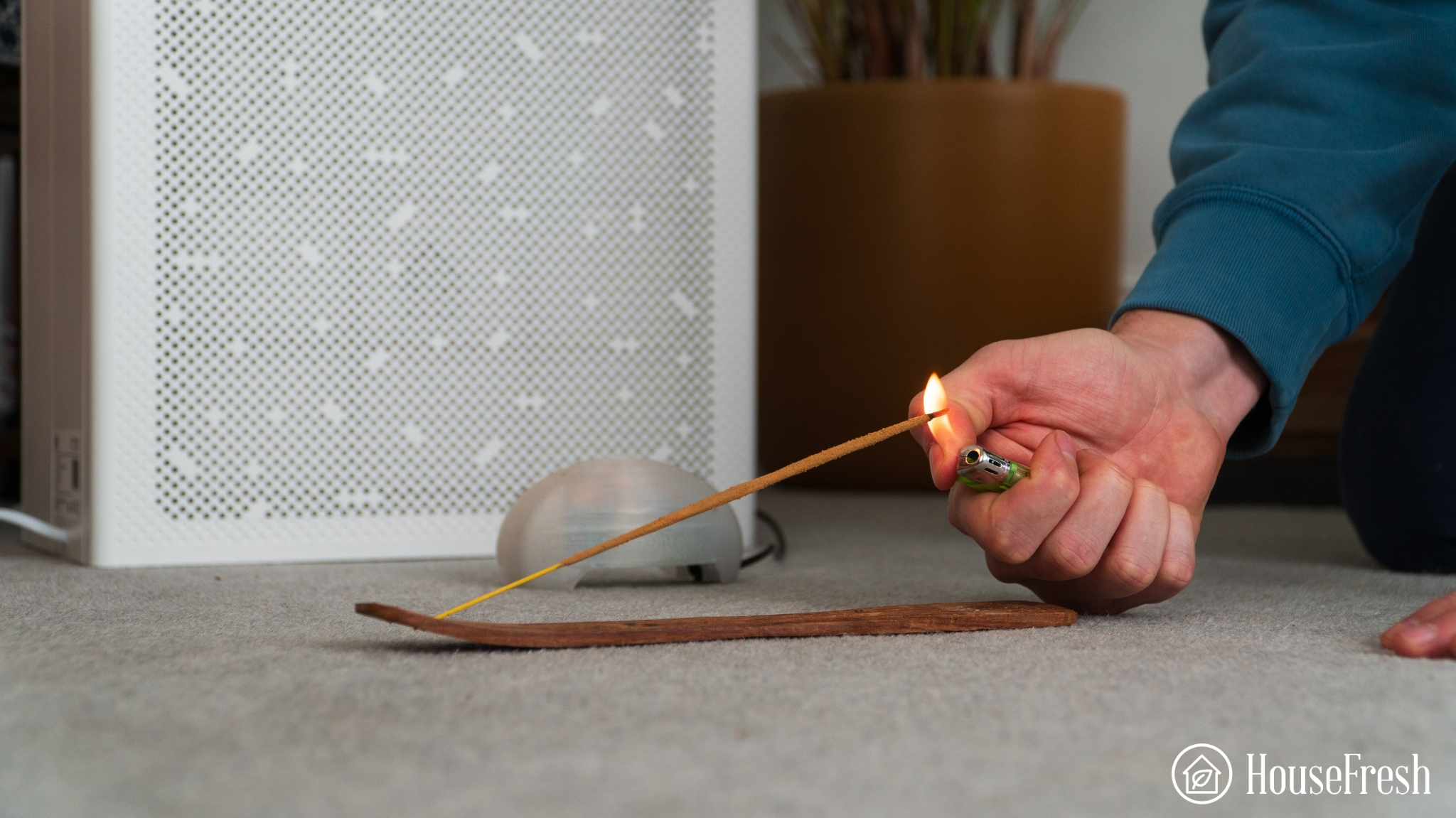
We conduct all of our performance testing in our 705 cubic foot office that we fill with simulated pollution by lighting an incense stick and letting the smoke fill the room. Once the room is packed with pollutants, we turn the air purifier on at full fan speed and time how long it takes to remove the incense smoke from the air. 

We monitor the whole process using our indoor sensor from Purpleair, which gives us updates on PM1.0ug/m3, PM2.5ug/m3 and PM10.0 ug/m3 in real-time so that we can give you the results.

Blueair Blue Pure 411 Test

Another reason we gather this performance data is so that we can compare air purifiers side-by-side. In the case of the 411 and 411+, the data we collect will show us if Blueairsโ€™ upgrade is worth the money.

(Hint: It is)

The 411+ cleared our test room in 43 minutes

The 411 cleared our test room in 68 minutes

As you can see from our air cleaning tests, we have a clear winner here with the upgraded 411+, clearing our performance room 25 minutes faster than the standard 411 model. 

Because we test the cleaning performance of every air purifier we review, we can compare them side-by-side to see how they perform against the competition.

Both of these units fall a little short when compared to larger units on the market, but that is because they are engineered to be most effective in smaller spaces. While the 411+ cleared our performance testing room faster than average (across all the air purifiers weโ€™ve tested), the 411 proves that itโ€™s a little slow and outdated.

Noise levels test results compared

When it comes to noise levels emitted, the vote is yet again tied as they both emit the same level of sound as each other.

Best Quiet Air Purifiers 411

When Blueair released the original 411, they made a quiet unit ideal for bedrooms using their HEPASilentโ„ข technology. Thankfully, theyโ€™ve kept this aspect for the 411+.

At their lowest fan speed, both air purifiers emit a whisper-like 17 dB (quieter than a ticking watch), which youโ€™ll hardly notice. Even at its highest fan speed of 46dB (average room noise), theyโ€™re quieter than many units on the market. 

To show you what we mean, hereโ€™s a chart comparing noise levels to other popular units of similar size.

The chart shows that compared to other units of similar size and cleaning power, the 411 and 411+ are quieter. The Levoit Core 300 is louder, producing 24-48dB, as is the TaoTronics AP005, which emits 25-50dB of noise at its lowest and highest fan speeds.

Cost associated with running each air purifier

Even though they use the same filters and the same amount of energy, you need to run the 411 for longer, at higher speeds, using more energy in the long run.

Blueair Blue Pure 411 Unit

1. Average yearly electricity costs = $10.51 (411+) versus $10.51 (411).

When buying an air purifier, itโ€™s not only the initial cost of the unit you need to consider. Like many other home devices, air purifiers use electricity and electricity costs money (obviously.)

Thatโ€™s why itโ€™s essential to look at how much energy a unit draws before committing to a purchase as (now more than ever), energy costs rack up over time.

Luckily, Blueair is extremely energy conscious, making each of its units as energy efficient as possible, and these two are no exception. Both the 411 and 411+ need minimal electricity to run thanks to the HEPASilentโ„ข filter and efficient motor.

The 411 loses this section as youโ€™ll need to run it at higher speeds for longer periods than the 411+, which, in turn, will use more energy.

2. Yearly filter costs = $47.98 (411+) versus $47.98 (411+)

Another additional cost to consider when buying an air purifier is the price of replacement filters.

HEPA filters are effective at removing harmful pollutants as they are made up of a maze of tiny fibers that capture particles from the air as it passes through them. Because the particles have nowhere to go when trapped, HEPA filters fill up with them and become less effective over time.

It all depends on how polluted your room is, but on average, Blueair suggests you replace the HEPASilentโ„ข filter every 6 months. You can use Blueair genuine filters or replace them with โ€œunofficialโ€ filters from another brand. The unofficial filters are usually cheaper, but weโ€™ve only tested genuine Blueair filters, so I canโ€™t testify to other brands.

As both air purifiers use the same filter replacements, the cost is the same.

BLUEAIR Genuine 411 Series Air Purifier Replacement Filter, Everyday | Authentic 411 Series Filter, The Everyday Carbon & Particle Filter for Blue Pure 411 Series Only. HEPASilent Technology
Blue Pure Replacement Filter for Blueair 411, 411+, 411 Auto Air Purifier | 2-IN-1 Efficient Particulate Activated Carbon 411, 411+, 411 Auto and MINI Filter for Smoke, Pet Dander, Odors, Pollen,2 Pack
Technology
Particle and Activated Carbon Filter
2-Pack Replacement Particle and Activated Carbon Filter
More information
Price
$23.99
$18.88
BLUEAIR Genuine 411 Series Air Purifier Replacement Filter, Everyday | Authentic 411 Series Filter, The Everyday Carbon & Particle Filter for Blue Pure 411 Series Only. HEPASilent Technology
Technology
Particle and Activated Carbon Filter
More information
Price
$23.99
Blue Pure Replacement Filter for Blueair 411, 411+, 411 Auto Air Purifier | 2-IN-1 Efficient Particulate Activated Carbon 411, 411+, 411 Auto and MINI Filter for Smoke, Pet Dander, Odors, Pollen,2 Pack
Technology
2-Pack Replacement Particle and Activated Carbon Filter
More information
Price
$18.88

Bottom Line: Should you get a Blueair Blue Pure 411+ or a 411?

The Blueair 411+ and the 411 are not that different from one another, so which model wins overall?

โœ… If you want a quiet, high-performing and modern-designed air purifier for your bedroom or home office โ€” go for the 411+. 

Blueair Blue Pure 411 Kitchen

โœ… If you want to save a small amount of cash โ€” go for the 411.

Blueair Blue Pure 411 Hallway

This was a pretty easy battle. The data doesnโ€™t lie. The 411 has been left obsolete with the introduction of its upgrade, the 411+. It may share many of the same attributes as its predecessor, but its cleaning performance surpasses the older model.

Most air purifier guides are written by freelance journalists who just repeat manufacturers’ claims and marketing slogans. Here at HouseFresh, we take all our air purifier reviews seriously, we refuse units in exchange for reviews and use our own money to avoid any sort of bias. We put every air purifier through our in-depth testing process in our own home, testing each unit’s cleaning power with an air quality sensor, measuring how much energy each unit uses with an electricity monitor and recording noise levels with a sound level meter.

SOURCES

We calculated the monthly energy consumption costs with the help of the Department of Energyโ€™s appliance energy calculator. We calculated yearly costs associated with running both units for 24 hours a day for 365 days. We ran this calculation utilizing the U.S. average utility rate of $0.12/kWh as of October 6th, 2023. 

This flowchart will tell you if you need an air purifier

Levoit EverestAir Living Room

Here at HouseFresh, we believe everyone should use an air purifier. After all, the air we breathe is literally killing us.

Figuring out if you need one for your home can be a long and winding journey, filled with endless statistics, jargon and miracle claims, which can often sound too good to be true.

To help you in your search, Iโ€™ve set out to answer the age-old question of do you actually need an air purifier, demystified what these machines can do to help improve your air quality and even given you a helping hand on how to find the perfect purifier for your needs. 

So, do you really need an air purifier?

Not sure where to start or even if you need an air purifier? Work your way through this easy-to-digest flowchart to discover whatโ€™s best for you.

Iโ€™ve covered all the most common pollution types you might find in the average home and pointed you in the right direction should you find you might benefit from an air purifier.

Do you need an air purifier Flowchart

If the flowchart led you to an air purifier, you might want to keep reading to learn more about it before spending any money.

How to choose the right air purifier for you

So, youโ€™ve seen the light and been converted to the clean air crew. Now, all you have to do is pick the perfect unit for your specific needs. Sounds simple, right? 

Not quite. A quick search for an air purifier on Amazon.com brings back thousands of results. And the kicker? Most of these are poorly designed and poorly made, so they wonโ€™t make a tangible difference to the air you breathe.

Fortunately, Iโ€™ve done the heavy lifting for you, researching the ins and outs of countless air purifiers and seeing how well they perform in our impartial reviews. 

Just follow these five easy steps, and youโ€™ll be well on your way to a clean-air oasis. 

1. Identify the source(s) contributing to your dirty air

We can categorize pollutants as either external (pollution that occurs outdoors) or internal (pollution that stems from inside the home). It is worth clarifying that outdoor pollution will likely make its way indoors.

Here are some of the most likely culprits that might be affecting your space:

Internal sourcesExternal sources
Pet dander Traffic fumes
Cooking odorsWildfire smoke
Gas stovesPollen
Mold and mildewBacteria and viruses
DustVOCs (chemical gases)
Weed/Cigarette smokeRadon

2. Pick the right air filtration technology to eradicate these pollutants

Fighting fire with fire is the best form of attack when it comes to removing pollutants from your space. And by fire, we mean filters. 

New technologies, such as Ionizers, Peco and UV lights, always crop up in the air purifier world. Many of them make big promises but deliver very little.

To remove pollutants from your space, I suggest you opt for tried and tested mechanical filters such as High Efficiency Particulate Air (HEPA), which are certified to remove at least 99.7% of particulate matter such as dust, pollen and smoke, as small as 0.3 microns in size.  

Variations of HEPA Filtration

The other subset of pollutants youโ€™ll find in the home are Volatile Organic Compounds (VOCs). This term covers all the gasses and odors youโ€™ll find in the average home, including carbon monoxide, secondhand cigarette smoke and even the dogs farts. Youโ€™ll need activated carbon filters to work alongside your HEPA filter to remove these from your space.

How air purifiers work

3. Measure the space you will use your air purifier in

This is where most people go wrong. Air purifiers are designed to work their magic in a specific-sized space. So if you buy a budget unit with small fans and a weaker motor, it will struggle to make a difference in a larger room.

Manufacturers often share a recommended room size to use the purifier in. Be sure to double-check this will: 

A. Cover the intended space 

Volume = room area (length x width) x ceiling height 
i.e 20ft length x 15ft width x 10ft height = 3000 cubic feet

B. Circulate the air in this space more than once an hour (to reap the best rewards, you should look for a unit that can perform at least four air changes per hour)

Minimum CADR = room volume x four air changes รท 60 minutes
i.e 3000 cubic feet x 4 air changes รท 60 minutes = 200 CFM

If math wasn’t your strong suit at school you can put your room size into our CFM calculator and it will tell you what CADR you will need to achieve 4.8 air changes per hour which is what the EPA reccomends:

Tip

In addition to the size of the space, you should also consider the positioning of the unit. Bookmark our guide with tips on where to place your air purifier as you will need it once you buy a device.

4. Assess your budget

Investing in clean air is a shrewd move to make, but a good quality air purifier can range in price from 100 bucks up to 1000. 

Prices will vary depending on how powerful the unit is, the technology it utilizes and the features it possesses. Units from industry-leading manufacturers such as IQAir and Alen will set you back more than those produced by value-for-money brands such as Levoit. 

Tip

If your budget is stretched, prioritize cleaning power (CADR) and quality filters over fancy features, such as air sensors and apps.

Remember that there are ongoing costs associated with using an air purifier. As time passes and pollutants are captured, your filters will become saturated and need to be replaced. If you require constant protection from pollutants (i.e, live near the highway), you may also wish to find an energy-efficient purifier. 

5. Closely evaluate your shortlisted air purifiers

Having ascertained the filtration type and room size suitability, youโ€™ve probably added a few potential air purifiers to your wishlist. At this point, youโ€™ll want to see how well the unit will slot into your space and whether it boasts any additional features.

If you live in a smaller home or apartment, avoiding the bulkier purifiers is probably best. Instead, why not opt for a compact and lightweight unit that can be popped on a shelf or moved from room to room? 

For light sleepers, check out the operating volumes or look for a unit with a specialist Sleep mode that will enable you to breathe clean air throughout the night. Other handy Smart features include in-built air sensors, Auto or Eco modes that react to the changing air pollution levels, or even smart speaker compatibility, allowing you to activate your unit with voice commands.  

Whether you have allergies or live near a busy road, you donโ€™t have to suffer poor air quality inside your own home. But knowing if you need an air purifier, and which option to choose amongst the wealth of units available, can be somewhat overwhelming.ย 

SOURCES

The air purifiers we recommend for your baby’s nursery room

Medify MA 25 Baby nursery room logo

From odors to pet hair, the most effective way of removing pollutants from the air in your baby’s nursery is by introducing an air purifier.

As a rule of thumb, I recommend you look for a model that filters out particles and gases (to remove allergens AND unwanted smells) and that can clean the air in the room five times per hour without generating a lot of noise.

With that in mind, I have shortlisted three air purifiers that you should consider based on test results from over 150 different models. If you want to learn more about our testing methodology, head over to this page.

1. Best for most parents: Coway Airmega Mighty2

A new air purifier from Coway that filters particles and odors without generating a lot of noise.

The Coway Mighty2 will tick off most boxes for most parents because it fits small to medium-sized nursery rooms up to 390 sq. ft. (36 m2), comes with activated carbon to deal with unwanted odors, features a laser sensor that unlocks auto-mode AND it offers excellent air cleaning power.

In our particle removal tests, it outperformed popular models from Levoit, Winix and Blueair while generating less noise.

Coway Mighty2 Performance vs Sound Chart

If you want to set it and forget it, you can leave it on Smart mode and let the sensor control fan speeds as needed depending on the quality of the air. If you’re thinking of doing this, I recommend adjusting the sensitivity of the sensor to Level 1, which is the highest.

It has an all-in-one filter with a particle filter (for pollen and dust) on one side and activated carbon pellets (for odors and gases) on the other.

You also get a pre-filter that you will have to vacuum every couple of weeks, or every week if you have hairy pets at home. I love the design because you can slide it out without opening the front cover โ€“ less mess and dust floating around!

CONS

The buttons are not backlit, so itโ€™s a little challenging to see what youโ€™re pressing at night.
When set to Smart mode, it will automatically go into Sleep mode when the light sensor detects darkness.
It doesnโ€™t come with app support, which isnโ€™t something you need in an air purifier but perhaps you want to have it.

PROS

It offers excellent performance for an air purifier of this size that sells for less than $280.
The filter is much chunkier and larger than the one you get with other mid-sized air purifiers, so you can expect a longer lifespan.
It comes with a laser particle sensor that responds much faster than the optical sensor you get in most other air purifiers at this price point.
It is smaller than other mid-sized air purifiers so it wonโ€™t be hard to find a spot for it, even in small nursery rooms.
It doesn’t use an ionizer so you don’t need to worry about ozone being released into the air.

Clean air delivery rate (CADR):Speed 1: 99 cfm
Speed 2: 151 cfm
Speed 3: 212 cfm
Turbo speed: 260 cfm
Filter technology:Washable pre-filter and bonded pelleted activated Carbon + HEPA-grade particle filter (on sleep mode)
Air quality sensor:Laser particle sensor (PM1, PM2.5, PM10)
Recommended room size (5 air changes per hour):390 sq. ft. (36.23 m2)
Dimensions:16.9 x 17.9 x 9.3 in (43 x 45.5 x 23.7 cm)
Weight:15.2 lbs (6.9 kg)
Noise level in decibels from 3 ft. away:Sleep mode: 35.9 dBA
Speed 1: 38.1 dBA
Speed 2: 42.6 dBA
Speed 3: 49.3 dBA
Turbo speed: 56.9 dBA
Electricity consumption in watts:Standby: 0.39 watts
Sleep mode: 2.53 watts
Speed 1: 4.85 watts
Speed 2: 10.28 watts
Speed 3: 19.88 watts
Turbo speed: 49.12 watts
Filter lifespan:12 months
Manufacturerโ€™s warranty:3 years
Country of origin:South Korea
Country of manufacture:China

READ MY FULL REVIEW โžœ

WATCH MY VIDEO REVIEW โžœ

If youโ€™re looking for an air purifier for a nursery room with app connectivity or if the Mighty2 is unavailable where you live, then Iโ€™ve got two other recommendations for you:

Levoit Vital 200S

The Vital 200S offers similar air cleaning performance to the Airmega Mighty2 at a cheaper price ($189.99) and with app connectivity. The pre-filter is removable and the main filter is bonded, with particle filtration on one side and carbon on the other.

Philips 3200 Series

The Philips 3200 is widely available across countries in Europe, Asia and Oceania. It offers a similar level of air cleaning power and it also comes with app support. Plus, you get a lamp function that could work as a night light for the nursery room.

2. Best for small nursery rooms: Levoit Eleva 300X

A small air purifier with particle and odor filtration and smart features.

If you’re looking for an air purifier for a small nursery room or to place on top of a drawer, then my recommendation is the Eleva 300X from Levoit. Based on our particle removal tests, we calculate that it can clean the air five times per hour in spaces up to 247 sq. ft. (or 23 m2).

When we tested its particle removal speed, it cleared our test room faster than most other small air purifiers while generating 55 dBA of noise.

Levoit Eleva 300X Review Top Speed Performance

The only model that completed the test faster than the Eleva 300X is the Blue Pure 511i Max with Blueair’s signature HEPASilent ionizer technology, which unfortunately cannot be disabled.

You get two filters: a HEPA filter that removes particles from the air and a gas filter with activated carbon pellets that adsorb odors.

And because the filters are separate, you can replace the carbon when it’s full without having to throw away a perfectly good HEPA filter – which is what happens with all-in-one filters like one in the Mighty2 (above).

CONS

The use of AI in the data reporting seems to add complexity and lag for no obvious benefit.
It’s more power-hungry than other small cylindrical models from brands like Dyson and Blueair.
You must register the filters to pair them to the device. If you donโ€™t do this, you lose the filter lifespan tracking function.

PROS

It offers excellent value for your money! It has the lowest cost per CADR across all other small units Iโ€™ve tested.
Its performance at quiet fan speeds rivals that of the $349 Dyson HushJet Compact but for a much cheaper price.
You get two separate filters for particles and gases โ€“ no more all-in-one cylindrical filters youโ€™ll be throwing away sooner than you need to.
It comes with a high quality laser sensor that provides data on PM1, PM2.5 and PM10 particle levels.
You can connect it to Levoit’s VeSync app, which is one of my favorite apps along with the app for Xiaomi and Philips models.

Clean air delivery rate (CADR):โ€“ Top speed PM1 CADR: 165 cfm
โ€“ Sub-45 dBA PM1 CADR: 115 cfm
Filter technology:Separate HEPA particle filter and gas filter with activated carbon pellets.
Recommended room size (5 air changes per hour):247 sq. ft. (23 m2)
Dimensions:9.4 x 9.4 x 15.1 in (23.8 x 23.8 x 38.3 cm)
Weight:9.9 lbs (4.5 kg)
Noise level in decibels from 3 ft. away:Sleep mode: 35.8 dBA
Speed 1: 36.8 dBA
Speed 2: 39.8 dBA
Speed 3: 44.9 dBA
Turbo speed: 55.4 dBA
Electricity consumption in watts:Standby: 0.65 watts
Sleep mode: 1.85 watts
Speed 1: 5.33 watts
Speed 2: 6.91 watts
Speed 3: 10.03 watts
Turbo speed: 23.91 watts
Filter lifespan:HEPA filter: 2 years
Carbon filter: 6 months
Manufacturerโ€™s warranty:2 years
Country of origin:United States
Country of manufacture:China

READ MY FULL REVIEW โžœ

WATCH MY VIDEO REVIEW โžœ

3. Best for large nursery rooms: Coway Airmega ProX

The ProX can clean the air five times per hour in large spaces up to 693 sq. ft. (or 64 m2).

The Coway Airmega ProX is the most powerful residential air purifier we have tested and offers a PM1 CADR of 462 cfm when running at top speed, while generating just 53.6 decibels of noise.

It completed our particle removal test in 13 minutes at a level of quiet performance that we’ve only seen with air purifiers powered with PC fans.

Coway Airmega ProX Top speed sound

It doesn’t have app support but it has a laser sensor and four smart modes: eco, silent, turbo + auto. Plus, real-time particle readings on screen.

Coway Airmega ProX Controls

CONS

It is not cheap, with a list price just over $800.
It doesnโ€™t come with app connectivity, which some people might expect to get when paying upwards of $800.

PROS

Itโ€™s the fastest residential air purifier we tested, ranking 2nd after the commercial beast that is the Smart Air Blast โ€“ we estimate a PM1 CADR of 462 cfm.
It comes with an onboard air quality sensor and shows real-time particle readings on screen paired with a color-coded LED light at the top of the device.
It features four smart modes, giving you more flexibility based on how much power, noise, or energy consumption you want.
It is made of high-quality materials and looks great.

Clean air delivery rate (CADR):โ€“ Top speed PM1 CADR: 462 cfm
โ€“ Sub-45 dBA PM1 CADR: 299 cfm
โ€“ AHAM PM2.5 CADR: 586 cfm (dust)
Filter technology:Green True HEPA filter with pelleted activated carbon
Recommended room size:693 sq. ft. (5 air changes per hour)
Dimensions:18.9 x 36.6 x 24.3 in (48 x 93 x 62 cm)
Weight:51 lbs (23kg)
Noise level in decibels from 3 ft. away:Speed 1: 37.4 dBA
Speed 2: 44.4 dBA
Speed 3: 53.6 dBA
Electricity consumption in watts:Standby: 0 watts
Speed 1: 11.76 watts
Speed 2: 26.09 watts
Speed 3: 58.88 watts
Filter lifespan:12 months
Manufacturerโ€™s warranty:3 years
Country of origin:South Korea
Country of manufacture:South Korea

READ MY FULL REVIEW โžœ

WATCH MY VIDEO REVIEW โžœ

How to choose the right air purifier for your baby’s nursery room

According to the CDC, for an air purifier to be truly effective at cleaning the air, it should be able to perform 5 air changes per hour (or ACH) in a room. Unfortunately, some brands will advertise the room size coverage to achieve just one ACH.

So before you blindly trust the room size recommendation specified by the manufacturer, check the technical specifications to find your desired model’s CADR (or clean air delivery rate).

The rule is simple: a higher CADR (stated in CFM, or cubic feet per meter) means greater cleaning power.

Once you have found the CADR of the model you’re considering, you can find out if it’s powerful enough to clean your baby’s nursery room five times per hour. Just use our CADR calculator to find out what CADR you should be looking for to achieve 5 ACH:

And if you’re still unsure, just send me an email to danny@housefresh.com and I’ll try to help!

Wrapping up

Finding the right air purifier for your babyโ€™s nursery doesnโ€™t need to be daunting or expensive. Simply follow our guide and choose a unit that fits your budget, the size of your space and the features you want from an air purifier.

And if you already have a specific model in mind, you should check out our comparison tool to see how your desired air purifier compares to the over 150 different models we have tested here at HouseFresh:

How to remove pet urine smells from a carpet

Levoit Core 400S Dog logo

Most pet parents are no strangers to pee accidents around their home. A puppy in toilet training can have an occasional mishap, or a territorial cat may want to spray a corner to mark it as its own. Sometimes, you move to a home with old urine stains and just need to remove that ammonia-like odor from your life.

When pets pee on the carpet, and the spot is not properly treated in time, the urine penetrates deep into the carpet fibers; it can soak into the padding and subflooring before drying. The longer it sits, the farther it will expand, and the more deeply it will bind to the fibers.

Thatโ€™s why, in this article, weโ€™ll explore some natural cleaners and methods to treat pet urine stains. So that if an accident does happen, it becomes less stressful to deal with.

Three cleaning solutions for neutralizing pet urine smells

One key thing to understand about pet urine is that it’s not fresh pee that smells bad. Instead, the foul smell is produced by bacteria decomposing the urine. With time, urine crystallizes, sticking into the carpet’s fibers as it dries. Urine crystals trap bacteria that transform the urea contained in the urine into ammonia, gaining that pungent, irritating odor.

So, the quicker you act, the better, as you wonโ€™t give bacteria time to produce the stale, old urine smell. Your best bet is to use one of the following cleaning solutions:

1. Enzymatic cleaners

Efficient stain and odor removers, these cleaners have a bacteria-based formula capable of breaking down the organic compounds found in pet urine and droppings. The protease-based bacteria can break up new and old urine molecules, dissolve lingering odors and remove carpet stains without toxic chemicals.

Tip

Youโ€™ll need a good amount of enzymatic cleaners to remove urine from your carpet so opt for galon-sizede bottles of brands like Natureโ€™s Miracle or unscented Anti Icky Poo.

2. Vinegar and baking soda 

This miracle-maker duo is widely praised by the internet for dealing with unwanted smells. Pet-safe, eco-friendly, affordable and easy to find, vinegar and baking soda are great odor neutralizers. However, their efficiency largely depends on how they are used. 

Vinegar is acidic (its main component is acetic acid) and neutralizes the alkaline salts in dried urine. On the other hand, baking soda is alkaline, hence an anti-acid capable of neutralizing acidic odors, like urine. However, when mixed, they produce a chemical reaction (the fizzing bubbling) that will cancel the properties of each, producing salted water as a result.

If used properly, each one will play its role in removing urine odors by neutralizing the bacteria in the urine, while the fizzy reaction will act on the carpet stains.

3. Hydrogen peroxide

Although widely known for its first aid uses, hydrogen peroxide is also a powerful cleaner capable of removing stubborn stains through an oxidation process (the same chemical reaction as bleach). Commonly found at a 3% H2O2 dilution, hydrogen peroxide is safe for many household uses and very efficient when dealing with stained fabrics. 

Tip

Hydrogen peroxide is less aggressive than regular bleach but can still bleach out the dye of darker carpets. Try it in a corner to see how your carpet reacts before applying it on a wider surface. 

Do not use hot water or steam cleaners. Heat can bind urine proteins into the carpet fibers, permanently setting the stain and odor. Besides, steam cleaners will introduce more moisture to the area and can drive the urine down into the carpet padding and subflooring, even if dry. 

How to clean fresh pet urine from your carpet

As mentioned before, the sooner you get to deal with the pee on your carpet, the more manageable it will be. Taking swift action will greatly lessen the hassle, sparing you from long-term struggles with stubborn stains and lingering odors. 

Upon finding pee on the carpet, follow these steps:

Step 1: Use paper towels or rags to soak up as much moisture as possible, fast

You want to avoid the pee from filtrating into the padding and subflooring. Start by soaking up as much urine as possible from the carpet surface with the help of paper towels or rags. Press down gently to help the paper towels blot down the moisture, but donโ€™t scrub or press down too hard to avoid working the urine further down into the carpet.

Replace the paper towels with new ones and repeat the process until the area is barely damp.

Tip

If you can lift the carpet, put some paper towels under the soiled area to avoid further filtration. 

Step 2: Use tape to delineate the problematic area

Once you have soaked as much liquid as possible and the stain starts to dry up, it can be tricky to see or remember the whole area that needs to be thoroughly cleaned. Thatโ€™s why delimitating it can come in really handy for the whole process. You can use tape, display objects around it or even draw a circle on the carpet surface with your fingers.

Tip

Make a circle slightly bigger than the stain, as urine can spread through the fibers. Once you are at it, you want to make sure no patch is left untreated or that some drops of pee go unnoticed, only to develop a foul smell over time. 

Step 3: Cover the area with baking soda and scrub the carpet

Sprinkle a generous amount of baking soda and let it stick to any remaining dampness. Scrub and rub the powder onto the carpet, as far down as possible, ideally to the bottom of the carpet backing. Add a tad more baking soda and let it absorb the smell as long as possible, at least a few hours. After that, vacuum the carpet to remove the baking soda.

Tip

It can take a couple of vacuuming sessions to fully remove all the leftovers. Empty and clean the vacuumโ€™s bin once you are finished; donโ€™t let the urine-smelling grime to sit on it.

Step 4: Clean any remaining stains with hydrogen peroxide or white vinegar

Once you have removed the urine and neutralized the odor, check for any remaining darker spots on the carpet. It is best to address them sooner rather than later; otherwise, they will be harder to eliminate. 

  1. Pour a small amount of hydrogen peroxide over the stains and gently dab them. 
  2. If hydrogen peroxide is too strong for your carpet, sprinkle more baking soda and spray white vinegar over it for the fizzing reaction. 
  3. Let it sit for about an hour, and then scrub it. 
  4. Lastly, vacuum the area to remove any leftover residue.

Bonus Tip: If an hour has passed, soak urine with an enzymatic cleaner

If the urine has been sitting there for longer than an hour, it probably got into the carpet padding. Itโ€™s best to bring in an enzymatic cleaner or white vinegar to soak the area with either of the two.

If you go for an enzymatic cleaner:

  1. You want to completely soak the area with it. Enzymatic cleaners work better on damp, humid surfaces. 
  2. Keep spraying for as long as the manufacturersโ€™ instructions say it takes the cleaner to eradicate stains and odors.
  3. Make sure the cleaner penetrates the carpet fibers by rubbing it in.
  4. After applying, let it dry naturally.

Caustic chemicals and detergents will kill the bacteria of the enzymatic cleaners, so if you choose to treat the urine using this type of cleaner, donโ€™t apply any other product beforehand.

If you go for white vinegar: 

  1. Fill a spray bottle with a mix of 50% vinegar and 50% water.
  2. Spray the delimited area with a generous amount of the vinegar mix. 
  3. While you spray, rub the area to help the liquid penetrate the fibers and get deep down.
  4. Once applied, let it air dry. The smell of white vinegar will evaporate in a few days. 
Tip

If you are trying to clean a pet urine stain in a carpet with tough fibers that wonโ€™t decolorate, you can spray 100% vinegar without the water. 

How to get old cat urine smell out of your carpet

When urine has had time sitting on your carpet, it likely soaked through the carpet into the padding and subflooring, so youโ€™ll have to clean deep. Besides, the smell will get more intense over time. 

There are a few tricks to try before considering reflooring the room:

Step 1: Use a black light to uncover the dried urine spot(s)

Dried urine may not be visible to the naked eye. Youโ€™ll know itโ€™s there because it smells, but the tricky part is finding the actual spot that needs cleaning. 

Use a black light to track down the stain; the damaged areas will glow with a greenish or yellowish light thanks to the phosphorus in the urine. Once youโ€™ve spotted it, make sure to mark it. 

Tip

You donโ€™t want to skimp here: urine may have soaked into the carpet pad, spreading through an area at least twice as large as it appears on the surface.

Step 2: Vacuum and rehydrate the area 

Start by vacuuming the area thoroughly to remove as much soil as possible. It will make the cleaning process easier, with no debris or dirt interfering. Then, spray a small amount of cold water to rehydrate the urine. 

At this point, the smell will probably intensify; thatโ€™s normal. As it gets moist, the urine will smell worse. But no cleaner will be able to break down the dried, crystallized urine either.

Step 3: Apply an enzymatic cleaner directly on the carpet

The protease enzymes will work their way through the slightly humid fiber and break down the urine molecules. 

  1. Instead of spraying, directly pour the enzymatic cleaner liberally into the carpet surface.
  2. Rub it in to help the cleaner reach the underside of the carpet and the padding.
  3. Let it sit for as long as the manufacturerโ€™s instructions recommend.
  4. Cover the area to keep it from completely drying out while the cleaner does its job.
  5. Finally, let it air dry.
Tip

The urine smell is persistent; it probably wonโ€™t go away on the first try. Make a second and third application if necessary. However, let the spot dry between enzyme treatments. 

Step 4: Clean the carpet with baking soda and vaccum

Once the enzymatic cleaner is dry, sprinkle the area with baking soda and let it neutralize any remaining odors. Vacuum the whole area. If the spot is near any walls or baseboards, wash those as well with the enzymatic cleaner.  

If the smell lingers after this thorough cleaning, then the urine probably leached onto the subflooring. 

Subfloorings are generally made of materials like wood that can absorb liquids, including urine. So, to completely eradicate the smell, youโ€™ll need to neutralize it down there.

A professional can help eradicate smells by treating the subfloor and replacing the padding.

If you are up to doing it yourself, follow these steps:

  1. Pull up the carpet and pad to get to the subfloor and find the stain. 
  2. Pour enzymatic cleaner into the stained area as you did in the carpet and then let it dry
  3. Seal the area with a layer of oil-based, stain-blocking primer. 
  4. Check the padding condition; if it retains even a mild odor, it would be best to replace that bit.
  5. Reinstall the carpet in the treated area. 

How an air purifier can help remove pet urine smells

The best way to deal with cat urine smell around the house is to address any recent or old mishap and remove all traces from the carpet. Introducing an air purifier can help deal with the smell while the cleaning process is underway.

If you are planning on investing in an air purifier to tackle urine smell, make sure the unit you choose fits the following criteria:

โœ… Activated carbon filtration โ€” The only way an air purifier can help deal with unwanted smells is by filtrating odors with a layer of activated carbon that can adsorb contaminants in a gaseous state.

โœ… HEPA filtration โ€” While activated carbon is excellent for odor control, we still want to remove any particles generated from pet hair and dander, which can add to odor issues.

โœ… Enough power to clean the air in your room โ€” You need to choose an air purifier that will be able to effectively clean the air in a room as big as yours. If you have your floor space figure, you can use our CFM calculator to find what CADR you will need to look for before buying a unit:

At HouseFresh, we believe in providing honest air purifier reviews, even if a unit falls short of our expectations (or exceeds them). That is why we buy and test the unitsโ€™ real-world performance in our own home lab. 

Tip

Based on our results and hands-on experience, weโ€™ve selected three air purifiers capable of combating urine smells effectively:

  • Our top pick is the EverestAir. The fastest air purifier we have ever tested, the EverestAir looks as good as it cleans the air.
  • Our budget pick is the Levoit Core 300. Excellent air cleaning performance for less than $100.
  • Our pick for large rooms is the Alen BreatheSmart 75i. This powerful air purifier will be supercharged by Alenโ€™s B7-Fresh filter with 3.6 lbs of activated carbon.

Check out our full list to find the best air purifier for pet odor.

Final thoughts

Dealing with pet urine stains and their lingering odors may feel like a daunting task. Yet, with the right knowledge and cleaners, you can tackle the problem and get rid of the unwanted smells. 

Besides, if your pet is repeatedly urinating in a particular spot, eliminating any trace of it will also discourage them from any potential reoffending. 

The sooner you address the stains, the better your chances of completely eliminating the smell. But while you are at it, an air purifier with HEPA and activated carbon filters will freshen up the air until you get to the root of it. 

SOURCES

Alen BreatheSmart Flex review

Alen BreatheSmart

Alen is a well-known brand in the world of air purifiers and the Austin-based company has been building air purifiers since 1999. They currently have 72 employees and had a revenue of just under 30 million dollars last year. 

One of their stand-out features is a lifetime guarantee โ€” unique in the air purifier industry, but it does require you to sign up for their filter subscription. We have already reviewed the Alen 75i and 45i, which impressed us, although they are a little pricier than competitors with similar air cleaning performance. 

The Alen Breathsmart Flex is based on the 45i but lacks the ionizer and smart features. It still has a similar level of air-cleaning power and looks very similar. We were keen to test the performance of the Breathsmart Flex in our home and see if it matched the performance of the Alen 45i.

Most air purifier reviews are just pictures and overly optimistic write-ups. Journalists at these publications are biased to sell the unit without digging deeper than running the air purifier a few times.  We donโ€™t have deals with manufacturers or a big corporation watching what we say, and we have no problem saying if an air purifier is terrible.

We donโ€™t just take manufacturers at their word, either; we test all our units in our home lab to see how well they remove particles and share this data directly with you.

how we test
How we test air purifiers

Read our full testing methodology.

On paper, the Alen BreatheSmart Flex is very similar to the Alen 45i, although it lacks many smart features and an ionizer function. Read on to find out what differentiates these two Alen air purifiers.

The lowdown on the Alen BreatheSmart Flex

Danny Ashton HouseFresh
โ€œA powerful and quiet air purifier without the bells and whistles you find with other models โ€” that reduces the initial cost and you still get Alenโ€™s lifetime warrantyโ€
โ€” Danny Ashton, HouseFresh Founder & Senior Writer
Alen BreatheSmart

What we really like

Lower price for a similar CADR to the Alen 45i โ€” both units cleaned all PM1 pollutants from our test room in exactly 34 minutes.
Maximum of 50.7 dB at its highest speed, which compares favorably with other competing models with this CADR.
24.2 watts at its highest setting makes this one of the most efficient air purifiers we have tested and keeps long-term costs low.
Options to choose filters for specific needs such as those with higher levels of activated charcoal for more severe issues with VOCs, gasses and odors.
Lifetime warranty, which is something you only get with Alen air purifiers.

What we think could be better

No smart features such as App support or Auto mode โ€” you need to pay extra for the Alen 45i to get this.
Filter costs are higher with Alen, over $100 for the HeavySmoke filter that includes 2+ lbs of activated charcoal.

HouseFresh rating:โ˜…โ˜…โ˜…โ˜…โ˜†
Time to clean our 728 cubic feet test room (with the device running at top speed):34 minutes
Air purifier technology:H13 HEPA with an option for activated charcoal (Fresh, Odorcell and Heavy Smoke options available)
Recommended room size (4.8 air changes per hour):296 sq. ft.
Clean air delivery rate (CADR):Dust: 208.8 CFM
Smoke: 191 CFM
Pollen: 245.4 CFM
Dimensions (in inches / in cm):25H x 15W x 8.5D inches (63.5 x 38.1 x 21.59 cm)
Weight (in pounds / in kg):15 lbs (6.8 kg)
Filter life:9-12 months
Noise level in decibels (measured from 3 ft. away with a sound level meter):Speed 1: 35.7 dB
Speed 2: 45.5 dB
Speed 3: 50.7 dB
Electricity consumption in watts (recorded with an electricity usage monitor):Standby mode: 0.8 watts
Speed 1: 2.9 watts
Speed 2: 6.3 watts
Speed 3: 14 watts
Speed 4: 24.2 watts
Estimated running cost (electricity consumption + official filter replacement):$105.91 per year
Cost per CADR cfm (based on dust CFM as reported by AHAM):$1.21
Manufacturerโ€™s warranty:Lifetime (with product registration & active filter subscription)
Country of manufacture:China

A fairly standard “Alen-looking” air purifier

The Alen Flex has a simple design and a small footprint considering its power.

You get a fairly standard Alen design with the Alen Flex, with a shiny white cover and a control panel on top. This is the same design you will see across other Alen devices in the BreatheSmart series such as the 45i and the 75i.

Alen BreatheSmart

It doesnโ€™t particularly stand out, but itโ€™s also unlikely to be something to start a conversation for the wrong reasons.

The control panel is simple and straightforward, in line with other air purifiers by Alen.

Alen BreatheSmart Flex Controls Alen BreatheSmart Flex VS Alen BeatheSmart

From left to right:

  • Filter indicator with three lights (green, yellow, red) to warn you when the filter needs to be replaced
  • Timer button to set the air purifier so it runs for 2, 4 or 12 hours before turning off automatically
  • Power button in the center to turn the unit on and off
  • Speed button to switch between fan speeds (with the highest being Turbo speed)
  • Lock button which allows you to lock the control panel after pressing and holding it for three seconds

Comparing the Alen Flex with the Alen 45i

If you have been researching Alen air purifiers for a while, you are likely to have run into another unit that looks A LOT like the Flex: the Alen BreatheSmart 45i.

When comparing the Flex to the 45i side by side, you will see that they both look as if they were to have been built from the same mold, with nearly identical design:

Alen BreatheSmart Flex VS Alen BeatheSmart 45i

Both the Alen 45i and the Alen Flex have many of the same features, such as the child safety guard and a removable front cover that can be swapped out for five different colors.

The biggest difference comes when you compare the control panel of both units side by side:

Comparing the Alen Flex VS Alen 45i

The control panel of the Alen Flex lacks buttons for the ionizer, auto mode and options for adjusting the light. 

That means that unlike the 45i, the Flex doesnโ€™t come in an in-built ionizer function (yay for those who prefer mechanical filtration only!) or with an auto mode (it does however come with a timer function, which is not the same but itโ€™s good to have).

Something worth noting: The Flex does not offer app support.

That said, you can connect your Alen Flex with the Alen air quality monitor, enabling you to understand your air quality and enable intelligent air purifier features. However, the monitor costs $129. 

Tip

If smart functions are important to you, you should consider going for the Alen BreatheSmart 45i instead as it will offer more bang for your buck.

High quality customizable filters 

As default you will get medical-grade H13 HEPA filtration, but you can choose different levels of carbon filtration as well.

Alen BreatheSmart Flex Pre Filter

As with all the Alen air purifiers, you will get to pick from four different options when buying your Flex:

B4-Pure FilterCaptures allergens, dust, mold, and germs
B4-Fresh FilterAll of the above + carbon to absorb common household odors 
B4-Odor FilterAll of the above + odor neutralizer to absorb pet odors and other unwanted smells 
FL40-H Heavy Smoke FilterAll of the above + 2.3 lbs of active carbon to absorb chemicals, VOCs and smoke

Every single Alen filter includes medical-grade H13 HEPA filtration that captures 99.9% of particles as small as 0.1 micron (e.g. dust, allergens, and harmful fine pollutants).

Alen BreatheSmart Flex HEPA Filter

That said, my recommendation would be to get at least the FL40 Filter, as it comes with 2.3 lbs of activated carbon that can help remove unwanted smells and dangerous gases from the air.

The additional cost on top of the basic B4-Pure Filter is not a lot, and you will get an activated carbon filter in addition to the H13 HEPA filter:

Alen BreatheSmart Flex Activated Carbon Filter CloseUp

But if you just want an air purifier for allergies and do not need gas or odor removal, you can save a little money with the B4-Pure Filter filter option.

Tip

As with many HEPA-based air purifiers, the filters for the Alen Flex arrive inside a plastic bag, so be sure to remove them from the wrapping before you use them. 

I was pleased to report that the Alen Flex filter had an ample red warning to remove the plastic, so I canโ€™t imagine anyone ignoring this. I wish more air purifier manufacturers would do this.

Alen Flex Filter Bag

Changing the filter in the Alen BreatheSmart Flex is pretty straightforward. You just need to remove the back panel and you will be able to access the filters. Check out the video below for a step-by-step guide:

The Alen Flex cleared our test room in 34 minutes

Thatโ€™s the exact same time it took the more expensive Alen 45i, which uses an ionizer!

As with all the reviews we produce at HouseFresh, we tested the Alen Breathsmart Flex in our test room, which measures 728 cubic feet. We burned an incense stick to simulate indoor pollution and used two Purpleair laser particle counter sensors to record how long it took for the Alen Flex to remove PM1, PM2.5 and PM10 particles from the air.

You can see the test results in the chart below:

As you can see, the Alen Flex cleaned our test room at the exact same speed as the upgraded Alen BreatheSmart 45i. It will be effective for small to medium-sized rooms. For those with large rooms, you will want to look at the much larger Alen 75i.

Noise levels test results, compared

As with the Alen 45i, the Flex is one of the quietest air purifiers we have tested here at HouseFresh. At its highest level, it hits a maximum of 50.7 dB(A), less than the sound generated by a standard refrigerator.

In comparison, many air purifiers with similar power levels can reach beyond 55 dB and the Mila and IQAir Healthpro Plus go up to 59.2 dB and 61.2 dB, respectively. One feature of Alen air purifiers is that they also utilize pink noise, which is meant to be even more sleep-friendly white noise. 

We know noise can be subjective, so here’s a video to allow you to hear the different noise levels associated with running the Alen Flex across each of the available fan speeds:

The cost to run an Alen Flex: $83,23 per year

This calculation assumes you will stick to OEM filter replacements from Alen.

1. Electricity costs = $25.23 per year

Even at the highest speed, the Breathsmart Flex only pulled 24.2 watts, which is MUCH LESS than many competing air purifiers with this level of air cleaning performance. This means you can leave this unit on without worrying about large energy bills. 

2. Filter costs = $58.00 per year

The Breathsmart Flex uses the same filter choices we see with the Alen 45i, and on average, they are a little higher than we see from budget brands like Levoit or Taotronics. For those looking for large amounts of activated carbon, you will also have to pay a little more as these filters cost more than the Pure version. 

If you donโ€™t mind choosing non-Alen filters, you can get generic filters that cost $45.99 instead of $58 to reduce this cost a little.

Alen Air Filter B4-Pure Replacement H13 True HEPA Filter for BreatheSmart 45i & Flex Air Purifier - Captures Allergens, Dust, & Mold (1 Filter)
Flintar B4-Fresh Replacement Filter, Compatible with Alen BreatheSmart Flex and 45i Air Purifier, H13 Grade High Efficiency Air Filtration with 12 oz. Activated Carbon Pellets, 1-Pack
Technology
Alen FLEX Pure Filter Replacement (H13 Grade True HEPA)
H13 Grade True HEPA + 3 Pre-Filters
More information
Price
Price not available
$34.99
Alen Air Filter B4-Pure Replacement H13 True HEPA Filter for BreatheSmart 45i & Flex Air Purifier - Captures Allergens, Dust, & Mold (1 Filter)
Technology
Alen FLEX Pure Filter Replacement (H13 Grade True HEPA)
More information
Price
Price not available
Flintar B4-Fresh Replacement Filter, Compatible with Alen BreatheSmart Flex and 45i Air Purifier, H13 Grade High Efficiency Air Filtration with 12 oz. Activated Carbon Pellets, 1-Pack
Technology
H13 Grade True HEPA + 3 Pre-Filters
More information
Price
$34.99

Bottom line: Should you get an Alen Flex?

The perfect option for Alen fans who don’t want ionization technology and who don’t care about smart features.

The Alen Flex is the cheapest Alen air purifier sold. They can sell it at a lower cost than the Alen 45i as it lacks the ionizer and smart features. The Flex still benefits from the high level of air cleaning performance, filter options and lifetime warranty that all Alen brand air purifiers benefit from.

Alen BreatheSmart Flex Living Room

If you donโ€™t mind giving up the smart and auto mode for timers, then the Alen Breathsmart Flex is an air purifier that will do an excellent job keeping small-medium-sized rooms clean. It doesnโ€™t create too much noise and has very low energy consumption.

How to ventilate a room without windows

How to Ventilate a Room Without Windows

When you buy a house, youโ€™re also purchasing an unexpected education in the systems that support it. Chief among these systems is the homeโ€™s ventilation and airflow, which most of us donโ€™t think about until we deal with the challenge of ventilating a room without windows. 

Whether itโ€™s a finished basement that smells … unfinished or a bonus space converted into an unofficial bedroom, a windowless room can be challenging to ventilate correctly, especially in modern homes that are much more airtight than older ones.

And ventilation is essential for both your comfort and your health. Luckily, you have many options for ventilating a room without windows, ranging from no-cost, no-work alternatives to more ambitious projects.

Every space is different. Depending on the roomโ€™s location in the house and access to exterior walls, you can pursue a few different strategies for improving its airflow.

1. Improve airflow inside

The first step in improving ventilation is to improve the airflow within the space:

  • Open doors – The easiest thing to do is to open up (or remove) the door to the space, allowing the air from the rest of the house to flow into it and the stale air to flow out.
     
  • Declutter – If the room is packed full of stuff, air wonโ€™t be able to move. Removing extra furniture and storing everything out of the way will help improve ventilation.
     
  • Add fans – A doorway fan, ceiling fan, or even an inexpensive pedestal fan can create a healthier airflow.

2. Introduce fresh air

Improving airflow is critical, but a more comprehensive solution will involve bringing fresh air into the space. If the room has an exterior wall, you should consider finding a way to get outside air into the room:

  • Extractor fan – An in-wall air conditioner with a fan setting or an exhaust fan (sometimes called an extractor fan) can help bring fresher air into the room. 
  • Transfer fan – Adding this to an interior wall can help bring air in from the rest of the house or a room with an exterior wall with a fan or AC unit installed.

If an air conditioner or exhaust fan is out of the question, consider more passive ventilating materials:

  • Air bricks: These bricks contain ventilation holes that allow air to pass through them. Installing one in an exterior wall will allow outside air to circulate.
  • Passive vents: Resembling a heating or cooling vent, these are air inlets with louvers that rely on natural air movement and pressure to ventilate a space. 
  • Mechanical ventilation system: Installing a mechanical system is the most effective way to ventilate a windowless room. A Mechanical Ventilation with Heat Recovery (MVHR) or Single Room Heat Recovery (SRHR) system pulls stale, hot air from the room, extracts the heat, and then introduces fresh air back into the space. However, these systems can be expensive and complex to install, especially when retrofitted.

The best solution for ventilating a windowless room is to find ways to bring fresh air into the spaceโ€”but if thatโ€™s not possible, or if passive ventilation techniques arenโ€™t moving enough air, you can improve the situation with an air purifier. 

Even if your solution adequately ventilates a windowless room, an air purifier can improve the air quality in the room even more.

Thatโ€™s because passive ventilation systems and interior-mounted fans arenโ€™t removing pollutants from the airโ€”theyโ€™re just moving them around. Even if youโ€™re pulling air from the rest of the house, youโ€™re likely simply shifting a set of particulates from one space to another because they have nowhere to go. 

It’s also worth mentioning that when bringing fresh air into a space, unless your ventilation system includes a filtering component, youโ€™re probably bringing new pollutants into the room as well, exacerbating the situation.

An appropriately sized air purifier equipped with a high-efficiency particulate air (HEPA) filter combined with a passive ventilation system or some fans will capture those allergens and other particles and help ensure the mood youโ€™re moving into your windowless room is clean and healthy.

Not sure which air purifier to get? We have ranked the best air purifiers based on hours of testing in our home lab. If youโ€™re still unsure after reading that article, email Danny at danny@housefresh.com; he can help.

Why is ventilation so important?

One of the primary motivations for improving room ventilation is to eliminate damp or bad smells. Stale air has a scent caused by carbon dioxide (CO2) buildup and mold and mildew growth. 

And air that isnโ€™t moving can amplify other smells in the space, making it unpleasant to be in the room, which reduces its usefulness.

But a room lacking ventilation and fresh air isnโ€™t just uncomfortableโ€”itโ€™s unhealthy. Contaminants like germs and dust canโ€™t be filtered out without proper ventilation, which can help spread diseases and exacerbate conditions like asthma. 

 A windowless room can lead to a buildup of harmful gases like CO2 or radon, a carcinogen. And poor indoor air quality can result in a long list of health issues, including

  • Fatigue
  • Fever
  • Nausea and digestive problems
  • Loss of concentration
  • Chronic headaches
  • Airway irritation
  • Respiratory disease
  • Heart disease
  • Cancer
  • Liver and kidney damage

Just as important as your health is the health of the house itself. Poor ventilation can make a room more humid, leading to uncontrolled mold growth. Indoor mold can have a substantial and negative impact on your health, causing breathing difficulty, skin rashes and other allergic reactions. 

Airflow is crucial in reducing humidity, as it allows the humid air to be vented outside and encourages drier air into the space.

Final thoughts 

A windowless room can be an obstacle to getting the most enjoyment and use out of your home if itโ€™s stuffy and unpleasantโ€”not to mention the potentially negative impact on your health.

But you have a range of options for improving the situation, some of which cost very little money and time, so thereโ€™s no reason to put up with a lack of ventilation. 

A few dollars, some creativity and an understanding of the vital importance of proper airflow are all you need to make a windowless room not just usable but enjoyable.

SOURCES

Do HEPA filters really remove viruses?

Levoit EverestAir HEPA Filter

The COVID-19 pandemic fundamentally changed how we operated as a society. The โ€œnew normal,โ€ a concept coined in 2008 after the financial crisis but then promptly forgotten, made a jarring comeback. 

Fast-forward to 2024, a few years after the worst of the pandemic, and things seem to have returned to the โ€œold normal.โ€ But still, itโ€™s crucial not to become complacent. According to the CDC, 123.5 out of 100,000 people in the U.S. still get hospitalized for COVID-19, which means taking care of your air quality to prevent the spread of viruses and pathogens remains essential.

But you may remember that there was a time when we werenโ€™t sure how exactly SARS-CoV-2 spread. It wasnโ€™t only until May 2021 that the CDC updated its guidance and acknowledged the virus was airborne. The World Health Organization then corroborated that in December 2021 and has updated their definition to โ€œthrough the air transmissionโ€ in April 2024.

All this (finally) leads us to the pressing question: Do HEPA filters really remove airborne viruses? Letโ€™s examine how they work to see what they can do for the regular consumer.

What HEPA filtration science says about virus removal

HEPA (high-efficiency particulate air) filters are pleated sheets of the thinnest fibers intertwined to form a maze. According to the Environmental Protection Agency, HEPA filters can remove at least 99.97% of dust, pollen, mold, bacteria, and any airborne particles with a size of 0.3 microns (ยตm). 

But this doesnโ€™t mean that it only works on particles this size.

HEPA grades are given for particles of 0.3 microns because these are the most penetrating size and the hardest to deal with by a filter.

In fact, HEPA filters can pick up smaller particles more easily. This is because the virus particles are pushed around by gas particles, increasing the chance of colliding with the filter fibers.

Viruses range from 0.02 to 0.5 microns. Influenza (the common flu) and SARS-CoV-2, for example, are approximately 0.1 microns. This means virus-size particles can easily be removed with HEPA-grade filters. 

There have also been several studies that look directly at how well air filters work at removing COVID-19 virus particles.

Research carried out on coronavirus wards at Addenbrooke’s Hospital suggests that air filter machines removed almost all traces of airborne COVID-19 virus. To corroborate that research, a Japanese study showed that filtration using HEPA filters can consistently remove infectious SARS-CoV-2 from the air.

Bottom line: HEPA filters can effectively deal with airborne viruses.

Thereโ€™s a lot of scientific research on how activated carbon filters can remove viruses and bacteria from water. Unfortunately, outside of the water, activated carbon filters can only adsorb gasses in the air, so they wonโ€™t do anything for airborne virus particles.

Five tips for using an air purifier when youโ€™re sick

Research has told us that air purifiers are effective tools for fighting off viruses. If itโ€™s within your budget, you might want to consider investing in one to help ensure you keep a healthy home environment.

Here are some things to consider when using an air purifier to stave off sickness.

Tip #1: Make sure the air purifier has the right CADR for your room size

CADR (or clean air delivery rate) is how air purifiers are rated based on their particle removal performance. 

A small air purifier will be too weak for a huge space, so you will want to choose one with a CADR high enough to provide at least 4.8 air changes per hour (or ACH). 

As a rule of thumb, choose large air purifiers for large rooms, and be wary of tiny devices, as they are unlikely to provide enough air changes per hour in even the smallest of rooms. 

Be aware that each room of your house will need an air purifier, so look for the right size for each room you want to keep clean.

Tip

We created a CADR calculator to make this easy to quickly figure out what is the right CADR for a specific room.

Tip #2: Run the air purifier 24/7

According to Faye McNeill of Columbia University, air purifiers’ auto modes arenโ€™t adequate when trying to filter out airborne viruses or pathogens. Instead, you should run your air purifier at its strongest setting 24/7 while you or anybody in your household is sick to maximize the filtration of pollution and pathogens.

Tip #3: Place the unit strategically

If you live in a small apartment and have a very large air purifier that can cover it entirely, you wonโ€™t have to worry about this too much. If not, experts suggest placing the air purifier three feet away from the person who is sick. Make sure there are no objects or walls blocking airflow.

Tip #4: Keep your pre-filter clean

Many air purifiers include a pre-filter used to catch large particles. Unless you clean it regularly, a dirty pre-filter can reduce the effectiveness of your device by up to 40%. 

Through our own tests, we confirmed that dirty pre-filters can impact performance. So, we recommend purchasing air purifiers with a removable pre-filter to make it easier and healthier for you to vacuum and wipe them (or rinse them if itโ€™s a washable pre-filter) every few weeks.

Tip #4: Change the filters periodically

HEPA filters become more effective at capturing particles over time, but all the trapped particles eventually clog the filter, making it more difficult for air to pass through it.

DIY 1.0 Longevity Test Graph Smart Air
SOURCE: Smart Air

That is why it is important to replace your HEPA filter periodically.

Many air purifiers have in-built systems that notify you when the filter needs to be replaced. However, as a general rule, you should assess whether you need to replace your filters every six months.

When replacing a dirty HEPA filter after sickness, wear protective gear (face mask, goggles, gloves) and place the used filter in a disposal bag. This is also a good moment to give your air purifier a disinfecting scrub.

Yes, HEPA filters will help remove viruses from your air

The tiny particles associated with viruses like COVID-19 and influenza are so small that our bodies naturally canโ€™t block them. 

The good news is that HEPA, which was initially designed to protect workers from radioactive materials, is extremely effective at capturing these tiny airborne particles.

However, this doesnโ€™t mean that HEPA will reduce risk to zero. HEPA filtration is just one layer of the โ€œSwiss Cheese Model.โ€

To maximize your protection when someone is sick in your home, you should still consider minimizing contact with that person (although we know that might not be at all possible in some cases) and ventilating your house.

SOURCES

Okaysou AirMax 10L Pro review

Okaysou AirMax 10L Pro Living Room

Okaysou has been around since 2018 and, according to Linkedin, only has eight employees, mostly based in China. I became aware of their air purifiers when they started ranking among the most popular units sold on Amazon. 

They have also been marketing heavily, with TikTok posts showing how their air purifiers catch pollutants in the home.  

TikTok Okaysou

The AirMax 10L (available since December 2020) is a larger update to their popular AirMax 8L. It has a 5-in-1 filter system that combines different filters, including a rare ionic silver filter and two H13 filters. 

Since 2022, the team at Okaysou has sent our team no less than eight messages asking us to join their affiliate scheme and receive a free air purifier. We never accept free air purifiers, though. We bought the AirMax 10L with our own money, so you can be sure this review will be honest and unbiased.  

We also donโ€™t rely on what manufacturers say; we test all the units we review by analyzing how quickly they remove the smallest particles from the air. We can compare performance across brands and models by testing all our air purifiers in the same-sized space.

how we test
How we test air purifiers

Read our full testing methodology.

UPDATE 2024: Okaysou Corporation has declared bankruptcy

For those who own one of their units, some generic filters are still available on Amazon, but we don’t know for how long.

In 2022, Arovast Corporation and Etekcity Corporation (owners of the trademark Levoit) presented a patent lawsuit against Okaysou. They argued a design patent infringement on Okaysouโ€™s Cayman 608 (which looks A LOT like the Levoit Core 400S) and Apollo 718 (a copy of Levoit Vital 100).

Levoit Vs Okaysou

Almost a year later, Okaysu Corporation declared bankruptcy by filing a Chapter 11 voluntary petition. This is known as a “reorganization” bankruptcy because the company is allowed to continue its operations while it develops a plan to repay its creditors. 

The case then took a turn when Amazon joined forces in a Conversion Motion, which is a request to convert the reorganization bankruptcy into a โ€œliquidationโ€ bankruptcy. Liquidation, Chapter 7 of the Bankruptcy Code, means selling the companyโ€™s assets to pay off its debts. 

In December 2023, they achieved it: the court decided to convert the case to Chapter 7. Okaysouโ€™s website is currently down, and thereโ€™s no official Okaysou store on Amazon, either. The company’s prospects donโ€™t look good at all. 

Tip

If you own an Okaysou air purifier, I recommend buying filter replacements in bulk if you find them to ensure you can still use your device for a little longer.

The lowdown on the Okaysou AirMax 10L Pro

Danny Ashton HouseFresh
โ€œThe Okaysou AirMax 10L Pro fails to meet the hype of its marketing and didnโ€™t impress us in our real world air cleaning test and electricity usage.โ€
โ€” Danny Ashton, HouseFresh Founder & Senior Writer
Okaysou AirMax 10L Pro Close Up

PRICE on amazon PRICE on EBAY

What we really like

Air quality sensor is not something you usually see at this price point for air purifiers
Simple button controls that are easy to use
Size is easy to live with and wouldnโ€™t stand out in a bedroom or small room
At $149.99, itโ€™s as affordable as other units with similar CADR scores
Auto-mode is another feature rarely found with cheaper air purifiers

What we think could be better

5-in-1 filter feels cheap and failed to show effectiveness in our particle removal test
High energy usage, especially when considering its low level of cleaning power
Filter costs are a little higher than other budget brands like Blueair Pure and Levoit

HouseFresh rating:โ˜…โ˜…โ˜…โ˜†โ˜†
Time to clean our 728 cubic feet test room (with the device running at top speed):42 minutes
Air purifier technology:Pre-filter, H13 dual HEPA filters, Advanced Blue Nano Ionic Silver Filter, Honeycomb Activated Carbon Filter
Recommended room size (4.8 air changes per hour):300 to 1000 sq. ft. 
Clean air delivery rate (CADR):Dust: 147 CFM
Dimensions (in inches / in cm):13.2L x 7.2W x 19H inches (33.5L x 18.3W x 48.2H cm)
Weight (in pounds / in kg):18.84 lbs (8.55 kg)
Filter life:6 months
Noise level in decibels (measured from 3 ft. away with a sound level meter):Speed 1: 38.8 dB
Speed 2: 45.3 dB 
Speed 3: 55.6 dB
Electricity consumption in watts (recorded with an electricity usage monitor):Standby mode: 0 watts
Speed 1: 33.32 watts
Speed 2: 39.92 watts
Speed 3: 58.22 watts
Speed 4: 58.05 watts
Estimated running cost (electricity consumption + official filter replacement):$188.44 per year
Cost per CADR cfm (based on dust CFM as reported by AHAM):$1.02
Manufacturerโ€™s warranty:5 years
Country of manufacture:China

Looks like a Levoit and Alen had a baby

This unit resembles the Levoit Vital 100 and takes many design features from other units like the Alen 45i. It also looks very similar to the Coway Airmega AP-1512HH. 

Okaysou AirMax 10L Pro Front

Itโ€™s fair to say that the designers at Okaysou took inspiration from the best-selling units made by major air purifier brands in designing the AirMax 10L.

In the photo below, you can see the AirMax 10L Pro side by side with the Levoit Vital 100:

Okaysou AirMax 10L Pro Levoit Vital 100 Comparison

The design is not a total rip off but the front panel of the Okaysou AirMax 10L Pro does bear some resemblance to the front panel of the Levoit Vital 100.

Things change when looking at both units side by side:

Okaysou AirMax 10L Pro Levoit Design Comparison

When looking at the Okaysou AirMax 10L Pro profile, you can see that itโ€™s reminiscent of the air purifiers designed by Alen:

Okaysou AirMax 10L Pro Alen 45i Comparison

As you can see, itโ€™s much smaller than the Alen 45i but it does feel like a little sibling. Even the air quality sensor is on the same side of the unit:

Okaysou AirMax 10L Pro Sensor

The air quality sensor is the main smart feature available on the Okaysou AirMax 10L Pro. The sensor changes color depending on the current level of indoor air quality. This feature allows you to enable auto-mode, a fan mode where the air purifier will automatically adjust fan speed levels based on the level of pollutants detected in the air. 

In addition to the auto-mode, the AirMax 10L Pro includes four timer settings, a child lock, three fan speeds, and a filter rest light.

Okaysou AirMax 10L Pro Controls

You donโ€™t get fancy touchscreens with the Okaysou AirMax 10L. Instead, you have four buttons that do everything. 

โ€œ5-in-1 Purification Systemโ€ that doesnโ€™t match our expectations

Most air purifiers use a combination of HEPA and activated charcoal to remove gasses and particles from the air. 
According to marketing materials, the Okaysou Airmax 10L Pro is โ€œequipped with 5-in-1 purification system, washable dual-filter, nanois-Fflter, and honeycomb activated carbon filterโ€.

Okaysou AirMax 10L Pro Marketing

Based on the image and the description above, I was expecting a sizeable pre-filter, two HEPE Filters, one โ€˜blue nanois filterโ€™, and an activated carbon filter. I kept looking inside the box because all I received was the following:

Okaysou AirMax 10L Pro All Filters

That said, I was pleased to see a honeycomb filter with active carbon pellets instead of the impregnated fabric you sometimes get in other budget air purifiers.

However, I believe this is misleading advertising. The H13 HEPA filter they show in their marketing materials in between the โ€˜Advanced Blue Nanois Filterโ€™ and the activated carbon filter is not, in fact, two separate filters but just one that is blue on one side and white on the other:

Okaysou AirMax 10L Pro All Filters 2

A simple fix to the marketing materials would be to use a similar visualization as Okaysou uses in the user manual of the AirMal 10L Pro:

Okaysou AirMax 10L Pro Manual

The diagram above makes it clear that the nanois filter and the โ€˜premium filterโ€™ are one thing, not two.

One thing I noticed when I first got the filters out was how thin they were โ€” the activated carbon filter was less than 1 cm wide. 

Just to put this into perspective, here is a comparison shot showing the filter of the Alen BreatheSmart Flex side by side with the filter of the Okaysou AirMax 10L Pro:

Okaysou AirMax 10L Pro Filter Comparison with Alen Flex

Another issue I found is the low quality of the pre-filter. 

The pre-filter is attached to the HEPA using velcro, but when I tried to detach it for the first time, the glue became unstuck, leaving it to flap:

Okaysou AirMax 10L Pro Pre Filter Break

When it comes to the filtration technology in the Okaysou AirMax 10L Pro, the unit comes with a unique filter called โ€œAdvanced Blue Nanois Filterโ€. It is a HEPA filter treated with silver ions, which are bioactive agents that can kill bacteria, viruses and other microorganisms.

Okaysou AirMax 10L Pro Blue Nano Ionic Silver Filter

While there has been evidence that using a filter coated with silver ions can help reduce bacteria levels, there is also evidence of the toxic effect of silver ions and silver nanoparticles towards human cells. 

Compared with other similarly designed air purifiers, there is a little gap on each side of the filters when they are sitting inside of the unit. I prefer a tighter fit to avoid air bypassing the filter.

Okaysou AirMax 10L Pro Open

Accessing the filters is not difficult at all. Here is a video showing you what to do:

Tip

As with all brand-new air purifiers, the filters for the Okaysou AirMax 10L will come in plastic bags. Make sure to remove them before you switch it on, or they wonโ€™t be able to do anything to remove pollutants from your air. 

After testing the unit and going through the filter’s performance, I would have liked Okaysou to include one large H13 HEPA filter and a more robust activated carbon filter. 

I disagree entirely with their marketing message that their 5-in-1 system is 40% better by using multiple filters. But more on that in the next section of my review, where I review our performance test results.

The Okaysou AirMax 10L cleared our test room in 42 minutes

Like all the reviews we publish here at HouseFresh, we put the Okaysou 10L through our performance test: The results were disappointing. 

Okaysou AirMax 10L Pro Test

In our 728 cubic ft home lab, we simulate particle pollution and VOCs with an incense stick and use a Purpleair Indoor Sensor to monitor particulate levels. We then activate the air purifier at its maximum speed and measure the duration required to reduce the room’s air quality to a PM1 level of zero.

This is what happened when we performed this air cleaning test on the Okaysou AirMax 10L Pro:

Air cleaning speed, compared

With a CADR of 147 CFM, we expected it to clean our room quicker than the Levoit Core 300, but it took four more minutes.

Compared to the Blueair Blue Pure 411+, the difference between CADR and real-world performance is even starker; the Blueair 411+ has a CADR of 121 CFM yet managed to clean our room in one minute less. 

I fail to see how Okaysou can give this air purifier a recommended room size of up to 1000 sq ft. This unit is way too underpowered for such a large space, so it is likely to be unable to clean the air once an hour.

Noise levels, compared

At 55.6 dB at its highest speed, this aligns with other units at this price point and air cleaning power, such as the Levoit Vital 100 at 55.3 dB and the Medify 25 at the same level of 52 dB. 

As usual, we have also recorded a video so you can hear the sound with your own ears as noise levels can be a subjective thing:

The cost to run an Okaysou AirMax 10L: $188.44 per year

1. Electricity costs = $88.54 per year

Rising energy costs are unlikely to go away soon. So these costs must be considered when looking at a device that you want to run continuously, like an air purifier

We saw 58.05 watts at its highest fan speed โ€” much higher than we expected for this cleaning performance. I imagine including the extra filters means the fan must work harder to push air through them effectively. 

In comparison, the Blueair 411+ cleaned our room one minute quicker and only pulled 10.4 watts. 

So, from an energy usage standpoint, the Okaysou AirMax 10L is much poorer when compared to other similar air purifiers. 

2. Filter costs = $99.90 per year

Mechanical filter technology uses HEPA and activated carbon to capture particles and gases that, over time, are held in the filter material. After some time, the filter will become so full of pollutants that you have to replace them to sustain cleaning performance. 

Okaysou recommends changing the filters every six months for the AirMax 10L and genuine filters are available for $49.95, equating to nearly $100 per year

This cost is less than the Dyson range of air purifiers and high-end units like the IQAir Healthpro Plus. But it is higher than the genuine filters for the Levoit Core 300 ($39.99.)

As with Levoit, Amazon does have several non-genuine filter options for less than that, which bring the yearly cost down by half, with two filter sets available for $52.99.

Okaysou Air Purifier AirMax 10L Plus Replacement Filter, High-Efficiency H13 True HEPA Filtration System with Activited Carbon Pre Filter Set, 5-Stage Air Purifier Filter for Smoke Dander
Airmax 10L Pro HEPA Filter Replacement Set Compatible with Okaysou Airmax 10L Pro and Aiibot-A300 Air Cleaner Purifiers, High-Efficiency True HEPA Filtration System, 2 Set
Technology
5-Stage H13 True HEPA Filtration System with Activated Carbon Pre Filter
2-Pack Replacement True HEPA and Activated Carbon
More information
Price
Price not available
$32.99
Okaysou Air Purifier AirMax 10L Plus Replacement Filter, High-Efficiency H13 True HEPA Filtration System with Activited Carbon Pre Filter Set, 5-Stage Air Purifier Filter for Smoke Dander
Technology
5-Stage H13 True HEPA Filtration System with Activated Carbon Pre Filter
More information
Price
Price not available
Airmax 10L Pro HEPA Filter Replacement Set Compatible with Okaysou Airmax 10L Pro and Aiibot-A300 Air Cleaner Purifiers, High-Efficiency True HEPA Filtration System, 2 Set
Technology
2-Pack Replacement True HEPA and Activated Carbon
More information
Price
$32.99

Bottom line: Should you buy an Airmax 10L Pro?

The Okaysou AirMax 10L Pro is an overly-marketed product that doesnโ€™t live up to the hype

In my opinion, Okaysou contacted us many times because they wanted us to write an overly optimistic review. Itโ€™s clear that they are experts in marketing, but the AirMax 10L is not an air purifier I would recommend. 

While itโ€™s pretty cheap, $199.99-$149.99, you still get better air cleaning performance with the $99 Levoit Core 300. 

I donโ€™t like how they present their filter process as 40% better than standard methods. If anything, our tests showed that it has less air-cleaning power than standard HEPA and activated charcoal.  

I have been around the world of air purifiers for 20+ years, and itโ€™s a regular occurrence that a new brand comes to market with many promises and a price that is easy to digest. 

Okaysou AirMax 10L Pro Fireplace

Sadly, the Okaysou, while not the worst air purifier we have tested, fails to match its marketing promises and for that alone, I would not recommend it. 

Instead, I would recommend the Levoit Core 300 and Blueair 411+ as they clean the air quicker for less money. They cost less initially and in the long term and come from a brand that doesnโ€™t bend the truth to sell more units. 

SOURCES

We calculated yearly costs associated with running the Okaysou AirMax 10L Pro 24 hours a day, 365 days per year utilizing the latest average energy prices as reported by the Bureau of Labor Statistics of $0.174/kWh as of May 2024.

At HouseFresh, we have been reviewing air quality products since 2010. In all these years, we learned not to rely on manufacturers’ claims and the ever-so-glowing marketing materials. That is why we buy products with our own money, so we can write unbiased reviews after we’ve had enough time to evaluate air quality products in our home lab. Every unit we recommend has been thoroughly tested to assess its performance, energy consumption, and noise levels emitted in real-life environments. If you have any questions about our testing process for different types of air quality products, just drop us an email at danny@housefresh.com.

How to clean an activated carbon air filter

drying activated charcoal

When you buy an air purifier, itโ€™s not just the initial cost of the unit you need to consider. The filters inside the unit need to be replaced periodically for the unit to clean the air effectively. 

But, instead of spending money (not to mention the waste) on new filters every time they become ineffective, canโ€™t we simply clean and reuse them?

Over time, the activated carbon air filter becomes saturated as more contaminants get stuck to the carbon, reducing its ability to remove odors and harmful gasses. Itโ€™s always recommended that you replace your carbon filter with a new one. 

But does that mean you canโ€™t wash and reuse them?

Smart Air states that this is due to two factors:

1.Carbon filters absorb water โ€“ As carbon filters soak up water, it can take some time for them to dry out. If they are not completely dry (and quickly) when reinstalled, you risk mold growing.

2. May not remove all contaminants โ€“ 
Washing carbon filters will get rid of any dust that is sitting on the surface. Still, there is no evidence to suggest whether it will remove any VOCs that have been adsorbed onto the carbon.

5-step guide on how to clean an activated carbon air filter

In most cases, we recommend replacing your used activated carbon filter with a brand-new one periodically. Many air purifiers will alert you when a fresh filter is needed.

Now, if this is not possible, then you should follow these five steps to clean your activated carbon filter.

Step 1: Turn off and unplug the purifier

How to Clean an Air Purifier Unplug your air purifier

Step 2: Remove the filter from your device

How to Clean an Air Purifier Remove interior parts and filters

Step 3: Shake the filter to remove any accumulated dust

Cleaning activated carbon filter

Tip

A vacuum cleaner will help remove any surface dust or dirt lodged in the filter.

Step 4: Wash the filter using warm running water

Activated carbon filter being washed

Tip

Use a dime-sized amount of liquid detergent and a sponge to scrub the filter gently and circularly.

Step 5: Leave to air dry before reassembling

โš ๏ธ As activated charcoal soaks up water, to avoid it being damaged by dampness and/or mold you must ensure the filter is completely dry before returning it to your air purifier.

drying activated charcoal

Tip

As youโ€™re already washing your activated carbon filter, this is the perfect time to clean the rest of your air purifier to ensure it runs effectively and efficiently.  Check out our guide on how to clean an air purifier to learn how.

How does an activated charcoal filter work?

Now, let’s talk about what activated charcoal/carbon is. 

Making charcoal starts when a chemical reaction is introduced to a particular material, such as coal, wood, willow peat or bamboo. Much like when a fire goes out and leaves burnt wood behind, the charred remains formed from the chemical reaction is known as charcoal or carbon.

The activation process is when carbon is injected with hot air, carbon dioxide or steam to increase its surface area. With a larger surface area, the activated carbon can now capture more harmful molecules using absorption. 

This means that pollutants such as odors and other VOCs (Volatile Organic Compounds) stick to the surface of the charcoal.

Because activated carbon effectively removes pollutants from the air, it is the perfect ingredient for an air purifier filter. Filter manufacturers use carbon in two forms for air purifiers: loose-fill carbon or a bonded carbon sheet.

Our research found that the filters containing loose-fill activated carbon are more effective at removing contaminants from the air than bonded sheet filters. The basic rule of thumb is the the more activated carbon a filter has, the more effective it is.

Check out our page How Does an Activated Carbon Filter Work? for an in-depth look into all things activated carbon.

The best air purifiers with activated carbon

Here at HouseFresh, weโ€™ve reviewed many air purifiers and know which units include high-performing activated carbon filters. 

Through our performance testing, weโ€™ve found that filters that contain high levels of loose-fill carbon are more effective at removing harmful gasses than air purifiers that use bonded carbon sheets.

Here are our recommendations for air purifiers with high-performing activated carbon filters for various needs and room sizes.

๐Ÿ“ฑ BEST SMART OPTION๐Ÿ”ฅ FOR WILDFIRE SMOKE๐Ÿ›‹๏ธ FOR LARGE SPACES
Mila Air Purifier
(with The Overreactor filter)
Alen BreatheSmart 75iIQAir Healthpro Plus
Mila Air Purifier Waiting AreaAlen BreatheSmart 75i Editorial logoIQair Healthpro plus Corner
AIR CLEANING SPEED โšก35 minutes24 minutes25 minutes
CADR ๐Ÿ‘ฉโ€๐Ÿ”ฌ263 CFM347 CFM300 CFM
FILTER TECHNOLOGY ๐Ÿ’จH14 HEPA + 1.25 lb of modified granular carbonPre-filter, H13 True HEPA and activated carbon pellets (B4-Fresh option)HyperHEPA and V50-CELL gas and odor filter
MAX ROOM SIZE ๐Ÿ“up to 1000 sq. ft.up to 1,300 sq. ft.up to 1,125 sq. ft.
WEIGHT โš–๏ธ18 lbs (8 kg)27 lbs (12.2 kg)35 lbs (16 kg)
OUR REVIEW ๐Ÿ”Mila reviewAlen 75i reviewIQAir Healthpro Plus review
PRICE ๐Ÿ’ตPrice not availablePrice not availablePrice not available


Final thoughts

Running an air purifier with a packed activated carbon filter is one of the most effective ways of removing odors and other VOCs from the air in your home. But their effectiveness lowers over time as they adsorb more harmful gasses.
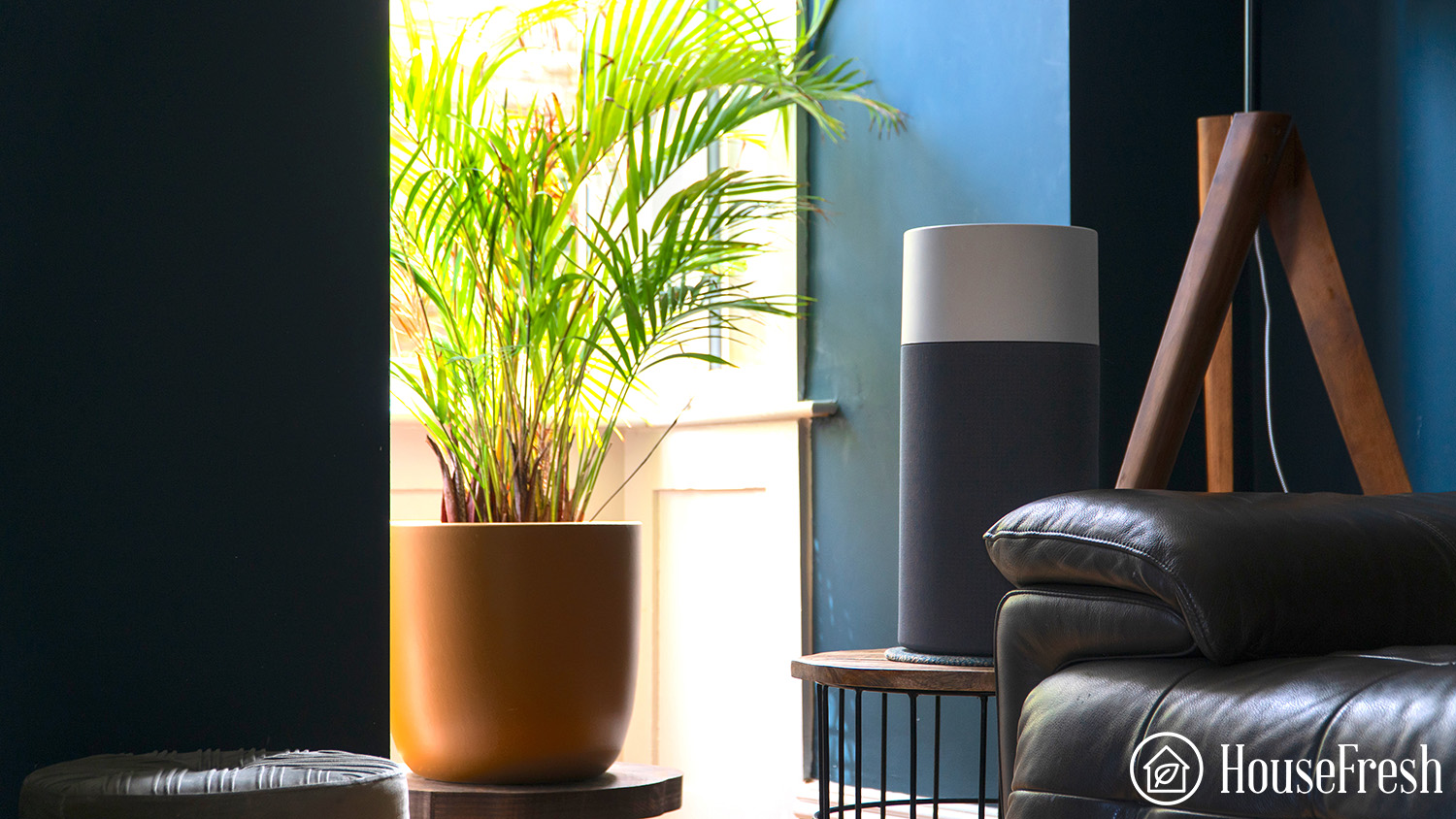
Itโ€™s highly recommended that, when your carbon filter is full, you buy and install a replacement. 

You can, if you want, clean the filter, but be careful, follow our guide and make sure the filter is fully dry before you re-install it into your air purifier.

Levoit EverestAir review

Levoit EverestAir Hallway

Levoit is one of the leading names in the air purifier space due to the popularity of its Core Series of air purifiers (like the 400S and 600S). I have tested all the models in this series and have found that they offer very good air cleaning performance, especially considering the low price.

Now, unlike the cylindrical and cheap Core series, the EverestAir is a rectangular air purifier with high-end features and a fairly expensive price tag.

But does the $499.99 mean that you’re getting much better air cleaning power compared to cheaper Levoit air purifiers? To find out, I bought an EverestAir with my own money to test everything about it.

The overall score for the Levoit EverestAir incorporates first-hand data results from our battery of tests, as well as our ratings for customer service, brand transparency, and design & UX. Check out the full scorecard below to see the split of categories.

Search for the EverestAir (or any other model you are researching) to see where it ranks:

The pros and cons of the Levoit EverestAir

A summary of our top-level findings after testing this air purifier, following our methodology.

Levoit EverestAir Hallway

Use the discount code HOUSE10 for 10% off when buying directly from Levoit.

โ€œI love the look of the Levoit EverestAir and was pleasantly surprised at how well it did in our performance tests.

I have been using it at home since 2023 without any issues. In 2025, I re-tested everything about it and found that it still is an excellent option for those who want an air purifier with smart features and excellent raw air cleaning power even at quiet fan speeds.โ€

Danny Ashton HouseFresh
Danny Ashton
HouseFresh Founder
& Lead Tester

CONS

Selling for $499.99, the initial price is higher than the Core 600S ($289), which offers similar air cleaning performance.
Levoit initially promoted the filters as being HEPA 13 but these claims were removed from marketing materials later on.
The little wheels at the bottom of the device only go in one direction, making it difficult to maneuver the device.

PROS

It looks like an air purifier designed by Apple, which rivals the Dyson units.
Amazing performance โ€” it cleaned our test room in 16 minutes, placing it in the top 10 of the most powerful air purifiers we’ve tested.
You get a laser dust sensor that is more accurate than the infrared sensor you get in the popular Levoit Vital 200S.
At speed 2, it generates just 43.2 decibels and will still provide a PM1 CADR of 205 cfm which is powerful enough to clean the air 5 times per hour in rooms up to 307 sq. ft. (or 28m2).
You can adjust the angle of the vents at the top of the device.
It connects to Levoit’s VeSync app, which is my favorite air purifier app.

Clean air delivery rateย (CADR):โ€“ Top speed PM1 CADR: 375 cfm
โ€“ Sub-45 dBA PM1 CADR: 205 cfm
โ€“ AHAM PM2.5 CADR: 365 cfm (dust)
Filtration technology:Removable pre-filter, particle filter and 400g of pelleted activated carbon.
Recommended room size:562 sq. ft. (5 air changes per hour)
Dimensions:18.9L x 8.5W x 23.2H inches (48L x 21.6W x 58.9H cm)
Weight:20.7 lbs (9.39 kg)
Filter lifespan:12-15 months
Noise level in decibels from 3 ft. away:Speed 1: 39.1 dB
Speed 2: 43.2 dB
Speed 3: 48.6 dB
Turbo: 57.8 dB
Electricity consumption in watts:Standby mode: 1.26 watts
Speed 1: 9.85 watts
Speed 2: 15.59 watts
Speed 3: 26.6 watts
Turbo: 69.8 watts
Manufacturerโ€™s warranty:2 years
Country of origin:United States
Country of manufacture:China

Filtration technology

The EverestAir comes with bonded filter that captures particles and odors.

It comes with a washable, removable pre-filter that will trap larger particles like pet hair and fluff.

Levoit EverestAir UnitFilter

The main filter has a pleated particle filter on one side that will capture the tiniest of particles.

Levoit EverestAir HEPA Filter

While the other side is packed with 400g of activated carbon pellets that trap odors.

Levoit EverestAir Activated Carbon Filter

Changing the filters on the Levoit Everest is easy as they are accessible from the front. You can see how easy it is in our video below:

Design, controls and app features

A large rectangular air purifier with smart features, adjustable air vents and an onboard air quality sensor.

This is Levoit’s largest air purifier. See how it compares to the mid-sized Vital 200S to get an idea of size.

Levoit EverestAir VS Vital 200S

As you can imagine, it is heavier than most Levoit models too. The good news is that it comes with a deep handle at the back and wheels at the bottom, so it’s easy to move it around.

At the top, you can see real time air quality readings from the onboard sensor.

Levoit EverestAir Controls

You can switch between displaying filter information (filter life % so you know when itโ€™s time to replace it) and air quality info (PM1, PM2.5 and PM10 particles in the air).

One of my favorite features is having the ability to adjust the angle of the air vents at the top.

Levoit EverestAir Vents

This is an innovative feature that will come in handy when you want to change the direction of the clean, filtered air coming out of your EverestAir.

everest smartphone screens

If you’ve read any of my other reviews for Levoit models, you will have seen me say that the VeSync app is my favorite air purifier app.

I use the Apple app and have had no issues since I first installed it a few yeard ago. From the app, you can adjust the purifierโ€™s fan speeds, track indoor air quality data in the room and also set timers.

Levoit also give you options to customize the device’s auto mode (offering choices for Default, Quiet, Eco and Efficient) and to set routines with simple smart home automations.

My biggest gripe about the app is that you usually get hit with ads for other Levoit products – this isn’t something I’ve seen in other air purifier apps.

Air cleaning performance

We tested the EverestAir in our 728 cubic ft. test room, tracking how fast it removed all PM1 particles from the air after we filled the space with incense smoke.

Levoit EverestAir CADR Test

When running at top speed, our PurpleAir Zen sensor shows that the EverestAir needed 16 minutes to reach PM1 zero. Based on the natural ventilation of our test room, we estimate a PM1 CADR of 375 cfm.

This makes it powerful enough to provide five air changes per hour in large rooms up to 562 sq. ft when running at its top fan speed.

When we compare this against other air purifiers with similar performance, you can see that it outperforms more expensive air purifiers like the Jaspr:

Levoit EverestAir Particle Removal Speed

And when it comes to VOC removal, I was surprised to see the EverestAir among the top 5 air purifiers with the best results, matching the performance of the pricier Dyson Big+Quiet.

VOC Removal Performance AC Infinity scaled

BUT air cleaning performance alone wonโ€™t tell us the full storyโ€ฆ

Sound levels

The sound levels of the EverestAir range from 39.1 to 57.8 dBA โ€” considerably quieter other large air purifiers like the Winix 9800 or the Levoit 600S.

Levoit EverestAir Sound Test

As I always say, if your air purifier is too loud, sooner or later you will end up turning it off. That is why we use a sound meter to measure how much noise in decibels the EverestAir generates at each fan speed from 3 ft. away:

Levoit EverestAir Sound Levels

The EverestAir is very quiet considering it’s power, hitting 57.8 dBA at top speed.

Nearly every other model I benchmarked it against is louder than this, with the exception of the commercial Blast Mini and the less powerful Winix 9800.

Levoit EverestAir Top performance HouseFresh

I repeated the particle removal test at speed 2 (43.2 dBA) and it needed 29 minutes.

Based on the natural ventilation of our test room, we estimate a PM1 CADR of 205 cfm at speed 2 – powerful enough to provide 5 ACH in rooms up to 307 sq. ft.

Levoit EverestAir Quiet performance HouseFresh

When we compare this to other devices with similar air cleaning power, you can see that the EverestAir offers excellent performance at quiet operation.

Long-term running costs

Running a Levoit EverestAir will cost you $215.13 per year, combining energy and filter replacement costs.

We used our energy meter to record how much electricity the EverestAir pulls at each fan speed and also while on standby.

Levoit EverestAir Energy Consumption

At top speed, the EverestAir pulls 69.8 watts, so if you were to leave it running 24/7, it will add $115.14 to your yearly energy bill, based on the average U.S. electricity price as of July 2026.

But letโ€™s look at the other main factor affecting yearly running costs: filter replacements.

According to Levoit, you need to change the filter in your EverestAir every 12-15 months. As always, I will take the lowest estimate for my calculations here. The original standard filter is available for $99.99. That means that you can expect to spend $99.99 each year on filter replacements alone.

We can add this to energy costs to work out the total yearly cost and compare it with the other devices Iโ€™m benchmarking the EverestAir against:

Levoit EverestAir Total Annual Running Costs

The Levoit EverestAir sits in the middle of the comparison here — it isnโ€™t the most expensive, but itโ€™s also not the cheapest to run in the long term.

Bottom line: Should you get a Levoit EverestAir?

The EverestAir comes with a premium price tag that will be too expensive for most, but you can usually find it on deal during Amazon Prime Day and Black Friday.

Levoit EverestAir Front Design

Use the discount code HOUSE10 for 10% off when buying directly from Levoit.

On paper, the EverestAir is a high-performing air purifier, so I expected it to perform well in our particle removal tests. What surprised me the most was how it performed in our VOC removal test, where it outperformed larger and more expensive models like the Coway ProX.

With a list price of $499.99, this is Levoit’s most expensive air purifier model and after using it all day, every day in our TV room, I can say that it’s also the most high-end design in their range. I always say that it looks like an air purifier designed by Apple.

Levoit EverestAir TV Room

If you are not bothered by the fancy features, then I recommend the Levoit Core 600S instead.

You’ll get similar air cleaning performance, app connectivity, an on-board sensor and smart modes for just $289. Just now that it runs louder than the EverestAir.

READ MY FULL REVIEW โžœ

WATCH MY VIDEO REVIEW โžœ

Levoit Core 600S Room 5

And if you’d like to save some $ and don’t want another app, check out the Coway 350.

For $339 you’ll get performance comparable to the EverestAir, an onboard sensor and smart modes. The biggest downside is that its louder than the EverestAir.

READ MY FULL REVIEW โžœ

WATCH MY VIDEO REVIEW โžœ

Coway Airmega 350 Living Room scaled

But if the $500 price tag of the EverestAir doesn’t put you off, then know that you will be getting an excellent air purifier that not only offers outstanding air cleaning power but it’s also incredibly quiet considering how hard its fan works.

Are you still unsure about which one would be best for you? Try using our air purifier comparison tool to see how the EverestAir stacks up against other models:

If you decide you like this model and want to support the work we do at HouseFresh, be sure to use this affiliate link or the buttons I included throughout this article. We will get a small commission at no extra cost to you that will allow us to continue to buy, test and review air purifiers in the future without having to rely on sponsorship from brands.

Do you have any questions about the EverestAir or about Levoit air purifiers in general? Please drop them in the comments below and I’ll reply as soon as I can.

How to get rid of weed smell from neighbors

Header smoke from neighbors

Whether you live in an apartment building or a condo, the smell of weed creeping into your own home can really impact your quality of life. The good news is that there are plenty of effective ways to eliminate the odor.

If youโ€™re sensitive to weed smoke or just donโ€™t like it, follow the steps below to lessen the problem.

1. Chat with your neighbors

It might be that your neighbors arenโ€™t even aware the smoke is traveling into your home. So, first and foremost, talk to them and let them know that itโ€™s causing you a problem. 
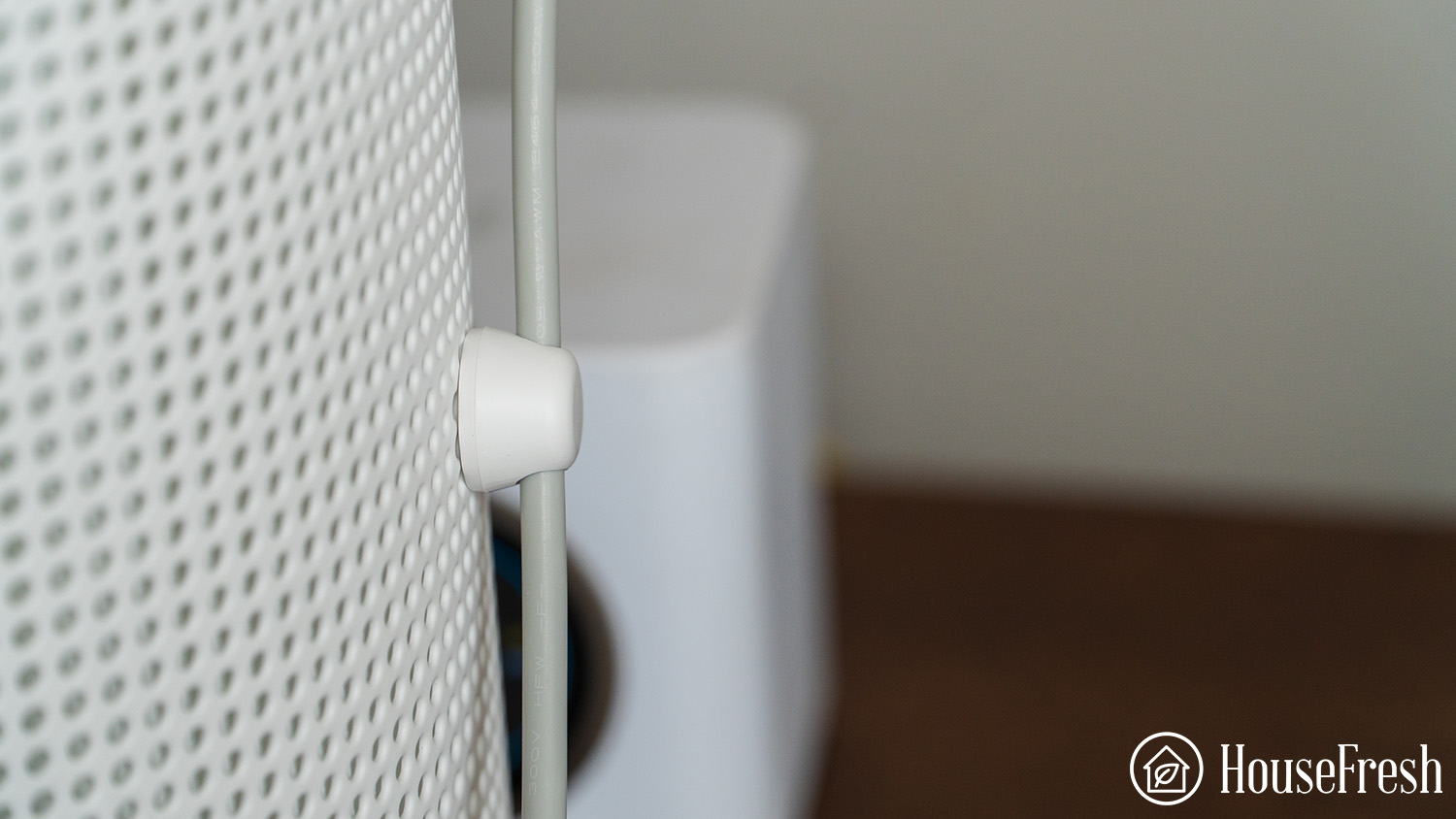
Speak to them politely and kindly โ€” thereโ€™s more chance the issue can be resolved amicably. For example, suggest to them that they might smoke in a different room or use an air purifier.

Tip

Check if weed smoking is legal in your city or state: https://disa.com/marijuana-legality-by-state

Anti-smoking laws can vary nationwide and recreational marijuana smoking is legal in states such as Oregon and Washington. This means that if you live in one of these states, you could suggest that your neighbor smokes on a back porch or backyard.

2. Open the windows 

Ventilation is crucial when it comes to removing weed smoke. Opening windows (and doors) can help to air out your home and mitigate the smell. 

Tip

If you have a fan, you could also create a cross-breeze by sticking one in the window โ€” facing outwards โ€” to help recirculate the air and freshen up your home.

3. Use natural odor absorbers 

There are lots of essential store-cupboard items that can absorb and reduce smoke odors. Place small bowls of baking soda, coffee grinds, or vinegar around your place to help soak up the weed smell. 

Tip

You can try using an activated charcoal bag as it has proven to be effective at eliminating pesky odors. You can even try to make your own, following our step-by-step guide to making a charcoal air purifier bag.

4. Try air fresheners

Air fresheners (sprays or plug-ins) are an excellent choice to offset the smell quickly. Just be aware, however, that these wonโ€™t eradicate the odor (or the smoke!) but will only mask it for a time.

5. Use essential oils

As with the above, essential oils can effectively mask the smell of weed and help make your home smell fresh. You could place some drops in a bowl or use an oil diffuser. Another option is to use scented candles.

Tip

The following essential oils are well known for masking unwanted smells: 

๐Ÿ‹ Lemon
๐ŸŒฟ Eucalyptus
๐ŸŒฑ Tea tree oil

6. Cover your electrical outlets

Electrical outlets can be one of the main ways weed smoke infiltrates your home: when your neighbor smokes weed, part of it goes through their outlets and comes out through those in your own place.  

Ensure all your sockets are covered with plugs or outlet seals to help prevent the smoke from getting into your space. 

7. Seal gaps with weather stripping

Weed smoke can easily travel between apartments through windows, particularly if your neighbor smokes marijuana on a balcony or patio. Using weather stripping to fill gaps in your window frames will help block the weed smell from coming into your home.
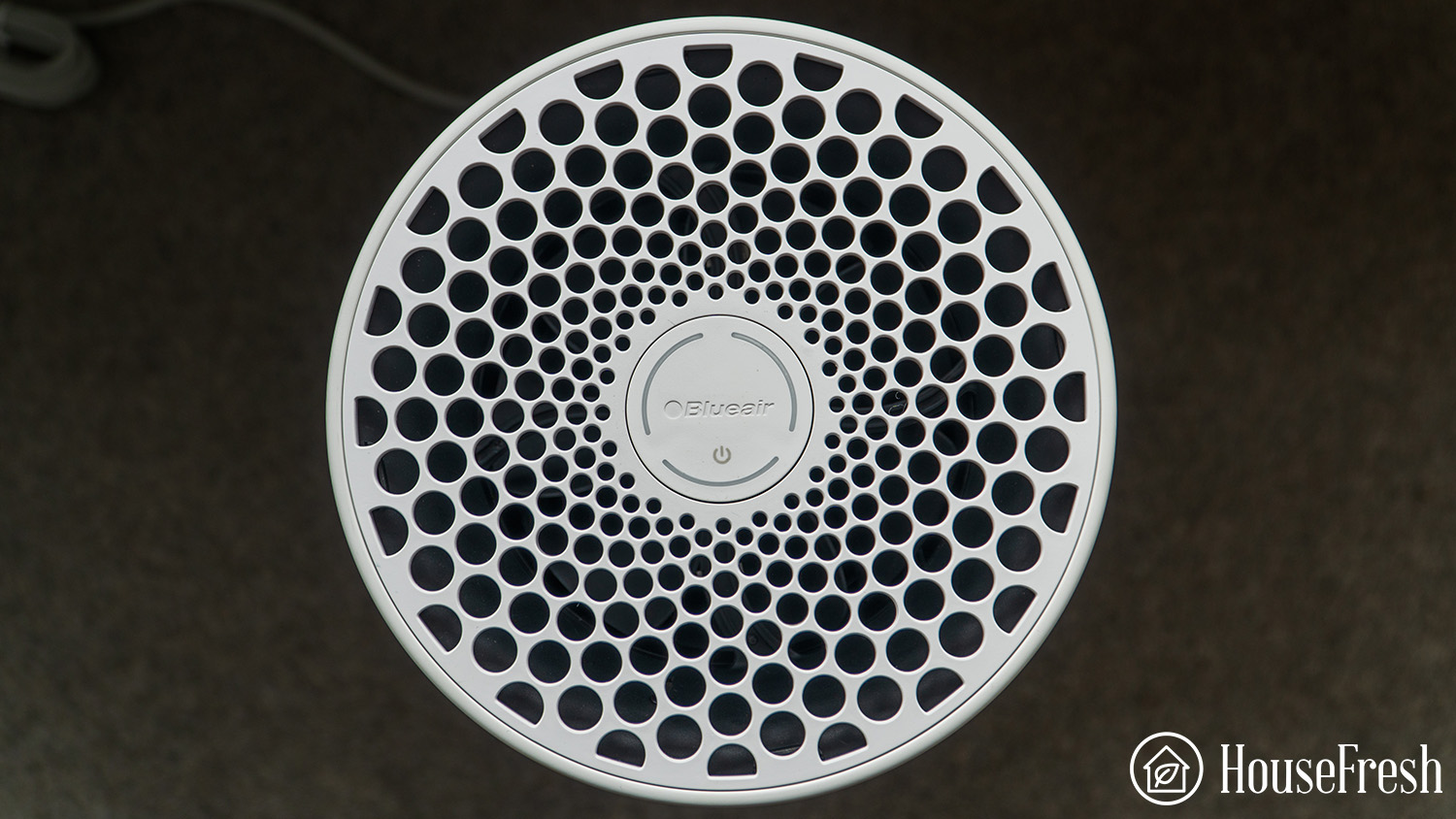
8. Use a door sweep or thick towel to seal gaps beneath your door

Like windows, smoke can also travel between apartments by sneaking in under the doors. Fitting a rubber door sweep between your hallway door and the floor will help block the smoke from traveling to your home.
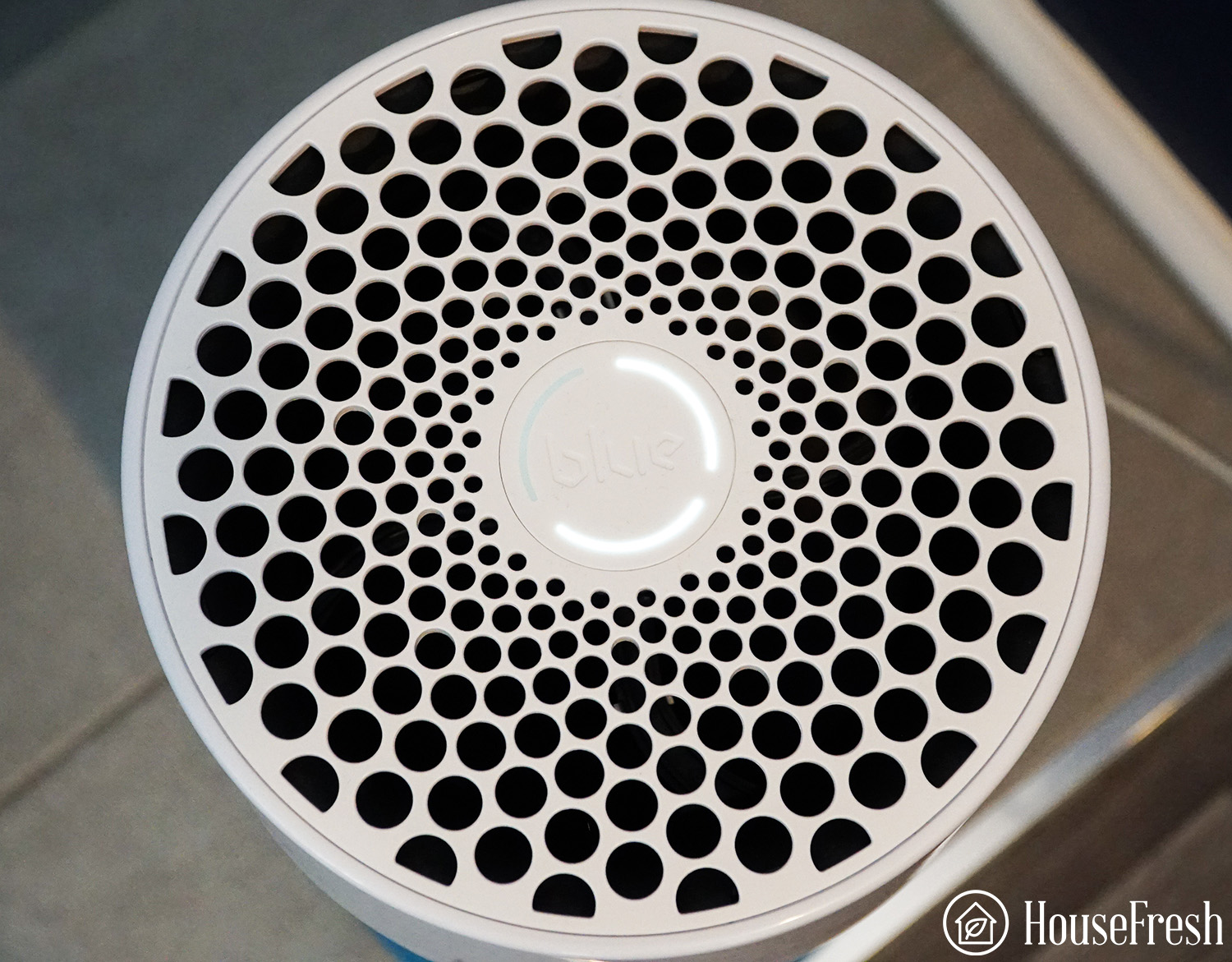
Tip

Alternatively, simply roll a damp, thick towel to cover the gap under your door.

9. Consider an air purifier with a powerful carbon filter

Air purifiers are great for removing all sorts of pollutants from indoor air, including weed smoke particles. Itโ€™s best to go for a device with a high-quality HEPA filter AND a solid activated carbon filter – you will need both types of filtration in order to remove weed smell as well as smoke pollutants.

Tip

Pay attention to the CADR (Clean Air Delivery Rate), as this lets you know how much air the device will clean per minute. The higher the rate, the more effective itโ€™ll be.ย 

Not sure which air purifier to get? Weโ€™ve put over 40 air purifiers through our rigorous testing process in the last year alone. These are our top three picks for weed smell:

10. Talk to your landlord 

If you rent, make sure that you and the neighbor smoking weed are clear on the rules and policies of the building. The landlord is responsible for sorting out the problem if your neighbor continually violates the rules.


How to get rid of weed smell from previous owners 

If youโ€™ve recently moved into your new home and thereโ€™s a definite whiff of weed smell, follow these tips:

1. Clean the whole place from top to bottom

You need to go deep and give your home a thorough cleaning. If youโ€™re forgetful, why not print out this handy checklist?

โ˜ Wash walls, ceilings and hard surfaces โ€” simply use a mild soap or another appropriate cleaning product and rinse well. Also, be sure to scrub inside cabinets, drawers and closets. 

โ˜ Steam-clean your upholstery โ€” you can purchase special shampoos that actively remove odors rather than just masking them.

โ˜ Wash the curtains โ€” donโ€™t forget about blinds as well. Using an all-purpose cleaner, you can soak these in a bathtub. After scrubbing, hang to dry. 

โ˜ Clean the carpets โ€” smoke particles can get embedded in carpets, so itโ€™s essential to clean them to remove the smell. For a deep clean, itโ€™s worth getting them professionally cleaned.

โ˜ Wash the windows โ€” hot sunshine can warm windows covered in smoke and then spread the smell throughout your home.
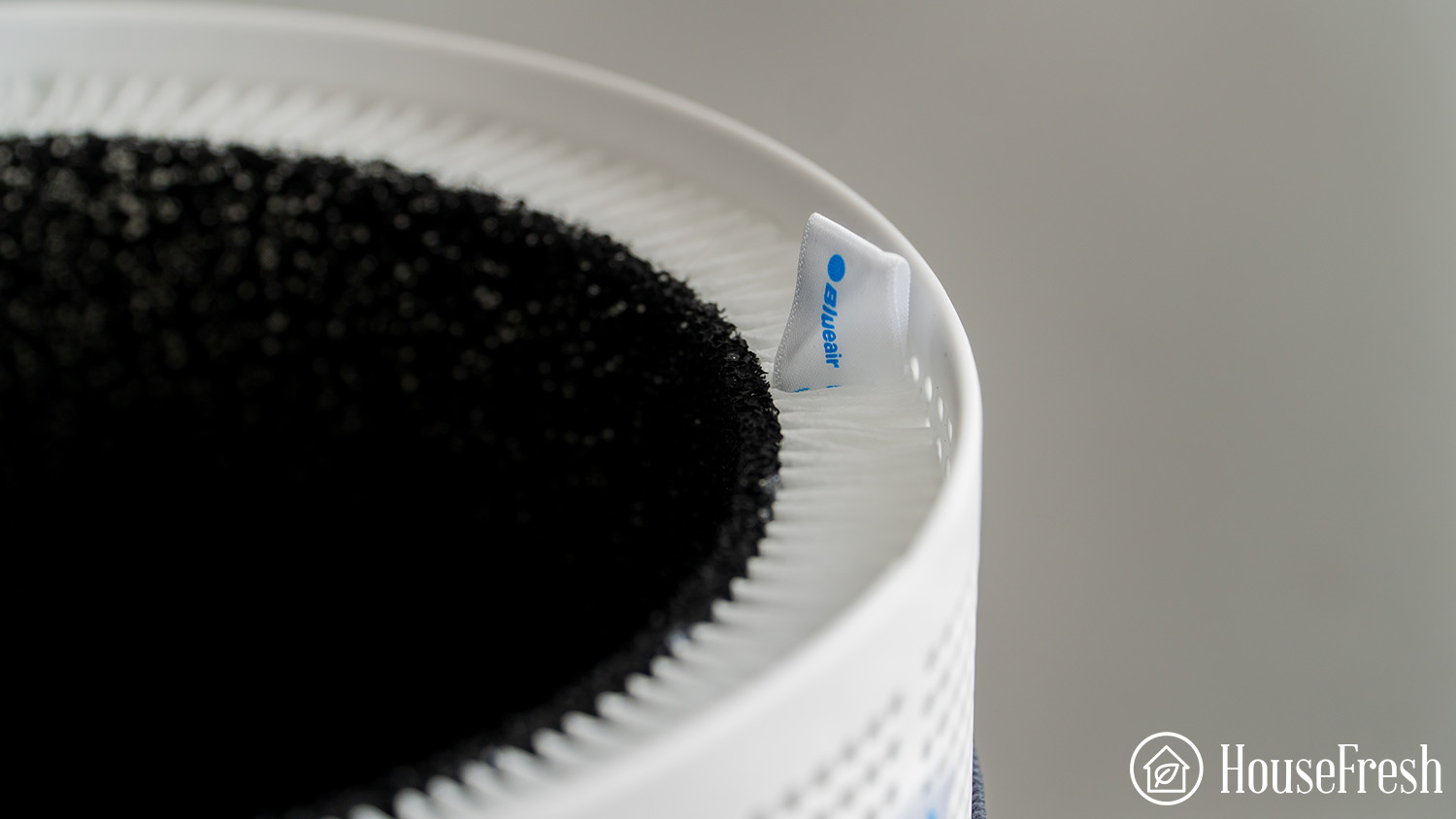
2. Use natural deodorizers

As we already talked about, some great natural deodorizers can remove smoke smells. White vinegar and activated charcoal, in particular, are highly effective. You could pour some into a bowl (or bowls) and leave overnight to absorb the smell.
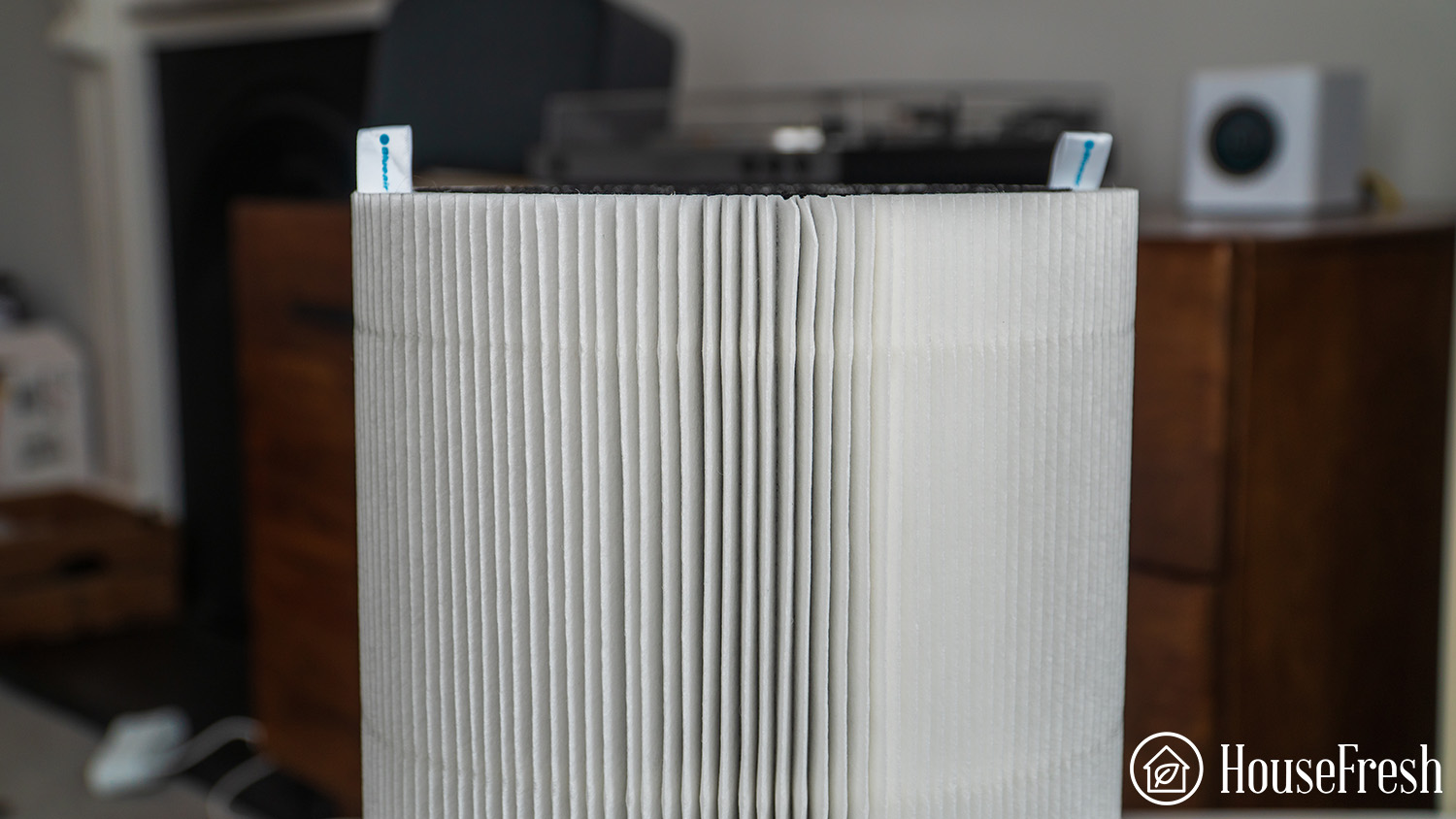
Tip

You can also sprinkle baking soda on carpets and upholstery. Let it sit for a few hours, and then vacuum it up.

3. Repaint your walls

If you can still detect weed smells after deep cleaning, you may need to repaint the walls.

Tip

Be sure to go for a high-quality paint that has a primer, however, as this will help lock in lingering odors.

Just like tobacco, the smell of weed can easily travel through to your home if your neighbor smokes, especially if they do so inside their apartment. And as marijuana has such a pungent odor, it can be even more noticeable than cigarette or cigar smoke. 

This is because the particles within smoke are airborne and incredibly small, meaning that they can get through surfaces such as plaster. That said, itโ€™s more likely that smoke particles will stick to the walls rather than travel through them. 

However, you might be experiencing weed odors because the smoke might be getting into your home via small cracks, tiny holes or pores in the shared walls. Another alternative is that weed smoke and its associated smells are coming through the electrical outlets, windows and doors. 

The intensity of the smell depends on various factors, such as how much your neighbor smokes, the thickness of the walls and your building or unitโ€™s ventilation quality. 


Final thoughts

Whether itโ€™s creeping into your apartment from next-door neighbors or still lingering from previous owners, removing weed smoke odor from your home can be tricky. Yet you can do many things to make your apartment smell fresh again.

Ventilation is crucial, but you can also try using some natural odor-absorbers like white vinegar and charcoal. An air purifier with HEPA and activated carbon filters can also mitigate strong odors. 

And donโ€™t forget that simply having a friendly chat with a neighbor who smokes weed may just do the trick.

Levoit Vital 100 review

Levoit Vital 100 Kitchen

Levoit has earned quite a reputation in the air purifier space. Launched in 2016 by Vesync Co. โ€” a publicly traded Smart appliance company, Levoit has changed people’s perception of “cheap air purifiers,” offering features you’d expect in premium models at a fraction of the price. 

At only $96, the Vital 100 is an excellent choice for those looking to clean small-medium-sized rooms, with a unit that packs powerful filters. 

It is designed for rooms of up to 300 ftยฒ and based on its reported CADR and our tests, it is more suited to smaller spaces. 

Its main competitors for your dollars are the Levoit Core 300 and PUR 131, which we reviewed last year.

how we test
How we test air purifiers

Read our full testing methodology.

TL;DR The lowdown on the Levoit Vital 100

Danny Ashton HouseFresh
โ€œThe Vital 100 is a good choice for those looking to clean small to medium-sized rooms. However, we still recommend choosing the Levoit Core 300 as it can clean more air for the same price.โ€
โ€” Danny Ashton, HouseFresh Founder & Senior Writer

Levoit Vital 100 Utility Room logo

PRICE on amazon PRICE on LEVOIT

Short on time? Here’s our summary of the Levoit Vital 100. 

What we really like

It costs less than $100, sitting in the budget category
3-stage filtration that has a pre-filter, activated carbon pellets and a main filter
No use of ionizer, so zero byproducts created, such as ozone
Modern-looking design that wonโ€™t look out of place in a modern home
Easy to use with handy features like preset timers and filter replacement indicator

What we think could be better

Lacks a smart air quality sensor to support autonomous mode
Filters must be changed every 6-8 months and cost the same as those of more powerful air purifiers
No app support or ability to turn on the unit when not in the room

The specifications

The Levoit Vital 100 is a high-performance air purifier ideal for rooms with a maximum size of 300 sq. ft. 

At only $96, the unit competes with budget-friendly air purifiers like Levoit Core 300, Taotronics AP003 and IKEA Fร–RNUFTIG. All these units also feature HEPA and Activated Carbon filters and are ideal for small to medium-sized rooms. 

Here are the complete product specs:

HouseFresh rating:โ˜…โ˜…โ˜…โ˜†โ˜†
Time to clean our 728 cubic feet test room (with the device running at top speed):49 minutes
Air purifier technology:3-Stage Filtration (Pre-filter for large particles, main filter for airborne particles, high-efficiency activated carbon filter for odors and gasses)
Recommended room size (4.8 air changes per hour):300 sq. ft.
Clean air delivery rate (CADR):130 CFM (221 mยณ/h)
Dimensions (in inches / in cm):12.8 x 6.4 x 16.1 inches (32.4 x 16.2 x 41 cm)
Weight (in pounds / in kg):9.3 lbs (4.2 kg)
Filter life:6 – 8 months
Noise level in decibels (measured from 3 ft. away with a sound level meter):Speed 1: 35.5 dB
Speed 2: 43.9 dB 
Speed 3: 55.3 dB
Electricity consumption in watts (recorded with an electricity usage monitor):Standby mode: 0 watts
Speed 1: 21.32 watts
Speed 2: 30.05 watts
Speed 3: 45.99 watts
Estimated running cost (electricity consumption + official filter replacement):$134.13 per year
Cost per CADR cfm (based on dust CFM as reported by AHAM):$0.77
Manufacturerโ€™s warranty:2 years
Country of manufacture:China

A good looking unit with simple controls

The Vital 100 feels premium with a stylish look that complements home dรฉcor.

Its design is closer to that of the Levoit LV-PUR131 than the Levoit Core series, but I kind of like that โ€“ weโ€™ve got enough cylindrical air purifiers at home.

Levoit Vital 100 Front

The Levoit Vital 100 is a good-looking air purifier and is an easy unit to live with. It is compact, with a simple, glossy shell and rounded corners. Levoit offers this unit in two finishes โ€” white and gray. 

The Vital 100 only weighs 9.8 pounds, so you can easily carry it from room to room as needed. Even though the Vital 100 has a small footprint, it is less compact than the Levoit Core 300:

The control panel is at the top of the unit, similar to every other Levoit air purifier, so that is where you will find the different touch-LED buttons and indicators. 

Levoit Vital 100 Top

Levoit has included the following controls with this unit.

  • Power ON / OFF
  • Speed (for adjusting the fan speed)
  • Display (for adjusting the display light)
  • Timer (2, 4, or 8 hours)
  • Filter (for filter change notifications)

Each control comes with an icon and text label, making it even easier for a first-timer to operate the device. Blue LED lights are above the “Timer” and “Speed” buttons, so you can easily see your current setting.

Levoit Vital 100 Controls

The Levoit Vital 100 can’t be controlled via a smartphone. If these features are important to you, check the newer model, the Levoit LV 100S, which offers advanced features like Wi-Fi connectivity and smartphone support.

Tip

Keep in mind that smart functions will come at a higher price premium of $139.99 for the same level of cleaning power.

Powerful Levoit filters

Before purchasing any air purifier, it’s essential to know what filters the unit uses and how effective they are in cleaning specific contaminants in your home. 
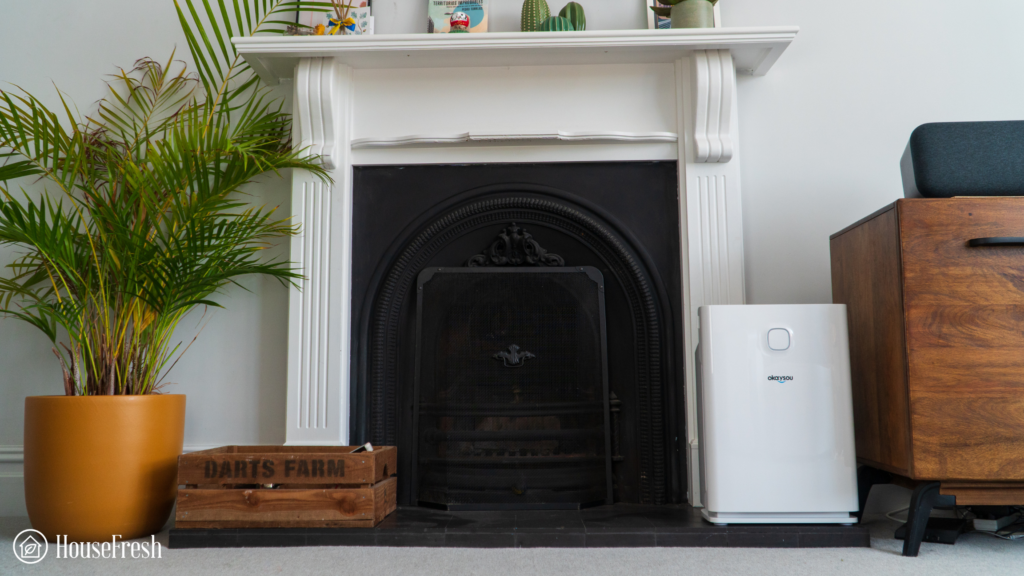
The Levoit Vital 100 has a three-stage filtration system that tackles particulate at all levels. 

Fine washable pre-filter โ€” a washable filter that traps hair, pet fur and lint

Levoit Vital 100 Pre Filter

Main filter โ€” filters particles down to 0.3 microns, like dust, mold, pollen, dander and airborne germs but also does a great job of removing smaller particles than 0.3 microns, like viruses.

Levoit Vital 100 HEPA

Activated Carbon filter that uses pellets โ€” Absorbs VOCs and odors. I was pleased to see Levoit use pellet carbon versus the impregnated fabric you see with other brands use in activated carbon filters.

Levoit Vital 100 Activated Carbon Filter

The three-stage filtration system ensures that the system traps virtually all particles. You can quickly clean the pre-filter using a brush to remove any particle build-up, which helps increase the filter’s performance and lifespan. 

Levoit Vital 100 Filter details

Levoit has now removed the use of the term True HEPA or H13 for their filters when Dyson made a complaint to the BBB. Our test still showed that the level of filter they used was able to clean all pollutants of particles sized 1 micron or less. But until Levoit updates us, we won’t know the exact filter grade used.

Levoit recommends you replace the filters on the Vital 100 every 6 – 8 months. You don’t have to watch the calendar; the filter icon will illuminate when it’s time for a replacement.

Replacing the filter is simple. Just follow these easy steps:

  1. Unplug the unit 
  2. Remove the front panel by pulling it (it’s magnetized, so you don’t need to unclip anything) 
  3. Pull out the old filter using the tabs and remove the pre-filter, which is attached by velcro (this is the perfect time to give that a clean)
  4. Attach the pre-filter to the new filter and insert it the same way you removed it.
  5. Re-attach the front panel.

When you first receive your new air purifier, the filter will be in a plastic bag that needs to be removed before you start the machine. Otherwise, the air purifier will move air around the room, potentially worsening the air.

The Vital 100 cleared our test room in 49 minutes

At HouseFresh, we research CADR ratings and other metrics the manufacturer provides but don’t leave it at that. We perform our own thorough tests to see whether the unit performs as advertised. 

To test air purifiers in the real world, we utilize our home office, which measures 728 cubic feetโ€”roughly the size of a medium-sized bedroom. We burn incense sticks to fill the room with pollutants and use our indoor air sensor from Purpleair to see how quickly each unit can eliminate PM1.0ug/m3, PM2.5ug/m3 and PM10.0 ug/m3 particles from the indoor air. 

We keep these conditions constant for all tests, allowing us to compare different air purifiers and see which performs best in removing indoor pollutants. 

So, how did the Levoit Vital 100 perform?

We were impressed by the performance of this unit, considering its price tag. It took the Levoit Vital 100 just 49 minutes to clean the air in our test room.

Air cleaning performance compared to other air purifiers

To put the test into context, check out how the performance of the Levoit Vital 100 compares to other units weโ€™ve tested:

Additionally, the Levoit Vital 100 is an incredibly quiet device. 

Noise levels test results

In our test, the unit produced 50 decibels of noise at maximum fan speed โ€” considered ultra-quiet by industry standards. The IQAir Healthpro Plus hits 69dB at its highest speed.

The cost to run a Levoit Vital 100: $134.13 per year

1. Electricity costs = $70.15 per year

The long-term costs of using an air purifier are essential, especially with the rising cost of electricity worldwide. The Levoit Vital 100 is not the most power-efficient unit we’ve tested, but it’s pretty efficient by industry standards. 

At the maximum speed, the unit pulled 45.99 watts, equating to $70.15 per year at 24/7 daily usage.

In comparison, the newer Levoit Core 300S cleaned quicker at 21.8 watts, and even the older Core 300 was 35.5 watts at its highest speed.

2. Filter costs = $63.98 per year

Another important factor to consider when buying an air purifier is filter costs. HEPA filters are the most effective at trapping indoor pollutants. Generally, replaceable HEPA filters should be replaced every six to twelve months. 

Levoit Vital 100 filters cost $31.99 for genuine filters, which is $63.98 per year in filter costs and you can find generic filters for $35.80 per year with two changes, which is a much better choice for most people. In comparison, genuine filters for core 300 are $79.98 per year and $39.99 for generic filters. 


Bottom line

The Levoit Vital 100 is an affordable, high-performing air purifier that cleaned our test room of all pollutants in just 49 minutes. Its filter costs are reasonable due to the availability of generic filters, and it’s certainly not worth upgrading if you have this air purifier, as it performed well in our particulate test. 

Levoit Vital 100 Kitchen

The Levoit Vital 100 is getting a bit old in air purifiers. While it delivered good results in our test, you will get better performance for your spend with something like the Levoit Core 300 for the same price or the upgraded Levoit Core 300S (for a little extra cost initially.)

SOURCES

We calculated yearly costs associated with running the Levoit Vital 100 for 24 hours a day, 365 days per year utilizing the latest average energy prices as reported by the Bureau of Labor Statistics of $0.174/kWh as of April 2024.

At HouseFresh, we have been reviewing air quality products since 2010. In all these years, we learned not to rely on manufacturers’ claims and the ever-so-glowing marketing materials. That is why we buy products with our own money, so we can write unbiased reviews after we’ve had enough time to evaluate air quality products in our home lab. Every unit we recommend has been thoroughly tested to assess its performance, energy consumption, and noise levels emitted in real-life environments. If you have any questions about our testing process for different types of air quality products, just drop us an email at danny@housefresh.com.

Levoit Core 200S VS Core 300S

Levoit Core 200S VS Core 300S

If youโ€™ve researched air purifiers, youโ€™re likely to have come across the brand Levoit. Since 2017, this company has been producing innovative air purifiers at price points that suit every consumer.

One of the latest innovations from Levoit comes in the form of their โ€˜Sโ€™ (aka smart) range. Levoit realizes that modern household devices are frequently becoming more reliant on app-based controls; I mean, who wants to get up to adjust settings these days?

Levoit Core 200S App logo

Therefore Levoit has developed, what they call, the VeSync app that allows you to monitor and control your air purifier from anywhere in the world with a WiFi connection. Available on both Apple and Android devices, you can:

  • Set timers
  • Create schedules
  • Adjust modes and fan speeds
  • Monitor your current air quality
  • Receive important notifications about your device
Tip

Also if you have more than one Levoit S device in your home, you can control each one through the same app.

Both the units weโ€™re pitting against each other have this capability and many other similarities, but when it comes down to it, which air purifier do you want to spend your hard-earned dollars on?

We will evaluate each unit in sections to show you the similarities and differences between the Core 300S and the Core 200S, choosing a winner for each category. Then weโ€™ll put it all under consideration and choose an overall winner.

TL;DR Which unit wins overall? 

danny

โ€œIt’s more powerful and a little bigger, but the Levoit Core 300S is the perfect ratio of power to cost. In comparison, the 200S will cost the same long term but will always be struggling unless you use it in a tiny room.โ€

โ€” Danny Ashton, Founder & Senior Writer

Levoit Core 200S VS Core 300S Size

Need that clean air faster than it takes to read this article? Donโ€™t worry; let me summarize it into bullet points for you.

The overall winnerโ€ฆThe Levoit Core 300S!

The pros and cons compared

Levoit Core 200SLevoit Core 300S
Levoit Core 200S BedroomLevoit Core 300S Bedroom
What we really likeWhat we really like
๐Ÿ‘ Not an intrusive size.
๐Ÿ‘ Controls are easy to navigate.
๐Ÿ‘ The fan is barely noticeable in sleep mode.
๐Ÿ‘ Easily connects to app.
๐Ÿ‘ Great CADR for price.
๐Ÿ‘ Levoit’s popular 3-Stage Filtration system.
๐Ÿ‘ Has a timer and auto mode.
๐Ÿ‘ Color-coded wheel to monitor air quality.
What we think could be betterWhat we think could be better
๐Ÿ‘Ž Doesnโ€™t have an air quality indicator.
๐Ÿ‘Ž Only comes in white.
๐Ÿ‘Ž Canโ€™t remove the pre-filter to clean.
๐Ÿ‘Ž You canโ€™t remove the pre-filter to clean.
๐Ÿ‘Ž Design is a little lacking in creativity.
๐Ÿ‘Ž Wish it contained more activated carbon.

The specifications compared side-by-side

Regarding specs, the Core 300S is a clear winner with its higher CADR and larger room coverage. Plus, it cleaned the air in our performance testing room 22 minutes faster than the 200Sโ€ฆ Itโ€™s also three grams lighter!

Levoit Core 300S Bedroom

๐Ÿ’กexclusive code for HouseFresh for 10% off a single purchase on Levoit.com: HOUSE10

When you put the specifications of these two units side-by-side (which we haveโ€ฆscroll down), the data from both Levoit and our performance tests show us that the 300S wins hands down. 

Even though these two are similar in size, the 300S boasts a CADR (Clean Air Delivery Rate) of 141 CFM (Cubic Feet per Minute), while the 200S hangs behind with 118 CFM.

Levoit Core 200SLevoit Core 300S
HouseFresh rating:โ˜…โ˜…โ˜…โ˜†โ˜†โ˜…โ˜…โ˜…โ˜…โ˜†
Time to clean our test room:61 Minutes45 Minutes
Air purifier technology:Levoit 3-Stage Filtration (Pre-filter, main particle filter, high-efficiency activated carbon filter)Levoit 3-Stage Filtration (Pre-filter, main particle filter, high-efficiency activated carbon filter)
Recommended room size:183 sq. ft.219 sq. ft.
Clean air delivery rate (CADR):118 CFM141 CFM 
Dimensions (in inches / in cm):12.6H x 8.07W x 8.07D inches (32H x 20.5W x 20.5D cm)14.2H x 8.7W x 8.7D inches (36H x 22W x 22D cm)
Weight (in pounds / in kg):6.6 lbs (3 kg)5.95 lbs (2.7 kg)
Filter life:6 – 8 months6 – 8 months
Noise level (low โ€“ high):39.6 โ€“ 49.1 dB38.9 – 54.5 dB
Estimated energy consumption:$30.48 per year$52.56 per year

The design

Regarding the design aesthetics, I have chosen the Core 200S as our winner. This was a close call as they both look so similar, but I think the 200S looks slightly more modern and ergonomic. 

Levoit Core 200S Kitchen Close Up

๐Ÿ’กexclusive code for HouseFresh for 10% off a single purchase on Levoit.com: HOUSE10

When you compare them to designs from Blueair or Coway, Levoitโ€™s Core range isnโ€™t the best-looking air purifiers out there, but theyโ€™re also not the worst. These air purifiers look incredibly similar, with the 300S having a band around its middle and a fraction bigger, but thatโ€™s about it. 

I chose the 200S as a winner merely because it looks a little sleeker than the 300S.

Levoit Core 300S Kitchen

๐Ÿ’กexclusive code for HouseFresh for 10% off a single purchase on Levoit.com: HOUSE10

A great design point that both air purifiers possess is that theyโ€™re so easy to move between rooms. The 200S, weighing 6.6 lbs, and the slightly larger 300S, weighing 5.95 lbs, easily fit underneath your arm when transferring them to a different space.

As you can see, the differences are few and far between. Apart from the slight size difference, the recessed top grill and the gray band around the middle of the unit, you couldnโ€™t tell them apart.

Levoit Core 200S VS Core 300S

The control panel

The winner is the Core 300S. Both control panels have different pros, but the 300S has a color-coded air quality monitor ring and an LED display to show how long your timer is set for.

Levoit Core 300S Controls

๐Ÿ’กexclusive code for HouseFresh for 10% off a single purchase on Levoit.com: HOUSE10

First, let’s look at the 300S. The design and layout are similar to the Core 300, with a few subtle differences. The 300S comes with the addition of AirSight Plusโ„ข technology that monitors the air quality in your room in real-time. The information is then displayed on the control panel as a color-coded light ring.

Levoit Core 300S Airsight

The 300S also has an auto mode controlled by the information from the air quality sensor. 

When in auto mode, the 300S will change its fan speed in accordance with the PM2.5 in the air. A low PM2.5 (good air quality) will set the fan to its lowest speed, and a high PM2.5 (bad air quality) will increase the unit’s fan speed.

Along with auto mode, the 300S also features four fan speeds, including sleep mode, display lock, display light control and a timer that can be set to any countdown from 1-12 hours and uses its LED screen to display.

Levoit Core 200S Controls logo 1

The 200S also comes with sleep mode, display lock, display light control and a timer, but can only be set to 2, 4 or 8-hour countdown. Unfortunately, the 200S doesnโ€™t include Levoitโ€™s AirSight Plusโ„ข technology, which, in turn, means there is no auto mode, and you canโ€™t monitor the air quality in your home.
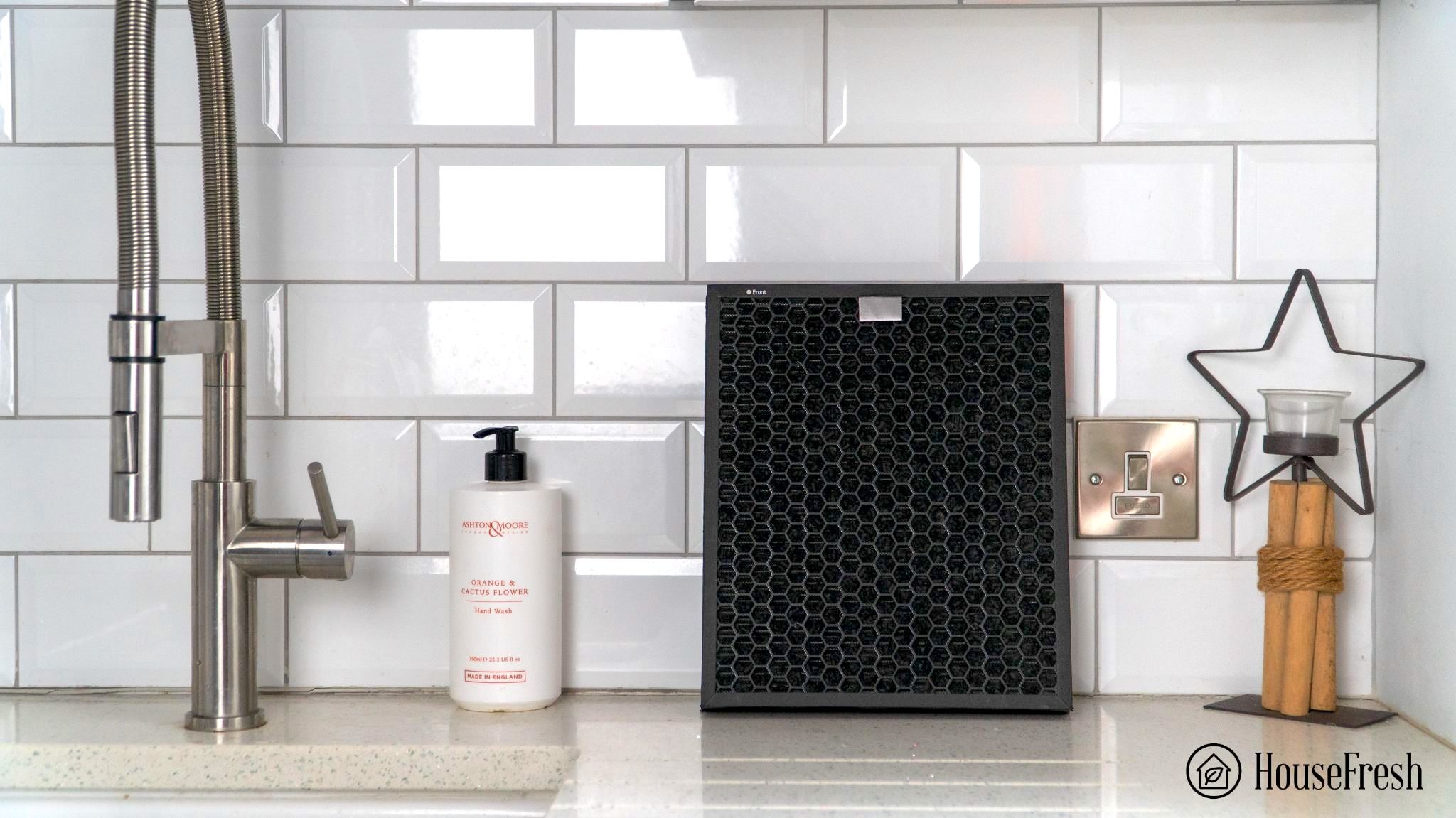
The controls on the 200S also has a filter indicator light that illuminates when the filters are ready to be replaced and a button that turns its night light on and off, which doesnโ€™t appear on the 300S.

Air filtration technology

When it comes to filtration technology, the Levoit Core 300S wins in our view due as you can customize the filter to your needs with four different replacements to choose from.

Levoit Core 300S Filter

๐Ÿ’กexclusive code for HouseFresh for 10% off a single purchase on Levoit.com: HOUSE10

Levoitโ€™s โ€˜originalโ€™ filter thatโ€™s included with your 300S has three stages made up of a pre-filter (to capture larger particles like dust), a main particle filter and a layer of activated carbon filter for odors and gases.

You can replace the original filter with three other types of filters. If you have pets, the Pet Allergy Filter is engineered to tackle removing pet odors and alleviating allergies. If you live in an area with high levels of smoke, fog and VOCs, go for the Toxin Absorber. For ultimate protection, thereโ€™s the four-stage Smoke Remover Filter that includes Custom High-Efficiency Activated Carbon.

Levoit Core 200S-P Air Purifier Replacement Filter,Genuine Air Filter,1Pack | AHAM VERIFIDE,HEPA Sleep Mode, High-Efficiency Activated Carbon, Removes Smoke, Odors, Allergens,Dust,Pet Hair, Core 200S-RF
Levoit Core 300-P Air Purifier Replacement Filter, Pet Allergy, 1 Pack | Genuine Core300S-P Filters, Supports HEPA Sleep Mode, High-Efficiency Activated Carbon, Core 300-RF-PA, Yellow
Levoit Core 300-P Air Purifier Toxin Absorber Replacement Filter, 1 Pack | Genuine Core300S-P Air Purifier Filters, Supports HEPA Sleep Mode, High-Efficiency Activated Carbon, Core 300-RF-TX, Green
Levoit Core 300-P Air Purifier Smoke Remover Replacement Filter, 1 Pack | Genuine Core300S-P Filters, Supports HEPA Sleep Mode, High-Efficiency Activated Carbon, Core 300-RF-SR, Blue
Technology
H13 (Medical) Grade HEPA and Activated Charcoal
3-in-1 HEPA, High-Efficiency Activated Carbon
4-in-1 HEPA, High-Efficiency Activated Carbon
Price
$19.55
$35.99
$35.99
$39.99
Levoit Core 200S-P Air Purifier Replacement Filter,Genuine Air Filter,1Pack | AHAM VERIFIDE,HEPA Sleep Mode, High-Efficiency Activated Carbon, Removes Smoke, Odors, Allergens,Dust,Pet Hair, Core 200S-RF
Technology
H13 (Medical) Grade HEPA and Activated Charcoal
More information
Price
$19.55
Levoit Core 300-P Air Purifier Replacement Filter, Pet Allergy, 1 Pack | Genuine Core300S-P Filters, Supports HEPA Sleep Mode, High-Efficiency Activated Carbon, Core 300-RF-PA, Yellow
Technology
3-in-1 HEPA, High-Efficiency Activated Carbon
More information
Price
$35.99
Levoit Core 300-P Air Purifier Toxin Absorber Replacement Filter, 1 Pack | Genuine Core300S-P Air Purifier Filters, Supports HEPA Sleep Mode, High-Efficiency Activated Carbon, Core 300-RF-TX, Green
Technology
3-in-1 HEPA, High-Efficiency Activated Carbon
More information
Price
$35.99
Levoit Core 300-P Air Purifier Smoke Remover Replacement Filter, 1 Pack | Genuine Core300S-P Filters, Supports HEPA Sleep Mode, High-Efficiency Activated Carbon, Core 300-RF-SR, Blue
Technology
4-in-1 HEPA, High-Efficiency Activated Carbon
More information
Price
$39.99

With the 200S, there is only one filter option available, but that doesnโ€™t mean that itโ€™s bad. Levoit includes a three-stage circular filter comprising a nylon pre-filter for larger particles, a main airborne particle filter and an activated carbon filter.

Levoit Core 200S Filter logo

When you receive your new unit, along with all of the exterior packaging, remember to open up your air purifier before you turn it on. You will most likely find that the filter is also packaged in a plastic bag. If you donโ€™t remove this bag before operating the unit, a. the filter wonโ€™t work and b. It will probably start to smell like burning plastic.

Air cleaning performance

In our own performance tests, the Core 300S cleared our room of contaminants 16 minutes faster than the 200S, making it the winner for this section of the comparison spotlight.

Levoit Core 300S Dining Room

๐Ÿ’กexclusive code for HouseFresh for 10% off a single purchase on Levoit.com: HOUSE10

In order to assess air cleaning performance, we fill our 728 cubic feet test room with incense smoke and use our PurpleAir Zen laser particle counter to record how long it takes for the air purifier to bring PM1 pollution down to zero.

Even though many of the features of the 300S and the 200S are extremely similar, our performance tests showed a big difference in the effectiveness of their air-cleaning abilities.

When you look at the CADR of each unit, 300S = 141 CFM, 200S = 118 CFM, you know that there will always be a difference in performanceโ€ฆand it shows. 

The 300S outperformed the 200S hands down with a whopping 16 minutes difference in the time it took them to clear the pollutants from our room.

The 300S cleared our test room in 45 minutes

The 200S cleared our test room in 61 minutes

When you look at their performances side-by-side itโ€™s easy to see how they compare to each other and similar air purifiers on the market.

Noise levels test

There can be no clear winner regarding noise levels, as both units emit the same amount of noiseโ€ฆ this one is a draw.

Levoit Core 200S VS Core 300S Size

A lot of brands like to label their air purifiers with buzz words like โ€˜Whisper quietโ€™ and even Levoit class the 300S as โ€œquiet as a gentle breeze,โ€ but no unit can be completely silent.

Air purifiers contain a fan and motor to run it that both make noise when theyโ€™re active, so it becomes a matter of how big the fan and motor are, how hard theyโ€™re working and how well made they are that dictate how loud or quiet an air purifier is.

On their quietest setting, the Levoit Core 200S reached 39.6 decibels, while the Levoit Core 300S was quieter at 38.9 decibels. And when running at its highest fan speed, the 200S reached 49.1 decibels against the 54.5 decibels we recorded when testing the 300S.

When you compare them to the noise levels of other air purifiers of the same size, you see that they are quieter than most.

Yearly running costs

The winner is the Core 200S due to its energy efficiency and lower cost filter replacements.

Levoit Core 200S Filter 2 logo

๐Ÿ’กexclusive code for HouseFresh for 10% off a single purchase on Levoit.com: HOUSE10

1. Yearly electricity costs = $29.85 (200S) versus $22.92 (300S)

When you buy an air purifier, itโ€™s not only the initial cost of the unit you need to consider. You need to think about how much it costs to run. Not all air purifiers are created the same, and the running costs will differ depending on which one you get.

Both these units are highly energy efficient, earning themselves certifications from the California Air Resources Board, Energy Star and the FCC. The Core 200S will cost you, on average, $29.85 a year if you run the unit for 24 hrs a day, 365 days a year. The Core 300S will cost you an average of $22.92 per year. This is due to its higher CADR, as the 300S is working harder than the 200S.

2. Yearly filter costs = $51.98 (200S) versus $59.98 (300S Original Filter)

Another running cost to be considered when choosing the right air purifier for your home is the cost of replacement filters. If you donโ€™t replace them when prompted, your air purifier will become less and less effective.

With the 200S, there are only two filter options, an official Levoit replacement or an unofficial version. Weโ€™ve only tested out the official Levoit filters, so we canโ€™t testament to the effectiveness of the unofficial version.

The official filters will set you back $25.99 each, and the unofficial filters are significantly cheaper at $23.39 for two. The filter in the 200S has to be replaced every 6-8 months: 

Levoit Core 200S-P Air Purifier Replacement Filter,Genuine Air Filter,1Pack | AHAM VERIFIDE,HEPA Sleep Mode, High-Efficiency Activated Carbon, Removes Smoke, Odors, Allergens,Dust,Pet Hair, Core 200S-RF
Technology
3-in-1 True HEPA, High-Efficiency Activated Carbon, Core 200S-RF
More information
Price
$19.55

With the 300S, four official filters are available and unofficial versions to match. This time, we only tested the official โ€˜Originalโ€™ filter, but weโ€™re confident the other official filters will be highly efficient. Prices start at $29.99 up to $39.99 for the highest spec replacement. Levoit recommends you replace the filter in the 300S every 6-8 months:

Levoit Core 200S-P Air Purifier Replacement Filter,Genuine Air Filter,1Pack | AHAM VERIFIDE,HEPA Sleep Mode, High-Efficiency Activated Carbon, Removes Smoke, Odors, Allergens,Dust,Pet Hair, Core 200S-RF
Levoit Core 300-P Air Purifier Replacement Filter, Pet Allergy, 1 Pack | Genuine Core300S-P Filters, Supports HEPA Sleep Mode, High-Efficiency Activated Carbon, Core 300-RF-PA, Yellow
Levoit Core 300-P Air Purifier Toxin Absorber Replacement Filter, 1 Pack | Genuine Core300S-P Air Purifier Filters, Supports HEPA Sleep Mode, High-Efficiency Activated Carbon, Core 300-RF-TX, Green
Levoit Core 300-P Air Purifier Smoke Remover Replacement Filter, 1 Pack | Genuine Core300S-P Filters, Supports HEPA Sleep Mode, High-Efficiency Activated Carbon, Core 300-RF-SR, Blue
Technology
H13 (Medical) Grade HEPA and Activated Charcoal
3-in-1 HEPA, High-Efficiency Activated Carbon
4-in-1 HEPA, High-Efficiency Activated Carbon
Price
$19.55
$35.99
$35.99
$39.99
Levoit Core 200S-P Air Purifier Replacement Filter,Genuine Air Filter,1Pack | AHAM VERIFIDE,HEPA Sleep Mode, High-Efficiency Activated Carbon, Removes Smoke, Odors, Allergens,Dust,Pet Hair, Core 200S-RF
Technology
H13 (Medical) Grade HEPA and Activated Charcoal
More information
Price
$19.55
Levoit Core 300-P Air Purifier Replacement Filter, Pet Allergy, 1 Pack | Genuine Core300S-P Filters, Supports HEPA Sleep Mode, High-Efficiency Activated Carbon, Core 300-RF-PA, Yellow
Technology
3-in-1 HEPA, High-Efficiency Activated Carbon
More information
Price
$35.99
Levoit Core 300-P Air Purifier Toxin Absorber Replacement Filter, 1 Pack | Genuine Core300S-P Air Purifier Filters, Supports HEPA Sleep Mode, High-Efficiency Activated Carbon, Core 300-RF-TX, Green
Technology
3-in-1 HEPA, High-Efficiency Activated Carbon
More information
Price
$35.99
Levoit Core 300-P Air Purifier Smoke Remover Replacement Filter, 1 Pack | Genuine Core300S-P Filters, Supports HEPA Sleep Mode, High-Efficiency Activated Carbon, Core 300-RF-SR, Blue
Technology
4-in-1 HEPA, High-Efficiency Activated Carbon
More information
Price
$39.99

Air purifier filters are the most efficient way of removing harmful contaminants from the air in your home. They work by trapping microscopic particles in a tightly woven maze of fibers, removing them from the air. 
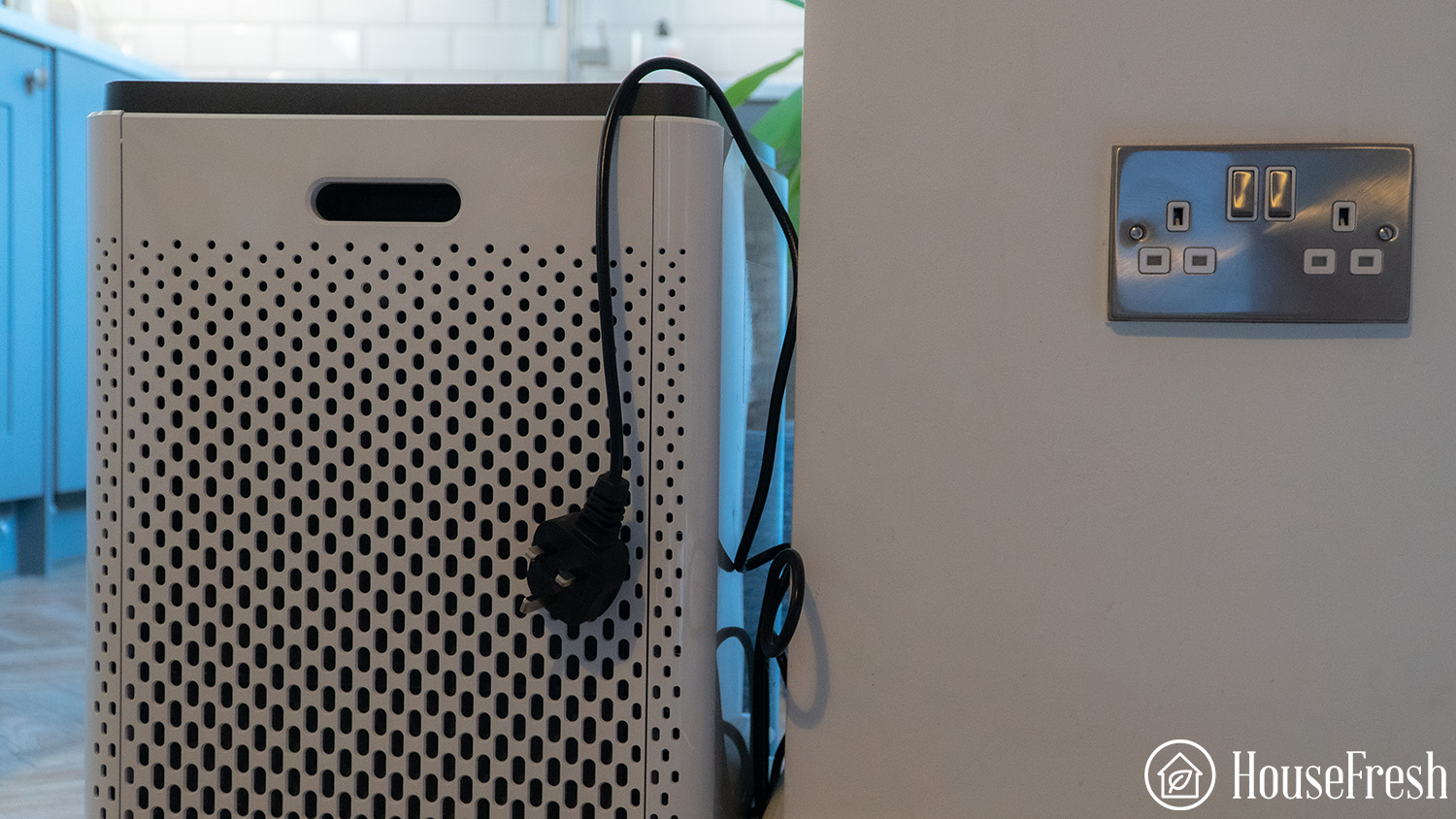
Over time, the maze becomes full of all the collected particles, therefore becoming less effective. You need to replace them periodically to ensure your air purifier remains effective.

Bottom line: Should you get a Levoit Core 300S or a Core 200S?

Both of these units are high-performing air purifiers with smart features at a budget price.

โœ… If you want air quality updates, app control and a great CADR โ€” go for the 300S.

Levoit Core 300S Kitchen

๐Ÿ’กexclusive code for HouseFresh for 10% off a single purchase on Levoit.com: HOUSE10

โœ… If you want a slightly smaller unit with lower running costs โ€” go for the 200S. 

Levoit Core 200S Living Room

๐Ÿ’กexclusive code for HouseFresh for 10% off a single purchase on Levoit.com: HOUSE10

By introducing the Core 300S, Levoit have pretty much omitted the need for the 200S. Yes, itโ€™s slightly smaller and doesnโ€™t cost as much to run. Still, when  it comes down to performance and efficiency, the 300S surpasses the 200Sโ€ฆall for an extra $50.

SOURCES

We calculated the monthly energy consumption costs with the help of the Department of Energyโ€™s appliance energy calculator. We calculated yearly costs associated with running the Core 300S and a Core 200S for 24 hours a day for 365 days. We ran this calculation utilizing the U.S. average utility rate of $0.12/kWh as of August, 3rd 2023.

Rainbow RainMate review

Rainbow RainMate Side Table

The Rainbow RainMate air purifier was invented as part of a patent developed by Rexair in 1988. That patent expired in 2006, so the market is now full of these โ€œwater air purifiersโ€ that allegedly afilter air through water to remove pollutants.

While the primary market for this invention was a new type of vacuum cleaner, Rexair decided to use this technology on a smaller scale as part of an air cleaner. However, the Rainbow RainMate air purifier is not sold directly to the consumer. Instead, it’s used as part of a home sales presentation where a salesperson would try to sell a $3000-$4000 cleaning vacuum system while gifting or heavily discounting the price of the Rainbow RainMate along the way.

Iโ€™m not a fan of direct selling, as it naturally disadvantages the consumer, who will feel pressured to purchase something with someone in their home. Thankfully, I didnโ€™t have to sit through a presentation for my Rainbow RainMate.

We bought the Rainbow RainMate with our own money and tested it to assess its air cleaning performance, energy efficiency and sound generation. You can read more about our air purifier testing process, but in short, we gather comparable data to help consumers compare and contrast the minefield of air purifiers on the market.

how we test
How we test air purifiers

Read our full testing methodology.

We donโ€™t run ads on our site and are independent, so we are free to say exactly what we think about the air purifier we review. Unlike most sites that review air purifiers, we regularly share devices that fail to live up to the hype or those that should be avoided.

The lowdown on the Rainbow Rainmate

Danny Ashton HouseFresh
โ€œThe first thing that made me wary of this device’s effectiveness was the lack of data about its cleaning power. The manufacturer doesnโ€™t share clean air delivery rate (CADR) figures or third-party tests, which is the first indicator of a potentially bad investment.

The Rainbow RainMate has not associated filter costs, but it failed to complete our particle removal test.

After testing this device, it is my opinion that this is a pretty-looking fragrance diffuser, but it shouldn’t be considered an air purifier.โ€
โ€” Danny Ashton, HouseFresh Founder & Senior Writer

PRICE on amazon PRICE on EBAY

If you donโ€™t want to read my 2000-word review on this air purifier, then you can see my key points below:

What we really like

Itโ€™s not a massive investment. I paid $54 for my device, but there are also plenty of generic versions on Amazon.com for around $40.
Water is a sustainable filter. It doesnโ€™t create any harmful byproducts that you find with ionizers.
The LED lights look pretty good. This is especially true when you turn on this device in the dark.
Good diffuser. It’s a small and fairly easy way to deliver fragrances to your room.

What we think could be better

It doesn’t clean the air. It failed to remove particulate pollutants from the air in our particle removal tests.
It is sold door-to-door. I don’t like that the unit is sold directly via salespeople as it puts the consumer at a disadvantage and pressures them to buy.
It shouldnโ€™t be sold as an air purifier. This is a water-based fragrance diffuser.

HouseFresh rating:โ˜†โ˜†โ˜†โ˜†โ˜† (if we could give it negative stars, we would)
Time to clean our 728 cubic feet test room (with the device running at top speed):It was unable to clean our air in our test
Air filtration technology:Water
Recommended room size (4.8 air changes per hour):The manufacturer states 1200 sq. ft., but it will not be able to clean the air in even the smallest of rooms.
Clean air delivery rate (CADR):Not available
Dimensions (in inches / in cm):9H x 8W x 9D inches (22 x 20 x 22 cm)
Weight (in pounds / in kg):2.8 lbs (1.2 kg)
Filter life:No filter, but the water needs to be changed
Noise level in decibels (measured from 3 ft. away with a sound level meter):53.3 dB
Electricity consumption in watts (recorded with an electricity usage monitor):10.8 watts
Estimated running cost (electricity consumption + official filter replacement):$11.35 per year
Manufacturerโ€™s warranty:4 years
Country of manufacture:United States

At HouseFresh, we have tested over 105 air purifiers and recently put together our list of the best cheap but great air purifiers. We also have small air purifiers for those who want something that doesn’t take up too much space and would make a great alternative to the Rainbow Rainmate.

Looks more like a coffee machine

The Rainbow RainMate looks more like a coffee maker than a standard air purifier.

Rainbow RainMate Living Room

Itโ€™s small and easy to use, and you can easily keep it on top of furniture. The design is pretty minimalist with a blue bowl for the water and a top you can unscrew to replace the water. On the top, you will also find one button with two modes: one to turn on the RainMate (one line) and another to turn on the LEDs (two lines).

Rainbow RainMate Top

This simple control panel makes the Rainbow RainMate incredibly easy to use.

You just need to switch it on when itโ€™s full of water by pressing the button with one line ( – ), and the RainMate will start pulling air from outside into the main tank, causing the water to start bubbling. If you want to add some color to the experience, you can turn on the LED light by pressing the button with two lines ( = ).

Rainbow RainMate Controls

The main tank needs to be filled with water before you can use your Rainbow RainMate, and this is also easy. Make sure to unplug the device before you unscrew the top cover, using the handle clockwise to reveal the opening of the water bowl.

Rainbow RainMate Open Bowl

As I mentioned earlier on in the review, I think the Rainbow RainMate is a nice air freshener. You can actually add fragrances to the water for aromatizing or deodorizing the air. The manual of the device clearly states that one should only use Rainbow brand fragrances in the RainMate as other oils and liquids could cause damage โ€” I haven’t tested this, so I can’t confirm whether this will be the case.

Before you plug and turn on the RainMate, you need to make sure the top is fully closed and that it doesn’t tilt or move when sitting on top of the water bowl.

Water filtration technology

No need to replace particle or gas filters with the Rainbow RainMate โ€” too good to be true?

Rainbow RainMate Bowl above

Unlike the standard air purifiers we review here at HouseFresh, the Rainbow RainMate uses water as the filter. The water will need changing when running the unit for a long time, but this will not incur additional long-term running costs compared to normal air purifiers with activated carbon and HEPA-like filters.

Rainbow RainMate Front

I have read many academic studies that support the excellent performance of HEPA filtration at removing particle pollutants. I’ve also read papers and studies supporting the performance of activated charcoal at clearing gasses from the air. However, I have never seen any studies supporting the technology used in the Rainbow RainMate or proving the power of water to remove particles and VOCs from the air.

The reality is that no one likes having to purchase new filters every six months, so water-based air filtration sounds like the perfect solution. That said, at this stage (and considering the performance of the Rainbow RainMate and similar units in our tests), I think this just sounds too good to be true.

The Rainbow RainMate was unable to clean the air in our test room

The RainMate took so long that the phone I use to record the particle removal test ran out of battery.

Rainbow RainMate Test

We started our test in the same 728-cubic-feet room where we tested all of our air purifiers, filling up the room with incense smoke at 2:11 p.m.

We switched the Rainbow RainMate on at 2:42 p.m. and then tracked the levels of PM1, PM2.5 and PM10 particles in the air with our air quality sensors from PurpleAir. We also filmed the test so our readers could see how well the device removes particles from the air in real time. 

You can view the video below:

Most particle removal tests are completed within 60 minutes, although some smaller devices can take double the amount of time. For example, the like the Levoit Core Mini took 113 minutes.

In the case of the Rainbow RainMate, the results were even worse.

For starters, at 5:25 p.m. my iPhone ran out of battery, so the test continued without being filmed. This was 163 minutes after 2:42 p.m., which was the time when I switched on the device.

However, the experiment continued until 6:03 p.m. At that time, I made an executive decision to end the test. At that point, the level of PM1 particles was still at 20.14 and any further reductions would just be down to the natural ventilation in the room.

Even after 3 hours and 35 minutes, our test room was still polluted with tiny particles.

Based on the 70+ air purifier performance tests we have completed so far, the Rainbow RainMate sits at the bottom of our leaderboard as it was unable to clean the air in our test room. The only other device we tested that was unable to remove all PM particles was the infamous Sharper Image Ionizer Breeze from 10+ years ago. 

Air cleaning performance, compared

You can see here how the terrible performance of the Rainbow RainMate Water Air Purifier compares to other low-budget units on the market:

We even compared it to devices like the IQair Atem Car, which is designed to work inside a car cabin, and the Rainbow RainMate still trailed far behind them.

The fact that this unit is touted as suitable for asthmatics and allergy sufferers is not true. This device will not be able to remove pollen and dander quickly enough to avoid triggering allergy/asthma symptoms.

Considering that Rainbow RainMate was unable to remove incense smoke pollutants, I know it will be useless against real-world issues such as wildfires or cigarette smoke, both of which create many more pollutants. 

Noise levels, compared

We recorded the noise levels generated by the Rainbow RainMate using a sound monitor from three feet away. While the sound is less intrusive than a standard fan, it still hits 53.3 dB, far from the silence touted in its marketing material.

This is how this compares to other small devices and some of the loudest we’ve tested:

The cost to run a Rainbow RainMate: $11.35 per year

1. Electricity costs = $11.35 per year

As with all the air purifiers we have reviewed here at HouseFresh, I used an energy meter to measure how much electricity the Rainbow RainMate pulls when running.

Rainbow RainMate ElectricityTest

The Rainbow Rainmate pulled 10.7 watts without the lights running and 10.8 watts with the lights running. 

Electricity consumption with light offElectricity consumption with light on
10.7 watts10.8 watts

2. Filter costs = $0 per year

As this air purifier uses water to filter the air, there are no extra filter costs to consider, as you just change the water every few weeks. 

Bottom line: Is the Rainbow RainMate worth it?

You often hear the phrase, โ€œIt sounds too good to be true,โ€ and for the Rainbow RainMate, this might be the case. 

After testing the Rainbow RainMate, it is my opinion that this is a pretty-looking fragrance diffuser, but it shouldn’t be used as an air purifier โ€” especially not one to be used to help ease asthma and allergy symptoms. Our particle removal test showed the Rainbow Rainmate will not be able to clear the air of pollutants that trigger allergic symptoms.

Some of our YouTube viewers who have the Rainbow RainMate reported they enjoy the relaxing sound of the water twirling around inside the bowl and that they like the mood set by the LED lights. I agree with them that this is a cute water whirilpool thingy, but please don’t get confused to think this is an air purifier.

If you are trying to buy a small air purifier, I would suggest you look at the Winix A230 instead or the even smaller Smart Air QT3. You will have to accept that you will need filter replacements every few months, but in exchange, you will be confident that it is cleaning the air in your home.
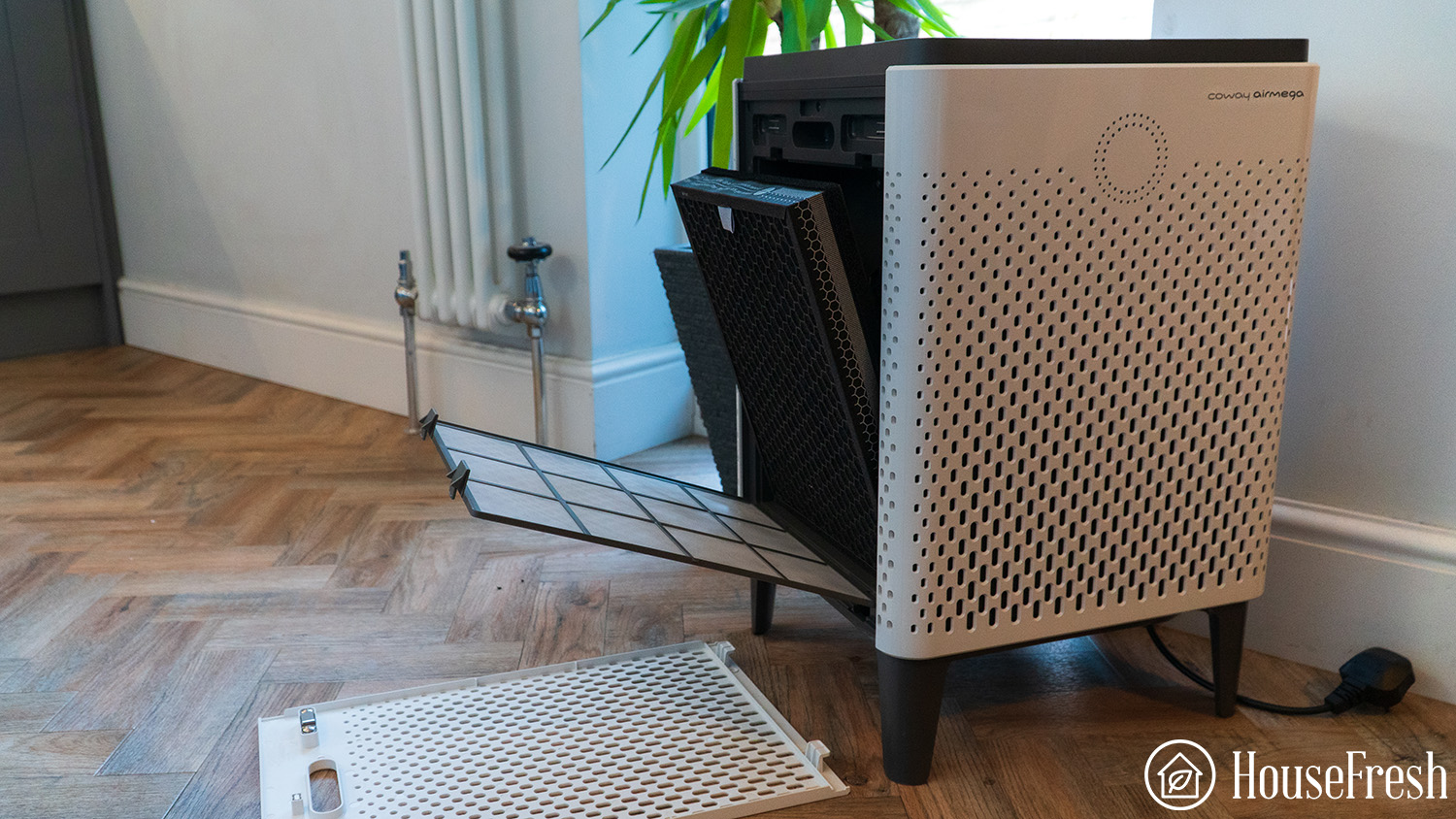
Rainbow RainMate Lights

But if you want a water fragrance diffuser like the RainMate, you will be able to find one on eBay and you can also get a generic version on Amazon. I would suggest you don’t accept salespeople in your home as I have read that the RainMate is often offered free or as a โ€œprizeโ€ if you agree to a salesperson visiting your home with the goal of hosting a presentation to sell you a higher-priced vacuum cleaner ($4,000).

Now, I have written quite a few negative reviews of air purifiers over the last few years, but I have never received as many irate emails as I did when my video review of the Rainbow RainMate went live.

Most consumers will just feel a little embarrassed that they bought a sub-par product and will email me to ask for a recommendation that will not break the bank after they have already invested in a bad device. But in the case of the comments and emails i received about the RainMate, I wonder if these are not customers but people using the RainMate as part of their sales pitch for other products.

So I went over to Reddit to dig a little deeper and was shocked at the number of people talking about the Rainbow โ€œFresh Air Machine.โ€  From reading many threads, itโ€™s clear that the RainMate is being used as a hook to get salespeople though the door as part of a high-pressure in-person sale opportunity.

reddit rainbow rainmate

I would have hoped that the invention of the Internet would make this type of in-person sales technique obsolete, but unfortunately, that doesn’t seem to be the case. I hope this review will provide more insights to people who are feeling the pressure to get this product.

If you found it helpful, be sure to share it with your friends and on social media. 


SOURCES

We used the Department of Energyโ€™s appliance energy calculator to calculate the yearly electricity costs associated with running the Rainbow RainMate for 24hs a day for 365 days. We ran this calculation utilizing the U.S. average utility rate of $0.12/kWh as of May 31st, 2024.

Levoit Core 600S VS Blueair Blue Pure 211+

Levoit Core 600S VS Blueair Blue Pure 211 Plus

Levoit and Blueair are heavyweight brands, producing air purifiers that are sold across the world.

Levoit has been making air purifiers for over ten years and has earned a reputation for releasing reliable and innovative products with a budget price tag. They have even developed their own signature technologies to use in their units like VortexAirโ„ข, QuietKEAPโ„ข and AIRSIGHTโ„ข Plus.

With two decades of experience, Blueair is known for taking the style of air purifiers to new levels, even winning awards in design along the way. They donโ€™t only concentrate on looks; Blueair strives to push filter technology across their air purifiers with HEPASilentโ„ข Technology (electrostatic filtration with HEPA) exclusive to Blueair units.

These two units showcase each company at the top of their game with the Core 600S from Levoit and Blue Pure 211+ from Blueair, so we wanted to pit them against each other. But we didnโ€™t want to go on power and cleaning ability alone; we know you (the consumer) have more needs and wants from an air purifier. 

So read on, where we examine looks, controls, filters, electricity consumption, noise levels and air cleaning performance to see who will reign victorious in the battle of these two incredible air purifiers.

TL;DR: Which unit wins overall? 

danny

โ€œWe always knew this would be a hard decision as these two units display amazing qualities. But ultimately I choose the Levoit Core 600S as our overall winner for its impressive air cleaning performance, added smart functions, low noise output and energy efficiency.โ€

โ€” Danny Ashton, Founder & Senior Writer

Levoit Core 600S VS Blueair Blue Pure 211 Plus

Donโ€™t want to read the full article? Donโ€™t worry; Iโ€™ll condense it.

The pros and cons compared

Blueair Blue Pure 211+Levoit Core 600S
Blueair Blue Pure 211 Front RoomLevoit Core 600S Front Room
What we really likeWhat we really like
๐Ÿ‘ Very simple to operate: you will do it all with just one button.

๐Ÿ‘ It is super quiet considering its power.

๐Ÿ‘ You can customize the design with a variety of pre-filter fabrics.

๐Ÿ‘ Cleared our test room in 18 minutes.
๐Ÿ‘ The mobile app is great and can connect to Alexa or Google Home.

๐Ÿ‘ It offers a high CADR for a low price.

๐Ÿ‘ It is easy to move around thanks to the handles at each side.

๐Ÿ‘ Cleared our test room in 15 minutes.
What we think could be betterWhat we think could be better
๐Ÿ‘Ž The HEPASilent technology in the Blue Pure 211+ uses a bipolar ionization process with the potential of generating small amounts of ozone, and this is a feature that cannot be disabled.

๐Ÿ‘Ž After using the 211+ at home for a few years, the mechanism to open the top doesn’t hold as well so sometimes I accidentally open the device when trying to move it around.

๐Ÿ‘Ž It’s too big and too heavy not to have a handle somewhere to make it easier to move around.
๐Ÿ‘Ž The main filter in the 600S is not, in fact, a True HEPA filter as advertised initially by Levoit. This doesn’t affect its performance, but it’s something we need to mention here.

๐Ÿ‘Ž It makes an annoying whirring sound at low fan speeds that might bother you if you’re sensitive to sound.

๐Ÿ‘Ž The sensor needs to be vacuumed regularly to ensure accurate readings.

The specifications compared side-by-side

The Levoit Core 600S is the clear winner due to its higher CADR score, its fastest cleaning performance and the additional smart features.

Levoit Core 600S Front Room

๐Ÿ’กexclusive code for HouseFresh for 10% off a single purchase on Levoit.com: HOUSE10

Both air purifiers retail at around $300, which is incredible value for money when it comes to performance. With a lack of extra features in the 211+, the 600S wins overall. It can also be used in larger rooms (up to 635 sq. ft. vs. 540 sq. ft.) and has a higher clean air delivery rate (CADR) of 410 CFM vs. 350 CFM (Cubic Feet per Minute) from the 211+.

The only other air purifier we have tested with similar performance is Smart Airโ€™s Blast Mini, which is substantially bigger and retails at around $600.

Levoit Core 600S Blueair Blue Pure 211+
HouseFresh rating:โ˜…โ˜…โ˜…โ˜…โ˜…โ˜…โ˜…โ˜…โ˜…โ˜†
Time to clean our test room:15 minutes18 minutes
Air purifier technology:3-Stage Filtration (Pre-filter for large particles, main filter for airborne particles, high-efficiency activated carbon filter for odors and gasses)HEPASilentโ„ข Technology (electrostatic filtration with HEPA) and Activated Charcoal Filter + Ionizer technology
Recommended room size:635 sq. ft. 540 sq. ft.
Clean air delivery rate (CADR):410 CFM 350 CFM
Dimensions (in inches / in cm):23.6H x 12.3W x 12.3D inches (60H x 31.3W x 31.3D cm)20H x 13W x 13D inches (51H x 33W x 33D cm)
Weight (in pounds / in kg):13.7 lbs (6.2 kg)12.5 lbs (5.67 kg)
Noise level (low โ€“ high):26 โ€“ 55 dB31 โ€“ 56 dB
Filter life:6 months6 โ€“ 8 months
Estimated energy consumption:$51.51 per year$64.12 per year
Price:$259.97Price not available

The design elements compared

When it comes to the design aesthetics, the winner is the Blueair Blue Pure 211+ due to its brightly colored, customizable pre-filter and cosmic-looking grill.

Blueair Blue Pure 211 Front Room

Donโ€™t get me wrong, the 600S doesnโ€™t look bad, but it just looks like a traditional air purifier. It has curved edges that are more aesthetic than a straight box shape and unobtrusive branding.

The problem is, thereโ€™s not much else to comment on. 

Design and look are subjective, and the 600S is great for those who donโ€™t want their air purifier to be noticed, but with its lack of creative design, itโ€™s a little too plain for my taste.

Levoit Core 600S Fireplace

๐Ÿ’กexclusive code for HouseFresh for 10% off a single purchase on Levoit.com: HOUSE10

Blueair, on the other hand, is a brand that uses design to set it apart from other brands producing โ€œtraditionalโ€ looking air purifiers, making them extremely popular with consumers who want an air purifier to fit into their modern lifestyle.

A great feature Blueair offers is its customizable pre-filters. The 211+ uses an exterior fabric pre-filter that is not just easy to clean (helping extend the life of its HEPA filter) but also offers a chance to adopt different colors so that you can customize your air purifier to fit the aesthetics of your room. Choose from Crystal Pink, Buff Yellow, Dark Shadow, Lunar Rock or the classic Diva Blue.

Blueair Blue Pure 211 Corner

When you stand them side-by-side, the differences are clear. Although theyโ€™re both box-type units, the 211+ is more stylized with its fabric pre-filter and gloss top.

Core 600 VS Blue Pure 211 Plus

Ease of use and control panel compared

When it comes to the control panel, the winner has to be the Blueair Blue Pure 211+ with its one-button control, making it super easy to use.

Blueair Blue Pure 211 plus Close up

The Blue Pure 211+ may not be able to connect to an app or have any smart functions like an auto mode or air quality monitor, but with its one-button design, the 211+ could be the easiest air purifier to operate on the market.

All you need to do is push the button once to turn it on, press it to scroll through the various fan speeds, then push it again to turn it off. You canโ€™t get simpler.

The large button on the front also acts as a filter replacement indicator, so you know when itโ€™s time to buy a new HEPASilentโ„ข filter. It will automatically glow yellow after five months of operation, giving you time to buy a replacement; when the filter is full, it will glow red to indicate that you need to install the new filter.

That said, the control panel in the Levoit Core 600S is also pretty good, if a little more complex:

Levoit 600S Controls

Levoit has packed the 600S with additional features like an auto mode, sleep mode, timer, numerical & color-coded air quality monitor and the ability to turn off the display lights. But all of these functions need a button to operate them.

Yes, itโ€™s intuitive and each button is spread out in a circle; nevertheless, the buttons are touch-sensitive and sometimes donโ€™t activate on the first press, which can be frustrating.

The best control function Levoit has for its S range is the ability to control your air purifier using the VeSync app on your smartphone. Itโ€™s easy to set up and once your device is connected, you can control the settings and fan speed, turn it on/off and monitor the air quality in your homeโ€ฆfrom anywhere in the world with an internet connection.

Levoit 600S App 3 logo

Air filtration technology compared

The Levoit Core 600S wins in our view due to its HEPASmartโ„ข technology + concentration of activated carbon. Plus, we donโ€™t like the fact that the ionizer in the 211+ cannot be turned off.

Levoit Core 600S Filter 3

๐Ÿ’กexclusive code for HouseFresh for 10% off a single purchase on Levoit.com: HOUSE10

Levoit provides us with a three-stage circular filter inside the Core 600S that will remove harmful airborne contaminants (dust, bacteria & viruses, smoke, mold and allergens) by trapping them in its tightly woven maze of fibers.

In addition to this, the filter in the Core 600S contains loose-fill pellets of activated carbon over a bonded sheet. Weโ€™ve found that loose-fill carbon is a hell of a lot more effective at removing odors and VOCs (Volatile Organic Compounds) and have a longer lifespan over bonded carbon sheet filters like the one you will find inside the Blue Pure 211+.

Levoit 600S Change filter 2

The 211+ comes with, what Blueair calls, a HEPASilentโ„ข filter. According to Blueair, โ€œdual filtration delivers up to 45% more clean air faster, using up to 67% less noise and energy than HEPA filtration alone.โ€ It gives particles an electrostatic charge to cling to the filter more effectively. According to Smart Air, the technology is the same as the one used in ionizers โ€“ itโ€™s unfortunate that the user canโ€™t deactivate this function, considering they can produce ozone.

Blueair Blue Pure 211 plus No filter

Unlike the 600S, you can remove the pre-filter from the 211+ and wash it, prolonging the life of the HEPA filter as it removes larger particles from the air leaving the HEPA to deal with the smaller ones. 

Tip

HEPA filters work by trapping contaminants when they become full of particles; they need replacing periodically with new ones to keep them effective. 

When it comes to replacing the filters, both Blueair and Levoit keep it simple:

Always remember that when you get your new air purifier, the filter is usually inside the unit wrapped in a protective plastic bag. If you donโ€™t remove this packaging before switching your air purifier on, it wonโ€™t work properly, and youโ€™ll probably start to notice the smell of burning plastic.

Air cleaning test results compared

The Core 600S wowed us when we put it through our performance tests. It cleared the simulated contaminants from our testing room in just 15 minutes! Making it one of the fastest-performing air purifiers we have tested.

Levoit Core 600S Front

๐Ÿ’กexclusive code for HouseFresh for 10% off a single purchase on Levoit.com: HOUSE10

If youโ€™ve read any of our product reviews before, youโ€™ll know that we donโ€™t take manufacturers’ specifications as gospel. We conduct our own performance tests in a real-world environment to compare different air purifiers under the same conditions.

To see how efficient each unit is at removing pollutants from the air, we fill our 705 cubic ft office full of simulated contaminants (smoke from incense sticks). We then introduce an air purifier, crank it up to its highest fan speed, and measure how long it takes the unit to clear the room of smoke pollution with the help of our indoor sensor from Purpleair.

As with the other categories, the fight for the best-performing unit was another close call. Both the Core 600S and the Blue Pure 211+ performed amazingly in our home tests with only three minutes between them.

The data from our indoor sensor only shows us minute differences between each of these air purifiers. As you can see from the sharp decline in the results charts below, both the 600S and the 211+ spring into action, clearing even the smallest pollutants from our room at speed.

The Levoit Core 600S cleared our test room in 15 minutes

The Blueair Blue Pure 211+ cleared our test room in 18 minutes

As we test all of the air purifiers we review, we can compare them with other units to see how well they perform against each other. 

The chart below shows the performance of our two competitors matched against some of the other high-performing units weโ€™ve reviewed.

Even though the 600S and 211+ are considered low-budget air purifiers (costing around $300 each), they out-performed units with much higher price tags. 

For example, the Blast Mini from Smart Air is double the price and more than double the size of the 600S and the Alen BreatheSmart 75i can set you back around $750 and isnโ€™t nearly as stylish as the 211+.  

Noise levels test results compared

The Core 600S is five decibels quieter than the Blue Pure 211+ when running at its lowest fan speed level.

Levoit Core 600S Room 2 logo

๐Ÿ’กexclusive code for HouseFresh for 10% off a single purchase on Levoit.com: HOUSE10

All air purifiers make noise unless they are turned off. Inside the unit are a fan and a motor that will make a whirring sound that escalates as the fan speed increases. Brands often use words like โ€œsilentโ€ or โ€œwhisper quiet,โ€ but this doesnโ€™t mean they are mute.

The Core 600S emits 26 dB (equivalent to a whisper from five feet away) at its lowest fan speed and 55 dB (equivalent to a refrigerator) at its highest, while the Blue Pure 211+ produces 31 dB (equivalent to a whisper nearby)  at its lowest fan speed and 56 dB (equivalent to an electric toothbrush) at its highest. So, not a whole lot of difference there.

Comparing these two air purifiers with other units we have tested, you can see from our noise comparison chart that theyโ€™re both pretty average regarding the sound they produce.

Tip

The perception of what is noisy and what is not can be quite subjective. That is why, we always shoot a video so you can get an idea of how it sounds at each one of its fan speeds:

Cost to run each unit compared

Regarding expenses you can expect to pay in the long run, the winner is the Levoit Core 600S again due to its energy efficiency and lower filter replacement costs.

Levoit Core 600S Room 5

๐Ÿ’กexclusive code for HouseFresh for 10% off a single purchase on Levoit.com: HOUSE10

1. Yearly electricity costs = $51.51 (600S) versus $64.12 (211+)

When buying a new air purifier and the initial cost of the unit, you need to keep in mind its running costs. After all, you donโ€™t want a shock when your energy bill comes in. 

Different air purifiers have different-sized motors, that take different amounts of electricity to run. With the rising energy costs globally, itโ€™s best to know how much it will cost to run a unit before you buy it.

For the size and cleaning power of these two air purifiers, they are both very energy efficient. Our performance tests revealed that the 600S pulled 49 watts at full fan speed and low 6.2 watts at its slowest. On the other hand, the 211+ pulled 55.5 watts on high and 16.7 watts on low.

2. Yearly filter costs = $100 (600S) versus $139.98 (211+)

Another high running cost to factor into your purchase is replacing your air purifiers’ filters. Brands offer different filter lifespans and charge different prices for replacement filters, usually dependent on size and strength. The good news is that in most cases, you will be able to purchase generic filter replacements at a cheaper cost. 

The average lifespan of a HEPA filter in an air purifier is around 6 months, but these guidelines depend on the specific air purifier, how often you use it and how much pollution the filters remove. 

The filter in the Levoit Core 600S has to be replaced every 6 months: 

Levoit Core 600S-P Air Purifier Replacement Filter,Genuine Air Filter,1Pack | AHAM VERIFIDE,HEPA Sleep Mode, High-Efficiency Activated Carbon,Removes Smoke, Odors, Allergens, Dust,Pet Hair, Core 600S-RF
Core 600S Replacement Filter for LEVOIT Core 600S Core 600S-P Air Purifier | 3-in-1 Core 600S-P Air Purifier Replacement Filter for Home Large Room, Core 600S-RF, 1 Pack
Technology
H13 True HEPA Filter with Activated Carbon Filter
H13 True HEPA Filter, and high efficiency Carbon Filter
More information
Price
$59.99
$43.99
Levoit Core 600S-P Air Purifier Replacement Filter,Genuine Air Filter,1Pack | AHAM VERIFIDE,HEPA Sleep Mode, High-Efficiency Activated Carbon,Removes Smoke, Odors, Allergens, Dust,Pet Hair, Core 600S-RF
Technology
H13 True HEPA Filter with Activated Carbon Filter
More information
Price
$59.99
Core 600S Replacement Filter for LEVOIT Core 600S Core 600S-P Air Purifier | 3-in-1 Core 600S-P Air Purifier Replacement Filter for Home Large Room, Core 600S-RF, 1 Pack
Technology
H13 True HEPA Filter, and high efficiency Carbon Filter
More information
Price
$43.99

Blueair recommends you replace the filter in the Blue Pure 211+ every 6-8 months:

BLUEAIR Genuine 211+ Air Purifier Replacement Filter, Everday | Authentic 211+ Filter, The Everyday Carbon & Particle Filter for Blue Pure 211+ Only. HEPASilent Technology
Technology
HEPASilentโ„ข Technology (electrostatic filtration with HEPA) and Activated Charcoal Filter
More information
Price
$68.99

HEPA filters effectively remove airborne contaminants from rooms as they trap and keep those microscopic particles in their tightly woven maze of fibers. As they capture more and more particles, the filter starts to become full and, in turn, less effective. Thatโ€™s why you need to replace them periodically.

Bottom line: Should you get a Levoit Core 600S or a Blueair Blue Pure 211+ ?

Both the Levoit Core 600S and Blueair Blue Pure 211+ are high-performing, powerful air purifiers. So, which one is best for you?

โœ… If you want smart functions, a mobile app and worry about ozone โ€” go for the Core 600S. 

Levoit Core 600S Front Room

๐Ÿ’กexclusive code for HouseFresh for 10% off a single purchase on Levoit.com: HOUSE10

โœ… If you want a customizable design and value simplicity in the control panel โ€” then the Blue Pure 211+ is the unit for you.

Blueair Blue Pure 211 Front Room

While the 600S has added functions and higher cleaning power, the 211+ has the looks and is easier to operate. But both are fantastic value for money regarding the unit’s initial price and running costs.

HouseFresh strives to give you open, honest, accurate and unbiased reviews. We donโ€™t just research the products we review; we buy them with our money. This allows us the freedom to give you our real opinions, whether they be good or bad. Having the products in our hands allows us to put each air purifier through its paces to see how it operates in a real-world scenario. Too many review sites rely on marketing materials and data from manufacturers, but we have learned that manufacturers can’t always be trusted.

SOURCES

We calculated the monthly energy consumption costs with the help of the Department of Energyโ€™s appliance energy calculator. We calculated yearly costs associated with running the 600S and 211+ for 24 hours a day for 365 days. We chose to run this calculation utilizing the U.S. average utility rate ($0.12) at the moment of writing this product comparison spotlight on June 29th, 2023.

Smart Air QT3 review

Smart Air QT3 Small Room

Smart Air isnโ€™t one of the big-name air purifier brands yet. But it has been making waves in the industry recently with its low-cost yet powerful air purifiers. 

Born out of a desire to solve the air pollution problem, Smart Airโ€™s founder, Thomas Talhelm, entered the arena with a mission; to create easy-to-use, high-performing air purifiers at a fraction of the price of the top-tier models. 

By strapping a HEPA filter to a fan, Thomas successfully created a simple air purifier that created a buzz online and laid the foundation for Smart Air. Since its inception in 2013, Smart Air has been shipping affordable, no-nonsense air purifiers worldwide and providing free education on air pollution. 

Today, the company has a wide range of air purifiers, including the Smart Air QT3, the popular Sqair Air Purifier and the high-performance Blast MK 11 Air Purifier. The Smart Air QT3 is a compact air purifier designed to provide clean air on the go. 

At HouseFresh, we take pride in our review process, aiming to bring clarity to the world of air purifiers. We purchase every product we review out of our own pockets, allowing us to poke holes and bring to light what manufacturers will not tell you about the product. 

Hereโ€™s how we tested the Smart Air QT3:

  1. In our home lab of 728 cubic ft, we light an incense stick to generate particle pollution and VOCs.
  2. We set up our trusted Purpleair Indoor Sensor with the latest Bosch gas sensor to track levels of PM1ug/m3, PM2.5ug/m3 and PM10ug/m3 and VOCs in the air.
    purpleair
  3. We switch the air purifier to its highest speed and measure how long it takes to get our room air quality down to PM1 level to 0.
  4. For portable air purifiers, we repeat this test inside our Tesla Model 3 to see how good the unit is at cleaning the air in a small enclosed space.
    Testing QT3 in Tesla
  5. We use an energy meter to measure precisely how much electricity is used when running the unit at the lowest and highest fan speed settings.
    How Much Energy Does an Air Purifier Use
  6. We track sound levels emitted by the air purifier at different fan speeds with the help of a commercial sound meter.
    sound meter

In this review, I will walk you through what we found when testing the QT3. But let’s start with a tl;dr for those of you who just can’t sit through a full in-depth review (no judging!)

The lowdown on the Smart Air QT3

Danny Ashton HouseFresh
โ€œThe QT3 is a solid portable air purifier from the team at Smart Air that is not yet perfect but is one of the more capable air purifiers you can use on the go.โ€
โ€” Danny Ashton, HouseFresh Founder & Senior Writer

Smart Air QT3 Car

U.S. PRICE UK PRICE

What we really like

It is portable and lightweight at only 610g
Perfectly safe, ozone-free technology as only uses HEPA technology
It’s a quiet air purifier (as low as 36 dB)
Can make clean air accessible no matter where you go, thanks to the 2,000mAh battery
Movable louvers that allow you to adjust the direction of the airflow

What we think could be better

No activated carbon to deal with VOCs and odors
It is not yet available on Amazon
Only ideal for small spaces. It is not to be used as a replacement for a full-size air purifier like the Smart Air S or the SA600.

The specs

This model is the only portable that Smart Air makes and has become a significant favorite with travelers looking to reduce the risk of Covid-19. It costs $44 with a CADR of 24 CFM and has a recommended room size of up to 54 ftยฒ. 

Below are the full product specs:

HouseFresh rating:โ˜…โ˜…โ˜…โ˜…โ˜†
Time to clean our Tesla Model 3 (with the device running at top speed):47 minutes
Time to clean our 728 cubic feet test room (with the device running at top speed):4 hours and 27 minutes
Air purifier technology:HEPA filter made with polypropylene (PP) and polyester (PET) with an 800-hour lifespan 
Recommended room size (4.8 air changes per hour):12.9 sq. ft.
Clean air delivery rate (CADR):Dust: 21 CFM
Smoke: 21 CFM
Dimensions (in inches / in cm):5.9L x 5.7W x 7.1H inches (15cm L x 14.5cm W x 18cm H)
Weight (in pounds / in kg):1.375 lbs (0.624 kg)
Filter life:6 months
Noise level in decibels (measured from 3 ft. away with a sound level meter):Speed 1: 36.3 dB
Estimated running cost (electricity consumption + official filter replacement):$39.72 per year
Cost per CADR cfm (based on dust CFM as reported by AHAM):$0.41
Manufacturerโ€™s warranty:1 year
Country of manufacture:China

The QT3 looks great

This portable air purifier features a super-sleek design, as expected from a company like Smart Air. 

Smart Air QT3 Front

The Smart Air QT3 is a lightweight, aesthetically pleasing air purifier ideal for cleaning the air in a small room. It is made from high-grade plastic in fresh white and summer pink finishes. A cable tray at the top lets you keep your USB-C cable.

At the front of the device are fins that you can adjust manually. Unlike other air purifiers weโ€™ve tested, the QT3 has a plastic handle that makes it easier to carry around. 

Smart Air QT3 Top Down

Two versions are available for the Smart Air QT3: The Home Edition, which has no battery and the travel edition we received for this review. It comes with a 2,000mAh battery that lasts four hours, making it ideal for use when driving or on public transport.

Measuring 150 x 145 x 180mm, the QT3 has a small form factor compared to other air purifiers weโ€™ve tested. In comparison, itโ€™s much bigger than the Levoit Core 300 but similar in size to Levoit Core Mini. 

Below is a photo comparing it with another contender in the portable air purifier space: the Pure Enrichment PureZone Mini. The QT3 is much bigger in comparison, but they both stay true to their portable nature.

Smart Air QT3 VS PureZone Mini

At 1.3 lbs, the QT3 is very portable. While it’s a tad more prominent than the other mobile units available, it’s still very light for an air purifier.

Like other Smart Air units, the QT3 is simple to use with just two buttons.

Smart Air QT3 Controls 3

One is for powering the device, and the other is for adjusting the fan speed. Alongside the buttons are four LED lights, three for indicating the speed and the fourth one for the filter. The filter indicator will light up when the HEPA filter needs a replacement. 

It will not filter unwanted smells

The QT3 comes with a high-density H11 HEPA filter but it doesn’t include activated carbon

Smart Air QT3 Filter change 1

The Smart Air QT3 comes with high-density H11 HEPA filters, which can remove 95% of pollutants, like PM2.5, allergens, pollen, fur and bacteria.

Smart Air QT3 HEPA

The QT3 purifier contains no ionizers and doesnโ€™t emit dangerous chemicals like ozone. However, it lacks an activated carbon filter, so it cannot remove odors and volatile organic compounds (VOCs) from indoor air.

I understand this would likely have to be such a small charcoal filter that it’s unlikely to perform well, but I would love to see it in version two.

Smart Air QT3 HEPA top

In comparison, Levoit Core 300 and Levoit Core Mini are equipped with HEPA and Activated Carbon filters, effectively removing odors, VOCs and particles. However, they both need a plug to operate.

Smart Air QT3 Filter change 2

The other portable unit we like is the Pure Enrichment PureZone Mini. The PureZone Mini has activated charcoal, but itโ€™s so tiny that we didnโ€™t see any difference in odor when we tested it.

Changing the filter in your Smart Air QT3 is not difficult at all. One slight issue was that the filter would often slip if I knocked on the device, so I had to remove and reseat the case. It would be good to see a more secure filter in the next design.

Tip

When you first open the Smart Air QT3, the filter will be in a plastic wrapping, so be sure to remove this before you switch the unit on, or it will not be able to remove particles from your air.

Smart Air QT3 Filter bag

The Smart Air QT3 cleared our Tesla Model 3 in 43 minutes

We conducted two tests on the Smart Air QT3: one inside our Tesla Model 3 and one inside the same 728 cubic ft test room, where we test the air cleaning performance of all our air purifiers.

In both cases, we simulated indoor particle pollution by burning an incense stick and tracking how long it took the QT3 to reduce the levels of PM1.0ug/m3, PM2.5ug/m3 and PM10.0 ug/m3 in the air with the help of our trusted PurpleAir sensor.

It took the QT3 just 43 minutes to clear the air inside the cabin of our Tesla Model 3:

When it came to cleaning the air of our 728 cubic ft home lab, the QT3 understandably needed a lot more time:

Air cleaning performance, compared

I was impressed by the performance of the Smart Air QT3 when comparing its air cleaning speed with other portable air purifiers.

Things changed, however, when I compared the performance of the QT3 against non-portable air purifiers. Yes, the results look poor, but this is to be expected as portable air purifiers have a far lower air cleaning power (CADR).

That said, the QT3 performed better than its small portable competitors. Just to give you an idea, it took the Pure Enrichment PureZone Mini 5 hours and 39 minutes to clean the air in our test room – that’s one whole hour longer than the QT3.

Noise levels test results

Best Quiet Air Purifiers QT3

The Smart Air QT3 produced 40 dB at the highest fan speed, ideal for home or office use. The unit can go as low as 36.3 dB at the lowest speed, putting it on par with the best ultra-quiet air purifiers weโ€™ve tested.

As you can hear from the video, the noise generated by the QT3 is very quiet:

The cost to run a Smart Air QT3: $39.72 per year

1. Electricity costs = $13.73 per year

Many consumers think about the initial cost of an air purifier but often forget to think about its costs. The Smart Air QT3 isnโ€™t a cleaner that will cost a lot in bills as itโ€™s a small unit with a low power draw of only 9 watts at full power.

While the electricity costs associated with a unit like the Core Mini are a little cheaper ($6.31 per year), the QT3 will cost way less in terms of power consumption than a standard home air purifier like the Levoit Core 300, which costs $37.84 annually.

2. Filter costs = $25.99 per year

As HEPA works by trapping pollutants, these filters become full of particles and eventually restrict airflow to reduce performance. Smart Air has manufactured filters that cost less and last longer. The Smart AIR QT3 has filters available for just $25.99.

In comparison, filters for Core Mini will set you back $49.98, while Pure Enrichment Pure Zone Mini is slightly cheaper at only $20 for one set of filters.

Smart Air (AKA Smart Health) QT3 Genuine Replacement HEPA Filters -2-Pack
  • BREATHE CLEAN AIR: Take a breath of fresh air! Our HEPA filters 0.3-micron as well as 0.07-micron airborne particles
  • LIFE SPAN: Each filter has an 800 hour life span
  • HIGH-QUALITY: Our high-quality HEPA filter pairs with the Smart Air QT3 Portable Air Purifier and Fan

Bottom line

The QT3 is a solid portable air purifier that cleaned the air in our Tesla Model 3 in under an hour

The Smart Air QT3 is not a great air purifier when compared to those you can plug in, as it can only clean a tiny area. It had issues cleaning in our small test room, but it did remove particles from the air when left for long enough.

Its stand-out feature is the ability to be used for travel with its battery, so itโ€™s one of the top portable air purifiers on the market.

Smart Air QT3 Kitchen

Filter prices are fair, as is the cost of the unit. If you have concerns with flying, the Smart Air QT3 is a great option. If you’re looking for an air purifier for your car or an RV, then you should also look at the IQAir Atem.

The QT3 is an air purifier designed explicitly for one type of job, so it is not the most versatile of units.

But you can rest assured that if portability is at the core of what you’re looking for, then the QT3 is one of the best options on the market.

SOURCES

We calculated yearly costs associated with running the Smart Air QT3 24 hours a day, 365 days per year utilizing the latest average energy prices as reported by the Bureau of Labor Statistics of $0.174/kWh as of May 2024.

Do ionizer air purifiers work?

Blueair Blue Pure 411 Living Room

If you don’t have time to read this full article, here’s a summary of what we will cover:

  • Ionizers can slightly improve the efficiency of mechanical air filtration of HEPA and activated carbon filters, boosting the ability of the unit to remove particulate matter and odors from your environment.

  • Unfortunately, they do this by generating and releasing negative ions into the air, which can produce a harmful gas called ozone and also increase small particulate matter (PM2.5) levels along the way.

In this article, weโ€™ll dig deeper into what an air ionizer is, its potential harm and its limitations. 

Ready to learn more? Letโ€™s get to it!

What does an air ionizer do?

For this one, youโ€™ll have to think back to your high school chemistry lessons.

Ions are so minuscule that theyโ€™re invisible to the human eye. Nevertheless, theyโ€™re all around us, floating in the air.

Remember particles and molecules? Theyโ€™re all made up of ions, which can have either positive (cation) or negative (anion) charges. Negative ions (anions) become negative when they gain an electron, whereas positive ions (cations) become positive when they lose an electron. 

Unlike an air purifier, which works by filtering through a series of finer and finer filters, an air ionizer generates negative ions, which are then released into the surrounding air. 

These are then attracted to positive particles in your atmosphere, such as cigarette smoke. This creates an electric charge, which causes the particles to stick together.

Once stuck together, they land on surfaces around you. This can include your ceiling and walls, floors and tabletops and furnishings, such as curtains, rugs and carpets.

These clumped-together particles can then be removed and cleaned away. Sometimes, the ionizer will have metal plates built-in, which collect the particles for you. You will, however, need to wipe these down from time to time.

Are you still with me?

Now that you understand how ionizers work, let’s go over some research about their air cleaning efficiency and the effects they can have on our health.

The pros and cons of air ionizers

While ionizers can be beneficial, they canโ€™t completely clean up your environment. 

Letโ€™s get into the pros and cons:

Air ionizer pros

Ionizers can remove certain-sized particles from your environment. The result is that odors may be removed, which can help make your air feel fresh.
A 2018 study found that negative ions could efficiently remove particulate matter, even including ultrafine particulate matter. They were also able to kill mold and fungi.
A 2013 study also found that exposure to negative ions in high-density could contribute to a lower depression score, decrease stress and positively affect sleep and comfort levels. 
Another study conducted in 2021 also found that positive and negative ions could significantly create an antibacterial atmosphere against bacteria. The study concluded that air ionizers would be handy for tackling airborne bacteria and infections.

Air ionizer cons

The EPA notes that ionizers are ineffective at removing gasses (such as VOCs), odors, pollen and house dust from your environment. They can even create VOCs as a by-product. 
Ozone is also generated as a by-product of ionizers, a known lung irritant harmful to your health. There can be all sorts of harmful side effects from inhaling ozone, which in the short term can include:

– Irritation of the throat
– Chest pains
– Coughing and shortness of breath
– Breathing difficulties
In the long term, you could also be looking at more serious lung conditions. A 2008 study found that ionizers were generally not strong enough to affect particulate levels unless they were particularly strong.
Another 2008 study also found that in addition to ozone, formaldehyde and ultrafine particulate matter were released into the atmosphere by ionizers. 

HouseFresh doesnโ€™t recommend air ionizers

Danny Ashton HouseFresh
โ€œResearch shows that negative ions could enhance the ability of an air purifier to remove particulate matter and odors, including mold, fungi and even bacteria.

However, ionizers can generate ozone, VOCs and nitric oxide, leading to many health problems. That is why we do not recommend air purifiers that use this technology to anybody with respiratory issues or serious illness.

In our opinion, ionizers are not worth any risk when HEPA and activated charcoal don’t create chemical byproducts and work exceptionally well at removing harmful particles and gases from the air.

That being said, there are many good air purifiers on the market with ionization technology that can be turned on and off (such as the Winix 5500-2) for those who want to supercharge the air-cleaning performance of their units in specific situations but who prefer not to have an ionizer running in the background all the time.โ€
โ€” Danny Ashton, HouseFresh Founder & Senior Writer

SOURCES

How to protect your home from wildfire smoke

Wildfire smoke

There are more and more intense wildfires than ever before, and theyโ€™re appearing in areas that were once deemed low-risk. Everyone should have a wildfire evacuation plan in place to protect their family. 

Still, even wildfires that donโ€™t directly threaten your home can be dangerous because of their main byproduct: Smoke.

All homes โ€œbreathe,โ€ and smoke can get in via joints, cracks and tiny gaps via a process known as infiltration. Wildfire smoke contains tiny, invisible particles and other contaminants that can cause many potentially dangerous health problems, including bronchitis, asthma attacks, heart attack, stroke, lung cancer, and ecline in cognitive function.

The best defense is a good offense: Learn how to smoke-proof your home.
The three-step strategy to smoke-proof your home

If you have wildfires, check the AirNow website to anticipate air quality dangers. 

Then follow our three-part strategy to smoke-proof your home โ€” Seal, Circulate, Clean:

  • Seal. Shut windows and doors, and inspect and repair caulking and weather stripping to eliminate gaps. Close outdoor intake dampers or vents on your central air conditioning systems as well as any window-mounted ACs. If you have portable ACs installed, check the seal around the exhaust mounts in the windowsโ€”or remove them altogether and close the window.

    If there are gaps under doors or anywhere else in the houseโ€”places where you can feel a draft on windy daysโ€”fill them in as best you can. Expanding foam, window and door caulk, or even old rags or leftover insulation can be used as short-term solutions to stop smoke from entering the home.
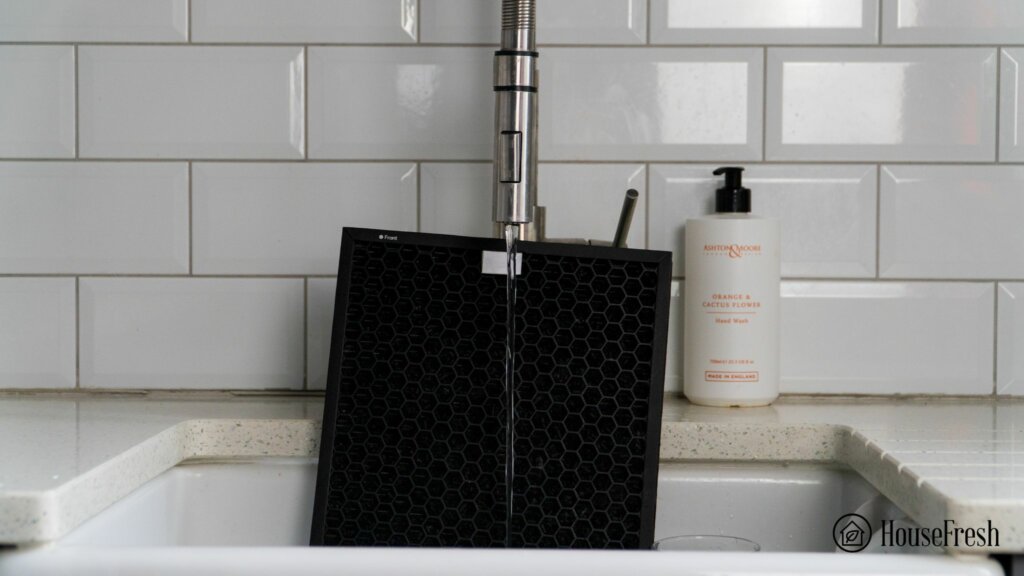
     
  • Circulate. Itโ€™s best to keep air moving inside the house to keep it fresh and to maintain climate controlโ€”if wildfires are nearby, staying cool inside the house is essential for your health and safety. If you canโ€™t cool down the house, itโ€™s best to evacuate if you possibly can because heat is a serious threat during a wildfire.ย 

    A key caveat here is to make sure your air conditioning systems are set to โ€œrecirculate modeโ€ so they only cycle the air inside the house. If your system doesnโ€™t have this setting, or if there is an outdoor damper or vent that you canโ€™t close (or if itโ€™s a single-hose portable air conditioner, which can pull air (and thus, smoke) into the room from the outside), donโ€™t use your AC.
  • Clean. No matter how well you insulate and prepare your home for wildfires, thereโ€™s a chance some smoke will get inside. The EPA recommends creating a โ€œclean roomโ€ thatโ€™s free from all air contaminants, including cooking or smoking, that can be used to reduce your exposure to wildfire smoke. Using an air purifier or air cleaner to keep the air inside a clean room or elsewhere in your home free from the fine particles that travel in wildfire smoke is a very good idea. Make sure your air cleaner has a high-efficiency filter, and run it at the highest setting as much as you canโ€”remember, you may not be aware of particles in the air because they are so small.
Tip

If you donโ€™t own an air purifier, it is possible to make one from a few common materials for a short-term DIY solution. While this DIY setup wonโ€™t be as effective as a commercial air purifier or cleaner, it will help improve indoor air quality.

Additionally, having some N95 respirator masks on hand is also an excellent idea if youโ€™re going to ride out a wildfire in your home. This way if your efforts to keep the indoor air clean and circulating arenโ€™t sufficient, or if you need to go outside for any reason, you will be protected from smoke and particles in the air.
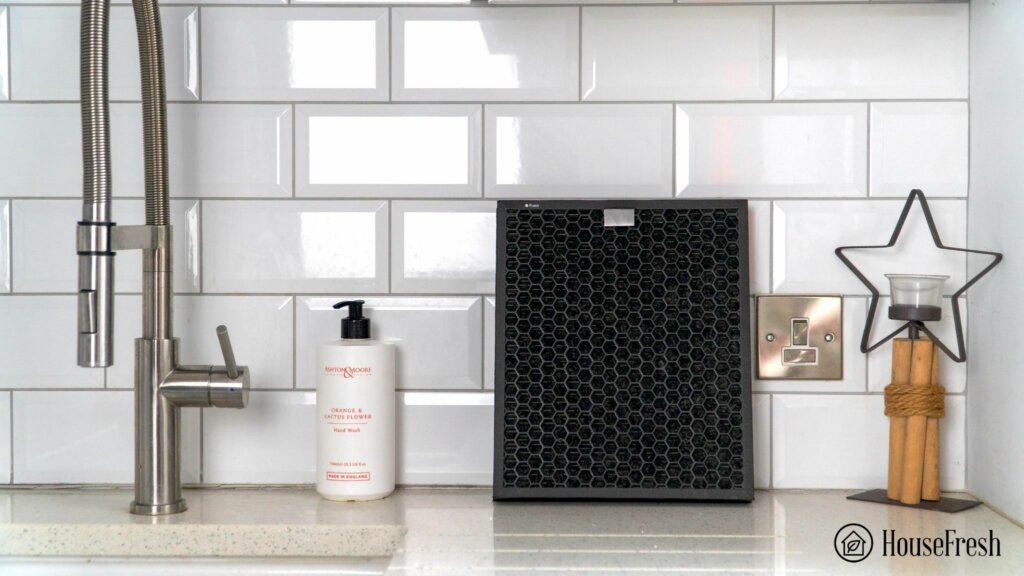
Protecting your home during a wildfire

Wildfires move very fast and your home represents a rich fuel source. Most houses that burn down during wildfires ignite due to embers and burning debris carried by the wind, which means you can take steps to help protect your home.
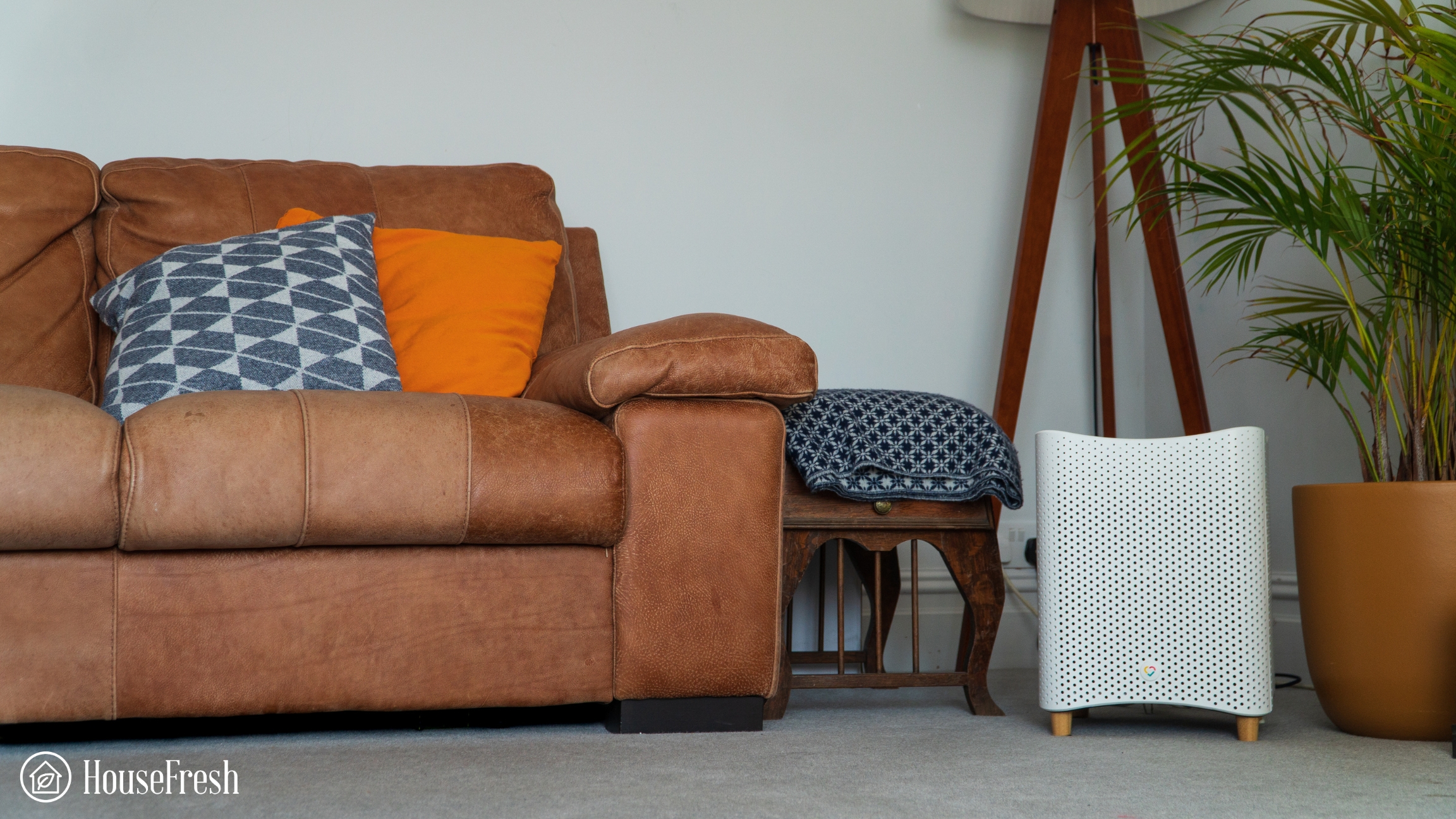
This starts with understanding what the National Fire Protection Association (NFPA) calls the Home Ignition Zone, which is divided into three main categories:

  1. Immediate Zone: 0-5 feet (this includes the home itself) 
  2. Intermediate Zone: 5-30 feet
  3. Extended Zone: 30-100 feet

The Immediate Zone is crucial because embers can land on your home and start a fire. If wildfires are approaching your property, itโ€™s best to start with the structure of your home itself and then work outwards from there to reduce flammable materials.

– Trim tree branches that overhang the home and trim branches within six feet of the ground.

– Inspect roof shingles and replace them as needed; embers penetrating the roof are common causes of home fires during wildfires.

– Inspect attics for openings allowing embers to enter the home and add 1/8th-inch metal screens to all vents. Adding wire mesh to screened-in areas like porches to resist embers is also a good idea.

– Remove all plants from the Immediate Zone, including landscaping. If thereโ€™s a lawn, make sure it is hydrated. If itโ€™s dry and brown, cut it as low to the ground as possible.

– Clear dead leaves and other debris from under decks and porches and between boards.Remove any materials that could ignite from floating embers.

– Instead of mulch, use crushed stone or gravel in your landscaping.

– Replace your roof with fire-rated products such as composite, clay, concrete shingles, or metal.- Replace siding and exteriors with fire-resistant materials like concrete siding, brick, plaster, or stucco.

– Replace your windows with dual-pane windows utilizing tempered glass in at least one pane. 

– Single-pane windows can crack and shatter in extreme heat, allowing ember and smoke penetration.

The Intermediate Zone is where you can slow down a wildfireโ€™s advance. While the immediate zone is about eliminating combustible materials, this area is more about spacing and maintenance.

– Replace soft landscaping with hardscaping where possible to reduce potential fuel sources.

– Ensure any structures are built using fire-resistant materials.

– Create fire โ€œbreaksโ€ with non-flammable materials, e.g., pavement, pavers, or gravel at regular intervals.

– Clear vegetation under trees to prevent the spread of flames to branches and canopies.- If possible, maintain a minimum space between trees of 18 feet.

The Extended Zone will be your first opportunity to minimize a wildfireโ€™s impact on your property. The goal here isn’t to eliminate a fire but to interrupt the fire’s path and keep flames to a minimum. 

– Regularly clear ground of flammable materials, including dead vegetation, to reduce fuel.

– Keep any buildings or structures clear of ground plants or climbing plants.

– Ensure any structures in the Extended Zone are built using fire-resistant materials.

– If possible, maintain a minimum space between trees of 12 feet (within 30-60 feet from home) or 6 feet  (within 60-100 feet from the home).

What to do after a wildfire

Follow our infographic guide with tips on what you should and shouldn’t do when coming back home after a wildfire.

07 What to Do After a Wildfire scaled

Final thoughts 

Wildfires are frightening and destructive, burning anything in their path indiscriminately. If your home could be in the path of wildfires, you can take steps now to reduce the fire risk from floating embers by using suitable fire-resistant materials. 

Remember you can protect your family by devising an evacuation plan that can be implemented without delays. But smoke is just as dangerous as the flames, so you also need a plan to keep the air inside your home safe and breathable. 

Make your house as smoke-proof as possible by sealing gaps and ensuring the interior air is circulated and cleaned aggressively.

SOURCES

The best air purifiers for large rooms

AirFanta 3Pro Fireplace

Sadly, most โ€œbest air purifierโ€ lists you will find ranking on Google or YouTube are nothing more than the latest list of the best-selling devices, regardless of whether they will be suitable for large spaces.

In fact, most air purifiers are designed for small spaces (up to 300 sq. ft.), so the units recommended by big media publishers generally don’t pack the power needed to clean very large rooms. That can lead you to buy an underpowered air purifier that won’t be effective at keeping the air clear of pollutants because it just can’t clean the air fast enough.

For large rooms, you need an air purifier with a high clean air delivery rate (or CADR) to provide the recommended 4.8 air changes per hour needed to help reduce the level of particulate matter in the air. That is why all our picks for large spaces have a high CADR.

Of course, we didn’t stop there.

Before we put together the list you’re about to read, we tested the air cleaning performance of every air purifier by burning an incense stick in our test room and using two PurpleAir laser particle sensors to track how long each unit needed to remove the smallest particles (PM1) from the air. And that was just the first of many tests…

how we test
How we test air purifiers

Read our full testing methodology.

But we donโ€™t just test our devices; we live with them.  Our home is full of air purifiers, so we can uncover things that testing in isolation wonโ€™t reveal โ€” from how easy it is to clean the pre-filter to how reliable the auto-mode or the app is.

Based on our first-hand data and experience living with these devices, these are the best large-room air purifiers available to buy right now.

Staff picks: The best air purifiers for large rooms

If you donโ€™t have time to read through my full article, scroll through the table below to see my picks.

BEST OVERALLBEST VALUEQUIETESTCONSTRUCTIONDIY OPTION
SmartAir Blast MiniAirFanta 3ProCleanAirKits Luggable XLAlorair Air Scrubber 550Corsi-Rosenthal Box
Blast Mini Living roomAirFanta 3Pro CornerCleanAirKits Luggable FireplaceAloreair Air Scrubber FireplaceCorsi Rosenthal Box Living Room
Air cleaning speed12 minutes14 minutes19 minutes16 minutes30 minutes
CADR435 CFM430 CFM323 CFM550 CFM274 CFM
Filter techH13 HEPA filter + carbonTrue HEPA H11 + carbonMERV 13MERV 10 + H13 HEPA + carbonMERV 13
Filter life13 months6โ€“12 months6-12 months6 months6-12 months
Max room size703 sq. ft.671 sq. ft.485 sq. ft.635 sq. ft.680 sq. ft.
Sound levels44-56 dB36-56 dB38.8 dB73-74 dB49-60 dB
Long-term running costs$311.89 / year$125.23 / year$54.73 / year$223.91 / year$110.88 / year
Upfront costPrice not availablePrice not available$227.00$399.99$85.00

Last update on 2026-10-27 / Affiliate links / Images from Amazon Product Advertising API

Now, if video is your thing, you might prefer to watch the video version of this article:

Iโ€™ve chosen air purifiers with individual strengths because we all have different needs. Whether it be performance, sound, size or budget, this guide has something for everyone.

1. The best overall: Smart Air Blast Mini

A BIG air purifier with a huge fan and filter that still manages to clean the air quietlyโ€”the best-performing air purifier for rooms up to 703 sq. ft.

Blast Mini MKII Corner

ยฃ432 AT SMART AIR UK

The CADR for this air purifier is 435 CFM (740 m3/h). Smart Air recommends it for spaces of 915 sq. ft. (85 m2), but based on our calculations, you will get 4.8 air changes in rooms up to 703 sq. ft. When we tested it running at top speed, it cleaned our test room in 12 minutes, which was quicker than any other device we had tested:

What is even more impressive is that the Blast Mini still managed to clean our test room in 16 minutes when running at its lowest fan speed which produced less than 45 dB of sound. This air purifier truly blew my mind.

Sure, the PC fan DIY kit air purifiers still provide quieter operation, but for pure air cleaning power at sub-45 dB, the Smart Blast Mini MKII is the device to beat:

AIR PURIFIER MODELFAN SPEEDSOUND LEVEL AT LOWEST SPEED (dBA)TIME TO CLEAN OUR TEST ROOM AT LOWEST SPEED
Levoit Vital 200SSpeed 242.5 dB(A)46 minutes
AirFanta 3Pro4.84v38.1 dB(A)31 minutes
Smart Air Blast MiniSpeed 144.9 dB(A)16 minutes
CleanAirKits Luggable XL-7Only speed38.8 dB(A)20 minutes
Winix 5500-2Speed 2 (no ionizer)42.5 dB(A)43 minutes
Levoit EverestAirSpeed 139.1 dB(A)25 minutes
TaoTronics AP-003Speed 242.8 dB(A)47 minutes
Molekule Air Mini+Speed 346.2 dBA113 minutes

What we really like

It is made out of metal, and while itโ€™s heavy, it comes on wheels. Compared to most other air purifiers, this device can take a lot of knocksโ€”perfect for a location like a school.
The lack of smart features. You donโ€™t need to worry about app connectivity or WiFi connection. If there is a power cut, this device will come back on automatically when the power is restored.
The pre-filter is easy to remove for regular cleaning. It is better to have a removable pre-filter like the one that comes with the Blast Mini compared to cylindrical air purifier designs, where you need to remove the entire filter just to clean the pre-filter.

What we think could be better

It is not cheap. This air purifier will set you back around $599 if you’re buying from the U.S. or ยฃ450 if you’re in the UK.
It is far from ‘mini’. This is a heavy air purifier (59 lbs or 26.8 kg), and you canโ€™t hide it away. It is called Mini because it is the small version of Smart Airโ€™s Blast air purifier, which is basically a wall on wheels.
It gets noisy at top speed (56.3 dB). That said, you can run the Blast Mini at its lowest fan speed and it will still provide you with clean air faster than the majority of air purifiers on the market todayโ€”and it is good to have that extra power there in case you need it!

Behind the stylish front cover of the Blast Mini, you will find an incredibly powerful fan and a huge, long-life H13 HEPA filter. It is worth mentioning that the Blast Mini doesnโ€™t have an activated carbon filter as standard, so if you are looking for an air purifier to help tackle unwanted smells or VOCs in a large room, I highly recommend you spend a little extra to add a carbon filter.

There are no special bells and whistles on the Blast Mini like auto mode, air quality monitor or touch-screen control. Founded by people who werenโ€™t happy with the cost of air purifiers, Smart Air set out to produce high-performing, low-cost, no-thrills units that do their job really well. That is why their devices donโ€™t have sensors or any smart features, so I use my Blast Mini connected to our Philips Hue system to run it on a schedule that works for our home.
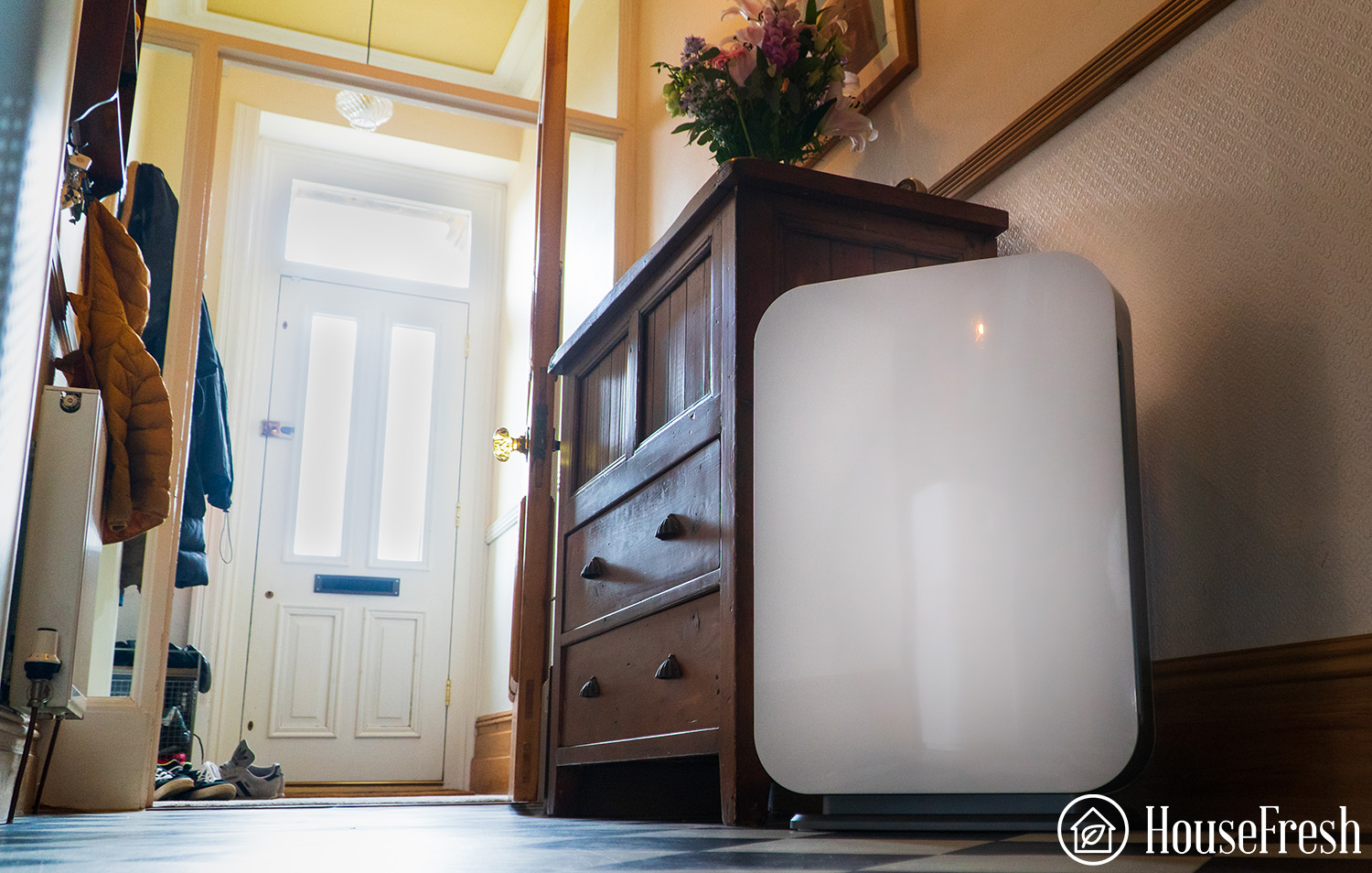
Clean air delivery rateย (CADR):โ€“ Top speed PM1 CADR: 400 cfm
โ€“ Sub-45 dBA PM1 CADR: 272 cfm
โ€“ Manufacturer provided CADR: 437 cfm
Filter technology:H13 HEPA filter (and optional pelleted activated carbon filter)
Recommended room size:600 sq. ft. (5 air changes per hour):
Dimensions:22.6L x 13W x 24.8H inches (57.5L ร— 33W ร— 63H cm)
Weight:59 lbs (26.8 kg)
Noise level in decibels from 3 ft. away:Speed 1: 44.9 dB
Speed 2: 51.2 dB
Speed 3: 56.3 dB
Electricity consumption in watts:Standby mode: 0 watts
Speed 1: 51.9 watts
Speed 2: 87.4 watts
Speed 3: 122.7 watts
Filter lifespan:13 months
Manufacturerโ€™s warranty:1 year
Country of origin:China
Country of manufacture:China

โžœ Read our full review

2. The best value for your money: AirFanta 3Pro

At $149.99, the AirFanta 3Pro is the most affordable high CADR air purifier on the market today for spaces up to 671 sq. ft.

AirFanta 3Pro Living Room

Use the discount code HOUSEFRESH for 5% off when buying directly from AirFanta.

The design of the AirFanta 3Pro is inspired by the Corsi-Rosenthal box: a base at the bottom, a custom-made HEPA H11 filter on each side and an array of powerful PC fans on top. At its highest fan speed, it has a CADR of 436 CFM, so it can provide 4.8 air changes per hour in rooms up to 681 sq. ft. 

Looking at those figures, you can probably understand why the 3Pro earned a spot on this list. Try finding a traditional HEPA device with a CADR north of 400 cfm for less than 150 bucks!

When running at its top speed, the 3Pro cleaned our 728 cubic ft. test room of all traces of PM1 particles in just 14 minutes with HEPA filters only and 18 minutes with HEPA + carbon filters.

When calculating the total running costs associated with running an AirFanta 3Pro at full speed every day, you can expect to spend $125.23 per yearโ€”this aligns with the running costs you will see with other popular air purifiers:

AIR PURIFIER MODELESTIMATED ELECTRICITY COST (per year) FILTER REPLACEMENT COST (per year)YEARLY MAINTENANCE COST
Levoit Vital 200S$49.48$49.99$98.01
Nukit Tempest Euro$20.10$80.00$100.10
CleanAirKits Luggable XL-7$11.66$89.99$101.65
Corsi-Rosenthal box$50.56$60.32$110.88
Winix 5510$59.91$79.99$139.90
AirFanta 3Pro$48.02$49.99$166.02
Coway Airmega 250S$64.10$159.98$224.08
Smart Air Blast Mini MKII$129.30$149.99$279.29

What we really like

The AirFanta 3Pro was designed to be portable. It can be disassembled and reassembled in just a few minutes, and it fits inside a carry-on luggage or even a medium-sized backpack.
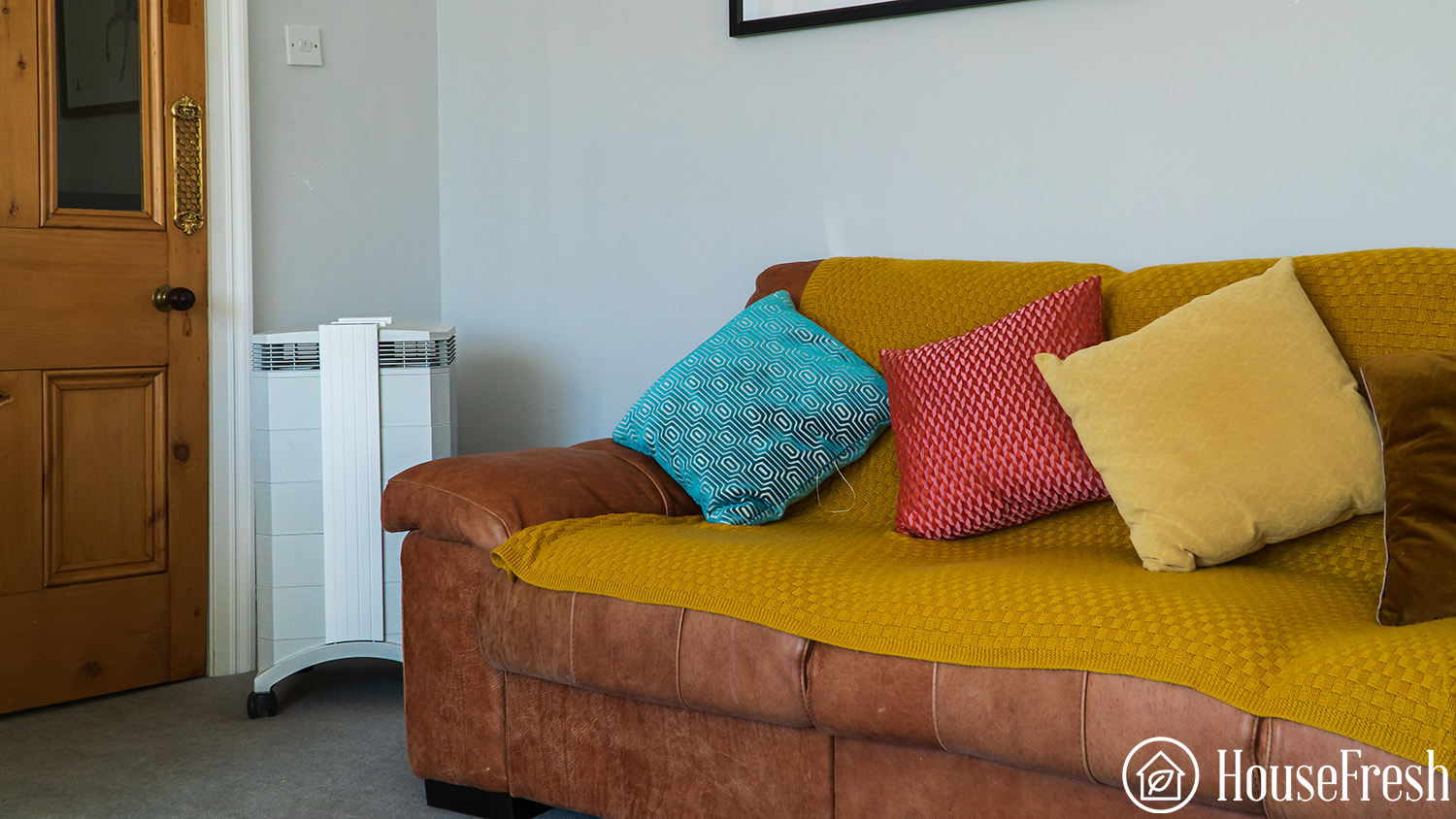
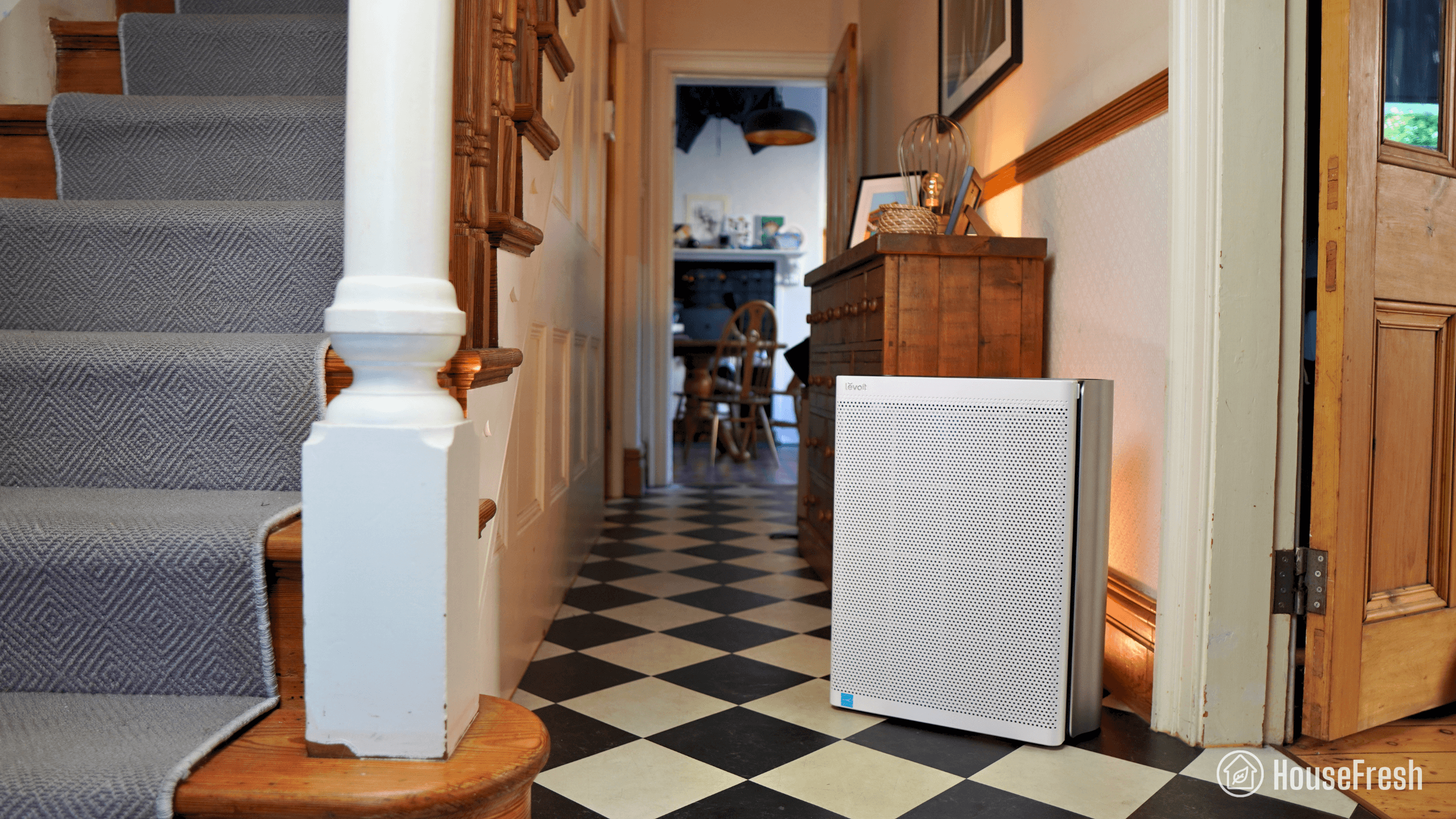
It is small but incredibly powerful. It took just 14 minutes to clean our test room, which is just two minutes slower than the much larger Smart Air Blast Mini.
It comes with a power adapter to control the speed of the fans and the noise output. I tested it at lower voltages and still achieved solid air cleaning performanceโ€”when running at 8V, it generated 47.2 dBA of noise and cleaned our test room in 17 minutes!
It is the cheapest PC fan-powered air purifier you can buy today. It is not only cheaper but also A LOT easier to put together than a standard DIY PC fan air purifier kit.

What we think could be better

It is the noisiest PC fan air purifier we tested. When running at top speed, we measured 56.3 dB, which is as loud as standard shop-bought HEPA devices.
It is the most electricity-hungry PC fan air purifier we tested. Energy costs are similar to standard retail HEPA devices when running at full speed.

You will not find any other air purifier with a CADR above 400 that you can bring along with you wherever you go. This makes the AirFanta an excellent choice for events and shows.

Like the Smart Air device, it doesnโ€™t have any smart features, but the power control allows you to find a sound level you’re happy with. For those wanting to clean a large room for the best bang for the buck, the AirFanta 3Pro is our top choice.

HouseFresh rating:โ˜…โ˜…โ˜…โ˜…โ˜…
Time to clean our 728 cubic feet test room (with the device running at top speed):14 minutes
Air purifier technology:True HEPA H11
Recommended room size (4.8 air changes per hour):671 sq. ft. 
Clean air delivery rate (CADR):Estimated: 430 CFM
Dimensions (in inches / in cm):12.6D x 12.6W x 12.6H inches (32D x 32W X 32H cm)
Weight (in pounds / in kg):7.7 lbs (3.49 kg)
Filter life:6 – 12 months
Noise level in decibels (measured from 3 ft. away with a sound level meter):3.63 volts: 36.1 dB
4.19 volts: 36.9 dB
5.24 volts: 39.7 dB
6.54 volts: 43.3 dB
7.44 volts: 46.7 dB
8.56 volts: 49.1 dB
12.6 volts: 56.3 dB
Electricity consumption in watts (recorded with an electricity usage monitor):43.23 watts
Estimated running cost (electricity consumption + official filter replacement):$125.23 per year
Cost per CADR cfm (based on dust CFM as reported by AHAM):$0.35
Manufacturerโ€™s warranty:1 year
Country of manufacture:China

โžœ Read our full review

3. The quietest option: CleanAirKits Luggable XL

With seven SickleFlow 120 PC fans and two Filtrete 20×25 MPR1900 filters, this is the quietest air purifier for rooms up to 485 sq. ft.

CleanAirKits Luggable Fireplace

$229 AT CLEAN AIR KITS RECOMMENDED FILTERS ($45.94)

The Luggable XL is another air purifier powered by PC fans that was also inspired by the Corsi-Rosenthal Box. While traditional CR boxes use box fans and work well, they also take up a lot of floor space and run loud. CleanAirKits improved on that design by bringing together a combination of powerful PC fans with HVAC filters, allowing the Luggable XL to clean the air effectively without excessive noise or energy usage.

We went with the 7 Sickleflow versions of the Luggable XL, which costs $227 as a kit without filters and $299 fully assembled. This version has an estimated CADR for dust of 323 CFM and in our testing, it cleared all PM1 pollutants inside our 728 cubic ft. test room in 20 minutes:

20 minutes is very good performance, matching what we saw with popular retail units like the Winix 5500-2 (20 minutes), the Levoit Vital 200S (18 minutes) and Philips 3000i Series (18 minutes). However, the thing that impressed me the most was the level of sound we recorded with our sound level monitor:

AIR PURIFIER MODELSOUND LEVEL AT TOP SPEED (dBA)TIME TO CLEAN OUR TEST ROOMPRICE
Levoit Vital 200S57.7 dB(A)23 minutes$189.99
AirFanta 3Pro56.3 dB(A) 17 minutes$159.99
Smart Air Blast Mini56.3 dB(A)15 minutes$599.00
CleanAirKits Luggable XL-738.8 dB(A)23 minutes$299.00
Winix 5500-258.9 dB(A)23 minutes$249.99
Levoit EverestAir57.8 dB(A)16 minutes$499.99
Corsi-Rosenthal box60.7 dB(A)32 minutes$85.00

What we really like

It is the best performing quiet air purifier we have tested. As you can see in the table above, most HEPA retail devices running at their top speed are much louder than the 38.8 dB we recorded for the CleanAirKits Luggable XL-7.
The fans are standard PC fans and can be swapped out easily. I opted to go with the Cooler Master SickleFlow 120 fans offered by CleanAirKits on their website, but I could easily replace these if anything were to happen with the Cooler Master fans.
You can use any 25x20x1 HVAC filters. Although I do recommend choosing the 3M Filtrete 1900 MERV13 as they are some of the best we have come across.
It is incredibly energy-efficient, even with seven PC fans. In our tests, our Luggable XL-7 pulled just 10.55 watts! If you had to leave this device running 24/7, it would only add $11.09 to your yearly energy bill.

What we think could be better

It is not cheap considering you need to build it yourself. If you donโ€™t need a super quiet air purifier, then you can get similar air cleaning performance for less than $150 with devices such as the AirFanta 3Pro. That said, there are many variations of the Luggable that could mean you get yours pre-assembled or even with less fans, which could help reduce the price.
It could be less durable than standard shop-bought HEPA devices or something like the Nukit Tempest. The design of the Luggable XL means that the filters are exposed, so they could be easily damaged if you are not careful.

Even though upfront costs can get a bit high depending on what options you go with, the CleanAirKits Luggable XL will be much cheaper in the long term thanks to the use of HVAC filters and the lower energy usage from the PC fans. 

So, for those who want a super quiet air purifier for a large room, then look no further than the Luggable XL as it can provide five air changes per hour in rooms up to 485 sq. ft. while generating 38.8 decibels of noise.

Clean air delivery rate (CADR):โ€“ Top speed PM1 CADR: 260 cfm
โ€“ Sub-45 dBA PM1 CADR: 260 cfm
โ€“ Intertek PM2.5: 323 cfm (dust)
Filter technology:MERV 13 (20×25)
Recommended room size:390 sq. ft. (5 air changes per hour)
Dimensions:7D x 25W x 20H in (18D x 64W x 51 cm)
Weight:8 lbs (3.63 kg)
Noise level in decibels from 3 ft. away:Only speed: 38.8 dBA
Electricity consumption in watts:Only speed: 10.5 watts
Filter lifespan:6-12 months
Manufacturerโ€™s warranty:1 year
Country of origin:United States
Country of manufacture:United States

โžœ Warch our video review

4. The best for workshops and renovations: AlorAir CleanShield HEPA 550

An powerful air scrubber for those wanting to remove dust and other particles from large workshops or areas in renovation up to 800 sq. ft.

Aloreair Air Scrubber Fireplace

PRICE on amazon PRICE on EBAY

If you want a device that can handle dust from large construction areas or gases inside big workshops, then consider this beast. The CleanShield HEPA 550 is suitable for 800 sq. ft. and has a reported CADR of 550 CFM. You can even daisy chain three of these devices together for a total combined airflow of 1650 CFM. 

The AlorAir CleanShield HEPA 550 can quickly remove particles and gases in large spaces thanks to its combination of filters: You get one layer of HEPA + activated carbon, and then another layer with a MERV 10 filter for larger particles. 

When we tested it in our test room, all PM1 particles were reduced to zero in a speedy 16 minutes. This landed the Alorair Air Scrubber 550 at the top of our leaderboard for air cleaning performance – but it doesnโ€™t come cheap at $497 and it is super loud:

AIR PURIFIER MODELSOUND LEVEL AT TOP SPEED (dBA)TIME TO CLEAN OUR TEST ROOMPRICE
Corsi-Rosenthal box60.7 dB(A)25 minutes$85.00
AirFanta 3Pro56.3 dB(A) 14 minutes$149.99
Levoit Vital 200S57.7 dB(A)18 minutes$189.99
CleanAirKits Luggable XL-738.8 dB(A)20 minutes$227.00
Winix 5500-258.9 dB(A)20 minutes$249.99
AlorAir CleanShield HEPA 55074.5 dB(A)16 minutes$497.00
Levoit EverestAir57.8 dB(A)14 minutes$499.99
Smart Air Blast Mini56.3 dB(A)12 minutes$599.00

What we really like

The rotomolded polyethylene (LLDPE) chassis is super strong and durable. This is the perfect choice for those looking for something less delicate than the usual shop-bought HEPA devices to be used in a construction zone or a large workshop.
Its stackable and can be daisy-chained. You can connect multiple units together to achieve even greater air cleaning capability. However, Alorair recommends not stacking more than two units on top of each other.
It comes with a 10-year warranty. This is something we only see with long-standing manufacturers like IQAir or Alen, which makes their units more of an investment.

What we think could be better

The Alorair Air Scrubber 550 is the loudest air purifier we have ever tested. When we recorded noise levels generated with a sound meter from 3 ft. away, we measured 74.5 dBA at its top speed.
This device uses A LOT of energy, pulling 224 watts at its highest fan speed. This makes the Alorair 550 a very expensive option in the long run: assuming 24/7 operation, it can add over $240 to your energy bill.

To be clear, I wouldnโ€™t use this like a standard air purifier. But for those who want something durable for large spaces to deal with renovation pollution, construction dust or workshop fumes, the the AlorAir CleanShield HEPA 550 is one to consider.

HouseFresh rating:โ˜…โ˜…โ˜…โ˜…โ˜†
Time to clean our 728 cubic feet test room (with the device running at top speed):18 minutes
Air purifier technology:MERV 10, HEPA and Activated Carbon filters
Recommended room size (4.8 air changes per hour):900 sq. ft.ย 
Clean air delivery rate (CADR):550 CFM
Dimensions (in inches / in cm):24.8L x 20.87W x 14.96H inches (63H x 53W x 38D cm)
Weight (in pounds / in kg):39.6 lbs (16.7 kg)
Filter life:6 – 8 months
Noise level in decibels (measured from 3 ft. away with a sound level meter):Speed 1: 73.7 dB
Speed 2: 74.5 dB
Electricity consumption in watts (recorded with an electricity usage monitor):Speed 1: 213 watts
Speed 2: 224 watts
Estimated running cost (electricity consumption + official filter replacement):$315.37 per year
Cost per CADR cfm (based on dust CFM as reported by AHAM):$0.90
Manufacturerโ€™s warranty:10 years on polyethylene body + 1 year on parts & labor
Country of manufacture:

5. The best DIY option: Corsi-Rosenthal Box

A DIY air purifier for those who donโ€™t want to buy another device for their homes that will be effective in rooms up to 680 sq. ft.

CR Box Living Room

BUY BOX FAN

If you already have a box fan somewhere at home, you might be able to build an air purifier powerful enough for spaces as large as 680 sq. ft. Iโ€™m talking about a device that went mainstream during the first wave of the COVID-19 pandemic: the Corsi-Rosenthal box.

The brainchild of Dr. Richard Corsi and Jim Rosenthal, this do-it-yourself unit uses the basic principle of what an air purifier is: a fan and a filter. The CR box consists of four (or five) HVAC filters attached to a box fan using tape. There are no fancy functions or features, auto mode or air quality sensors, which can be a con or a pro, depending on your opinion. 

This is a great option if you need an air purifier right nowโ€”even the EPA has produced a study on DIY filters and found the Corsi-Rosenthal box to have the highest level of cleaning power for dealing with wildfire smoke. The very best design uses five filters, a cardboard shroud and has legs. We haven’t tested this version yet but we did test two other configurations.

The CR box with four MERV 13 filters and no shroud cleaned our test room in 32 minutes:

And the CR box with four MERV 13 filters and a cardboard shroud cleared the air in 30 minutes, meaning that the shroud shaved off two full minutes at no extra cost:

What we really like

You can build it with stuff you may have around your house right now. All you need is some HVAC filters, a box fan, cardboard and some duct tape.
You get a CADR estimated at around 274 CFM for around $85. It offers the same (and better!) air cleaning performance as much more expensive shop-bought devices such as the Mila (35 mins), the Austin Air HealthMate HM400 (37 minutes) and the PuroAir 240 (48 minutes).

What we think could be better

It takes up a ton of floor space. As you are looking for a device for a large space, this shouldnโ€™t be a massive issue but you need to be aware of it. This unit uses 20x20x1 MERV 13 filters, so when made into a box, it will be pretty big.
It runs quite loud. When running at its top fan speed, our CR box hit 60.7 dB(A), and there is no way to adjust this as it is the only speed available after removing the dial to add the cardboard shroud.

So, for those wanting to build an air purifier suitable for large spaces with stuff they have around the house (or spending less than $100), then the Corsi-Rosenthal box is the best option.

Clean air delivery rateย (CADR):โ€“ Top speed PM1 CADR: 198 cfm
โ€“ Sub-45 dBA PM1 CADR: n/a
Filter technology:MERV 13
Recommended room size:297ย sq. ft. (5 air changes per hour)
Dimensions:20L x 20W x 20H inches (50L x 50W x 50H cm)
Weight:10 lbs (4.5 kg)
Noise level in decibels from 3 ft. away:Speed 1: 49 dB
Speed 2: 55.1 dBย 
Speed 3: 60.7 dB
Electricity consumption in watts:Standby mode: 0 kWh
Speed 1: 40.5 kWh
Speed 2: 44.5 kWh
Speed 3: 46.7 kWh
Filter life:6-12 months
Manufacturerโ€™s warranty:n/a

โžœ Read our full review

Other units we tested but donโ€™t recommend for large rooms

  • Austin Air HealthMate – A large, robust, American-made air purifier containing a filter packed with 15 lbs of activated carbon for dealing with VOCs. However, it didnโ€™t have the cleaning power that we expected from a unit of this size. Our air cleaning performance test results show that it needed 37 minutes to clear all PM1 pollutants from the air in our small 728 cubic ft. test room โ€” that is nearly the same amount of time it took the Levoit Core 300, which is a small device that you can place on the kitchen counter.

  • Blueair Blue Pure 211+ – This was a strong contender for our guide. Itโ€™s powerful, comes with effective filters, looks really cool and is extremely easy to use. However, it didnโ€™t make my list for one reason: you canโ€™t disable its ionizer. I wrote about ionizer technology in depth here, but studies show that ionization produces harmful by-products, such as ozone and nitric oxide, that are not only harmful with people with respiratory conditions but can also interact with common household chemicals to generate new ultrafine particles.

  • PuroAir HEPA 14 240 – Despite the manufacturers’ bold claims, the PuroAir 240 simply doesnโ€™t clean the air effectively in large spaces. This air purifier needed 48 minutes to clear all PM1 particles from the air in our small test room, so it would take hours to clean the air of a large space. Plus, considering it’s priced at $159, this is an expensive device for this level of air cleaning power.

Wrapping up

Before we close this article, I want to talk about very large spacesโ€”those close to 1000 sqft. 

When youโ€™re trying to find a solution for spaces this large, you will find that even the Smart Air Blast Mini will not be powerful enough to provide enough air changes per hour.  Now, Smart Air does offer a large device called Blast, which is good for spaces of 1,300 sq. ft. and costs $929. 

But you also have the option of using multiple devices.

To work out the total power of multiple devices, all you need to do is just add their CADR together. 

  • 1 x CleanAirKits Luggable XL-7 = 323 CFM
  • 2 x CleanAirKits Luggable XL-7 = 646 CFM
A total CADR of 646 CFM is good for five5 air changes in spaces up to 970 sq. ft.

  • 1 x AirFanta 3Pro = 436 CFM
  • 3 x AirFanta 3Pro = 1308 CFM
A total CADR of 1308 CFM is good for five5 air changes in spaces up to 1960 sq. ft.

You can use our CADR calculator to figure out how much CADR you need depending on the size of the room:

I hope you find what you’re looking for among the air purifiers I chose for large spaces. As always, let me know in the comments if you have any questions. Or email me directly if you need help finding a device that works for your specific situation.

AROEVE MK01 review

AROEVEMK01

AROEVE doesn’t make it easy to find out much about the company: their website is empty of information and there arenโ€™t many details on their Amazon profile page. When I tried to find out more information about the https://aroeve.com/ website through a WHOIS query that pulls out domain registration data, I learned that their site is hosted on Alibaba and the domain is registered in China. So, we assume that this is a Chinese company that sells primarily on Amazon.com.

The MK01 is the most popular air purifier sold by AROEVE, but they also have the MK02 ($55) and MK04 ($99) which are designed for larger rooms. The AROEVE MK01 is targeted towards smaller rooms (up to 215 sq. ft.) and includes an aroma pad. 

If you do a quick search on YouTube, you will see plenty of reviews for the MK01:

AROEVE MK01 YouTube Reviews

However, they are all very positive, making me think that many of these โ€œreviewersโ€ were provided this unit for free in return for a review.

Here at HouseFresh, we never accept free products in exchange for reviews, as we want to stay as unbiased as possible to provide our readers with the truth (positive or negative), so you can find the right air purifier for you. We ran a number of performance tests on the AROEVE MK01 before I wrote this review.

how we test
How we test air purifiers

Read our full testing methodology.

The lowdown on the AROEVE MK01

Danny Ashton HouseFresh
โ€œNo filter costs but it failed to deliver when it came to cleaning the air in my home..โ€
โ€” Danny Ashton, HouseFresh Founder & Senior Writer
AROEVE MK01 Living room

PRICE on amazon PRICE on EBAY

If you just want to know whether this air purifier is good or not then I can save you time and tell you to avoid this purifier and go for something else like the Taotronics AP-033.

What we really like

Itโ€™s a small unit, making it easy to put on a desk or in a location where a larger air purifier would be too big
The lights are cool, although I donโ€™t think they help with the air cleaning!

What we think could be better

AROEVE doesnโ€™t share the CADR score for this air purifier and thatโ€™s likely because itโ€™s very poor 
It took 2 hours and 43 minutes to get our home lab down to a breathable level 
It failed to remove all pollutants in 5 hours, something we usually only see with very small air purifiers
Filters are $19.99, which seems cheap but considering the lack of cleaning power is a total waste of money

HouseFresh rating:โ˜†โ˜†โ˜†โ˜†โ˜† (zero)
Time to clean our 728 cubic feet test room (with the device running at top speed):2 hours and 43 minutes (but was unable to clean the air 100% in less than 5 hours)
Air purifier technology:Pre-filter, H13 True HEPA filter and Activated Carbon filter
Recommended room size (4.8 air changes per hour):39 sq. ft.
Clean air delivery rate (CADR):Estimated: 25 CFM
Dimensions (in inches / in cm):6.1L x 6.1W x 9.7H inches (15.5 x 15.5 x 24.6 cm)
Weight (in pounds / in kg):1.57 lbs (0.71 kg)
Filter life:3 โ€“ 6 months
Noise level in decibels (measured from 3 ft. away with a sound level meter):Speed 1: 39.8 dB
Speed 2: 48.1 dB
Electricity consumption in watts (recorded with an electricity usage monitor):Standby mode: 0 watts
Speed 1: 13.4 watts
Speed 2: 16.3 watts
Estimated running cost (electricity consumption + official filter replacement):$44.85 per year
Cost per CADR cfm (based on dust CFM as reported by AHAM):$0.20
Manufacturerโ€™s warranty:AROEVE MK01 does not come with a warranty
Country of manufacture:China

Small and cheap with simple controls

From a design point of view, the AROEVE looks cheap but is certainly not the worst air purifier I have seen. The size is great and would be perfect if it was able to also achieve great cleaning power. 

AROEVE MK01 Close Up

The MK01 has simple controls with no app or auto mode. You can choose a timer of 6, 12, and 24 hours.

AROEVE MK01 Controls

When you compare it with the Levoit Core 300, the MK01 is much smaller. However, this means that the unit will find it hard to clean as much air in comparison, as mechanical filters such as HEPA require a large surface area and a powerful fan to effectively clean the air in a room.

AROEVE MK01 Comparison

Pointless medical grade filters

The MK01 uses HEPA H13 which is the medical grade of HEPA – a strange choice considering that the unit is so small. Higher grade HEPA like H13 need more airflow to work efficiently, so many manufacturers will often use lower grade filters.

AROEVE MK01 HEPA

These filters can move more air in a compact space, meaning a quicker clean. I assume that AROEVE uses H13 as a marketing tactic, as they make a big show of it on their Amazon page.

In addition to HEPA filter, the AROEVE MK01 also comes with a fine pre-filter and an activated carbon filter:

AROEVE MK01 Carbon Filter

Tip

Be sure to remove the filter from the plastic bag, as the unit will not work unless air can flow freely into the filter.

Watch our video if you are wondering how easy it will be to replace the filters in an AROEVE MK01:

The AROEVE MK01 cleared our test room in 2 hours and 43 minutes

When writing this review, I was surprised to see all the reviews for this unit that stated it cleaned their air well, although not one had tested this for real. 

At HouseFresh, we test all our units to confirm manufacturer data is correct. This allows us to uncover the performance of units without lab data, such as the AROEVE MK01. 

We conduct our tests in the same 728 cubic ft home office, which allows us to compare the performance across all the air purifiers weโ€™ve tested. The test has three parts:

  1. We introduce particulate pollutants into the room by using an incense stick
  2. We track the time it takes for the air purifier to remove all pollutants using an indoor sensor from Purpleair, that provides us with data on PM1.0ug/m3, PM2.5ug/m3, and PM10.0ug/m3
  3. Throughout it all, we gather energy consumption data with the help of a power meter and noise levels in decibels.

When it comes to the performance of the AROEVE MK01, we encountered the same issue we had with the Molekule Air Mini: the unit was unable to get the number of pollutants down to zero.

That being said, the MK01 managed to get air down to a breathable level (per World Health Organization guidelines) but had problems getting this level down further. This makes me think that this air purifier was too small for even our small office.

You can see the results of our air cleaning performance test in the interactive chart below:

To achieve the WHO breathable level it took 163 minutes (or 2 hours and 43 minutes), which is very poor compared to other units weโ€™ve tested – including the ULTTY CR021, a fan and air purifier unit that took 131 minutes to clean the air in the room.

Air cleaning test results

Overall, itโ€™s safe to say that this is one of the worst air purifiers we have tested here at HouseFresh.

Noise levels test results

At its lowest speed, the MK01 generated 39.8 dB of sound but you would not use this speed in reality as it is truly useless. The noise level doesn’t go up that much at the highest speed, reaching 48.1 dB. However, this is less than 1 dB higher than the Levoit Core 200S at top speed.

Have a listen for yourself:

The cost to run an AROEVE MK01: $44.85 per year

1. Electricity costs = $24.86 per year

With electricity costs expected to increase, this is a figure worth knowing before investing in an air purifier – a gadget that you will likely use 24/7, especially if you have issues with outdoor pollution.

Based on the U.S. Bureau of Labour Statistics average energy prices, this unit will cost you $24.86 a year to run constantly at top speed if you live in America.

2. Filter costs = $19.99 per year

AROEVE MK01 Filter unit

An area that customers new to air purifiers often forget about is that HEPA filters will need to be replaced every 6 months for smaller units. The filters from AROEVE are $19.99, and while this seems cheap when you compare it with its cleaning power, itโ€™s far too high to recommend to most people.

AROEVE MK01A(MK01)&MK06A(MK06) Filter Replacement-Standard Version(1 Pack) | For Smoke Pollen Dander Hair Smell, 4 Layers of Defense, Official Filter, 3-6 Months Filter Lifespan, Easy to Install
  • Keep Your Money: Our filter uses uniquely adsorption reaction filtration technology, unlike the off-brand filter that imitates us on the market, we use environmentally friendly and healthy materials.
  • Prevent Clogging: When hairs, dander, and other large particles meet the pre-filter layer, they will be blocked outside to prevent the air purifier from clogging.
  • Special Reaction Filter Layer: Reaction filter layer can react with harmful particles entering the filter and produce harmless substances. We use a unique production process that is unmatched by the rest of the filters.
  • Impressive Filtration: Impressive filter layer is used, which It can filter airborne such as smoke pollen dander hair smell. Improving air quality and promoting better health and well-being for you.
  • Removes Unpleasant Odors: The premium reaction filter layer physically absorbs unwanted odors and fumes such as smoke, cooking odors, and pet odors, as well as VOCs, which makes it a good choice for homes with pets, cooking, and smokers.
 

Bottom line: Should you get an AROEVE MK01?

On paper, the AROEVE MK01 seems perfect, as it is priced cheaply at $59.99 and has 4.5 stars on Amazon.

AROEVE MK01 Living room

The reality becomes apparent when we use Fakespot and see that the MK01โ€™s adjusted score is 3 stars, due to the evidence of review manipulation.

MK01 Fakespot Amazon Reviews

Personally, I would recommend paying $20 extra and going for the Taotronics AP-033, which operates much better across all areas and has been proven to clean the air effectively in rooms larger than the recommended size for the MK01. 

SOURCES

We calculated yearly costs associated with running the AROEVE MK01 24 hours a day, 365 days per year utilizing the latest average energy prices as reported by the Bureau of Labor Statistics of $0.174/kWh as of April 2024.

At HouseFresh, we have been reviewing air quality products since 2010. In all these years, we learned not to rely on manufacturers’ claims and the ever-so-glowing marketing materials. That is why we buy products with our own money, so we can write unbiased reviews after we’ve had enough time to evaluate air quality products in our home lab. Every unit we recommend has been thoroughly tested to assess its performance, energy consumption, and noise levels emitted in real-life environments. If you have any questions about our testing process for different types of air quality products, just drop us an email at danny@housefresh.com.

Blueair Blue Pure 311 Auto review

Blueair Blue 311 Kids Bedroom

Blueair is well known in the world of air purifiers as theyโ€™ve been selling them since 1996. Originally from Sweden, the company became part of the multinational Unilever in 2006. They create many different air purifier ranges, and Blue Pure is their budget performance range. This range doesnโ€™t have the features and extras you get in their premium ranges. 

The cheapest Blue Pure air purifier (Blue Pure 411+) is available for just $119.99, and the 311 Auto we are reviewing here costs $229.99.

As I always like to clarify, we donโ€™t accept free units in exchange for reviews. We buy all the air purifiers with our money, so we can share in detail how they perform with no biases. The core part of our review process is our performance test. This is where we put all units through the same test inside the same space so that we can compare their performance like for like.

how we test
How we test air purifiers

Read our full testing methodology.

This review will walk you through the findings of our performance test. Whenever possible, I will compare this unit with other similarly priced air purifiers on the market so you can decide which of them is better for your individual needs. I will also share my impressions when using this air purifier regarding the design, portability, user experience of its control panel, and more.

Okay, let’s get to it.

The lowdown on the Blueair Blue Pure 311 Auto

Danny Ashton HouseFresh
โ€œIf you donโ€™t want to use a bigger air purifier and have a room around 400 sqft, this is the perfect unit. I still think the Blue Pure 211+ is a better deal with an extra 100 CFM CADR for $100, but if this is too big/pricey, then make sure you check out the Blue Pure 311i Max as this has the same cleaning performance, price and also comes with smart app support.โ€
โ€” Danny Ashton, HouseFresh Founder & Senior Writer
Blueair Blue 311 Living Room

What we really like

Took 21 minutes to clean our test room compared with 43 minutes for the smaller Blue Pure 411+
53 dB at max fan speed was less than the Blue Pure 211+, which hit 56 dB
34.5 watts at full speed, which makes it one of the most efficient at this level of performance
Ability to customize the design with different choices of pre-filters
HEPASilent brings high CADR without the usual size and cost you see with pure HEPA and activated charcoal

What we think could be better

You need to pay more to get the auto mode which feels like it should be standard
Smart features are only available on the latest generation โ€” I wish this were rolled out to all models 
The ionizer function cannot be disabled

The specifications

250 CFM CADR for less than $240 is a strong proposition considering you would need $500+ for a similar performance from other air purifiers. 

HouseFresh rating:โ˜…โ˜…โ˜…โ˜…โ˜†
Time to clean our 728 cubic feet test room (with the device running at top speed):21 minutes
Air purifier technology:True HEPASilent filter with activated charcoal
Recommended room size (4.8 air changes per hour):388 sq. ft.
Clean air delivery rate (CADR):Dust: 250 CFM
Smoke: 250 CFM
Pollen: 244 CFM
Dimensions (in inches / in cm):20.5H x 10.2W x 10.2D inches (52.1H x 25.9W x 25.9D cm)
Weight (in pounds / in kg):6.8 lbs (3.08 kg)
Filter life:6 months
Noise level in decibels (measured from 3 ft. away with a sound level meter):Speed 1: 35.8 dB
Speed 2: 40.2 dB
Speed 3: 59.4 dB
Electricity consumption in watts (recorded with an electricity usage monitor):Standby mode: 0 watts
Speed 1: 2.61 watts
Speed 2: 5.74 watts
Speed 3: 32.01 watts
Estimated running cost (electricity consumption + official filter replacement):$128.79 per year
Cost per CADR cfm (based on dust CFM as reported by AHAM):$0.96
Manufacturerโ€™s warranty:1 year (can be extended to 2 years by creating a Blueair account and registering the unit within 60 days of purchase)
Country of manufacture:Designed and engineered in Sweden, assembled in China

Customizable design and simple control panel

The Blue Pure range of air purifiers all have the same simple look, with one button to control everything. You also can change the pre-filter to fit your interior design scheme.

Blueair Blue 311 Top

Simple is the name of the game with the Blueair Blue Pure 311 Auto. The control panel canโ€™t get much simpler with a device like an air purifier. One-click switches into auto-mode, and you can then leave the unit to change speed automatically as it senses new pollutants.

Blueair Blue 311 Info

Pressing the button again, you can adjust the speed with three options. Press the same button again and it switches off. Itโ€™s that simple! 

On the front of the unit is a small LED that acts as an air quality indicator and a filter replacement warning light. When in auto mode, this light will report the air quality in your room with three different colors. Your air quality is measured in real-time using the sensors on the back of the unit.

Blueair Blue 311 Air Quality Sensor


A cool feature that Blueair has used previously is to customize your unit using the different color pre-filters. Keep the gray one it comes with, or spice it up a little by swapping it out for Arctic Trail, Night Waves, Archipelago Sand, Winter Reed or Aurora Light:

Blueair Blue Pure 311 Auto Fabric Options

The 311 Auto is the middle-sized unit in Blueairโ€™s Blue Pure range, between the smallest 411+ and the second largest 211+.

When comparing the Blue Pure 311 Auto (right) with the 411+ (left), you can see the difference in size is not as stark. The fact that the 311 Auto manages to drive 250 CFM with such a small unit is impressive:

Blueair Blue 411 VS 311 Auto Comparison

The size difference is more noticeable when comparing the 311 Auto (right) against the larger 211+ (left). The 211+ weighs 12.5 lbs (5.67 kg), nearly double the 311 Auto (6.8 lbs or 3.08 kg).

Blueair Blue 311 VS 211 Comparison

The Blueair Blue Pure 311 Auto is a good-looking air purifier that will fit small to medium-sized rooms without taking up too much space.

HEPASilent filtration technology for rooms sized 400 sq. ft.

As with all the Blueair range, the Blue Pure 311 Auto has a filter powered by HEPASilent technology, combining electrostatic and mechanical filtration technologies.

Blueair Blue 311 Filter Tag

Wondering how HEPASilent technology works? The fan draws air into the Blueair Blue Pure 311 Auto, where airborne particles receive an electrical charge causing them to adhere to the filters.

Larger particles get stuck in the washable pre-filter before the air moves through the HEPA filter, which removes pollen, dust, pet dander, viruses and bacteria:

Blueair Blue 311 HEPA Filter

From that point, the air moves through the activated carbon layer, which removes odors from pets, cooking and smoking.

Blueair Blue 311 Activated Carbon Filter

The HEPA filter will need replacing around every six months (the filter replacement indicator will let you know when), but donโ€™t worry; itโ€™s super easy to do so. 

Follow these step-by-step instructions:

  1. Unplug your 311 from the outlet
  2. Twist the top of the unit (the white bit) until you feel it unattached from the body, and remove
  3. Peel the velcro from the pre-filter and pull it from the HEPA filter
  4. Pull the pre-filter over the new HEPA filter and reattach the top
Tip

This is the perfect time to wash the pre-filter and clean the rest of the air purifier so it works to its maximum efficiency.

As with the 411 and 211 range, the Blueair Blue Pure 311 Auto brings excellent performance for $ spent, dB created and energy usage. The HEPASilent matches its expectations, and this unit has the best air cleaning performance value for rooms sized 400 sq. ft.

Be aware that when receiving a new unit or buying a replacement, the filters will be in a sealed bag and must be removed before they can be used.

The Blue Pure 311 Auto cleared our test room in 21 minutes

The main job of an air purifier is to remove tiny particles from the air, as we know how damaging they can be. We test every unit we review with the same methodology to determine its effectiveness in this area. 

We burn an incense stick in our 705 cubic ft test room, and using air quality sensors, we track how long it takes a specific air purifier to remove PM1.0ug/m3, PM2.5ug/m3 and PM10.0 ug/m3. 

We track this data and compare the performance to all the other units we have tested.

</

Air cleaning performance test results

The Blueair Blue Pure 311 Auto took 21 minutes to achieve a level of 0 PM1. This is 22 minutes better than the smaller 411+ and only three minutes less than the larger and higher-priced 211+.

The 311 Auto provides excellent cleaning performance on a budget. It took the Alen 75i three more minutes to clean our test room. The Dyson HP04 combo unit, which costs over $700, took 63 more minutes to remove all the pollutants. 

Noise levels test results

The Blue Pure range is hard to beat for pure power to sound. We had high hopes for the HEPASilent technology and were impressed with the maximum level of 53 dB, which is in range with much smaller units with less performance like the Levoit Core 300, which took 40 minutes to clean and had a maximum sound level of 50dB. 

Cost to run the Blue Pure 311 Auto: $116.77 per year

1. Electricity costs = $36.79 per year

At its maximum fan speed, the Blueair Blue Pure 311 Auto only recorded 34.5 watts, the same as the highest-power LED bulbs on the market. Compared to competitors, it pulls much less power; the Levoit Core 300, for example, recorded 45 watts for less air-cleaning power. 

2. Filter costs = $79.98 per year

The filter costs are fair for this level of air cleaning performance and the all-in-one filter only needs replacing twice in 12 months. Some generic filters are available, which brings the cost per year down to $43.99 for two filters, one of the cheapest we have seen for this level of air cleaning.

Filter
LEVOIT EverestAir Air Purifier Replacement Filter
2 Pack EverestAir-RF Replacement Filter, 3-in-1 H13 Grade True HEPA Filter
Levoit EverestAir-P Air Purifier Genuine Replacement Filter,1 Pack | AHAM VERIFIDE,Lasts for 12โ€“15 Months, HEPA Sleep Mode,Efficient 2-in-1 Filter,for Smoke,Odors, Allergens, EverestAir-RF,Black
EverestAir Filter Replacement for LEVOIT EverestAir & EverestAir-P, 2 Pack | Compatible with LEVOIT EverestAir and EverestAir-P air purifiers. Replacement for EverestAir-RF and LRF-E551-WUS filters
Technology
3-Stage Filtration (Pre-filter, H13 HEPA and activated carbon)
2-Pack Replacement True HEPA and Activated Carbon Filter
More information
Price
$99.99
$64.59
Filter
LEVOIT EverestAir Air Purifier Replacement Filter
Levoit EverestAir-P Air Purifier Genuine Replacement Filter,1 Pack | AHAM VERIFIDE,Lasts for 12โ€“15 Months, HEPA Sleep Mode,Efficient 2-in-1 Filter,for Smoke,Odors, Allergens, EverestAir-RF,Black
Technology
3-Stage Filtration (Pre-filter, H13 HEPA and activated carbon)
More information
Price
$99.99
Filter
2 Pack EverestAir-RF Replacement Filter, 3-in-1 H13 Grade True HEPA Filter
EverestAir Filter Replacement for LEVOIT EverestAir & EverestAir-P, 2 Pack | Compatible with LEVOIT EverestAir and EverestAir-P air purifiers. Replacement for EverestAir-RF and LRF-E551-WUS filters
Technology
2-Pack Replacement True HEPA and Activated Carbon Filter
More information
Price
$64.59

Bottom line

The Blueair Blue Pure 311 Auto gives you a great performance ratio to sound, price and energy usage. This is the perfect air purifier for those who love the Blueair Blue Pure range and have rooms that are too big for a Blueair 411+ but not big enough to warrant a Blueair 211+.

Blueair Blue 311 Kids Bedroom

If you want an air purifier that with a customizable design that is lightweight and offers solid air cleaning performance for a medium-sized room (like a living room or a bedroom), then the Blueair Blue Pure 311 Auto is a good option to keep your room free of pollutants without noise disturbance or bulky aesthetics.

SOURCES

We calculated the monthly energy consumption costs with the help of the Department of Energyโ€™s appliance energy calculator. We calculated yearly costs associated with running Blueair Blue Pure 311 Auto for 24hs a day for 365 days. We chose to run this calculation utilizing the U.S. average utility rate of $0.12/kWh as of the 1st of May, 2023.

At HouseFresh, we have been reviewing air quality products since 2010. In all these years, we learned not to rely on manufacturers’ claims and the ever-so-glowing marketing materials. That is why we buy products with our own money, so we can write unbiased reviews after we’ve had enough time to evaluate air quality products in our home lab. Every unit we recommend has been thoroughly tested to assess its performance, energy consumption, and noise levels emitted in real-life environments. If you have any questions about our testing process for different types of air quality products, just drop us an email at danny@housefresh.com.

Blueair Blue Pure 411+ review

Blueair Blue Pure 411 Living Room

Originally from Sweden, Blueair has been in the air purifier industry since 1996. The company was bought by the mega-corporation Unilever in 2016.

Their Blue Pure series of air purifiers offer simple units that do an excellent job of cleaning the air. Their trademarked HEPAsilentโ„ข process combines a mechanical HEPA with an electrostatic charge to clean more air for less power, lower price and less noise. 

We already found the original OK to be a solid performer, and the Blue Pure 211+ is an easy purifier to recommend for those looking to clean larger spaces. 

The Blueair Blue Pure 411+ is the upgraded version that hopes to build on the success of the Blue Pure 411 with higher air cleaning power for less energy usage.

Weโ€™re here to tell you if it meets those high expectations.

My review will cover all our findings from the performance test outlined above. If you have any questions about this unit by the time you reach the end, please email me as I have tons of data.

The lowdown on the Blueair Blue Pure 411+

danny

โ€œA clear upgrade on the decent Blue Pure 411, the Blueair Blue Pure 411+ is an easy budget air purifier for those looking to clean a small space like a bedroom and who donโ€™t want something that will create a lot of noise.โ€

โ€” Danny Ashton, Founder & Senior Writer

Blueair Blue Pure 411 Kitchen

What we really like

Great cleaning performance to price โ€” cleaned our test room in 43 minutes for less than $140.
Max sound is one of the lowest we have tested at 52.3 dB.
Has a higher cleaning power but uses less energy than the 411.
Improved Pollen CADR over the older 411 with 131 CFM VS. 120 CFM.
Small footprint and easy to live with thanks to the alternative color pre-filters.

What we think could be better

Not pelleted activated carbon, so expect not to last as long for removing odors.
Not auto-mode unless you pay for the upgrade.
HEPASilent is non-optional.

The specifications

Check out the full specs of the Pure 411+ below:

HouseFresh Rating:โ˜…โ˜…โ˜…โ˜…โ˜†
Time to clean our test room:43 minutes
Air purifier technology:3-stage True HEPASilent filter with activated charcoal
Recommended room size:184 sq. ft.
Clean air delivery rate (CADR):– Smoke: 119 CFM
– Dust: 121 CFM
– Pollen: 131CFM
Dimensions (in inches / in cm):17H x 7.8W x 7.8D inches (43.18H x 19.812W x 19.812D cm)
Weight (in pounds / in kg):3.4 lbs (1.54 kg)
Filter life:6 months
Noise level in decibels (measured from 3 ft. away with a sound level meter):Speed 1: 35.8 dB
Speed 2: 41.9 dB
Speed 3: 52.3 dB
Electricity consumption in watts (recorded with an electricity usage monitor):Standby: 0 watts
Speed 1: 0.4 watts
Speed 2: 2.42watts
Speed 3: 7.65 watts
Estimated running costs (electricity consumption + official filter replacement):$34.59 per year
Cost per CADR cfm (based on dust CFM as reported by AHAM):$0.59
Manufacturerโ€™s warranty:1 year
Country of manufacture:Designed and engineered in Sweden, assembled in China

Swedish design that is easy to live with

Blueair Blue Pure 411 Unit

I have been a big fan of Blue Air designs for a while. You can customize the overall look by changing the filter to a different color, but itโ€™s still a good-looking machine, even without the pre-filter.

Blueair Blue Pure 411 No Pre Filter

Simplicity is the name of the game with Blueair purifiers and the 411+ is no different. It has no fancy features like timers and auto-mode with app support, although upgraded models do offer these features for a higher price. 

Blueair Blue Pure 411 Top

I particularly liked the magnetic cord straightener as itโ€™s a convenient way to ensure the cable remains tidy and in place.

Blueair Blue Pure 411 Magnetic Cord

One of my favorite things about the Blueair Blue Pure 411+ is how compact it is compared to other units. Just to give you an idea of size, check out the photo below, where you can see how small it is compared to the Blue Pure 211+ (left) and the Blue Pure 311 Auto (right):

Comparison Photo Blueair Blue Pure 211 VS 411 VS 311

The Blue Pure range allows you to change the pre-filter to match your interior design, which feels like a nice Swedish touch.

Uniquetrademarked filter system 

Blueair combines HEPA, activated charcoal and electrostatic charge to create a combination filter that can achieve 120 CFM on less than 10 watts of electricity.

Blueair Blue Pure 411 Genuine Filter

Comparing cleaning performance and energy usage, itโ€™s clear that the HEPASilent filter fulfills its promise of cleaning the air quietly.

Blueair Blue Pure 411 HEPA Filter

A slight minor issue: the filter of the Blue Pure 411+ includes activated charcoal as an impregnated fabric โ€” they perform worse in general for VOC and gas removal than the pellets you see in some brands of air purifiers like the Alen BreatheSmart 45i and Levoit Core 300.

Blueair Blue Pure 411 Carbon Filter

As with all HEPA filters, they need replacing periodically when the fibers become complete with trapped particles. You wonโ€™t have to mark it on your calendar though; the 411+ will tell you when itโ€™s time with a glowing red light.

When the time comes, follow these simple steps:

  1. Unplug your 411+ and turn it upside down
  2. Twist the cap off to reveal the filter inside
  3. Use the tabs to pull the filter out of the unit
  4. Insert the new filter, replace the cap and plug your 411+ in
๐Ÿ’ก Pro Tip: When youโ€™re ready to replace the filter, this is the perfect opportunity to maintain your air purifier, like giving it a good clean inside and out.

Like many air purifiers, the Blueair 411+ will come with filters in a plastic bag, so be sure to remove them before you switch the unit on for the first time.

The Blueair 411+ cleared our test room in 43 minutes

We think itโ€™s super important to get a clear idea of how well an air purifier will do its primary job of removing particles from your home. 

We simulate pollution by burning an incense stick in our 728 cubic ft test room and track how quickly an air purifier can remove PM1.0ug/m3, PM2.5ug/m3 and PM10.0 ug/m3 using the PurpleAir Indoor sensor.

Air cleaning performance test results

It took the Blue Air Pure 411+ 43 minutes to bring particulate pollutants down to zero in our test room. This compares favorably with its older brother, the Blueair 411, which did it in 68 minutes with similar power usage and price.

It compares very well to the Dyson PH03, a humidifier and air purifier combo that costs over $700 but needed 72 minutes to clean the same room. 

Noise levels test results

The stand-out feature of the Blueair 411+ is its maximum sound levels of 52.3 dB, much lower than many of the air purifiers we test when running at their top speed.

Best Quiet Air Purifiers 411

The Levoit Core 300 creates 50 dB, and the smarter Mila air purifier goes up to 59dB at its highest speed. The HEPASilent technology lives up to its name of cleaning the air without bringing sound pollution to your home. 

The cost to run a 411+: $34.69 per year

1. Electricity costs = $11.59

With maximum energy usage of 7.65 watts, the Blueair 411+ sips electricity at a meager rate. It compares well with the Levoit Core 300, which pulls 35.5 watts at maximum and even when compared to the lower cleaning performance of the Core 200S, which draws 28.4 watts. 

Blueair has managed to find a way to turn less than 10 watts into the ability to clean our room in 43 minutes. 

2. Filter costs = $23

Mechanical filters like HEPA and activated charcoal have a limited life as they become impregnated with particles from the air, restricting airflow and eventually reducing performance. 

Most small air purifiers need filter replacements every six months and the 411+ is the same. Genuine filters are a little cheaper than competitors at $23 compared to $39.99 for Levoit Core 300 and if you donโ€™t mind going for generic filters, you can find them for $10 per filter. 

BLUEAIR Genuine 411 Series Air Purifier Replacement Filter, Everyday | Authentic 411 Series Filter, The Everyday Carbon & Particle Filter for Blue Pure 411 Series Only. HEPASilent Technology
  • Genuine Blueair replacement filter designed for Blue Pure 411 Auto, 411, and 411+
  • Particle + activated carbon filtration helps reduce allergens, dust, and odors
  • Easy to replace for maintaining cleaner indoor air and purifier performance


Bottom line

A great upgrade to the previous Blueair Blue Pure 411, the 411+ has improved cleaning power while maintaining low filters and energy usage costs. The primary benefit of this air purifier over others is the lower level of sound generation. 

Blueair Blue Pure 411 Entertainment Room

If you have a small room and donโ€™t want to generate too much noise, the Blueair 411+ is well worth considering.

๐Ÿ’กPro Tip: If you experience any issues with your Blueair air purifiers, check out our guide of 10 Common Blueair Air Purifier Problems (And How to Fix Them).

SOURCES

We calculated yearly costs associated with running the Blueair Blue Pure 411+ 24 hours a day, 365 days per year utilizing the latest average energy prices as reported by the Bureau of Labor Statistics of $0.174/kWh as of April 2024.

Pure Enrichment PureZone Mini review

Pure Enrichment PureZone Mini Car

The PureZone air purifier is made by Pure Enrichment, a brand from A Bear Down Brands, LLC, based in California. The company produces various home air quality products, from humidifiers to heat therapy. According to Linkedin, they were founded in 2010 and currently have 55 people working for them. 

They make products with a budget in mind, with many lower-priced products that are big sellers on Amazon. PureZone is their design for a portable air purifier and they also sell several standard air purifiers.

how we test
How we test air purifiers

Read our full testing methodology.

I didn’t sit down to write this review until AFTER we conducted all these tests. You can rest assured I will tell you if this is not a unit you should buy.

The lowdown on the Pure Enrichment PureZone Mini

danny

“The PureZone Mini is an affordable and portable air purifier โ€” great for traveling or for your car, but not a good option for using in your home.”

โ€” Danny Ashton, HouseFresh Founder & Senior Writer

Pure Enrichment PureZone Mini Bathroom

If you donโ€™t want to read my extensive review, here are my key points about the PureZone Mini air purifier:

What we really like

Portable design both in weight and size โ€” super easy to throw in a bag or take on the plane.
Simple to use with one button that does everything.
No ionizer or ion-generating technology that can make air quality worse.
USB-C charging with the ability to charge the battery quickly.
Battery lasts a decent amount of time with 12 hours on low, or 2.5 hours on the highest speed.

What we think could be better

Air cleaning performance is not enough for even the smallest rooms in your house.
Filter costs soon add up and could become a high cost if you use the unit often.
Activated charcoal is used in such small amounts itโ€™s not useful.

You Get What You Pay For

At less than $50 this is one the cheapest portable air purifiers on the market. But its air cleaning power wonโ€™t blow you away, with a CADR score of only 10 CFM.

HouseFresh Rating:โ˜…โ˜…โ˜…โ˜†โ˜†
Time to clean our test room:5 hours and 39 minutes
Air purifier technology:True HEPA with activated carbon pre-filter
Recommended room size:Up to 54 sq. ft.
Clean air delivery rate (CADR):Dust: 10 CFM
Dimensions (in inches / in cm):2.7H x 3.5W x 8.5D inches (6.8H x 8.8W x 21.5D cm)
Weight (in pounds / in kg):0.58 lbs (โ€Ž263g)
Filter life:6 months
Noise level in decibels (measured from 3 ft. away with a sound level meter):Speed 1: 35.7 dB
Speed 2: 37.5 dB
Speed 3: 43 dB
Electricity consumption in watts (recorded with an electricity usage monitor):Speed 1: 12.1 watts
Speed 2: 7.5 watts
Estimated running costs (electricity consumption + official filter replacement):$31.42 per year
Cost per CADR cfm (based on dust CFM as reported by AHAM):$1.03
Manufacturerโ€™s warranty:5 year
Country of manufacture:Designed the U.S., assembled in China

Itโ€™s tiny!

I love how small the PureZone Mini is. It weighs just under 0.6 lbs, so it is also light enough to use for traveling. 

Pure Enrichment PureZone Mini Front and Back

The size of the PureZone Mini guarantees portability, especially considering the handle at the top of the unit. However, I think there are improvements to be made.

Pure Enrichment PureZone Mini Portable Air Purifier

โš ๏ธ Unfortunately, the handle came off a few times, leading to the unit falling to the floor. Luckily, the air purifier didnโ€™t suffer any damage and I could put the handle in place again.

You will be able to access the filters when turning the air purifier upside down.

Pure Enrichment PureZone Mini Top and Bottom

In terms of comparing the PureZone Mini with other similar portable air purifiers, the number one option would be the Smart Air QT3. Both these units are portable and have similar performance and specifications. In terms of design, the PureZone Mini is much smaller.

Smart Air QT3 VS PureZone Mini

Personally, I like the look of the QT3 but thatโ€™s my preference, for sure. I can see why other people would prefer the PureZone Mini – especially if the idea is to have the unit in their car, as it fits the cupholder like a glove.

Pure Enrichment PureZone Mini Car

Simple 3-speed control

The PureZone Mini portable air purifier is very simple, with just one button that switches it on and three selectable speed modes. 

Pure Enrichment PureZone Mini Controls

I suggest keeping it at the highest speed to clean the air effectively as this is a very small unit. You need to assess if youโ€™re comfortable with the noise level output at that speed, though! Keep reading to learn more about noise levels.

I read about some people hanging the Pure Enrichment Pure Zone around their necks. While I am not sure how effective this would be, it would be straightforward to do, considering how light and small this unit is.

Letโ€™s talk filters: True HEPA with activated charcoal

The PureZone Mini comes with a solid HEPA filter and a small amount of activated carbon. Itโ€™s not bad for filtering the air from particle pollution but it would be useless against VOCs.

Pure Enrichment PureZone Mini HEPA filter

The filters are defined as True HEPA โ€” similar to the H11 and H12 filters that will stop 99.97% of particles smaller than 0.3 microns. It makes sense they would choose to use a lower grade HEPA than the medical grade H13, as this would reduce airflow too much for such a small fan. 

Pure Enrichment PureZone Mini TrueHEPA Filter

There is also meant to be activated charcoal in the pre-filter, but it looks like a minimal amount and I doubt it would do much for odors. I bet it is just included to make it look good in marketing. You need significant amounts of carbon for it to be effective, and in such small amounts, this air purifier is nearly useless for gases and VOCs. 

PureZone Mini HEPA With Activated Charcoal

I liked exploring the interior of the PureZone Mini. Upon inspecting the fan, I would say it reminds me of those small fans used to cool computers. 

Replacing the filter is as straightforward as you could probably imagine. Turn the unit upside down, open the cover and extract the filter:

โš ๏ธ When you first open the Pure Enrichment PureZone Mini, remove the filter from the bag; otherwise, it will do nothing to remove pollutants in your air. 

The PureZone Mini cleared our test room in 5 hours and 39 minutes

No one wants to read an air purifier review that just looks at the design and aesthetics; we want to know how well the unit removes pollutants from your home air. 

As with all the air purifier reviews we conduct here at HouseFresh, we tested the PureZone Mini in our testing room of 728 cubic ft and tracked the removal of incense smoke using our indoor purple air sensor. 

The PurpleAir indoor sensor lets us see how quickly PM1ug/m3, PM2.5ug/m3 and PM10ug/m3 particles are removed from the air. We test all our air purifiers in the same space, allowing us to compare performance across different devices. 

The PureZone Mini is a portable air purifier, so we had problems removing all the pollutants from our test room. 

In 5 hours and 39 minutes, it made the room breathable. Considering the small size of this air purifier, it makes sense that it would not be able to clean the air as it is designed for much smaller rooms. 

Air cleaning performance test results

It didn’t compare favorably with the Smart Air QT3, another portable design that took 267 minutes (roughly one hour less) to achieve a similar level of โ€œclean air.โ€ 

When compared to a non-portable unit like the Levoit Core 300, which managed to clear all pollutants in 40 minutes, you can see the potential downsides of portable air purifiers for use in the home.

Noise levels test results

We also tested noise levels emitted from the PureZone Mini with the help of our sound level monitor. Check out the chart below to find out how sound levels compare to other units:

Of course, noise levels can be a subjective thing as something you find noisy might be totally acceptable to me. Thatโ€™s why I recorded a video so you can hear the sound:

The cost to run a PureZone Mini: $31.42 per year

1. Electricity costs = $11.44

As this is a portable device, the electricity costs will be minimal and related to how much you use it. I was pleased to see a USB-C charging port, as we have many chargers in the house.

Pure Enrichment PureZone Mini Charging point

2. Filter costs = $19.98

$9.99 might seem cheap for a filter replacement, but considering how little air it can clean, the costs could soon start to add up if you use it regularly. In the long term, you would be better off with a large air purifier that would cost far less in filter replacements for any serious issues requiring long-term usage.

We saw that you could purchase generic versions of the filter, bringing costs down to $4.25 if you buy four.

Pure Enrichment PureZone Mini 2-in-1 True HEPA Replacement Filter | Activated Carbon Pre-Filter + True HEPA Filter Captures 99.97% of Particles; Replace Every 6 Months
4 Pack Filters for Pure Enrichment PureZone Mini Portable Air Purifier | Portable Air Purifier PEPERSAP, 2-in-1 HEPA Replacement
Technology
True HEPA filter with activated carbon
True HEPA filter with activated carbon - 4-pack
More information
Price
$10.99
$15.99
Pure Enrichment PureZone Mini 2-in-1 True HEPA Replacement Filter | Activated Carbon Pre-Filter + True HEPA Filter Captures 99.97% of Particles; Replace Every 6 Months
Technology
True HEPA filter with activated carbon
More information
Price
$10.99
4 Pack Filters for Pure Enrichment PureZone Mini Portable Air Purifier | Portable Air Purifier PEPERSAP, 2-in-1 HEPA Replacement
Technology
True HEPA filter with activated carbon - 4-pack
More information
Price
$15.99


Bottom line 

There are not many portable air purifiers on the market, and this is one of the better ones we have seen. It comes with all the downsides of portable air purifier designs, with a low level of air cleaning performance when used in most rooms in the house, but it could be helpful for travel during flights or driving. 

Pure Enrichment PureZone Mini Bathroom

I like the ability to be able to remove pollutants while I am driving, and for now, this is the primary use I would recommend. If that’s the type of air purification you’re looking for, you should also look at the Smart Air QT3.

Just be aware that you will be disappointed if you plan to use the Pure Enrichment PureZone Mini to replace a standard non-portable air purifier, such as the Levoit Core 300 or the Taotronics AP003.


SOURCES

We calculated yearly costs associated with running the Pure Enrichment PureZone Mini 24 hours a day, 365 days per year utilizing the latest average energy prices as reported by the Bureau of Labor Statistics of $0.174/kWh as of May 2024.

The best air purifiers you can get for your RV

Best Air Purifiers for RVs

Hitting the open road in your RV is guaranteed to be a fun-filled adventure. But as well as collecting memories on your travels, youโ€™ll also bring some pretty polluted air on board.

This may sound at odds with the pristine air you often find in nature. However, inside your RV, you will commonly find particulate matter from traffic fumes and road dust, harmful VOCs emitted by gas stoves and may even face nature’s nastier side in wildfire smoke and allergies. Not to mention the stale smells that can occur if you have the whole family along for the ride.

  • Gas stoves emit nitrogen dioxide that irritates the lungs. Studies show that children exposed to VOCs created by such cookers are 42% more likely to develop asthma.
  • You are most exposed to harmful air pollution when traveling in a vehicle. Although RVโ€™s will have an air filter, these struggle to keep exhaust fumes such as carbon monoxide and PM2.5 such as road dust out of the cabin. While rolling down your window increases your exposure by 80%.  
  • Cooking, cleaning and even breathing contribute to excess moisture inside your RV, meaning mold can quickly become an issue. Inhaling mold particles can cause allergy-like symptoms, including stuffy nose, wheezing and itchy eyes and skin. 
  • Being closer to nature can result in greater exposure to allergens. Pollen particles typically range between 2.5 and 25 microns, which can enter the respiratory system and seriously affect your vacation. 
  • Wildfires are getting worse, affecting further reaches of the country for longer periods of time. This means you can quickly become exposed to harmful particulates when traveling in your RV during the spring and summer. 

Remember that all of these harmful pollutants will be exemplified in the confined space of your RV. The EPA has conducted numerous studies that show indoor air pollution is 2-5 times worse than what we find outdoors, as pollutants become trapped and concentrated inside. 

Itโ€™s simple to remove these pollutants by using an air purifier to capture the most minuscule particles and allow you to enjoy your vacation without the threat of toxic air. 

Youโ€™ll also benefit from being able to invest in a more compact (and cheaper) unit, as cleaning the air in an RV is much easier than in a traditional home. 

  1. In our home lab of 728 cubic ft, we light an incense stick to generate particle pollution and VOCs.
  2. We set up our trusted Purpleair Indoor Sensor with the latest Bosch gas sensor to track levels of PM1ug/m3, PM2.5ug/m3 and PM10ug/m3 and VOCs in the air.
    purpleair
  3. We switch the air purifier to its highest speed and measure how long it takes to get our room air quality down to PM1 level to 0.
  4. For portable air purifiers, we repeat this test inside our Tesla Model 3 to see how good the unit is at cleaning the air in a small enclosed space.
    Testing QT3 in Tesla
  5. We use an energy meter to measure precisely how much electricity is used when running the unit at the lowest and highest fan speed settings.
    enery meter
  6. We track sound levels emitted by the air purifier at different fan speeds with the help of a commercial sound meter.
    sound meter

With our test data in hand, I was then able to select seven of the best air purifiers on the market that will help transform the air in your RV. 

Staff Picks: The top 3 air purifiers for RVs

If youโ€™re in a hurry to hit the road, here are our three top picks, allowing you to find a speedy solution to your air quality concerns.

๐Ÿ‘‘ BEST OVERALL๐Ÿ’ฐ FOR TIGHT BUDGETS๐Ÿ›‹๏ธ FOR LARGE SPACES
IQAir AtemSmart Air QT3Levoit Core 300S
RV Air Purifier IQair Atem Close UpRV Air Purifier Smart Air QT3 Close UpRV Air Purifier Levoit Core 300S Close Up
AIR CLEANING SPEED โšก37 minutes (Tesla)47 minutes (Tesla)39 minutes (home lab)
CADR ๐Ÿ‘ฉโ€๐Ÿ”ฌ39 CFM24 CFM 141 CFM
FILTER TECHNOLOGY ๐Ÿ’จHyperHEPA Plus FilterHEPA3-Stage Filtration
MAX ROOM SIZE ๐Ÿ“150 sq. ft.12.9 sq. ft.219 sq. ft.
WEIGHT โš–๏ธ5.2 lbs (2.4 kg)1.375 lbs (0.624 kg)5.95 lbs (2.7 kg)
OUR REVIEW ๐Ÿ”IQAir Atem reviewSmart Air QT3 reviewLevoit Core 300S review
PRICE ๐Ÿ’ต$399.99$47.99Price not available

Last update on 2026-10-27 / Affiliate links / Images from Amazon Product Advertising API

Whether you travel in a Tiny Home campervan or a house-on-wheels RV, your space can quickly turn from sanctuary to cesspit if you ignore your air quality. With all recreational vehicles being different, assessing your options to find the right purifier is essential. 

Check out the complete list below to see various options suited to varying-sized spaces, styles and budgets. 

1. Best overall: IQAir Atem Car

The IQAir Atem is our top pick, having completed our in-car clean air speed test in 37 minutes – the fastest portable air purifier weโ€™ve tested.

RV Air Purifier IQair Atem

PRICE on amazon PRICE on IQAIR

The IQAir Atem eclipsed other portable units during our tests, clearing all traces of PM1 particles 10 minutes faster than the next best unit. Powered by a decent fan that achieves an airflow of 39 CFM and IQAirโ€™s outstanding HyperHEPA Plus filter technology.

These filters can remove 99% of the smallest PM and gas particles. This means everything from exhaust fumes to road dust will be removed from your RV. Despite being a portable unit, the filter also comes with a 1-year lifespan โ€” the longest-lasting filter on this list.  

This option looks sleek, and IQAir has clearly thought about how this unit will be used in a vehicle. You can simply sit it atop a surface inside your RV’s living quarters or attach it to the cabin’s headrest for targeted protection while you drive. Even the way you power this unit is geared toward RVs, connecting to the 12V DC adapter in your vehicle while drawing a minimal 3.4 watts at its highest speed.

What we really like

Rapid particulate removal for a portable air purifier
High quality, HEPA-certified filters
DC power makes it ideal for use on the road
The app is a valuable addition, offering enhanced controls even when youโ€™re not near the purifier

What we think could be better

The controls are less responsive, but the app makes up for it
It will be out of many people’s budget

The downside is that you have to pay a lot more for this performance than elsewhere on the market. At $400, this is undoubtedly a premium option that may not appeal to all RV users.

HouseFresh rating:โ˜…โ˜…โ˜…โ˜…โ˜†
Time to clean our Tesla Model 3 (with the device running at top speed):37 minutes  
Time to clean our 728 cubic feet test room (with the device running at top speed):1 hour and 55 minutes
Air purifier technology:HyperHEPA Plus Filter
Recommended room size (4.8 air changes per hour):150 sq. ft. for car mode
Clean air delivery rate (CADR):Dust: 39 CFM
Dimensions (in inches / in cm):17.7H x 9W x 17.7D inches (29H cm x 29W x 10D cm)
Weight (in pounds / in kg):5.2 lbs (2.4 kg)
Filter life:1 year
Noise level in decibels (measured from 3 ft. away with a sound level meter):Speed 1: 35.5 dB
Speed 2: 40.5 dB
Speed 3: 58.2 dB
Electricity consumption in watts (recorded with an electricity usage monitor):Standby mode: 0.4 watts
Speed 1: 1.7 watts
Speed 2: 3.8 watts
Speed 3: 10.81 watts
Estimated running cost (electricity consumption + official filter replacement):$106.46 per year
Cost per CADR cfm (based on dust CFM as reported by AHAM):$10.23
Manufacturerโ€™s warranty:2 years
Country of manufacture:Switzerland and Germany

2. Best performance per $ spent: Smart Air QT3

If youโ€™re looking for a cost-effective solution to your RVโ€™s air pollution, then the Smart Air QT3 is the unit for you.

RV Air Purifier Smart Air QT3

At $54.99, this option offers an excellent CADR to $ ratio, achieving 24 CFM in a campervan or trailer. During our in-vehicle tests, we saw impressive results in removing the smallest particles as the QT3 cleared the Tesla in 47 minutes, which is not bad at all considering the price. 

Equipped with a HEPA filter, this purifier is tailor-made to tackle dust, dander and road debris, capturing PM2.5 particles in a single pass. The QT3 also gets bonus marks for having an in-built fan, which will help to regulate the RV temperature on hotter days.

What we really like

Decent performance and dual-action fan for a great price
Rechargeable so there is no need for an electricity connection
It comes with HEPA-certified filters that can capture minute pollutants
Itโ€™s lightweight and compact design makes it uber-portable

What we think could be better

No activated carbon filter, so it canโ€™t target VOCs or odor
Less versatile than other units as it took almost 4.5 hours to clear our home test lab

The Smart Air QT3 is ideal for use on the road thanks to its rechargeable battery. From a single charge, the QT3  provides four hours of cool, clean air delivered throughout your RV. Thanks to the USB-C charging port, you can even top up the battery while itโ€™s in use. 

Iโ€™m also a huge fan of this unit’s lightweight and ultra-modern design, making it easy to take with you on your travels and slot effortlessly into place inside your RV.

HouseFresh rating:โ˜…โ˜…โ˜…โ˜…โ˜†
Time to clean our Tesla Model 3 (with the device running at top speed):47 minutes
Time to clean our 728 cubic feet test room (with the device running at top speed):4 hours and 27 minutes
Air purifier technology:HEPA filter made with polypropylene (PP) and polyester (PET) with an 800-hour lifespan 
Recommended room size (4.8 air changes per hour):12.9 sq. ft.
Clean air delivery rate (CADR):Dust: 21 CFM
Smoke: 21 CFM
Dimensions (in inches / in cm):5.9L x 5.7W x 7.1H inches (15cm L x 14.5cm W x 18cm H)
Weight (in pounds / in kg):1.375 lbs (0.624 kg)
Filter life:6 months
Noise level in decibels (measured from 3 ft. away with a sound level meter):Speed 1: 36.3 dB
Estimated running cost (electricity consumption + official filter replacement):$39.72 per year
Cost per CADR cfm (based on dust CFM as reported by AHAM):$0.41
Manufacturerโ€™s warranty:1 year
Country of manufacture:China

3. Best option for large RVs: Levoit Core 300S

The Core 300S is the most powerful air purifier on this list, boasting a Clean Air Delivery Rate (CADR) of 141 CFM, making it excellent for large RVs.

RV Air Purifier Levoit Core 300S

๐Ÿ’กexclusive code for HouseFresh for 10% off a single purchase on Levoit.com: HOUSE10

This unit uses Levoitโ€™s three-stage filter to combat a wide range of pollutants. Its pre and primary filters cover particulate matter such as road

dust, mold spores and allergens that are rife when roadtripping. While the activated carbon filter takes care of VOCs found in traffic fumes, nitrous oxide emitted from gas cookers and unpleasant odors can take hold when living in a confined space.

What we really like

Super speedy performance, this unit cleared our 705 cubic foot test lab in just 39 minutes
High quality filters including a activated carbon filter with ARC technology to capture and kill VOC pollutants
Smart features such as Auto mode and app support are really useful
With a room size suitability of 219 sq. ft this is ample coverage for even the largest RV

What we think could be better

It requires to be plugged into the mains electricity 
This is the largest unit on this list so might not be ideal for those in a smaller RV

Being an S model, you can expect to find some pretty handy smart features that will make cleaning the air in your RV even easier. One of the stand-out smart features is the 300Sโ€™ ability to connect wirelessly to Levoitโ€™s VeSync app. 

Here, you can check the air quality in your RV, adjust fan speeds, engage auto mode and set the timer function. You can even use its voice-activated controls to change any settings while driving.

HouseFresh rating:โ˜…โ˜…โ˜…โ˜…โ˜†
Time to clean our 728 cubic feet test room (with the device running at top speed):45 minutes
Air purifier technology:3-Stage Filtration (pre-filter, main particle filter, high-efficiency activated carbon filter)
Recommended room size (4.8 air changes per hour):219 sq. ft.
Clean air delivery rate (CADR):Dust: 134 CFM
Smoke: 126 CFM
Pollen: 154 CFM
Dimensions (in inches / in cm):8.7L x 8.7W x 14.2H inches (22L x 22W x 36H cm)
Weight (in pounds / in kg):5.95 lbs (2.7 kg)
Filter life:6 – 8 months
Noise level in decibels (measured from 3 ft. away with a sound level meter):Speed 1: 38.9 dB
Speed 2: 45.7 dB
Speed 3: 54.5 dB
Electricity consumption in watts (recorded with an electricity usage monitor):Standby mode: 1.7 watts
Speed 1: 5.9 watts
Speed 2: 9.8 watts
Speed 3: 21.8 watts
Estimated running cost (electricity consumption + official filter replacement):$79.43 per year
Cost per CADR cfm (based on dust CFM as reported by AHAM):$1.12
Manufacturerโ€™s warranty:2 years
Country of manufacture:China

4. Best option for mid-sized RVs: Levoit Core 200S

The 200S is tailored for spaces as large as 183 sq. ft, being able to perform 4.8 air changes in a space this size.

RV Air Purifier Levoit Core 200S

๐Ÿ’กexclusive code for HouseFresh for 10% off a single purchase on Levoit.com: HOUSE10

With a higher rate of airflow, you can expect to eradicate harmful particulates and gasses found when traveling in an RV in record speed. Using Levoit’s hallmark 3-stage filtration, you can breathe easy knowing that all the common RV pollutants will be taken care of. From road dust to exhaust fumes and even the stinky odors that accumulate when vacationing with the whole family.

What we really like

It can clean a large area of all pollutants in an hour
More compact than the 300S for those tight on space
On sleep mode, it makes just 24 dB, allowing for round-the-clock protection 
Low energy draw is ideal for solar or leisure battery use

What we think could be better

It requires to be plugged into the mains electricity 
No on-board air sensor for real-time feedback or Auto mode

When we assess the CADR to $ ratio on offer from the 200S, it is seriously a shrewd investment. Add this to the fact you can also connect the purifier to a smartspeaker or the VeSync app and it really feels like a bargain. 

You won’t find an in-built air sensor nor see the same speedy results as the more powerful 300S. However, you will notice a lower power draw, which is preferable when running on limited electricity and enjoy a more compact design that will slot into a medium-sized RV without stealing too much living space. 

HouseFresh rating:โ˜…โ˜…โ˜…โ˜†โ˜†
Time to clean our 728 cubic feet test room (with the device running at top speed):61 minutes
Air purifier technology:3-Stage Filtration (Pre-filter for large particles, main filter for airborne particles, high-efficiency activated carbon filter for odors and gasses)
Recommended room size (4.8 air changes per hour):152 sq. ft.
Clean air delivery rate (CADR):Dust: 109 CFM
Smoke: 98 CFM
Pollen: 104 CFM
Dimensions (in inches / in cm):12.6H x 8.07W x 8.07D inches (32H x 20.5W x 20.5D cm)
Weight (in pounds / in kg):6.59 lbs (2.99 kg)
Filter life:6 – 8 months
Noise level in decibels (measured from 3 ft. away with a sound level meter):Speed 1: 39.6 dB
Speed 2: 43.7 dB
Speed 3: 49.1 dB
Electricity consumption in watts (recorded with an electricity usage monitor):Standby mode: 1.1 watts
Speed 1: 19.3 watts
Speed 2: 22.6 watts
Speed 3: 28.4 watts
Estimated running cost (electricity consumption + official filter replacement):$97.83 per year
Cost per CADR cfm (based on dust CFM as reported by AHAM):$0.83
Manufacturerโ€™s warranty:2 years
Country of manufacture:China

5. Best ionizer function: Westinghouse 1804

The Westinghouse 1804 utilizes ionizer technology for quicker removal of pollutants at lower operating volumes, all while being CARB-certified.

RV Air Purifier Westinghouse 1804

PRICE on amazon PRICE on EBAY

This increase in performance is evident when comparing test data with the ionizer-free Smart Air QT3. Despite the QT3 being a more powerful unit, they both cleared our Tesla of all pollutants in 47 minutes. An excellent time for both units.

Inside the 1804 is a HEPA filter to remove particulates and their patented NCCO (Nano Confined Catalytic Oxidation) reactor, which (much like activated carbon) removes VOCs and odors from the air in your RV. 

What we really like

Build-in battery is great for use on the go
Well designed to fit in a multitude of spaces in your RV without eating up much space
It comes with a built-in battery that can go on for up to eight hours 

What we think could be better

NCCO filter means this might not be the best option for those with respiratory conditions 
Only two fan speeds, which limits your response to changing pollutant levels

Thereโ€™s no denying that the 1804 is an excellently designed air purifier. It comes with a  modern aesthetic, a carry handle and a choice of four colors. Plus, its compact size means it will sit comfortably on a tabletop, nightstand, or even beside you in the cockpit as you go on your next adventure.

Another key feature that makes the Westinghouse excellent for use in an RV is its in-built battery. Providing enough juice for up to eight hours of pollutant-free air on a single charge. 

HouseFresh rating:โ˜…โ˜…โ˜…โ˜†โ˜†
Time to clean our Tesla Model 3 (with the device running at top speed):47 minutes  
Time to clean our 728 cubic feet test room (with the device running at top speed):4 hours and 40 minutes
Air purifier technology:True HEPA and NCCO
Recommended room size (4.8 air changes per hour):23 sq. ft.
Clean air delivery rate (CADR):Estimated: 15 CFM
Dimensions (in inches / in cm):6.3L x 6.3W x 3.5H inches ( โ€Ž28.39 x 21.41 x 18.28 cm)
Weight (in pounds / in kg):2.12 lbs (0.96 kg)
Filter life:3-4 months
Noise level in decibels (measured from 3 ft. away with a sound level meter):Speed 1: 36.7 dB
Speed 2: 39.8 dB
Estimated running cost (electricity consumption + official filter replacement):$27.81 per year
Cost per CADR cfm (based on dust CFM as reported by AHAM):$0.37
Manufacturerโ€™s warranty:3 years
Country of manufacture:China

6. Cheapest option: Pure Enrichment PureZone Mini

For a bargain-basement price of $39.99, the Pure Enrichment PureZone Mini is a highly portable purifier that utilizes True HEPA filters. 

RV Air Purifier Pure Enrichment PureZone Mini

PRICE on amazon PRICE on EBAY

For an air purifier that costs less than $40, Iโ€™m not going to tell you this option will change your life. But for car campers, campervans or targeted use in small areas like the driverโ€™s cabin, you will benefit from much cleaner air with this unit by your side.

Thatโ€™s because this unit uses HEPA filters that are guaranteed to remove particles like road dust. Whatโ€™s more, it comes with an activated carbon-impregnated pre-filter that will even take the edge off those unpleasant smells that all too often arise in an RV.

What we really like

Super portable thanks to a lightweight design and carry handle
Rechargeable battery that lasts longer than any other portable option on this list
Makes just 15 dB on its lowest fan speed
An absolute steal at less than $40

What we think could be better

It took a long time to bring pollutant levels down to zero
It is quite underpowered in comparison to the other units on this list

The PureZone mini is also a doddle to use. It has a simple one-button control panel to select from its three fan speed options. It weighs less than 1 lb and will fit right into your luggage. Thereโ€™s a nifty carry handle and its lithium-ion battery can last up to 12 hours before you need to put it back on charge.

Youโ€™ll also notice that this is the quietest option on the list, meaning it won’t distract you when sleeping, working or listening to your favorite road trip playlist.

HouseFresh rating:โ˜…โ˜…โ˜†โ˜†โ˜†
Time to clean our Tesla Model 3 (with the device running at top speed):3 hours and 41 minutes
Time to clean our 728 cubic feet test room (with the device running at top speed):6 hours and 49 minutes
Air purifier technology:Pre-filter, HEPA filter and Activated Carbon filter 
Recommended room size (4.8 air changes per hour):54 sq. ft.
Clean air delivery rate (CADR):Estimated: 10 CFM
Dimensions (in inches / in cm):8.5H x 2.7D x 3.3W inches / 21.5H x 6.8D x 8.8W cm
Weight (in pounds / in kg):0.27 kg / 0.58 lbs
Filter life:6 months
Noise level in decibels (measured from 3 ft. away with a sound level meter):Speed 1: 35.7 dB
Speed 2: 37.5 dB
Speed 3: 43 dB
Electricity consumption in watts (recorded with an electricity usage monitor):Standby mode: 0 watts
Speed 1: 12.1 watts
Speed 2: 7.5 watts
Estimated running cost (electricity consumption + official filter replacement):$29.44 per year
Cost per CADR cfm (based on dust CFM as reported by AHAM):$0.20
Manufacturerโ€™s warranty:5 years
Country of manufacture:China

7. An option including essential oils diffuser: Levoit Core Mini

The smallest Levoit air purifier in the Core line, the Mini is perfectly sized to fit into your RV without eating up precious floor space.

RV Air Purifier Levoit Core Mini

๐Ÿ’กexclusive code for HouseFresh for 10% off a single purchase on Levoit.com: HOUSE10

The Levoit Core Mini proves that good things can come in small packages. Despite being the cheapest air purifier from the brand, it still shares the same technology as their high-end units. 

Youโ€™ll find VortexAirโ„ข technology, which pulls in air from 360 degrees, leaving no corner of your RV safe for pollutants to lurk in. As well as Levoit’s 3-stage filter that tackles the smallest dust, pollen and smoke particles, along with combatting odor and VOCs.

What we really like

Only air purifier to include an essential oil feature
Super compact, so wonโ€™t take up too much space in your RV
Low energy draw is ideal when you only have limited power supply
It comes with Levoitโ€™s excellent 3-stage filters

What we think could be better

Fairly low CADR for a mains-powered unit
I think it would struggle to clean the air in the advertised 178 sq. ft. space 

Levoit decided to forego smart features and stick to a simple one-touch operation with three fan speeds on this unit. This makes operation simple and helps keep costs below $50, which is ideal for a unit used in an RV.  

The Core Mini also has a secret weapon up its sleeve that will help with the stale and stinky smells that can overwhelm an RV. An essential oil tray on the side of the unit allows you to add your favorite fragrance and banish bad odor from your home on wheels.

Clean air delivery rateย (CADR):โ€“ Top speed PM1 CADR: 41 cfm
– AHAM PM2.5 CADR: 41 cfm (smoke)
Filter technology:Bonded filter including a pre-filter mesh, a particle filter and a carbon layer.
Recommended room size:28 sq. ft. (5 air changes per hour)
Dimensions:10.4H x 6.5D x 6.5W inches (26.4H x 16.4D x 16.4W cm)
Weight:2.2 lbs (1 kg)
Noise level in decibels from 3 ft. away:Speed 1: 37 dB
Speed 2: 38 dB
Speed 3: 44.5 dB
Electricity consumption in watts:Standby mode: 1.2 watts
Speed 1: 2.8 watts
Speed 2: 5.9 watts
Speed 3: 6.4 watts
Filter lifespan:4 – 6 months
Manufacturerโ€™s warranty:2 years
Country of origin:United States
Country of manufacture:China

What to look for when buying an air purifier for your RV

RVs are homes on wheels and with that come all the pollutants we find daily in our properties. With everyone sharing the same space, cooking dinner, sleeping and using the bathroom, pollutants can quickly build up. Not to mention the added exposure to traffic fumes, road dust and allergies you experience when traveling in a vehicle. 

To find the right air purifier for your RV, consider these five key features that will help protect you when out on the road. 

1. Does the air purifier utilize quality filters?

An air purifier is only as good as its filter technology. While varying forms are cropping up in newer appliances, the best (and safest) bet is to opt for mechanical filters that capture particles as they pass through the unit. 

HEPA and Activated Carbon filters are peer-reviewed and proven to work. The HEPA stamp of approval indicates that a purifier can capture at least 99.97% of polluting particles as small as 0.3 microns, making it the ideal choice for the range of particles youโ€™ll encounter inside your RV.

Itโ€™s worth noting that Levoit recently changed the terminology of their filters from H13 HEPA to simply a primary filter. While this would usually set off alarm bells, we are confident that Levoit air purifiers can still capture the tiniest particles, as weโ€™ve experienced it firsthand during our hands-on reviews. 

2. Can the purifier clean the air effectively inside your RV?

Each purifier is designed to work in a specific sized room, so youโ€™ll need to measure your space and compare it to different unit’s suggested room sizes. 

Youโ€™ll want to find a unit capable of completing at least four air changes per hour (ACH). This means intaking, cleaning and redistributing the air from your whole RV four times over to ensure it is free from pollutants.  

Having recently spent my vacation in a classic VW Campervan, I know that to achieve 4.8 air changes per hour, the minimum power an air purifier needs is 19.55 CFM. 

Those of you with larger vehicles will need more powerful units, so be sure to measure up and use our CFM Calculator below.

3. How much energy does the purifier use?

You may be relying on a limited power supply when on the road. So the last thing youโ€™ll want to do is drain your solar or leisure battery or only be able to utilize the purifier when connected to an electrical hookup. 

By opting for an air purifier that draws minimal energy, you can preserve your power supply while keeping your air fresh for longer. 

Alternatively, looking for rechargeable options with internal power sources will pay dividends for those seeking a more off-grid RV experience. 

Such units include the Smart Air QT3, Westinghouse 1804 and Pure Enrichment PureZone Mini, while the IQAir Atem utilizes the in-cabin 12V power supply. Bear in mind that the Levoit Core Mini, 200S and 300S require a traditional power supply as these units are more powerful than their portable alternatives. 

4. Will the air purifier get in the way?

Space is always in short supply when spending time in an RV. 

Assess where the air purifier would work best in your RV. Youโ€™ll want to keep it near to where you spend the most time (i.e., the bed or driving cabin) or as close as possible to any known pollutant sources. This will give you a good idea of how much space you have to spare and what size purifier you can purchase.  

Opting for a smaller air purifier that can fit neatly on the worktop or shelf is a logical choice, but remember not to purchase an underpowered unit.

Each purifier will also make varying sound levels, so if youโ€™re a light sleeper, will be working while traveling or simply enjoy the sound of silence, itโ€™s best to know what you’re letting yourself in for before you take the plunge. Many manufacturers are now developing quieter and quieter appliances, with technology such as Levoits QuietKEAP keeping volumes as minimal as possible.

Tip

To find a purifier’s decibel range, check out our Specs and Features table for each option or consult the manufacturer.

5. Will you benefit from any additional features?

Air purifiers are increasingly offering new and innovative ways to make cleaning the air simpler. Smart features such as Auto or Eco modes monitor the air and adjust the fan speeds to respond to the current air quality levels, while Smartspearker or App connectivity allows you greater control, even when you’re away from the appliance. 

Some units also combine technologies, offering two devices in one, such as fans, heaters and humidity control. This can be particularly beneficial in an RV, with interchangeable weather conditions and often issues surrounding excess moisture.

Common questions about air purifiers for RVs

The best way to improve air quality is to reduce exposure to pollutants. This might mean avoiding driving at peak traffic hours, steering clear of dusty backcountry roads or keeping on top of RV cleaning chores.

While you can throw open your windows and doors when parked up and away from pollutant sources, doing so while driving will increase particle levels substantially.

Using an air purifier in your RV is a failsafe approach to improving air quality, as it captures all particles, from pollen to dust to mold, wherever you are in the world.

Air purifiers work really well inside an RV as they can circulate air more effectively in a compact single-room space (compared to a house or apartment). More air changes mean far fewer pollutants, even when the source is prevalent at the time. 

Remember that air purifiers require electricity to operate, so be sure to consider how you will power the unit before making a purchase.

How you power an air purifier depends on the individual unit. 

Traditional air purifiers used in a home setting will connect to a power socket like any other appliance. These can still be used in an RV if you have the correct power supply or will stay at RV parks or campgrounds with electrical hookups. Such units include the Lvoit Core 300S and Core 200S, which make great additions to larger RVs that require more powerful fan speeds. 

Portable or personal air purifiers usually have an in-built power supply. Units like the Smart Air QT3 can be charged at home and used on the road without electricity. Purifiers such as the IQAir Atem have special power adapters to use in your vehicle – reducing the risk of running out of juice.

The Levoit Core 300S offers the best protection from a wide range of pollutants for those with access to mains electricity. Itโ€™s the most powerful personal air purifier on this list and is ideal for larger RVs with multiple occupants.

For those without the luxury of a full electric hookup, the IQAir Atem is your best choice. This portable air purifier boasts the highest CADR score, allowing for rapid removal of pollutants from your RV.

Wrapping up

Whether you love getting away for the weekend or are a full-time van lifer, paying close attention to the air you breathe on the road is essential. Remember that when residing in a vehicle, youโ€™ll face all the same pollutants in the home but with added traffic, dust and allergen concerns. 

Opt for a quality purifier with quality filters to combat harmful particles. Combining HEPA and Activated Carbon filters will provide you with the best protection. To see a real difference in your air quality, measure your RV and find a suitably powerful option. Otherwise, youโ€™ll lose precious RV space and energy without seeing the benefit. 

At HouseFresh, we have been reviewing air quality products since 2010. In all these years, we learned not to rely on manufacturers’ claims and the ever-so-glowing marketing materials. That is why we buy products with our own money, so we can write unbiased reviews after we’ve had enough time to evaluate air quality products in our home lab. Every unit we recommend has been thoroughly tested to assess its performance, energy consumption, and noise levels emitted in real-life environments. If you have any questions about our testing process for different types of air quality products, just drop us an email at danny@housefresh.com.

Austin Air HealthMate review

Austin Healthmate Hallway

Richard Taylorโ€™s wife, Joyce, suffered from respiratory distress syndrome. He noticed that she only had relief when in a clean hospital room. So in 1990, he designed an air purifier that used True Medical HEPA and activated carbon to clean the air inside his home. Within a week of using the first device, Joyce could sleep undisturbed for the first time in years. That was the start of Austin Air.

Now, itโ€™s one of the world’s largest air cleaning manufacturers, with a reported revenue of $19.2 million. What makes this brand stand out is that Austin Air purifiers use much more activated carbon than what is typically found in traditional consumer air purifiers, with around 15 lbs of carbon and zeolite in the HealthMate I am reviewing today.

While this means that Austin Air purifiers are among the highest-priced on the market, they are great at removing gases, odors and VOCs that standard air purifiers find much harder to remove. Austin Air was tested by the U.S. Army and fulfilled the largest deployment of air purifiers in American history to support the air quality concerns in post-9/11 NYC. 

As with every air purifier review we publish here at HouseFresh, we bought the Austin Air HealthMate Standard (B400B1) with our own money to remain unbiased.

The pros and cons of the Austin Air HealthMate

A summary of our top-level findings after testing this air purifier following our methodology.

Austin Healthmate TV Room

โ€œThe Austin Air HealthMate is the best air purifier on the market for dealing with severe air quality issues connected to chemical gasses, unwanted odors and VOCs.

However, with its 15 lbs of carbon and a price that surpasses $700, this device is overkill for those looking to keep dust and pollen levels low due to its high initial and running costs.โ€

Danny Ashton HouseFresh
Danny Ashton
HouseFresh Founder
& Lead Tester

CONS

At maximum fan speed, it pulls 148 watts which are on the higher side compared to similar-performing units,
It has no app support, on-board sensor or smart features.
At 61.5 dBA, it gets pretty loud when running at top speed.

PROS

It comes with 15 lbs of activated carbon with zeolite, which is the largest amount we have seen in a household air purifier.
Filters last five years before they need to be changed.
It has a one-dial operation that is easy to use right out of the box.
It comes on castor wheels that run well.

Clean air delivery rate (CADR):โ€“ Top speed PM1 CADR: 160 cfm
โ€“ Sub-45 dBA PM1 CADR: 77 cfm
– AHAM PM2.5 CADR: 154 cfm (dust)
Filter technology:HEPA particle filter with 15 lb of activated carbon and zeolite mix gas filter
Recommended room size:169 sq. ft. (5 air changes per hour)
Dimensions:23H x 14.5W x 14.5D inches (58.4H x 36.8W x 36.8D cm)
Weight:20.41 lbs (9.26 kg)
Noise level in decibels from 3 ft. away:Speed 1: 42.5 dB
Speed 2: 53.2 dB
Speed 3: 61.5 dB
Electricity consumption in watts:Standby mode: 0 watts
Speed 1: 61.1 watts
Speed 2: 85.05 watts
Speed 3: 147.6 watts
Filter lifespan:5 years
Manufacturerโ€™s warranty:5 years
Country of origin:United States
Country of manufacture:United States (Buffalo, New York)

The best feature: a large amount of activated carbon and zeolite

The Austin Air HealthMate comes with a HEPA filter and a whooping 15 lbs of carbon and zeolite.

This is the largest amount of carbon we have encountered in a filter across the nearly 100 air purifiers we have tested.

However, at over $700, this air purifier will be out of budget for most people. That is why I particularly want to highlight it for those of you wanting to remove harmful VOCs and unwanted odors from your air, as that is the one use case where spending $700 will make the most sense.

Austin Healthmate Filter VS Core 300

Tip

The closest I can make would be the IQAir HealthPro Plus, which costs around $900 and also comes with powerful HEPA filtration and a gas filter that combines activated carbon and zeolite, too.

The one thing I will say about the HealthPro Plus is that it performed better in our particle removal test, cleaning the air of PM1 pollutants in 28 minutes compared to the 52 minutes it took for the Austin Air HealthMate to achieve the same result.

Now, the big difference between the two is that the HealthPro Plus comes with only 5 lbs of carbon compared to the 15 lbs of carbon you get with the HealthMate.

Design, controls and features

Functional design elements that do the job without any bells and whistles.

Austin Healthmate Front

The HealthMate is one of the largest air purifiers we tested, based on weight and dimensions.

The HealthMate has a simple 3-function switch for switching the unit on and for changing the fan speed.

Austin Healthmate Controls

The top of the device is flat and can make a handy side table:

Austin Healthmate Front

With a body made out of metal and a MASSIVE filter, this is a heavy air purifier that weighs 47 lbs (21.3 kg).

Austin Healthmate Living Room

Luckily, it comes on wheels that make it easy to move around the house.

Austin Healthmate Wheels

โ€œWith infrequent filter changes, the Austin Air is cheaper to own than almost every other heavy-carbon-HEPA air purifier on the market.

But at 45 pounds HealthMate NEEDS the four caster type wheels to get around, and may prove difficult for the elderly or infirm to move about the home, or upstairs.”

ed sherbenou
Ed Sherbenou
Air-Purifier-Power
Founder

When it comes to its size, we’re talking about an air purifier that will need its fair share of space. However, when compared side-by-side with its biggest competitor (the IQAir HealthPro Plus), you can see that even though the HealthMate has a similar floor footprint but is a much shorter unit.

IQAir Healthpro Plus VS Austin Healthmate

Filtration technology

The Austin Air HealthMate comes with a True HEPA filter and 15 lbs of carbon + zeolite mix.

Austin Healthmate Filter Change

Most air purifiers use a HEPA-based filter with a small amount of activated carbon via impregnated fabric or small pellets. The reason that small amounts of carbon are used is down to price and can quickly increase costs for the initial unit and replacement filters.

If you are dealing with unwanted odors and VOCs, you need the biggest amount of activated carbon available. The filter inside the HealthMate comes with 15 lbs of activated carbon and zeolite.

Austin Healthmate Filter

It is worth mentioning that replacing the filter in the HealthMate is not as straightforward as with other air purifiers I have tested. You will need a screwdriver:

Austin Healthmate Accesing Filters


Once you have detached the top of the unit from its body, you will be able to access the filter. Here is how it looks inside:

Air cleaning performance

We tested the HealthMate in our 728 cubic ft. test room, tracking how fast it removed all PM1 particles from the air after we filled the space with incense stick.

Austin Healthmate Hallway

According to our PurpleAir Zen sensor, the HealthMate needed 52 minutes to achieve PM1 zero in our 728 cubic ft. test room. We estimate a PM1 CADR of 156 cfm.

But this information in isolation probably doesn’t mean much to you, so I made a table to show you how the performance of the Austin Air HealthMate compares to other devices we have tested:

AIR PURIFIER MODELTIME TO REACH PM1 ZERO AT FULL SPEEDLIST PRICE
Smart Air Blast Mini MKII15 minutes$649.00
Levoit EverestAir16 minutes$499.99
Alen BreatheSmart 45i30 minutes$429.00
Winix 5500-223 minutes$249.99
Rabbit Air A324 minutes$749.95
Coway Airmega AP-1512hh Mighty26 minutes$229.99
IQAir HealthPro Plus28 minutes$1000.00
AirDoctor 300030 minutes$519.00
Austin Air HealthMate52 minutes$756.00

If this air purifier were to have been designed with the focus of removing particles from the air, then the results could be seen as unimpressive, considering that it cleaned our test room at a similar rate to the Levoit Core 300 (54 minutes), which is available for $99.

But you must consider that the Austin Air is designed to remove gasses and VOCs due to its larger-than-normal activated carbon and zeolite filter. And the thing with large amounts of carbon is that they restrict airflow, so this will have an effect in the particle removal performance of this air purifier.

Luckily our upgraded Purple Air Indoor sensor has the latest BME68 sensor that allows us to also track the level of VOCs in the air. 

Removing gasses takes much longer and even with the large filter of the Austin Air HealthMate, you can see that VOC levels are drastically reduced over the next few hours after we perform our particle test. By 2 p.m., we had reduced the level of VOC from 433.65ppm to 50.52ppm. 

Sound levels

The sound levels of the Austin Air HealthMate range from 42 dBA to 61.5 dBA โ€” this matches what we saw with the IQAir HealthPro Plus (61.2 dBA at top speed).

As part of our testing, we use a sound level meter to measure how much noise each of the air purifiers we review generates at each fan speed.

SpeedSound Level
142.0 dB
253.2 dB
361.5 dB

This is how this compares to other devices we tested:

AIR PURIFIER MODELSOUND LEVEL AT TOP SPEED (dB) TIME TO CLEAN OUR TEST ROOM
Smart Air Blast Mini MKII56.3 dB15 minutes
Levoit EverestAir57.8 dB16 minutes
Coway Airmega AP-1512hh Mighty60.1 dB25 minutes
IQAir Healthpro Plus61.2 dB28 minutes
Austin Air HealthMate HM40061.5 dB52 minutes
AirDoctor 300063.6 dB20 minutes

The ability to remove VOCs will likely require a more substantial fan to push the air through the large filter, so more noise is expected. While itโ€™s not painfully loud, it would be too loud if you had to work in the same room. 

That being said, I know that noise is subjective. Have a listen for yourself so you can assess whether the Austin Air HealthMate is too noisy for you.

I re-tested the particle removal performance of the HealthMate at its only sub-45 dBA fan speed (speed 1 @ 42 dBA) and it needed 76 minutes to reach PM1 zero:

Long-term running costs

Running a Austin Air HealthMate will cost you $226.95 per year, combining energy consumption costs and filter replacement prices.

As with all the air purifier reviews we publish here at HouseFresh, we did the math to calculate how much you should budget to run this specific device for a year accounting for energy costs and filter replacement costs.

First, we used a power meter to measure just how much electricity the HealthMate consumes at each of its fan speeds:

Fan speedEnergy consumed
161.1 watts
285.05 watts
3147.6 watts

This means that it would cost you $163.95 in energy costs for a year, based on 24/7 usage at top speed at the average U.S. energy rate.

The replacement filters for the HealthMate costs a whopping price of $315. Luckily, you only need to replace the filter every five years, which will translate into $63 per year in filter replacement costs.

Check the table below to compare the yearly running costs of an Austin Air HealthMate with what you can expect to pay with other similarly-priced and popular air purifiers:

AIR PURIFIER MODELESTIMATED ELECTRICITY COST (per year) FILTER REPLACEMENT COST (per year)YEARLY MAINTENANCE COST
Coway Airmega AP-1512hh Mighty$83.64$39.99$123.63
Winix 5500-2$57.82$79.99$137.81
Levoit EverestAir$73.58$99.99 $173.57
Smart Air SA600$56.55$141.47$198.02
AirDoctor 3000$104.63 $178.00$282.63
Austin Air HealthMate$164.39$57.90$283.03
Smart Air Blast Mini MKII$136.29$236.99 $373.28
IQAir HealthPro Plus$221.47 $200.00$421.47

Bottom line: Should you get an Austin Air HealthMate?

This is the best air purifier on the market today if you have serious issues with VOCs or odors. Otherwise, you should look into cheaper units.

If you have health concerns that tie back to VOCs or are experiencing significant issues with gasses, you canโ€™t get much better than the Austin Air HealthMate and its 15 lbs of activated carbon and zeolite.

However, for the vast majority of use cases, spending $700+ on this device will be overkill and unnecessary.

Austin Healthmate Living Room

The HealthMate comes with much more activated carbon than the IQAir HealthPro Plus (5 lbs VS 15 lbs) and is cheaper to buy and run. But when it comes to particle removal performance, the HealthPro Plus will offer you better bang for your buck – even at its higher price.

So for those looking for the best air purifier for dealing with serious VOCs, then the Austin Air HealthMate is definitely a top contender. But if you are just looking for a good air purifier that will help with common kitchen odors, dust and pollen, then you will be able to find a device for a fraction of the price in our list of the best air purifiers we recommend right now.

And if you’re looking at the HealthMate because you’re looking for an air purifier made in the USA, then you should also check out the Luggable XL-7 from the team at CleanAirKits. It doesn’t come with activated carbon so it will be useless against odors and gases but its particle removal performance is INCREDIBLE, it is whisper quiet thanks to the use of PC fans AND all the DIY kits are made in the USA.

SOURCES

We calculated yearly costs associated with running the Austin Air  Health Mate 24 hours a day, 365 days per year utilizing the appliance electricity consumption calculator from the U.S. Department of Energy as of January 2025.

Levoit LV-H128 review

Levoit LV H128 Close Up

If you’re in the market for a quality air purifier, you may have encountered the Levoit brand. The company is based in the U.S. though its products are manufactured in China. 

With over ten years of experience in air purification, Levoit has become one of the best-selling air purifier brands in the U.S. and Canada, with over 3 million happy customers worldwide. 

Currently, they offer Core, LV-H, Vital, LV-PUR and Vista models, with Core and LV-H being the most popular. The Levoit LV-H128 is a budget-friendly option designed for small rooms. Like the Levoit Core Mini, the LV-H128 also has an aromatherapy function, so you can use essential oils while cleaning the air in your room. Itโ€™s also in the same price range as the Core Mini, so it will be interesting to see how the LV-H128โ€™s performance compares.

As with every product we review, we bought the Levoit LV-H128 with our own money so we could run our usual experiments on it with no strings attached.

how we test
How we test air purifiers

Read our full testing methodology.

The lowdown on the Levoit LV H128

danny

โ€œThe Levoit LV-H128 is a cheap air purifier at less than $50. Its small size makes it an easy unit to live with, but its air-cleaning performance is weak even for the smallest of rooms.โ€

โ€” Danny Ashton, Founder & Senior Writer

Short on time? Here’s my summary of the Levoit LV-H128:

What we really like

Very low initial price to buy the unit.
The compact design makes it easy to use in any type of room.
Quiet sleep mode โ€” produces only 28 dB.
Aromatherapy function allows you to use essential oils to create scent in your home.
Small footprint.

What we think could be better

Air cleaning performance is weak compared to other units at this price point.
The carbon filter is small and not as efficient as expected.

The Levoit LV-H128 is designed for small rooms of up to 47 sq. ft with 4.8 standard air changes per hour. Air cleaning power-wise, itโ€™s very similar to the Core Mini, which has a recommended room size of 50 ft2.

HouseFresh rating:โ˜…โ˜…โ˜†โ˜†โ˜†
Time to clean our test room:86 minutes
Air filtration technology:3-stage filtration with activated charcoal
Recommended room size:47 sq. ft.
Clean air delivery rate (CADR):– Smoke: 30 CFM
– Dust: 40 CFM
– Pollen: 57 CFM
Dimensions (in inches / in cm):6.69D x 6.69W x 10.43H inches (26.5H x 17L x 17W cm)
Weight (in pounds / in kg):3.3 lbs (1.5 kg)
Filter life:6 months
Noise level in decibels (measured from 3 ft. away with a sound level meter):Speed 1: 36.9 dB
Speed 2: 45.9 dB
Electricity consumption in watts (recorded with an electricity usage monitor):Standby: 0 watts
Speed 1: 2.4 watts
Speed 2: 9.8 watts
Estimated running costs (electricity consumption + official filter replacement):$62.91 per year
Cost per CADR cfm (based on dust CFM as reported by AHAM):$1.25
Manufacturerโ€™s warranty:2 years
Country of manufacture:China

Small design and one-button control

The Levoit LV-H128 is one of the smallest air purifiers made by Levoit but is still much bigger than the smallest โ€” the Core Mini.

Levoit LV H128 Window

As you can see below, compared to the Core 300 and 200S, the LV-H128 is much smaller in height and floor space required.

Levoit Core 200 VS LV H128 VS Core 300

Additionally, the unit has a dedicated aromatherapy slot on the top corner, which has a sponge that soaks up essential oils.

Levoit LV H128 Diffuser

As clean air flows out of the air purifier, it passes through the oil-soaked sponge and diffuses the scent into the room.

Levoit LV H128 Top

The LV-H128 has straightforward controls consisting of a single button. This button doubles as the power button and cycles through the air purifier’s various fan speeds. The three-speed modes are high, low and sleep.

Levoit LV H128 Close Up

Not enough carbon to kill odors 

Filtration technology is the most crucial factor for you to consider when buying an air purifier. Some filters can remove up to 99.99% of pollutants, while others emit chemical byproducts. 

Some can remove VOCs and odors, while others aren’t effective in this area.

So, how does the Levoit LV-H128 fair in this department?

Levoit LV H128 Filters Close Up

The LV-H128 features Levoitโ€™s popular three-stage filtration system. 

  • Pre-filter โ€” Traps large particles, like hair, fur and lint, from going further into the purifier
  • Main filter โ€”  Traps 99.97% of particles down to 0.3 microns, like dust, pollen, mold, bacteria and pet dander.
  • Activated Carbon filter โ€” Absorbs odors. I was disappointed to see this was made from a cheaper impregnated fabric instead of the pellets you get in the Levoit Core series
Levoit LV H128 Filters

It’s worth mentioning that the third layer doesn’t contain enough carbon to remove odors, so the LV-H128 isnโ€™t a unit I would recommend for those with issues with odors or gasses. 

โš ๏ธ Most new air purifiers come with the HEPA filter covered in plastic. Remove it before you start the unit; otherwise, it wonโ€™t work.

The Levoit LV-H128 cleared our test room in 86 minutes

At HouseFresh we aim to provide an unbiased opinion about the performance of the air purifiers we review. To achieve this, we check the CADR ratings and metrics the manufacturer lists, but we take each figure with a grain of salt. 

We know that some manufacturers are notorious for including misleading information to increase the popularity of their products. For this reason, we buy each unit so we can test their performance in our own home lab, which measures 728 cubic feet.

We burn incense sticks to fill the room with smoke pollutants and use our indoor air sensor from Purpleair to see how fast their purifier can eliminate PM10.0 ug/m3, PM2.5ug/m3 and PM1.0ug/m3 particles from the indoor air. 

You can see the results of this test in the chart below:

Air cleaning performance test results

The LV-H128 through took 1 hour and 26 minutes to remove all pollutants of PM1.0ug/m3, PM2.5ug/m3 and PM10.0 ug/m3 from the indoor air. The $59 Levoit Core Mini took 1 hour and 53 minutes, with a 27-minute difference.

Itโ€™s worth mentioning that while the LV-H128 is not the fastest unit we’ve tested, it did manage to remove these pollutants from the air. 

Noise levels test results

In terms of sound levels, the Levoit LV-H128 is a quiet unit. At maximum fan speed, it produces 46 dB โ€” higher than the Core Mini, which operates at 44 dB. However, this unit can go very quiet at the lowest fan speed, producing a mere 37 dB of noise.

The cost to run a Levoit LV-H128: $62.93 per year

Another vital factor to consider when buying an air purifier is the overall cost of running the unit in the long term as you will need to pay for electricity and filter replacements.

1. Electricity Costs = $14.95

This unit has a minimal power consumption of just 10w on average, which makes sense considering its size and coverage.

At the highest speed, we saw that it pulled 9.8 watts, which equates to $14.95 per year at 24/7 usage every day. The newer Levoit Core Mini was slower but only pulled 6.4 watts at the highest speed.

2. Filter Costs = $47.98

Filter costs are another essential factor when buying an air purifier. The LV-128โ€™s HEPA filters should be replaced every six months. 

The genuine Levoit LV-H128 filters cost $23.99, which is $47.98 per year, but you can find generic filters for $11.34 per year with two changes. Thatโ€™s a much better choice for most people. 

Levoit LV-H128 Air Purifier Replacement Filter, Genuine Air Purifier Filter | AHAM VERIFIDE, Capture Dust, Smoke, Pollen, Activated Carbon, 3-Stage Filtration System, 2-Piece Set, LV-H128-RF, 1 Pack
PUREBURG Replacement Filter Compatible with LEVOIT LV-H128 Air Purifier | Parts LV-H128-RF, 4 Piece Pack - H13 HEPA & Activated Carbon Multi-Layer Filtration
Technology
3-in-1 Pre-Filter, H13 True HEPA, Activated Carbo
4-Pack Replacement High-efficiency HEPA Filters Compatible with LEVOIT LV-H128
More information
Price
$23.99
$22.50
Levoit LV-H128 Air Purifier Replacement Filter, Genuine Air Purifier Filter | AHAM VERIFIDE, Capture Dust, Smoke, Pollen, Activated Carbon, 3-Stage Filtration System, 2-Piece Set, LV-H128-RF, 1 Pack
Technology
3-in-1 Pre-Filter, H13 True HEPA, Activated Carbo
More information
Price
$23.99
PUREBURG Replacement Filter Compatible with LEVOIT LV-H128 Air Purifier | Parts LV-H128-RF, 4 Piece Pack - H13 HEPA & Activated Carbon Multi-Layer Filtration
Technology
4-Pack Replacement High-efficiency HEPA Filters Compatible with LEVOIT LV-H128
More information
Price
$22.50

Bottom line

The Levoit LV-H128 is an underpowered air purifier. Out of all the units we have tested, this one took one of the longest times to remove all the pollutants in our test โ€” needing a whopping 1 hour and 26 minutes. 

The aromatherapy function might be a nice touch for some users, but it doesn’t change the fact that this air purifier will be too underpowered for most scenarios. 

Levoit LV H128 Window

Genuine filter costs are high when considering the cleaning power, but you can get very cheap generic ones at just over $5. 

Most people will be much better off with the Levoit Core 300. Itโ€™s more expensive to buy, but will be far more effective at cleaning the air and has similar long-term costs to the LV-H128.


SOURCES

We calculated yearly costs associated with running the Levoit LVโ€“H128 24 hours a day, 365 days per year utilizing the latest average energy prices as reported by the Bureau of Labor Statistics of $0.174/kWh as of May 2024.